
How to Become a Wedding Officiant in the UK: A Friendly Guide to Getting Started
If you’re considering a meaningful and exciting career, becoming a wedding officiant in the UK might be the perfect choice for you. To become a wedding celebrant, you typically need to complete a training course and gain some experience in public speaking. This role allows you to play a vital part in one of the most important days in people’s lives, helping couples celebrate their love in unique ways.

As a wedding celebrant, you have the freedom to craft personal ceremonies that reflect each couple’s story. This career can be both fulfilling and flexible, allowing you to set your own schedule. If you enjoy working with people and have a knack for storytelling, this could be a great fit.
With the right training and passion, you can embark on this rewarding journey. Many celebrants find joy in helping couples create unforgettable moments and cherish the connections they build along the way. If you’re intrigued, keep reading to discover the steps to become a wedding officiant in the UK!
Understanding the Role of a Wedding Celebrant
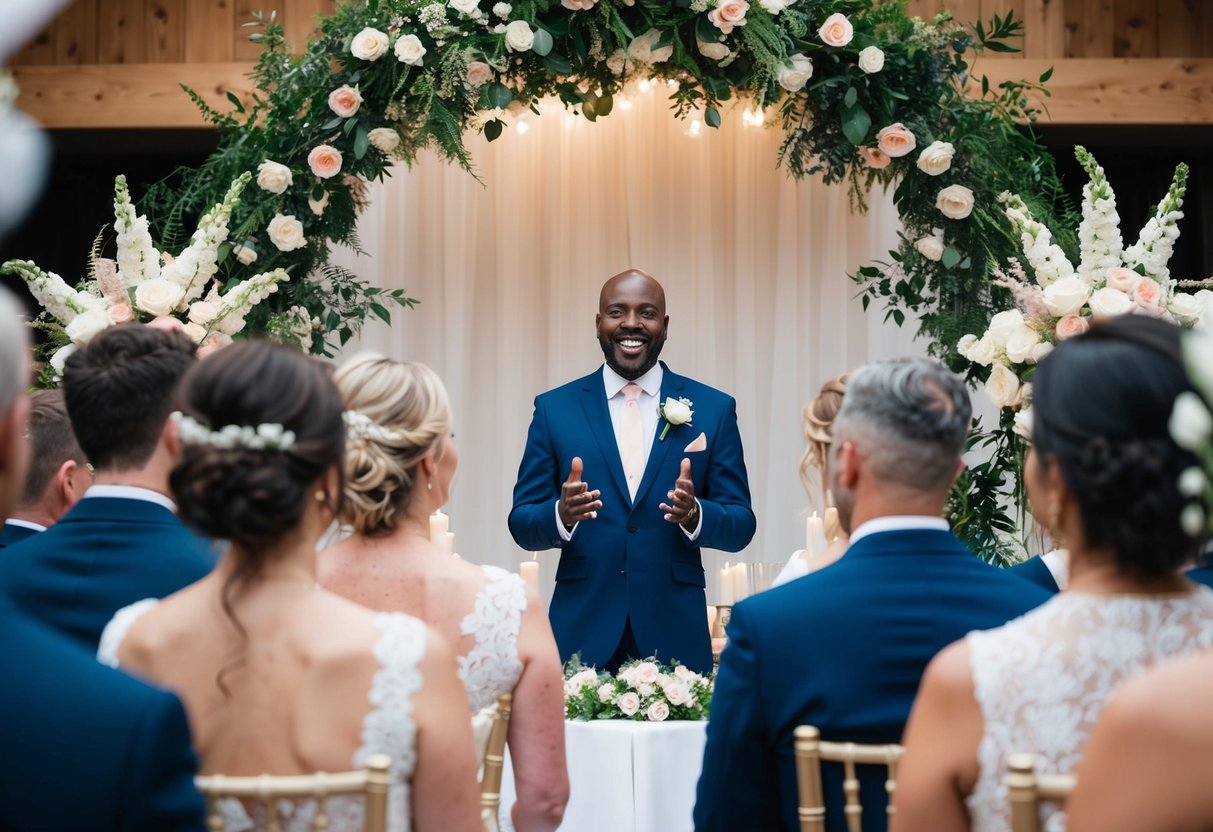
As a wedding celebrant, you play a vital role in creating memorable and meaningful ceremonies for couples. Your work can vary based on the type of celebrant you choose to be, and understanding your duties will help you serve clients better.
Different Types of Celebrants
There are several types of wedding celebrants, each serving unique needs. A family celebrant focuses on ceremonies that unite families, while a funeral celebrant handles memorial services. Independent celebrants offer personalized ceremonies, often without religious ties.
Humanist celebrants emphasize secular values and aim to celebrate life in a meaningful way. You might choose to specialize in one area or offer services across multiple types. This diversity allows you to connect with different couples and fulfill their specific desires for their wedding day.
Duties and Responsibilities
Your primary duty as a wedding celebrant is to officiate the marriage. This involves understanding local laws and ensuring the ceremony meets legal requirements.
You also create ceremony scripts that reflect the couple’s personality and values. In addition, you guide the couple through the planning process. This includes discussing their vision, making suggestions, and incorporating special elements to personalize the ceremony. You are responsible for delivering a heartfelt experience while providing support and guidance, making the day special for everyone involved.
Training and Qualifications Required

Becoming a wedding officiant in the UK involves developing essential skills and completing accredited courses. Understanding these requirements will help you prepare for this meaningful role.
Essential Skills for a Celebrant
To be an effective celebrant, you need strong communication skills. You will often speak in front of groups, so a confident public speaking ability is critical. Practicing how to deliver heartfelt messages will help create memorable ceremonies.
Organisational skills are equally important. You will be responsible for planning and coordinating ceremonies, which requires attention to detail and good time management.
Additionally, having empathy and the ability to connect with couples personally enhances your service. Listening to their needs is key in creating a ceremony that feels special and unique.
Accredited Courses and Diplomas
Completing celebrant training is vital to your success. Look for programs that offer a NOCN Level 3 Diploma in Celebrancy. This qualification equips you with foundational knowledge and skills.
Many private training providers offer celebrant training courses. These can vary in length and cost. Some courses may also provide a diploma in celebrancy upon completion.
Look out for programs that include practical experience and support in public speaking and ceremony creation. These aspects will improve your confidence and competence as a celebrant.
The Path to Becoming a Celebrant
Becoming a celebrant involves choosing the right training option and finding a reputable provider. By understanding your choices, you can set yourself up for a successful career.
Online vs. Residential Training Options
When deciding how to train as a celebrant, you have two main options: online training and residential training.
Online celebrant training offers the flexibility of learning at your own pace. You can access materials anytime, making it easier to fit into your schedule. Many courses are NOCN accredited, ensuring you gain recognized qualifications. This method usually includes video lessons, quizzes, and forums to connect with fellow trainees.
On the other hand, residential training often provides hands-on experience with award-winning celebrant mentors. These intensive courses take place over a few days and offer live interaction and practical exercises. You can engage with instructors directly, ask questions, and receive immediate feedback. Choose the method that best fits your learning style and lifestyle.
Finding a Training Provider
Finding a quality celebrant training provider is crucial to your success. Look for providers that offer expert-led training and have a strong reputation in the industry. Check the course details, including whether they provide both online and residential options.
Read reviews and testimonials from former students to gauge the quality of training. A good provider will often have experienced instructors who share real-life insights. Ensure that the training includes essential topics such as ceremony planning and public speaking.
Don’t forget to verify any qualifications offered. Aim for recognized certificates that enhance your credibility as a celebrant. This research will help you choose a training provider that aligns with your career goals.
Launching Your Celebrancy Business
Starting your celebrancy business is an exciting venture. It requires building connections and understanding legal aspects to move forward effectively.
Building a Network
To establish your celebrancy business, networking is key. Connecting with other celebrants is crucial. Join online communities, such as the UK Society of Celebrants. This can provide support and resources as you begin.
Attend local workshops or training sessions. Consider taking specific courses for wedding celebrant training or funeral celebrant training. These not only enhance your skills but also expand your professional connections.
Local events can also be a great way to meet potential clients and find collaborative opportunities. Building a well-rounded network helps in securing bookings and gaining referrals.
Legal Considerations
Understanding the legal requirements is essential. In the UK, celebrants cannot legally conduct marriages. Instead, they can perform wedding ceremonies after the legal marriage at a registry office. This is important to clarify with clients.
Ensure you have the right insurance for your business. Public liability insurance protects you in case of accidents during ceremonies. You may also want to join professional bodies, like the United Kingdom Society of Celebrants, for credibility.
Keep documentation updated, including contracts and terms of service. This helps in setting clear expectations with clients. Understanding the legal landscape will keep your celebrancy business running smoothly.