
How to Become Registrar Marriage in the UK: A Simple Guide to Start Your Journey
Becoming a registrar for marriages in the UK can be a rewarding career choice. As a registrar, you play a critical role in important life events, including marriages and civil partnerships.
To start your journey, you may need to gain relevant experience. This could involve working in a local council or related office. After that, you can apply for a role as a registrar.

In this position, you will handle various responsibilities, such as collecting and recording vital information from people about births, deaths, and marriages. You’ll interact with couples planning their weddings and make their special day memorable. This job requires strong communication skills and a passion for helping others, as you’ll be a key figure on their significant occasions.
If you are intrigued by the idea of being part of these joyful moments, this article will guide you through the steps to become a registrar, detailing the skills and qualifications needed, as well as tips for applying for this fulfilling role. Let’s explore how you can turn this dream into reality!
Becoming a Registrar in the UK: Understanding the Role
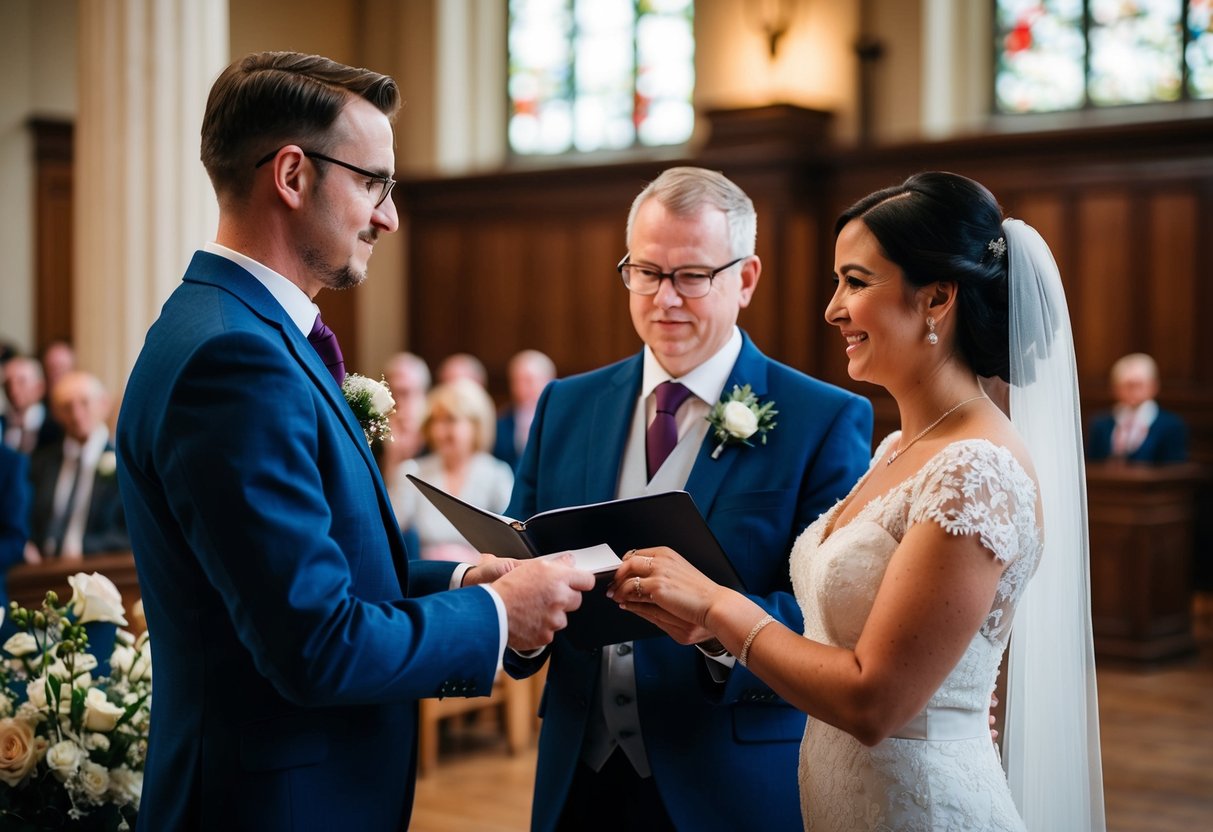
As a registrar, you play an important part in key life events, including marriages and civil ceremonies. Your role involves various responsibilities that are crucial to maintaining official records and supporting couples during significant moments.
Key Responsibilities of a Registrar
In your role as a registrar, you oversee several important tasks. One of your primary duties is to conduct marriage ceremonies, ensuring that couples complete all legal requirements.
You will also manage civil partnership formations, helping partners to formalize their relationships.
Another key responsibility is to register births and deaths. This includes issuing birth and death certificates, which are essential documents for legal matters. You also handle customer service aspects, assisting families with their queries and providing accurate information.
Additionally, you may be involved in naming ceremonies, celebrating new life with families in a meaningful way. Your organizational skills and attention to detail are vital as you manage appointments and official records, ensuring every document meets legal standards.
Registrar Specializations
There are various paths you can take as a registrar. Depending on your interests, you may specialize in certain areas, such as weddings or civil partnerships.
Some registrars may focus mainly on marriage ceremonies, ensuring that every event is both beautiful and legally binding.
As part of your career development, you might start as a deputy registrar. This position provides hands-on training and experience. With time and additional responsibilities, you could advance to become a superintendent registrar, leading a team of registrars.
Your work may also involve collaborating with local authorities and different venues to coordinate civil ceremonies. This teamwork enhances your ability to provide excellent service and ensures that couples have a seamless experience on their special day. Each specialization offers unique challenges and the opportunity to make a lasting impact in people’s lives.
Entry Requirements and Essential Skills
To become a marriage registrar in the UK, you need specific academic qualifications and a set of essential skills. This role demands not only formal education but also interpersonal abilities to connect with people during significant life events.
Academic Qualifications and Professional Training
Most employers expect you to have GCSEs, including English and Maths, to apply for a registrar position. You may also need relevant work experience, ideally in administrative or customer service roles. This background helps you understand the needs of the public and hone your administration skills.
After landing an assistant role, many registrars receive on-the-job training. This training often covers the relevant legislation and procedures you’ll deal with daily. Some registrars pursue professional qualifications or apprenticeships, which can further enhance your candidacy.
Skills That Registrars Need
Being a registrar involves numerous skills that are vital for the role.
Strong communication and interpersonal skills are essential, as you will interact with couples and families on important occasions. You should also have empathy and an ability to listen to understand their needs.
Time management plays a crucial role as well, allowing you to keep appointments and ensure everything runs smoothly during ceremonies.
Good IT skills are necessary for managing records and registrations efficiently. Additionally, you must pay attention to detail, as accurate documentation is key in this profession. All these skills combine to provide excellent customer service, making the process more enjoyable for everyone involved.
Navigating the Path to Your Career as a Registrar
Starting your journey as a marriage registrar in the UK involves finding the right opportunities and effectively going through the application process. This role not only requires specific qualifications but also offers the chance for professional development and career progression.
Finding Registrar Opportunities
To begin, look for registrar jobs through local council websites or the Local Registration Services Association. These platforms often list available positions for assistant registrars and clerical assistants, which can help you gain necessary experience.
Having relevant work experience in administrative roles can make you a strong candidate. Consider volunteering or applying for positions that enhance your customer service and communication skills. Networking with professionals already in the field can open doors. Check local job boards and career fairs to find openings tailored to your career choice.
Application Process and Interviews
When applying, tailor your CV to highlight any administrative experience and relevant skills. Focus on your legal knowledge related to marriage registration and familiarity with government regulations.
If selected for an interview, be prepared to discuss your experience and how you handle sensitive situations, such as interviewing parents for birth registrations.
During the interview, demonstrate your time management and organizational abilities. You may also be asked about how you would navigate court procedures when processing marriage licenses. Show your enthusiasm for the role and your commitment to maintaining accurate records and providing excellent service.
Advancement and Professional Development

Advancing in your role as a marriage registrar involves climbing the career ladder and committing to ongoing professional development. It’s important to focus on gaining experience and qualifications.
Climbing the Career Ladder
To move up to a senior registrar position, you should begin by gaining practical experience in a registrar’s office. Starting as an assistant or deputy registrar is common. This role allows you to learn the ins and outs of registration laws and processes.
Your experience in this role will be vital. Engaging in public speaking and enhancing your computer literacy will make you more effective. It’s also beneficial to have a driving licence for attending ceremonies at various locations.
As you gain experience, seek promotions within your department. Salaries tend to increase as you progress. Regular feedback from senior staff can guide your career growth.
Continued Learning and Certifications
Staying current in this field requires continued professional development. Attending workshops and training courses can deepen your legal knowledge. Many registrars join professional associations, like the Local Registration Services Association (LRSA), which offer valuable networking opportunities.
You may also want to pursue a professional qualification related to registration work. This can enhance your resume and position you for advancement.
Improving your public speaking skills is also important. You’ll often present information to the public. Incorporating feedback from colleagues can also help you grow. Lastly, make sure to stay informed about changes in laws and procedures to be the best registrar you can be.