
How to Calculate Food for a Wedding: Simplifying Your Catering Needs
Calculating food for a wedding can feel overwhelming, but it doesn’t have to be. Start by knowing your number of guests and their preferences. This includes taking note of any dietary restrictions, such as allergies or vegetarian options, to make sure everyone has something delicious to enjoy.
Once you have your guest list, think about the type of meal service you want. Options like buffet, plated meals, or family-style serving can affect how much food you need.
Each choice comes with its own guidelines, and being clear on the meal style helps you plan more effectively.
Don’t forget about appetizers, desserts, and drinks! Each item adds to the overall experience, so planning ahead can make your special day run smoothly. By paying attention to these details, you can create a memorable meal that your guests will love.
Determining the Size and Scope of Your Wedding
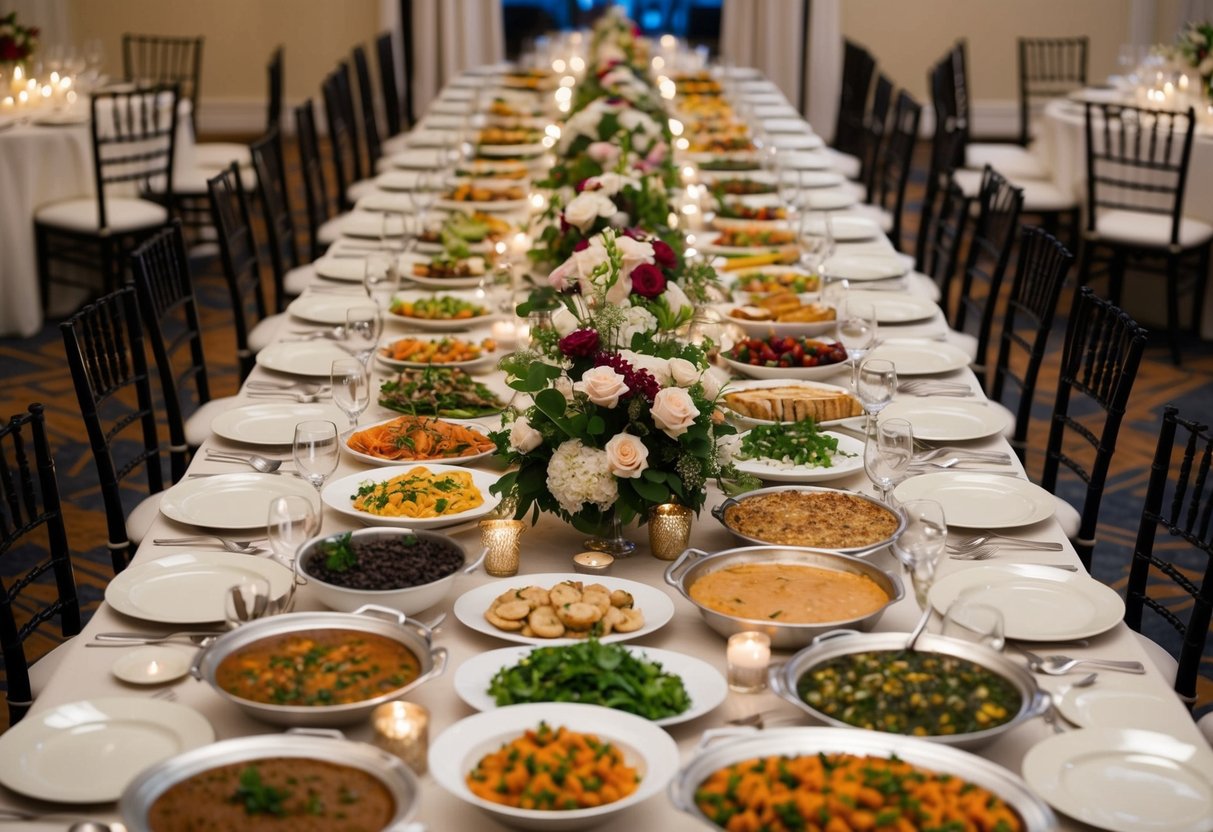
Getting the size and scope right is essential for planning a successful wedding. Knowing your guest count and the type of reception you want will help you decide how much food to prepare.
Guest Count and Invitations
Start by estimating your guest count. This number is the backbone of your catering plan.
Begin by creating a list of everyone you wish to invite, including family, friends, and colleagues.
Tip: It’s wise to account for a few extra guests, as not everyone can attend. A good rule of thumb is to expect about 80-90% of those invited.
After you have your guest list, send out invitations early. This allows you to get RSVPs back in time to finalize your catering numbers. Depending on the responses, you may need to adjust your food quantities accordingly.
Types of Wedding Receptions
The type of wedding reception you choose can impact how much food you’ll need. There are various styles, including sit-down dinners, buffets, and cocktail receptions.
- A sit-down dinner typically requires more food since each guest receives a plated meal. Depending on the menu, you might need one main dish and a couple of sides.
- A buffet allows guests to serve themselves, so consider around 1.5 servings per person to account for varying appetites.
- For a cocktail reception, offer a range of appetizers, targeting six pieces per guest. This can keep costs down while still filling your guests’ stomachs.
By determining the type of reception, you can better plan the menu and servings needed for your wedding day.
Creating Your Wedding Menu
A well-planned wedding menu is essential for a successful celebration. Your choices will delight your guests and create lasting memories. Let’s dive into how to select the best appetizers, main courses, and that perfect wedding cake.
Selecting Appetizers and Side Dishes
When planning appetizers, aim for a variety that suits different tastes. Consider an assortment of finger foods like mini quiches, bruschetta, and stuffed mushrooms. These bite-sized treats are easy to handle and enjoy.
For side dishes, think about what complements your main courses. Popular choices include creamy mashed potatoes, seasonal vegetables, and fresh salads.
You can also add a few unique options, like a roasted vegetable medley or a quinoa salad, to keep things interesting.
Don’t forget to consider dietary restrictions. Including vegetarian options ensures all guests feel welcomed. Aim for about 6 appetizer pieces per guest to make sure everyone gets enough to enjoy!
Choosing Main Courses and Vegetarian Options
For main courses, think about variety and balance. You might choose two or three main dishes, such as chicken, beef, and a seafood option. This gives guests plenty of choices during dinner.
Don’t overlook vegetarian options! Dishes like eggplant parmesan, stuffed bell peppers, or a hearty vegetable lasagna can be crowd-pleasers. Make sure these dishes are just as flavorful as the meat options.
Consider portion sizes too. As a general rule, plan for about 6-8 ounces of main protein per guest. This helps meet the needs of everyone attending while also minimizing food waste.
Deciding on the Perfect Wedding Cake
Your wedding cake is a centerpiece that holds both tradition and sweetness. Start by deciding on the style and flavor you want. Common options include classic vanilla, rich chocolate, or fruity layers.
Consider your guest count when choosing the cake size. You want enough slices for everyone, so plan for about one slice per guest, plus a few extra for leftovers.
Don’t forget to ask your baker about designs! Incorporating flowers, colors, or themes can make your cake unique. Remember, the cake should taste as good as it looks, so sample flavors before deciding!
Budgeting for Wedding Food
When planning your wedding, budgeting for food is a key part of the process. Understanding food costs and the different catering options available will help you create a budget that works for your needs.
Understanding Food Costs
Food costs for a wedding can vary widely. Key factors include the number of guests, menu selection, and venue.
To start, determine how many people you will invite. This is essential for calculating your total food cost.
Many couples use a wedding food cost calculator to estimate expenses based on their guest count and menu choices.
Typical expenses include appetizers, main courses, desserts, and drinks. Keep in mind that specialty foods may raise your budget. Planning ahead and being aware of these costs can help you stay within your overall wedding budget.
Catering Options and Cost Per Plate
Choosing the right caterer is crucial for your wedding day. Catering options include buffet style, plated meals, and family-style serving. Each option has a different cost per plate.
- Buffet: Guests serve themselves, usually $20-$50 per plate.
- Plated meals: Served by staff, typically $30-$70 per plate.
- Family-style: Trays of food shared at each table, around $25-$60 per plate.
Consider your preferences and your budget. Get quotes from several caterers to find the best deal. Many caterers can customize their menus to fit your needs, ensuring you get the food you want without overspending.
Calculating the Amount of Food
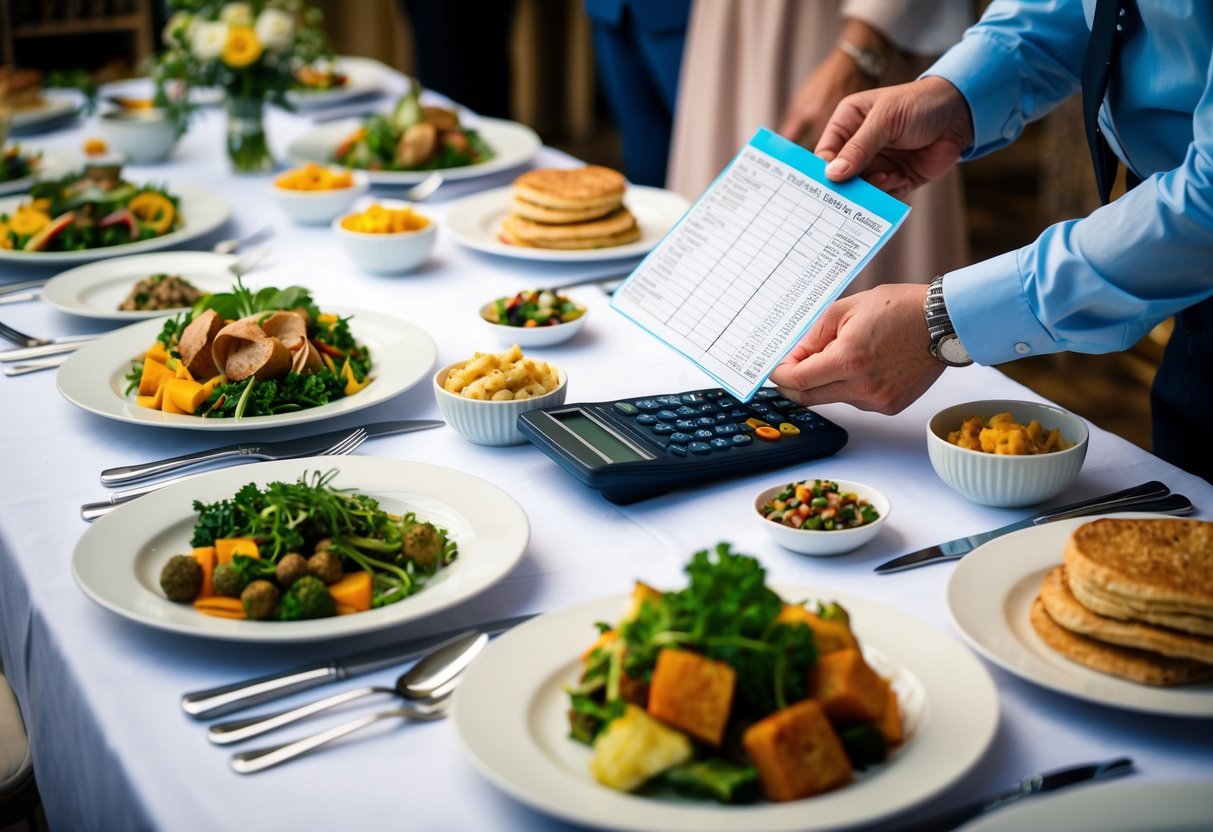
When planning your wedding, determining how much food to prepare is key. You want to ensure your guests leave satisfied without overspending on food that goes to waste. This section will guide you through estimating portion sizes and using helpful tools to calculate your wedding food cost.
Estimating Portion Sizes
Start by thinking about the types of food you plan to serve. A general rule is to offer 1 pound of food per guest for a buffet-style meal. If you choose a plated service, aim for about 0.75 pounds per person.
You can break this down into specific food types. For example:
- Meat: 6-8 ounces per guest
- Side dishes: 4-6 ounces per guest
- Dessert: 2-3 ounces per guest
If you’re serving kids, remember that they typically eat less—about half of an adult’s portion. Adjust accordingly for any dietary restrictions your guests may have, ensuring everyone has enough to enjoy.
Using a Wedding Food Cost Calculator
A wedding food cost calculator can simplify your planning process. These calculators estimate the total cost based on the number of guests and your selected menu. By entering the expected number of guests and the cost per plate, you can get a clearer picture of your total food budget.
For accurate results, include all food categories like appetizers, main courses, and desserts. You can find calculators online that also provide portion size suggestions, making it easier to determine the amount of food needed. For example, visit Wedding Food Cost Calculator by Wedding Pioneer to get started.
Using these tools helps you stay organized and ensures your wedding meal is just right for your special day.