
How to Get Married in the UK Quickly: A Step-by-Step Guide
If you want to get married quickly in the UK, there are a few important steps you need to follow. In most cases, you must give notice at your local register office at least 28 days before the wedding can legally take place. This rule applies to England, Wales, Scotland, and Northern Ireland, so be sure to check local requirements as they can vary slightly by region.
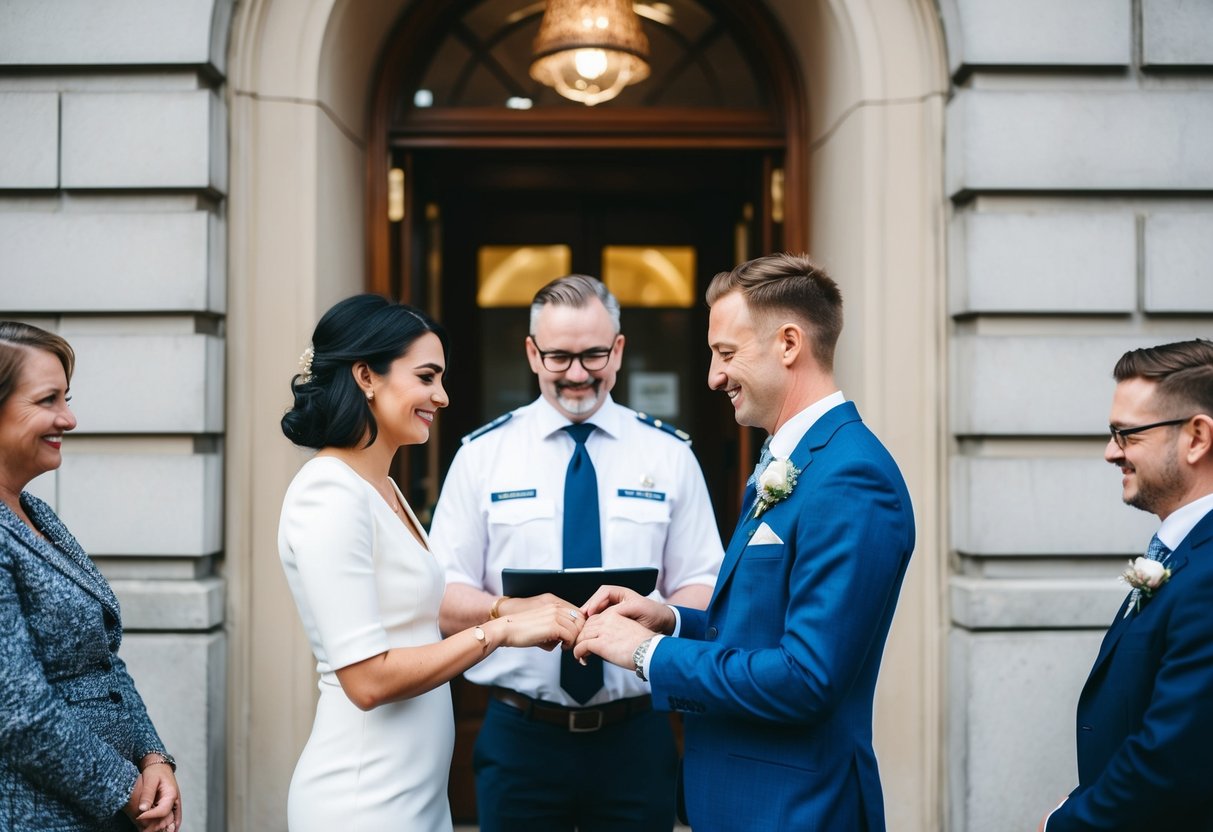
There are special circumstances where you can get married sooner, such as obtaining a special license. This option might be available for those in urgent situations, like members of the armed forces. Be proactive and contact your local register office to explore your options.
Getting ready for your big day doesn’t have to be stressful. By knowing the basics of UK marriage laws and planning ahead, you can ensure a smooth process. Consider reaching out to resources like Citizens Advice for further guidance on what you need to prepare.
Understanding UK Marriage Laws

Getting married in the UK requires meeting certain legal requirements. These can vary slightly based on where you live, whether it’s England, Wales, Scotland, or Northern Ireland. Here’s what you need to know.
Legal Requirements for All UK Regions
In the UK, you must be at least 16 years old to get married. If you are under 18, you will need parental consent. It’s essential that neither party is currently married or in a civil partnership.
You will also need to provide proof of nationality and proof of address. This can include a passport or driver’s license. Before your marriage, you must give notice at your local registry office, which involves a waiting period of 28 days.
Once you fulfill these requirements, you can obtain a marriage license. After the ceremony, you will receive a marriage certificate, which serves as legal proof of your marriage.
Differences in Scotland and Northern Ireland
While many rules are similar in Scotland and Northern Ireland, there are some differences to note. In Scotland, you can get married at 16 without parental consent.
The notice period is also shorter, lasting only 29 days. In Northern Ireland, both parties must be at least 16 years old, but consent is required up to the age of 18.
In addition, the marriage must be conducted in a venue that is registered for marriage ceremonies. This can include religious and non-religious locations. Before your wedding, be sure to check any specific local requirements to ensure a smooth process.
Planning Your Wedding Quickly

When you want to get married fast, certain choices can streamline the planning process. From exploring last-minute wedding packages to understanding the types of ceremonies available, you can make quick decisions that keep everything on track.
Last-Minute Wedding Packages
Last-minute wedding packages can save you time and stress. Many venues offer these special deals, often including essential services like catering, decorations, and even officiants.
Consider looking for local venues that cater to quick ceremonies. They may have a list of trusted vendors. Booking a package can help simplify your decisions and save money compared to planning everything separately.
Ask about specific dates that might be available. Many venues are flexible last-minute. Keep your guest list small to make your event more manageable. This can also cut costs, allowing you to focus on what truly matters: your special day.
Civil Partnership Conversion
If you and your partner are in a civil partnership, converting it to marriage is relatively simple. You will need to give notice to your local registry office. This notice period usually lasts 28 days.
After that, you can schedule your wedding ceremony. If you want to marry quickly, aim for a registry office or a venue that accommodates these conversions. It’s a straightforward option for couples wanting to formalize their commitment through marriage.
Remember to prepare your documentation in advance. This includes proof of identity and any prior marriage dissolution documents. Having everything ready will help speed up the process.
Religious vs Civil Ceremonies
Choosing between a religious and a civil ceremony is essential for your wedding planning. Civil ceremonies are usually quicker to schedule, as they often have more available dates than religious venues.
With a civil ceremony, you can marry in a registry office or approved location. Many places offer beautiful, intimate settings for your special day. This option is often more flexible regarding date and time.
On the other hand, if you prefer a religious ceremony, you’ll need to check with your officiant about availability. They may have specific requirements or waiting periods that can affect your timeline. Regardless of your choice, ensure that you meet all legal requirements in advance for a quick process.
The Marriage Registration Process
Getting married in the UK involves several important steps. Understanding the registration process is key to a smooth experience. Here, you will learn about giving notice of marriage, the details on your marriage certificate, and important registry office information.
Giving Notice of Marriage
To start the marriage process, you need to give notice of your marriage at your local registry office. This is a formal declaration of your intention to marry. You and your partner must book this appointment together.
During the appointment, you will need to provide personal details like your full name, address, and nationality. You should also bring valid identification, such as a passport or driver’s license. If either of you has been previously married, you’ll need to show evidence of the divorce or death certificate.
The notice period is typically 28 days. This allows for any objections to be raised. If all goes well, you can move forward with your wedding plans.
Marriage Certificate Details
Once you’re married, you will receive a marriage certificate. This document includes essential information, such as your names, the date of marriage, and where you got married. It’s important to check all details for accuracy.
There are different types of marriage certificates available. A standard certificate is often sufficient. However, a full certificate provides more in-depth details. You should also be aware that there is a cost associated with obtaining your marriage certificate. The price varies by location, so check with your local registry office for the exact fee.
Registry Office Information
Finding the right registry office is crucial. You can locate your nearest office through the official UK government website. Make sure to check their hours and any specific requirements for booking an appointment.
When you visit the registry office, be prepared to answer questions about your background and your partner. It’s a friendly environment, and staff are there to help. Keep in mind that some registry offices may require you to provide additional documentation. Always confirm if you need any special forms before your visit to avoid any last-minute issues.
Special Considerations

When planning a quick marriage in the UK, consider your options for elopements or marrying outside the UK. These choices can help you achieve your dream wedding promptly while bypassing some usual procedures.
Elopements and Marrying Outside the UK
Elopements are a popular way to tie the knot quickly. They often involve just the couple, sometimes with a few close friends or family members. This intimate setting can save time and money. You can choose a picturesque location that holds special meaning for you both.
If you’re considering tying the knot outside the UK, make sure to check local regulations first. Many countries have fewer requirements, allowing you to marry sooner. Some places might even have unique options for religious weddings. Make sure to gather all needed documents, like passports and any necessary certificates, to ensure a smooth process.