
How to Make a Wedding Bouquet on a Budget: Tips for Beautiful and Affordable Floral Arrangements
Creating a beautiful wedding bouquet on a budget can seem challenging, but you can make a stunning DIY wedding bouquet that adds a personal touch to your wedding day while saving money. Instead of spending a fortune on a florist, you can gather flowers that reflect your style and arrange them yourself.
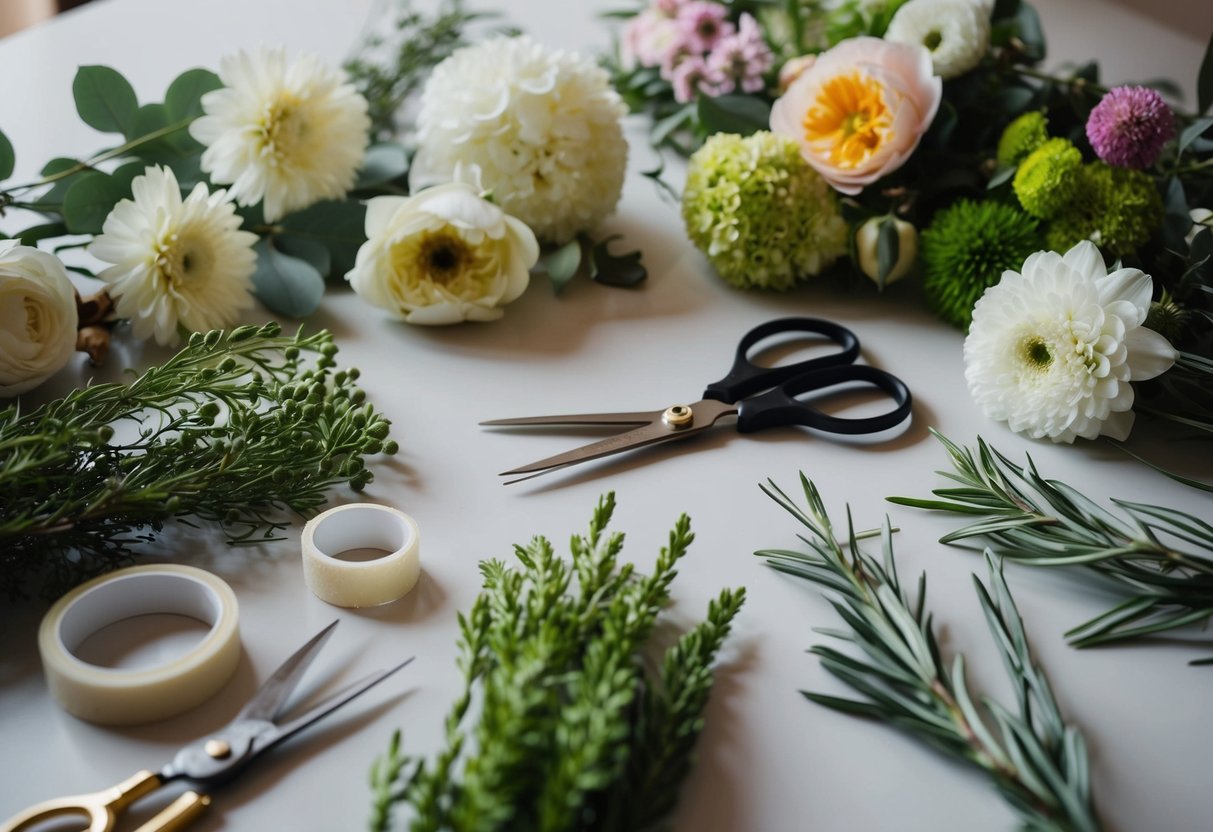
With just a few essentials and some helpful techniques, you will find that making your own bouquet can be a fun and fulfilling experience. You don’t need to be a professional to arrange flowers; even simple blooms can create an elegant look that speaks to your special day. From choosing the flowers to putting everything together, each step allows you to customize your bouquet to match the theme of your wedding.
As you start planning, keep in mind that this is an opportunity to express your personality and creativity. You’ll find tips and steps that will guide you through the process, ensuring you have a lovely bouquet that doesn’t break the bank. Embrace the journey, and let’s explore how you can make that perfect bouquet!
Planning Your Budget Bouquet
Creating a beautiful wedding bouquet on a budget is possible with careful planning. Focus on understanding your costs, choosing seasonal flowers, and finding the right sources for your blooms. Here’s how to make the most of your budget while still achieving a lovely arrangement.
Understanding Costs
Start by setting a clear wedding budget. The average cost of wedding flowers can range significantly, often falling between $1,500 to $3,000 for a full wedding. Knowing your budget helps you determine how much to allocate specifically for your bouquet.
Break down your flower costs into categories: bouquets, centerpieces, and other arrangements. By itemizing, you can see where to save and where to splurge. Keep in mind that DIY options tend to be less expensive. Using fewer flowers or opting for mixed arrangements can also help keep the costs down.
Choosing Seasonal Flowers
Seasonal flowers are not only fresher but also more affordable. They thrive during specific times of the year, making them easier to source and less expensive. Research local flower markets to see what’s in season when your wedding date approaches.
For example, if you’re planning a spring wedding, consider using tulips, daffodils, or peonies. These flowers are often less costly during their peak season. Keeping your color palette simple and using greenery from your garden can also enhance your bouquet while sticking to your budget.
Sourcing Your Flowers
Finding the right source for your flowers is key to staying within your budget. Visit local flower markets to compare prices and quality. Building a relationship with local vendors might get you better deals or discounts.
Consider purchasing flowers in bulk instead of individually. Many markets offer bulk pricing, which can be a significant cost saver. You can also check online for local farms that sell directly to consumers. By combining these strategies, you can gather beautiful flowers while ensuring you don’t exceed your budget.
Designing Your Bouquet
Creating the perfect wedding bouquet on a budget involves careful planning and creativity. You’ll want to choose a color palette, select the right flowers, and decide on the bouquet style and shape that best fits your vision without breaking the bank.
Selecting a Color Palette
When choosing a color palette, think about your wedding theme and the season. Popular color schemes include soft pastels for spring, bright hues for summer, and rich tones for fall.
Here are some tips:
- Consider the Venue: The colors should complement the location.
- Limit Your Choices: Stick to 2-3 main colors to keep it cohesive.
- Incorporate Greenery: Adding greens can enhance your palette and add texture.
By focusing on your selected colors, you will create an attractive design that ties everything together beautifully.
Picking the Right Flowers
Choosing the right flowers is essential for a stunning bouquet. Consider seasonal flowers, as they tend to be more affordable and fresher.
Popular flower varieties include:
- Roses: Timeless and available in many colors.
- Daisies: Simple and cheerful for a relaxed feel.
- Peonies: Elegant and fragrant, perfect for romantic vibes.
Don’t hesitate to mix and match different types. Combining various flower types adds interest and dimension to your bouquet. Remember to keep your budget in mind when selecting flower varieties.
Bouquet Styles and Shapes
The style and shape of your bouquet can transform its overall look. Common styles include:
- Cascading Bouquets: These have flowers that flow down like a waterfall, ideal for a dramatic look.
- Round Bouquets: Classic and versatile, round shapes work well for many wedding styles.
- Hand-Tied Bouquets: A natural look that can be made quickly, often using ribbons or twine.
When deciding on a style, think about how it fits with your dress and personal style. Aim for a design that feels true to you, enhancing your wedding day experience.
Assembling the Bouquet
Assembling your wedding bouquet is an exciting part of the DIY process. It involves preparing the flowers, arranging them beautifully, and adding special details to make your bouquet uniquely yours.
Preparing the Flowers
Start by preparing your flowers. Remove any leaves that will sit below the waterline if you’re using a vase. Trim stems at a 45-degree angle to help them absorb water better.
Gather your focal flowers, which are the showstoppers of your bouquet. Choose a few sturdy focal flowers to create a strong structure. Then, pick some filler flowers to add volume and softness. Consider incorporating greenery for depth and texture.
Make sure your flowers are fresh for the best look. If needed, store them in water until you’re ready to use them.
Creating the Arrangement
Now, it’s time to create your arrangement. Begin with your focal flowers. Hold them together in one hand, forming a loose spiral. This shape helps create depth in your bouquet.
Add filler flowers and greenery around the focal flowers, considering the balance. Use floral tape to secure the stems tightly together as you build the arrangement.
Keep adjusting the placement of flowers until it feels just right. You can also use floral wire for extra support if needed. Once satisfied, tie a knot with the floral tape at the bottom to hold everything securely.
Adding Finishing Touches
Finishing touches can elevate your bouquet. Consider wrapping the stems with a beautiful ribbon or lace to match your wedding theme. Secure it with floral tape to keep it in place.
Add small details, like a personal charm or a small piece of jewelry, to make it special. Don’t forget to check for any loose leaves or stray stems and trim them for a polished look.
These little details can enhance your bouquet’s appearance and make it truly yours. Enjoy the process and have fun with your creation!
Caring for Your Bouquet
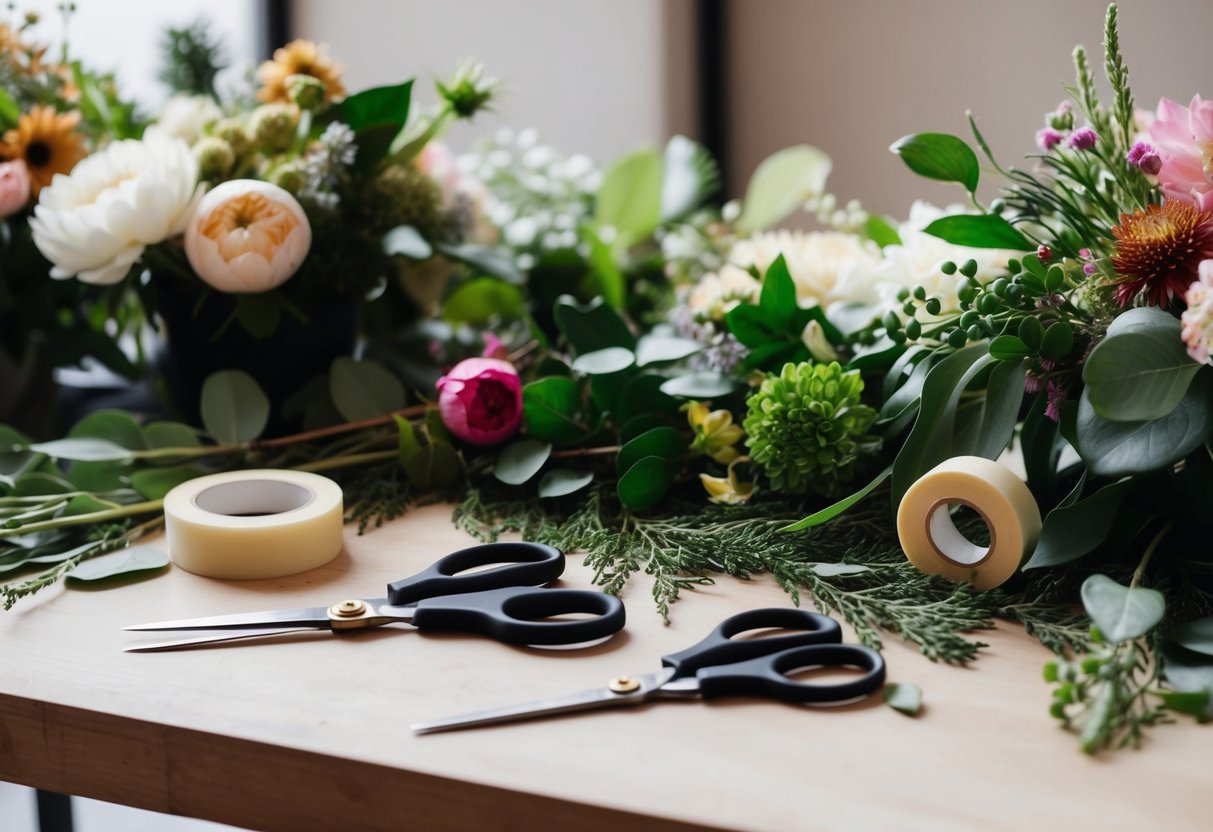
Taking care of your bouquet is key to keeping it looking fresh and beautiful for your wedding day. Here are some simple tips to help you maintain the beauty of your DIY wedding bouquets.
Keeping Flowers Fresh
To keep your fresh flowers looking their best, start by trimming the stems. Cut about an inch off the bottom at a diagonal angle. This helps the flowers absorb water better.
Next, place them in a clean vase filled with fresh water. If you have flower food, mix it into the water to nourish the blooms. Change the water every couple of days to prevent bacteria from forming.
Store your bouquet in a cool, shaded area away from direct sunlight. This will help maintain their freshness. Remember to hydrate your bouquet as soon as you can after making it. This simple care will ensure they look stunning on your big day.
Transport and Presentation
When you transport your bouquet, handle it with care. Secure it in a sturdy container to keep it upright. You can use damp paper towels around the stems to keep them hydrated.
If you are traveling a long distance, consider keeping the bouquet in a cooler to maintain its freshness. On the day of the wedding, hold your bouquet by the stems and avoid applying pressure to the blooms.
For presentation, consider tying the stems with a ribbon that matches your wedding theme. This adds a nice touch and keeps everything neat. Pay attention to how you carry it during your photos.
A little care in transport and presentation can make a big difference in how your bouquet looks on your special day.