
How to Make a Wedding Planner: A Simple Guide for Your Special Day
Planning a wedding can be exciting but also a bit overwhelming. If you’re engaged and dreaming of your big day, creating a wedding planner can help you organize your ideas and keep track of everything. To make a wedding planner, gather all your essential materials in one place and design it in a way that suits your needs and style.
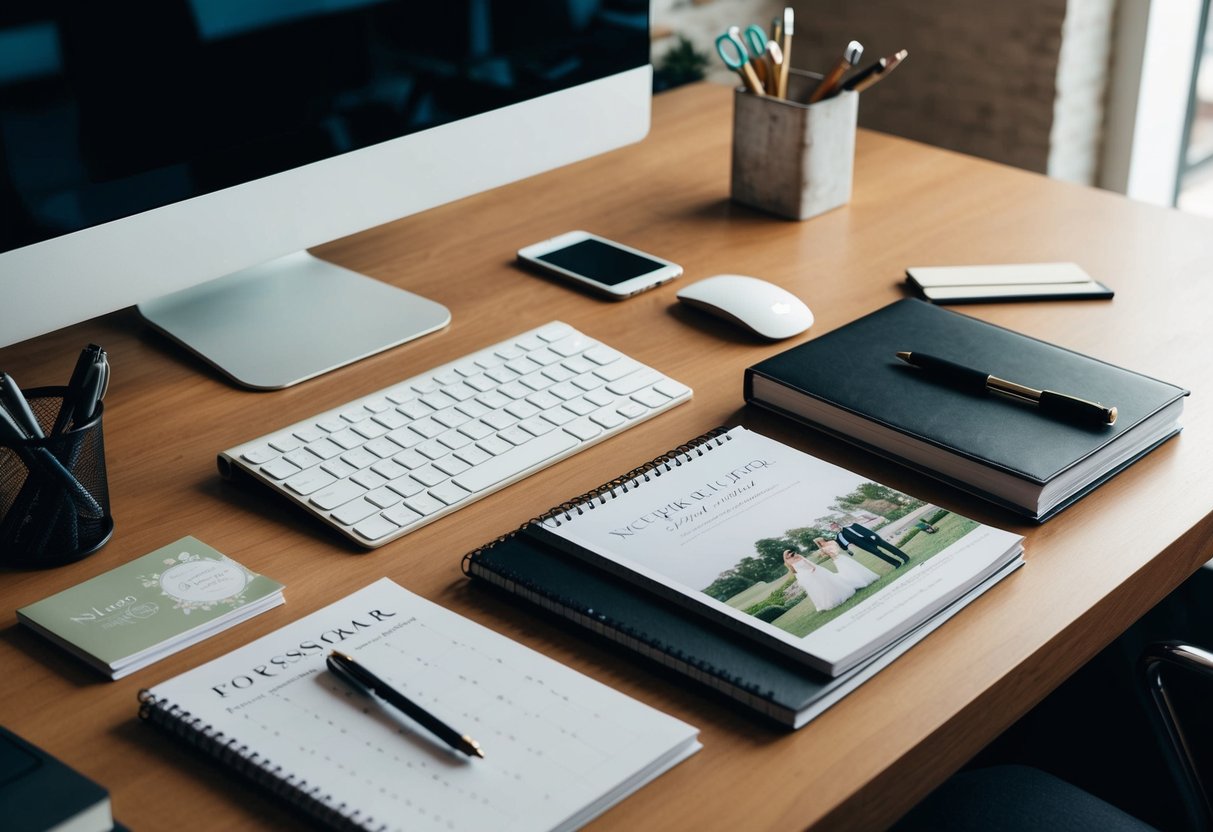
As you start your wedding planning process, think about what categories you want to include, like budgets, guest lists, and vendor contacts. A well-structured planner ensures that you won’t miss any important details as your special day approaches.
You can fill it with inspiration from bridal magazines, downloadable printables, and your own notes.
With a personalized wedding planner, you’ll feel more in control and confident as you move forward with your engagement preparations. It’s not just about keeping things organized; it’s also about capturing the joy and excitement of planning your dream wedding.
Setting the Foundation
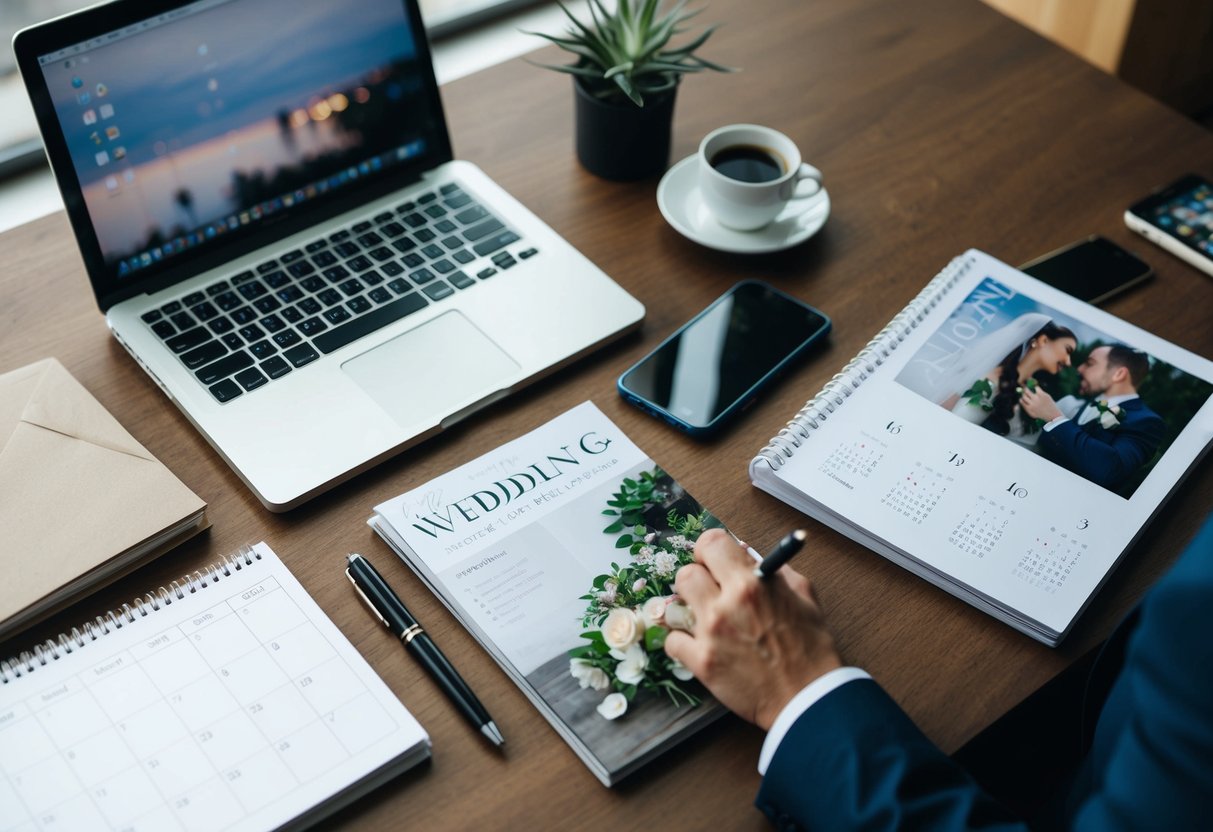
Building a solid foundation for your wedding planning is crucial. It helps you organize your ideas and keep everything on track. Focusing on your vision and setting a budget will guide you through the planning process efficiently.
Understanding Your Vision
Start by imagining your perfect wedding day. Think about the style and theme you want. Is it rustic, modern, or classic? Writing down your ideas can help clarify your vision.
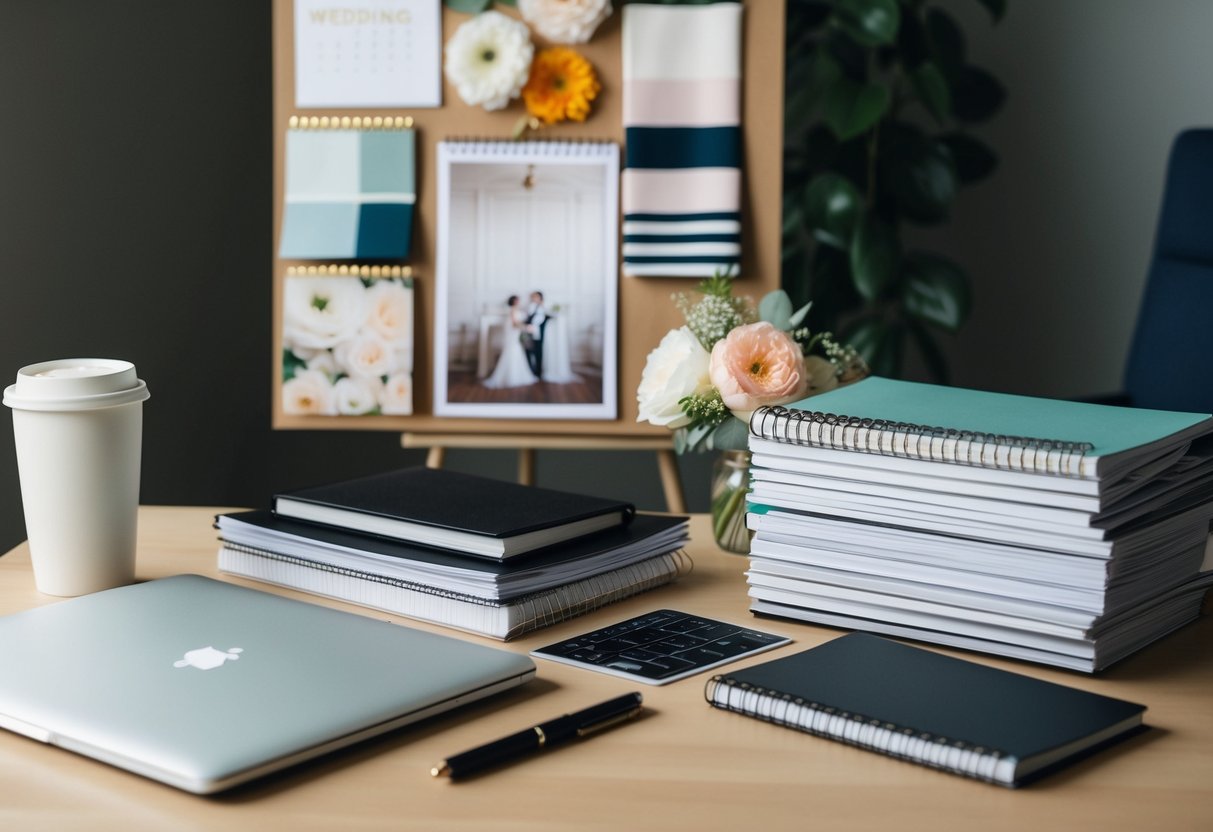
Consider creating a mood board. Collect images, colors, and inspirations from magazines or online sources like Pinterest. This visual guide will remind you of your desired vibe.
Key questions to ask yourself:
- What season do I want for my wedding?
- How many guests am I inviting?
- What colors do I love?
Keeping these details in mind will help shape your wedding planning organization. You can make a personalized wedding planner to gather all your ideas and inspiration in one place.
Budgeting Basics
Creating a wedding budget is essential to avoid overspending. Start by listing all potential expenses, such as the venue, catering, and flowers.
For example:
| Expense | Estimated Cost |
|---|---|
| Venue | $5,000 |
| Catering | $3,000 |
| Photography | $2,000 |
| Flowers | $1,500 |
| Attire | $1,200 |
Add up your estimates and compare them to your available funds. Adjust your budget as needed by prioritizing must-haves over wants.
Tips for staying within budget:
- Use a wedding checklist to track expenses.
- Consider DIY options to save money without sacrificing style.
- Communicate openly with family or friends who may contribute financially.
Being mindful of your budget helps ensure you can enjoy your special day without financial stress.
Organizing the Details
Staying organized is key to a successful wedding planning experience.
You can break down the details into manageable sections, such as guests and invitations, the venue and vendors, and attire and aesthetics. Here’s how to handle these important parts of your planner.
Guests and Invitations
Start by creating a guest list spreadsheet. This allows you to track names, addresses, and RSVPs easily. Use columns for each guest’s details. You can also note whether they require special accommodations.
A wedding website can be a helpful tool for sharing information. Include details about the date, venue, and accommodations. This makes it easier for guests to find information without having to call you.
Don’t forget to plan your invitations. Choose a design that fits your theme. Include RSVP details and a deadline. This makes it easier to manage your guest list and prepare for your big day.
Venue and Vendors
Your wedding venue sets the tone for the entire event. Create a list of important details like capacity, layout, and rental costs. Be sure to have copies of vendor contracts in your binder to avoid any confusion.
Collect vendor information in one section. Include contact details and payment schedules.
It’s useful to have a quick reference sheet that lists all your vendors, like the photographer, florist, and caterer. This keeps everything organized and ensures you have important details at your fingertips.
Consider using tab dividers or sheet protectors to separate each vendor’s section. This helps keep everything organized and prevents pages from tearing or getting wrinkled.
Attire and Aesthetics
Begin with a section for your wedding dress. Keep fabric samples, photos, and appointments in one place for easy access. This will help you stay focused when making decisions.
Create an inspiration board for your reception décor. Collect images, color swatches, and other materials that inspire you. This can help you visualize your ideas and communicate them clearly to your vendors.
Make a checklist for attire for everyone in your party. Include dress fittings, accessories, and any rentals needed. Keeping track of these details will ensure everyone looks their best on your special day.
Day-of Essentials
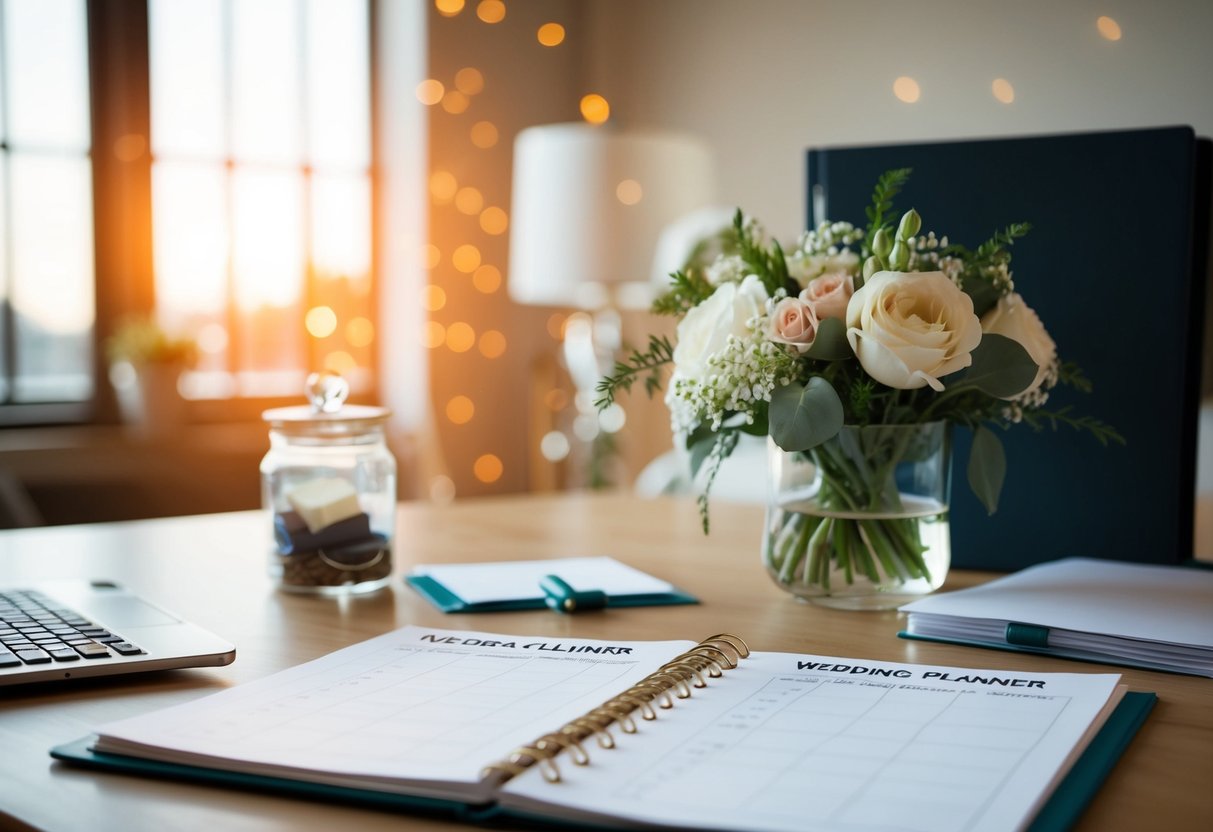
On your wedding day, having everything ready will help everything flow smoothly. Focus on key items that you need for the ceremony and reception to ensure a fun and stress-free day.
The Final Countdown
As the big day approaches, make sure you have a wedding planner binder ready. This binder should include important documents like your wedding timeline, seating arrangements, and any vendor contracts.
Pack a zipper pouch with essentials like makeup, safety pins, and items for minor wardrobe malfunctions.
Don’t forget to confirm the arrival times of your wedding party and vendors. A quick checklist can help you stay on track. It is also smart to have a copy of the seating chart handy for easy reference during the reception.
Ceremony and Reception
For the ceremony, ensure you have your marriage license ready. Keep it in a safe yet accessible spot.
List out items for the reception, such as the cake, décor, and music setup. Arrange a designated area for the wedding party to gather, and provide them with any necessary instructions.
Timelines are key. Reconfirm key moments, like the first dance and cake cutting. Having a wedding planning timeline on hand can help you stay organized.
You want your day to be memorable, so prepare these essentials in advance to enjoy every moment!