
How to Make Welcome Bags for Wedding Guests: A Practical Guide
You can make thoughtful wedding welcome bags by choosing one practical container, adding a few useful comforts, and including a note with the weekend’s key details. Pack one bag per hotel room, so couples and families sharing a room receive one together.
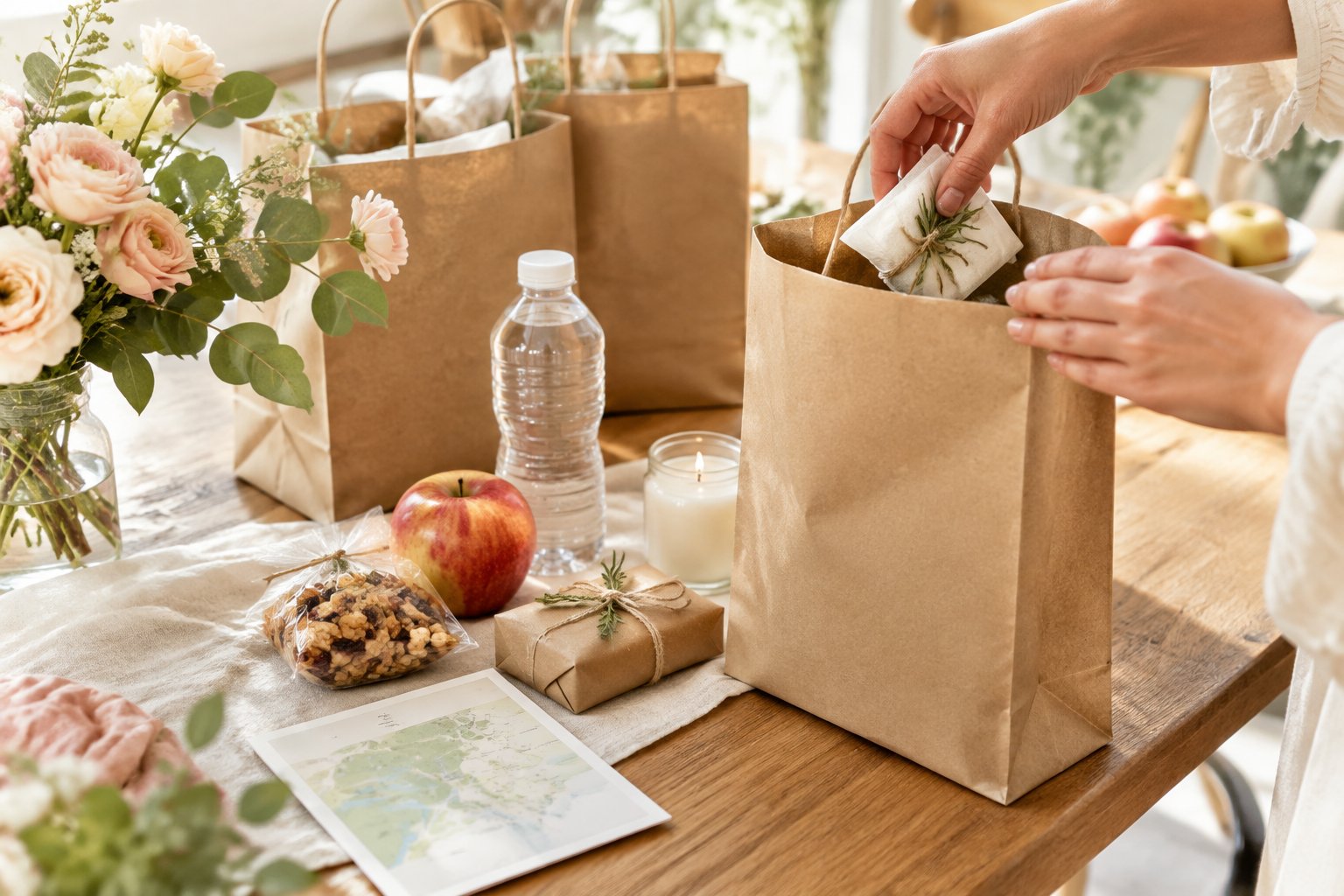
Your wedding welcome bags give traveling guests a friendly first touchpoint after they arrive. Pick items that suit the place, the season, and your guests’ plans, then keep the finished bags easy to carry and store.
What Should You Put in Each Welcome Bag?
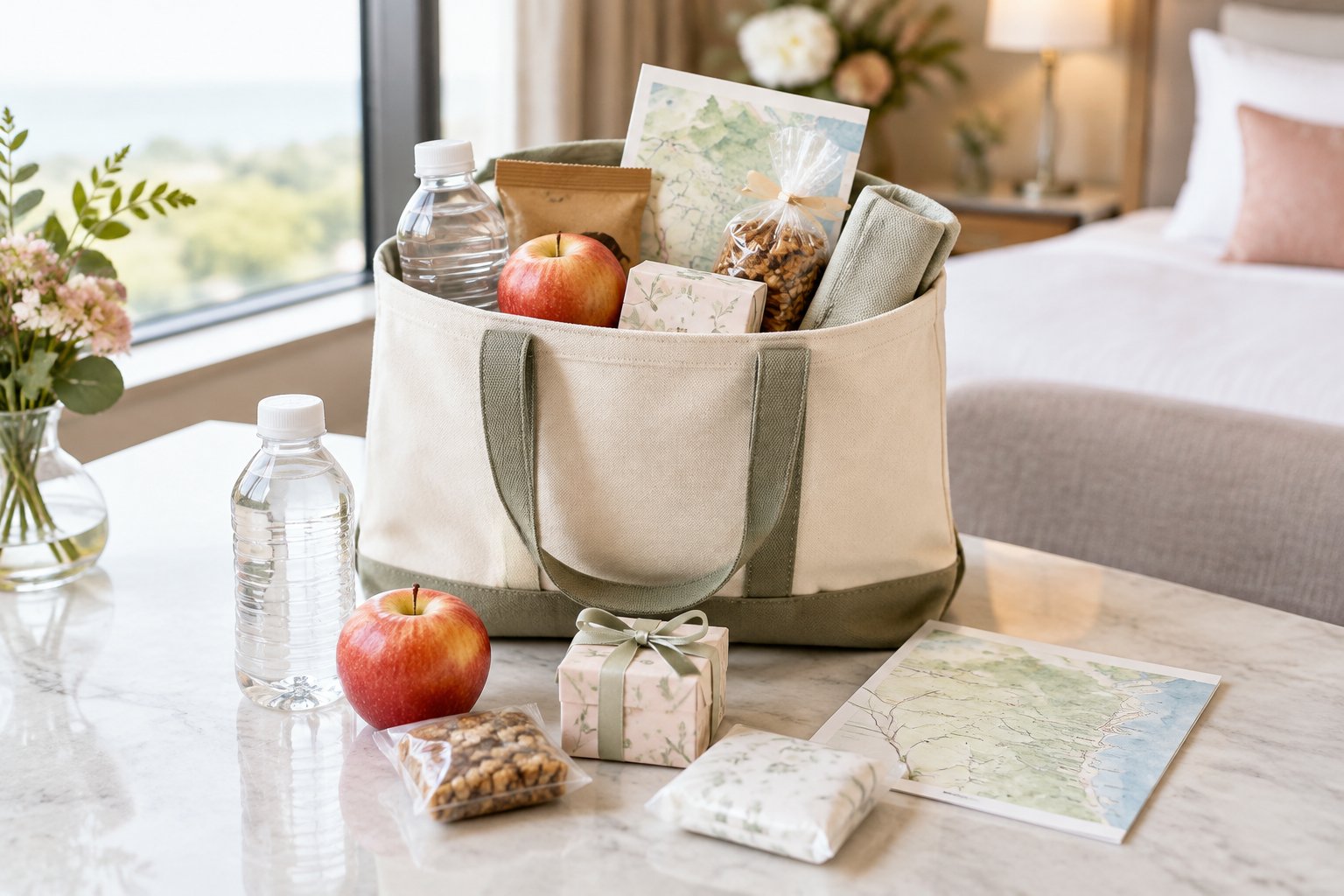
Fill each welcome bag with a short itinerary, drinking water, a few snacks, and one personal or local touch. A welcome note can tie everything together, while small practical items help guests get comfortable after traveling.
Which Essentials Help Guests Settle In?
Start with information and snacks guests can use as soon as they check in. Add a printed schedule with event times, addresses, shuttle details, and a contact number for urgent questions. A simple neighborhood map or a short list of nearby coffee shops can help guests find their way around.
Include bottled water and a mix of sweet and savory, individually wrapped snacks. Travel-sized toiletries, lip balm, mints, bandages, and a small packet of pain reliever can round out the basics. Choose sealed products with clear labels, and mark any snacks that contain common allergens. Keep the bag light enough for guests to carry to their rooms.
What Local Treats Add a Sense of Place?
Choose one or two items made in or associated with your wedding destination. Local honey jars, regional candy, a small bag of coffee from a neighborhood roaster, or a packaged bakery treat can introduce guests to the area. A brief tag naming the maker or town gives the item a little context.
For destination celebrations, guests may also appreciate a card with your favorite restaurants or a short local guide. If you are planning activities beyond the wedding day, recommendations can help guests make the most of their free time. A destination wedding guest activity plan can help you think through what visitors might enjoy between events.
How Are Welcome Bags Different From Wedding Favors?
Welcome bags greet guests when they arrive, while wedding favors are usually offered at the reception or as guests leave. A welcome bag can include practical travel comforts and event details; wedding favors are small gifts tied to the celebration.
You can use one item for both purposes if it makes sense, such as a reusable tote or a local treat. Keep the welcome bag focused on what guests need at the hotel, and save reception-specific gifts for the event.
How Can You Make the Bags Feel Personal?
A personal note and a few details linked to your wedding make welcome bags feel considered without adding much work. Use a consistent color or design, then choose contents that connect to your destination, season, or shared interests.
Which DIY Details Make the Biggest Impact?
Write a warm note thanking guests for making the trip. Add the weekend schedule, venue addresses, and shuttle information on the same card or a separate insert. A printed map with a few of your favorite nearby spots marked can be both useful and personal.
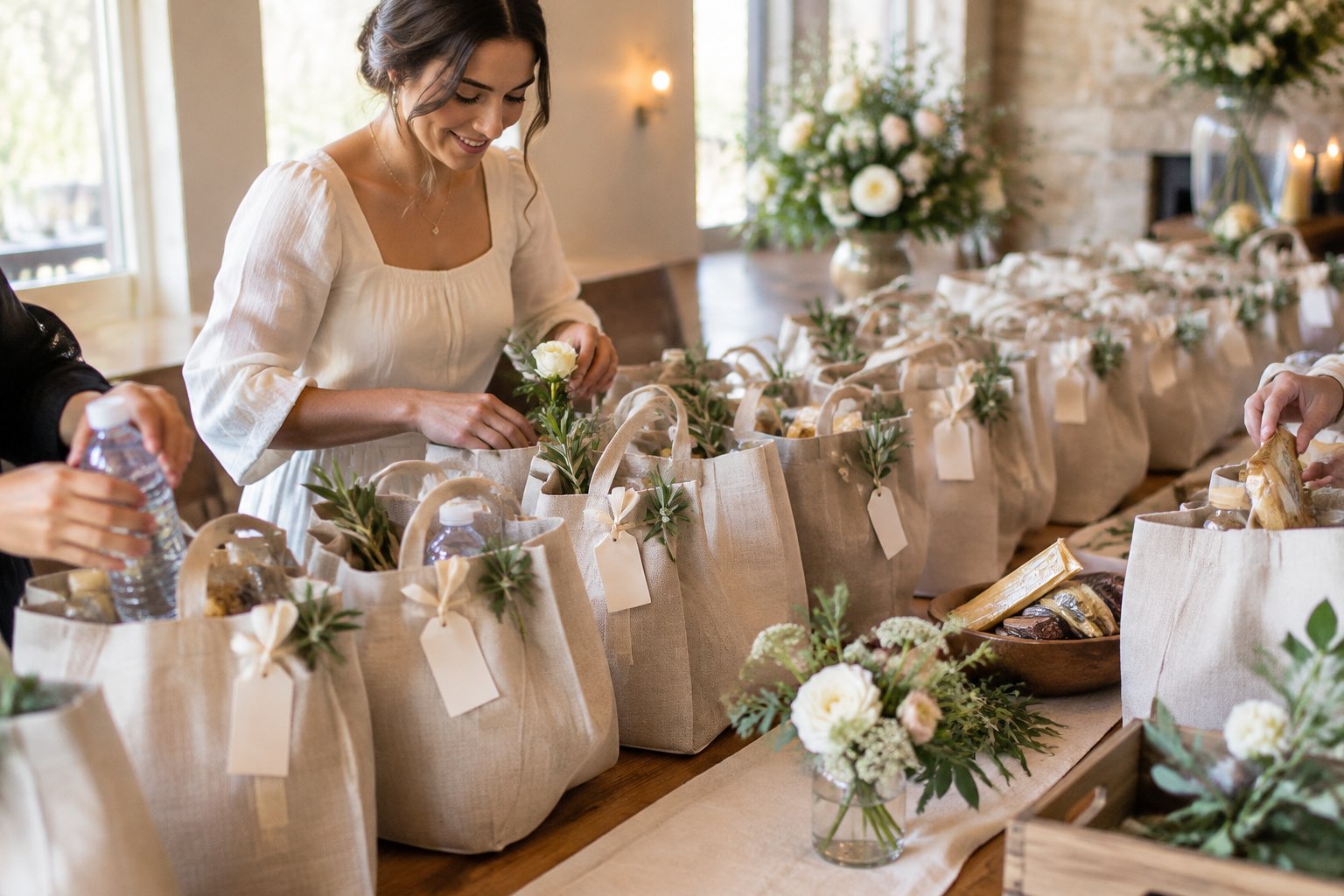
Small design touches help your diy wedding welcome bags look coordinated. Tie on a tag in your wedding colors, add a simple sticker, or choose tissue paper that matches your stationery. You can find more creative wedding welcome bag ideas if you want a theme that feels personal while staying practical.
How Can You Match Bags to the Destination or Season?
Let the location guide one useful item and one local treat. For a beach wedding, pack sunscreen or a fan; for a cool-weather weekend, add hand warmers or a soft wrap. A reusable tote works well for a weekend with outdoor activities, while a paper bag or compact box suits a lighter set of contents.
Choose snacks that travel well and hold up in the expected weather. Chocolate can soften in heat, and fresh food needs extra care with storage. For a destination celebration, use details that point to the place, such as a regional snack or a postcard with a short note about why you chose the location. You can also personalize a destination wedding through small touches that reflect local culture and your own connection to the area.
Are Seed Packets a Good Guest Gift?
Seed packets work well when they connect to your setting or wedding theme and guests have a place to plant them. Choose a variety suited to the local growing season, and add a small card with planting instructions.
For guests traveling across state or national borders, check applicable rules before including seeds. If many guests live in apartments or will fly home, a local snack or postcard may be easier to enjoy and pack.
What Will Wedding Welcome Bags Cost?
A DIY welcome bag with simple packaging and useful contents can cost about $10 to $25 per room. Your total depends on the container, the number of items, custom printing, and any hotel delivery fees.
How Much Does Each Bag Typically Cost?
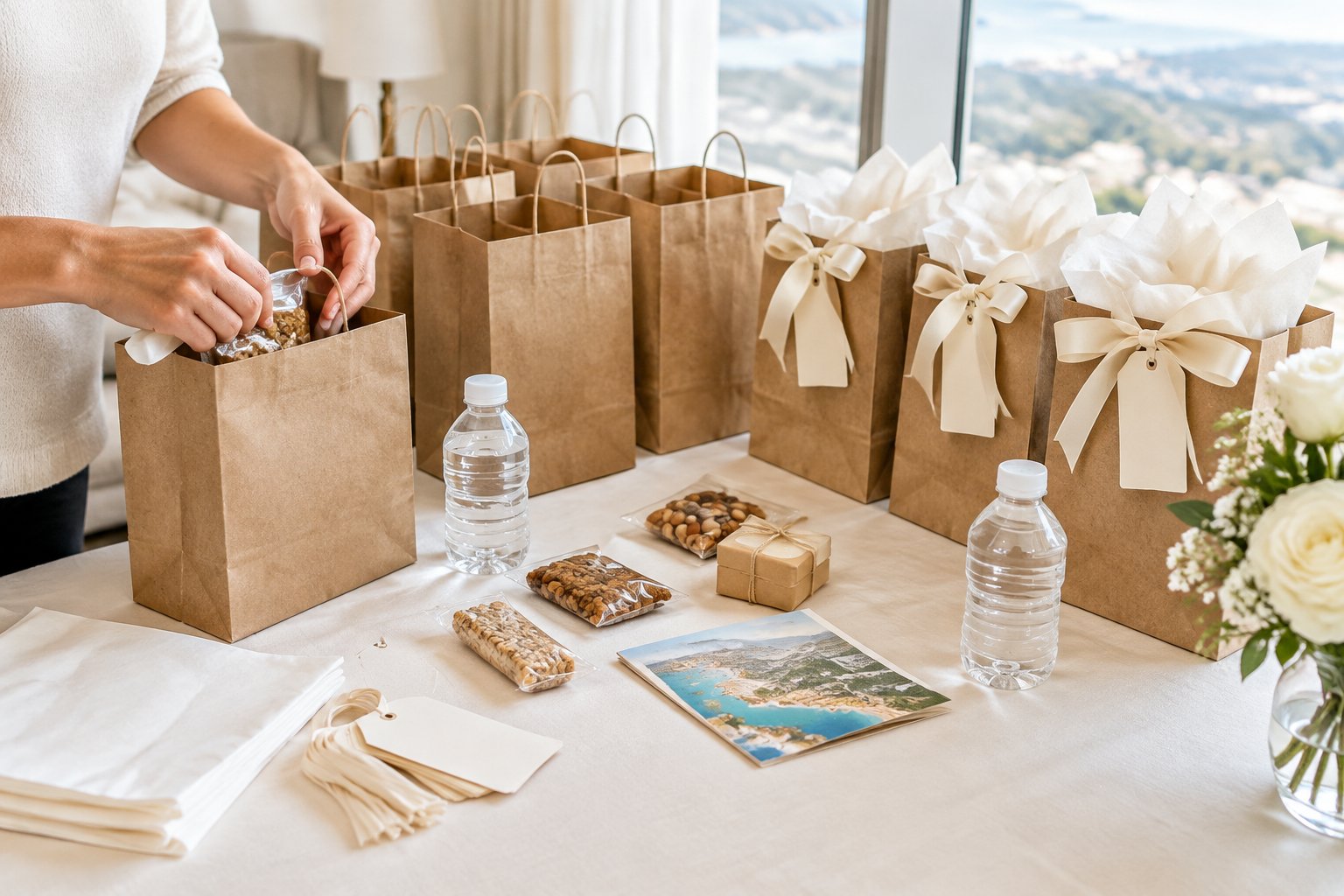
For a basic bag, budget for packaging, water, snacks, a printed note, and one local item. Buying food and other supplies in bulk can keep the per-room cost down. Custom totes, premium treats, and extra gifts raise the total, so set a budget before you shop.
| Bag style | Typical planning range | What affects the cost |
|---|---|---|
| Simple DIY | $10–$25 per room | Basic packaging, snacks, water, and a note |
| Personalized DIY | $20–$40+ per room | Custom packaging, local treats, or extra gifts |
| Ready-made or curated | $40–$60+ per room | Curation, packing, shipping, and contents |
These are planning estimates, and shipping or hotel handling can change your final cost. Ask the hotel about any distribution fee before you settle your budget.
How Can You Save Without Making Bags Feel Sparse?
Choose one solid container and focus on items guests will use or enjoy. Plain kraft bags, multipack snacks, a printed itinerary, and a single local treat can make a complete welcome without a long list of extras. A thoughtful note adds a personal touch at low cost.
Count by room instead of by guest, and ask your hotel block coordinator for an updated room estimate before ordering. If you want reusable packaging, pick a plain tote guests can use after the weekend. Set a per-bag limit and track purchases as you shop.
When Is a Ready-Made or Hybrid Option Worth It?
A ready-made option can suit you when your schedule is tight, your guest count is large, or you are planning from far away. Professionally packed gifts reduce the amount of sorting and assembly you handle, with a higher per-bag price and shipping costs to consider.
A hybrid approach gives you some control over the contents while trimming the hands-on work. You can order the packaging and printed notes, then add bulk snacks and a local treat yourself. Compare the price with the time you have available before choosing. If a DIY project is part of your plan, use a wedding DIY start date to leave enough room for ordering and assembly.
When Should You Shop and Assemble Everything?
Order shelf-stable supplies about four to six weeks before the wedding, then assemble the bags one to two weeks before guests arrive. This schedule gives you time to replace delayed items and keeps perishable treats fresh.
When Should You Order Supplies?
Start with packaging, printed cards, and any custom items, since those can take longer to arrive. Order shelf-stable snacks and practical supplies once your quantities are clear. Buy fresh or short-dated treats close to assembly day, and check expiration dates before packing.
Create a checklist with the item, quantity, order date, and delivery status. If you are still building your wedding timeline, a wedding planning schedule can help you place shopping and assembly alongside other tasks.
How Can an Assembly Line Save Time?
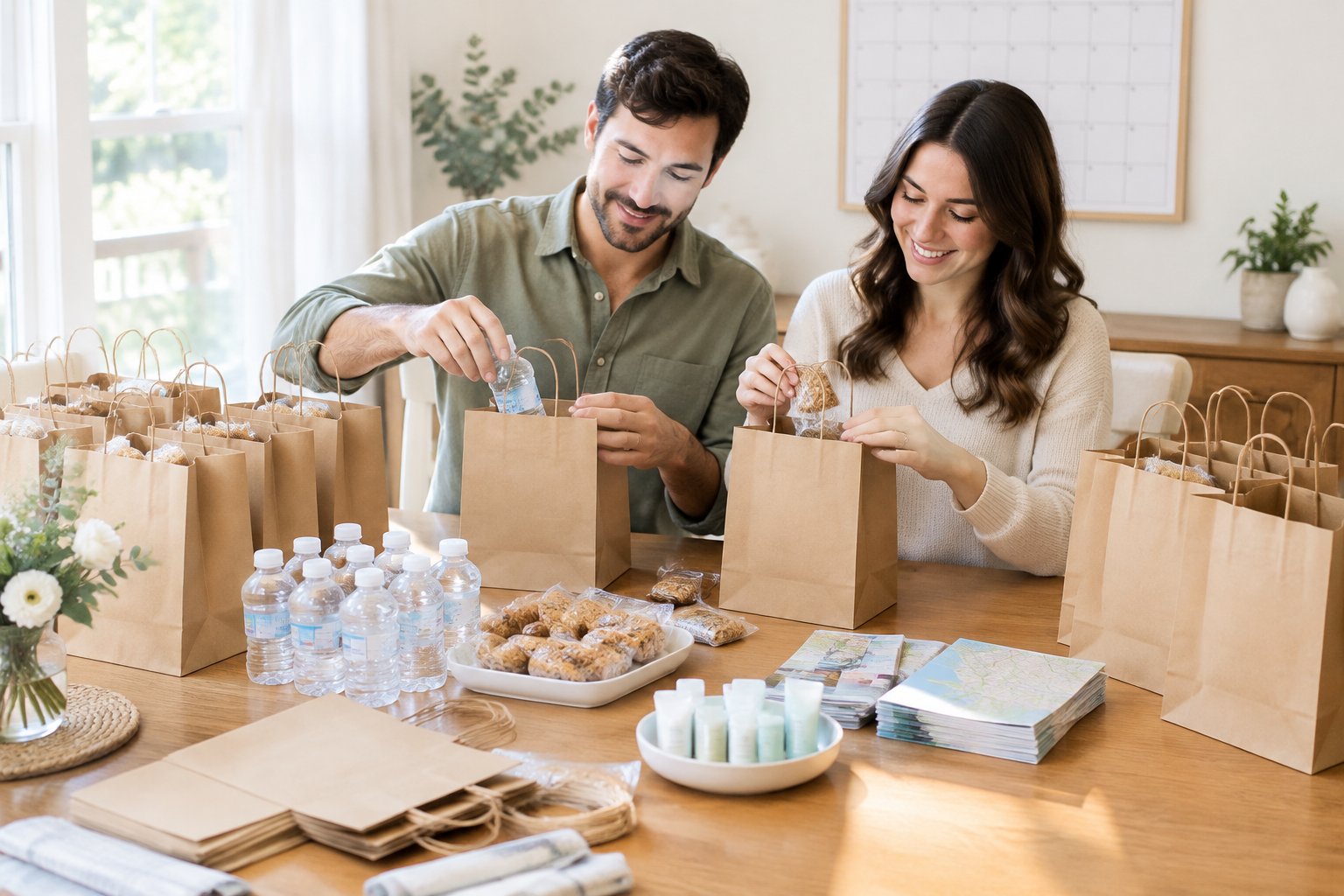
Set up a clear packing station and group each item into its own pile. Have one person add the note and itinerary, another place the snacks and drinks, and someone else check and close each bag. Keep one finished sample nearby so everyone follows the same order.
Count the supplies before you begin and leave space for a few extra items. Pack heavy items at the bottom, and place the note near the top where guests can find it easily. For a large batch, set aside a few hours and ask friends or family to help.
How Many Bags Should You Prepare?
Prepare one bag for each hotel room with guests in your room block. Use the hotel’s latest room count as your guide, then make a few extras for late bookings or unexpected changes.
Keep your extra bags with your designated hotel contact or event helper. If the hotel needs a guest list, share the version that matches the final bag count and ask how staff want names organized.
How Do You Deliver Bags at the Hotel?
Coordinate directly with the hotel’s group or events contact, then deliver the bags 24 to 48 hours before the first guests check in. Confirm the hotel’s rules, fees, and preferred handoff process before you pack everything.
What Should You Confirm With the Front Desk?
Ask whether the hotel can distribute bags at check-in or place them in guest rooms. Confirm any handling fee, delivery location, drop-off hours, and content restrictions. Some properties also need a guest list or room assignments to sort the bags.
Get the instructions in writing and share them with whoever will deliver the bags. Confirm how the hotel handles early arrivals, and ask whether staff can store bags that arrive before check-in begins.
When Should You Drop Off the Bags?
Plan the delivery for one to two days before the earliest guest arrival, following the hotel’s preferred schedule. This gives staff time to organize the bags and place them where they belong. If guests are arriving over several days, ask whether the hotel can hold bags for later check-ins.
Arrange a separate handoff for any guests arriving before the main group if the hotel cannot hold their bags. Build the drop-off time into your wedding schedule, and assign the task to someone who can answer questions from staff.
How Can You Avoid Delivery Mix-Ups?
Label the delivery boxes with your names, wedding date, bag count, and the hotel contact’s name. Give the hotel a clean guest list in the format it requests, and include room numbers only after the hotel confirms them.
Keep identical bags together when the front desk will hand them out at check-in. For personalized bags, use clear name tags and sort them according to the hotel’s instructions. Take a photo of the delivered boxes and ask your contact to confirm the count.