
How to Plan a Wedding with 20 Steps: Your Friendly Guide to the Big Day
Planning a wedding can feel overwhelming, but it doesn’t have to be. A simple 20-step wedding planning guide can help you break down the process into manageable tasks, making it easier and more enjoyable. From setting your budget to choosing a venue, each step is crucial in turning your dream day into a reality.
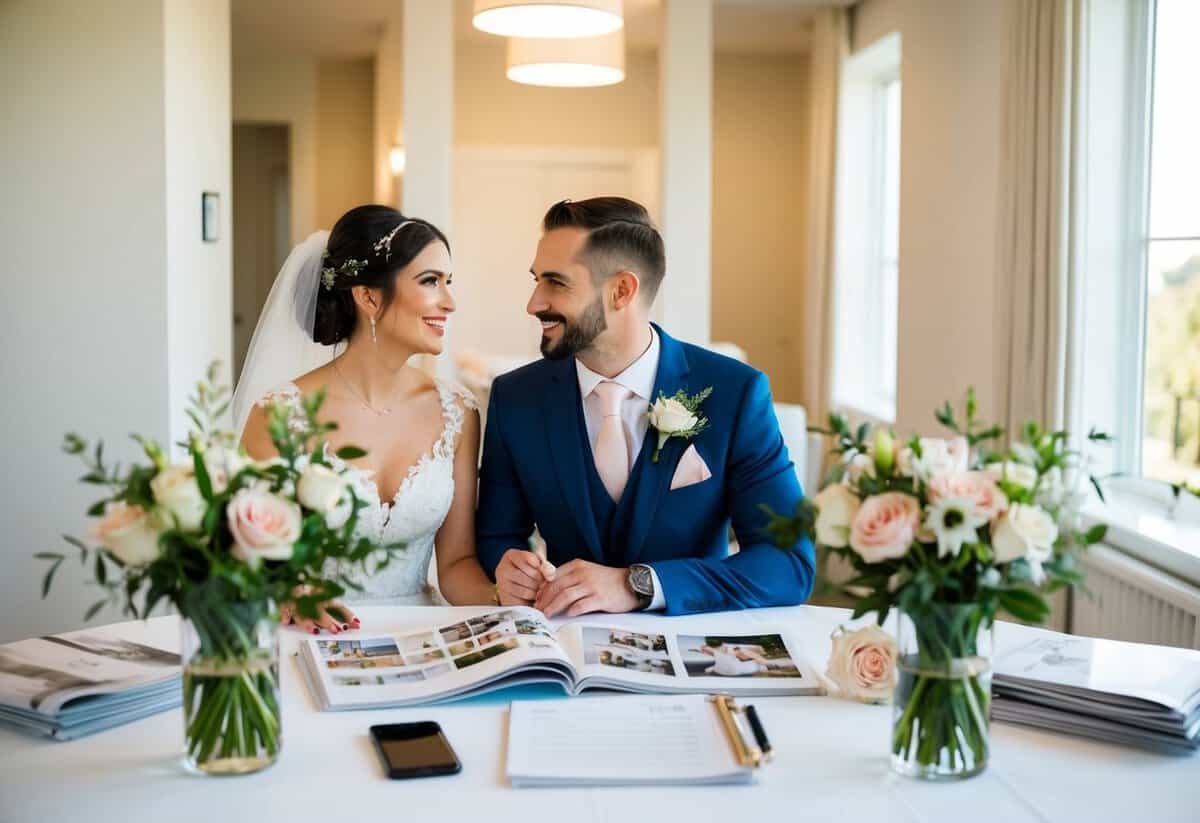
Many couples wonder, how long does it take to plan a wedding? The answer varies, but having a clear plan can speed up the process. As you work through these steps, you’ll find that taking it one day at a time helps keep stress at bay and excitement front and center.
Whether you’re just starting or have already begun the wedding planning process, this guide will provide you with valuable insights and tips. You’ll gain confidence in making decisions that fit your style and budget while ensuring your special day is unforgettable.
Setting the Foundations
Before diving into the details of your wedding plans, it’s important to establish a strong foundation. This involves key decisions like your budget, the date, your guest list, and the overall vision for your big day. These steps will guide you through the entire planning process and help you stay organized.
Establish Your Budget
Setting a budget is the first crucial step in planning your wedding. Begin by determining what you can realistically spend. Consider all potential expenses, including the venue, catering, photography, and decorations.
Budget Breakdown:
- Venue: 30% of your budget
- Catering: 25%
- Photography: 10%
- Attire and Rings: 10%
- Decor and Flowers: 10%
- Miscellaneous Costs: 15%
Be sure to include a cushion for unexpected costs. If possible, discuss contributions from family or friends who may want to help. Planning a wedding can be expensive, so knowing your limits early helps you make informed choices.
Choose a Date and Format
Select a date that works for you and your partner. Think about the time of year, weather, and day of the week. Certain seasons can affect costs and availability. For instance, late spring and summer are popular, but they may also be pricier.
Next, decide on the format of your wedding. Are you envisioning a large gathering or a more intimate wedding with close family and friends? Consider whether a traditional ceremony or a destination wedding suits your style. Each choice impacts your planning significantly, from the venue to the guest list.
Create Your Guest List
Making a guest list is a significant part of your planning process. Start by listing everyone you want to invite. It can help to categorize into groups: family, friends, and colleagues.
Here are some tips for your guest list:
- Prioritize: Note who is essential for your day.
- Be Realistic: Keep in mind your venue capacity and budget.
- Communicate: Discuss with your partner to ensure everyone is on the same page.
Your guest count affects many aspects, from food and seating to invitations and favors. Drafting a list early helps streamline your decisions on a venue and catering.
Decide on the Wedding Vision and Style
Think about the wedding vision you want to create. Do you prefer a specific wedding theme, such as rustic, elegant, or bohemian? Your vision sets the tone for all your planning.
Gather inspiration from various sources like wedding magazines and online platforms. Create a mood board to visualize your ideas. Consider aspects like color schemes, decorations, and attire that fit your theme.
This clarity will help in making cohesive choices, ensuring every element reflects your chosen style. Remember, your wedding should feel personal and resonate with both you and your partner.
The Nitty-Gritty Details
Planning a wedding involves paying attention to crucial elements. It’s not just about big ideas; the details make everything run smoothly. The main areas to focus on include booking your venue and vendors, securing your wedding attire and rings, and sending out invitations.
Booking the Venue and Vendors
Finding the perfect venue is essential. Start by creating a list of places you like and check their availability. Many venues book up quickly, so it’s smart to start early.
When booking vendors, think about your must-haves. You’ll need a caterer, photographer, and music. Make a wedding checklist to keep track of everything. Ask for recommendations and read reviews to find reliable options. Don’t forget to sign contracts to secure services and clarify all details with your vendors.
Wedding Attire and Rings
Choosing your wedding attire is a fun but important step. Begin by deciding on a style that fits your theme. Make appointments at local bridal shops to try on different wedding dresses. Bring along a trusted friend for opinions!
For rings, consider what metal and style suit you both. Visit jewelers to explore different options and remember to factor in resizing needs. Both your dress and rings are major purchases, so take your time to ensure you love them.
Sending Invitations
Once you have your date and venue set, it’s time to send out invites. Start with save-the-dates to notify guests early. These give them a heads up on your wedding date.
When it’s closer to the wedding, send out formal wedding invitations. Make sure to include essential details like the venue, time, and dress code. Consider using online tools or services to create and send invitations easily. Double-check the guest list and ensure all addresses are correct to avoid any last-minute confusion.
Final Preparations
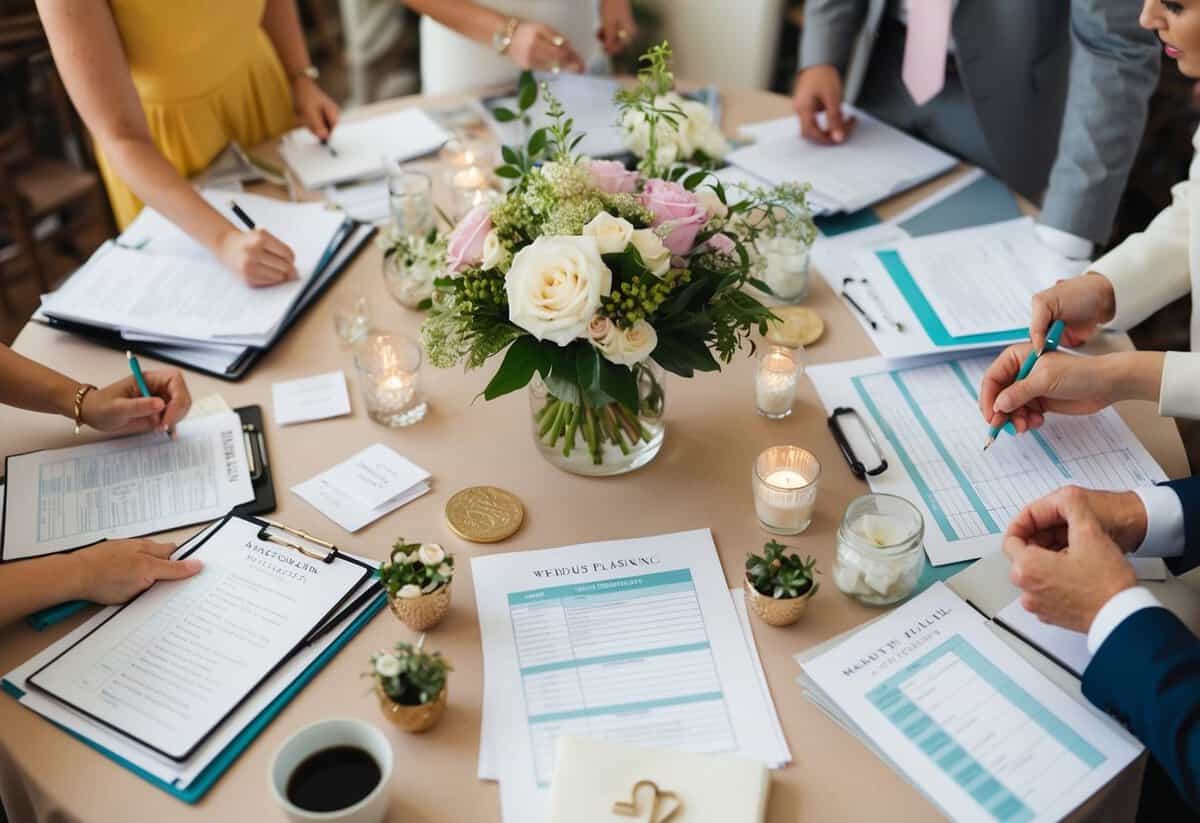
As you approach your wedding day, it’s time to focus on the details that will make everything run smoothly. Making arrangements for logistics, planning the ceremony and reception, and obtaining your marriage license are key steps to ensure a successful event.
Logistics and Accommodations
Start by organizing transportation for you and your wedding party. Confirm pick-up times for the day. Consider using a shuttle service or rental cars for guests if needed.
Next, arrange accommodations for out-of-town guests. Look into hotel room blocks to offer group rates. Talk to hotels about availability and amenities, as well as any wedding packages they might have.
Don’t forget to create a detailed wedding day schedule. Share it with your wedding party, vendors, and officiant. This will keep everyone informed and on track during the big day.
Planning the Ceremony and Reception
Your wedding ceremony sets the tone for the day. Discuss your plans with your officiant to ensure everything is in place. Decide on music, readings, and any special rituals you want to include.
For the reception, finalize your wedding menu with the caterer. You might want to have a tasting to ensure everything meets your taste. Also, consider dietary restrictions for your guests.
A well-thought-out seating arrangement can make a big difference in comfort and enjoyment. Assign seats to help avoid any confusion. Have a seating chart ready at the entrance to guide your guests.
Obtain the Marriage License
Ensure you have your marriage license before the wedding day. Check the requirements in your state, as they can vary. Most places require both partners to be present, along with identification.
This process often involves paperwork and sometimes a waiting period. Make sure to complete this step well in advance. After obtaining your license, remember to give it to your officiant before the ceremony.
Your Personal Touch
Adding personal touches to your wedding makes it unique and special. It reflects your personality and interests. Here are three important ways to infuse your style into the planning process.
Creating a Wedding Website
A wedding website is a fantastic way to share details with your guests. You can include important information like the date, location, and schedule of events.
Make it personal by adding photos of you and your partner, your love story, and even a section for FAQs. This helps guests feel more connected. Use platforms like Wix or The Knot that offer easy templates for creating beautiful websites. Don’t forget to include links to your wedding registry to guide guests in gift-giving.
Setting up the Wedding Registry
A wedding registry is a great way to let your guests know what you need and want. Think about items that reflect your lifestyle.
Include a mix of practical items, like kitchen appliances, and fun choices, like experiences or date nights. Websites such as Zola allow you to combine multiple registries in one place. This makes it easier for your guests to find gifts that match your taste. Share your registry link on your wedding website for easy access.
Planning Pre-Wedding Events
Pre-wedding events, like a bridal shower or bachelor/bachelorette party, can be customized to fit your style. These gatherings are a chance to celebrate with family and friends in a fun way.
You can choose themes, venues, and activities that represent you and your partner. For instance, you can consider a cozy brunch, an adventure trip, or a themed party. Each event adds to the excitement leading up to your big day.
Always remember to communicate with your friends and family when planning these events. Their input can help make each occasion even more memorable.