
How to Plan a Wedding with 20 Steps: A Friendly Guide for Your Big Day!
Planning your wedding can feel overwhelming, but it doesn’t have to be. Following 20 simple steps can guide you through the wedding planning process, making it easier and more enjoyable. This journey is not just about the big day; it’s about creating moments that you’ll cherish forever.
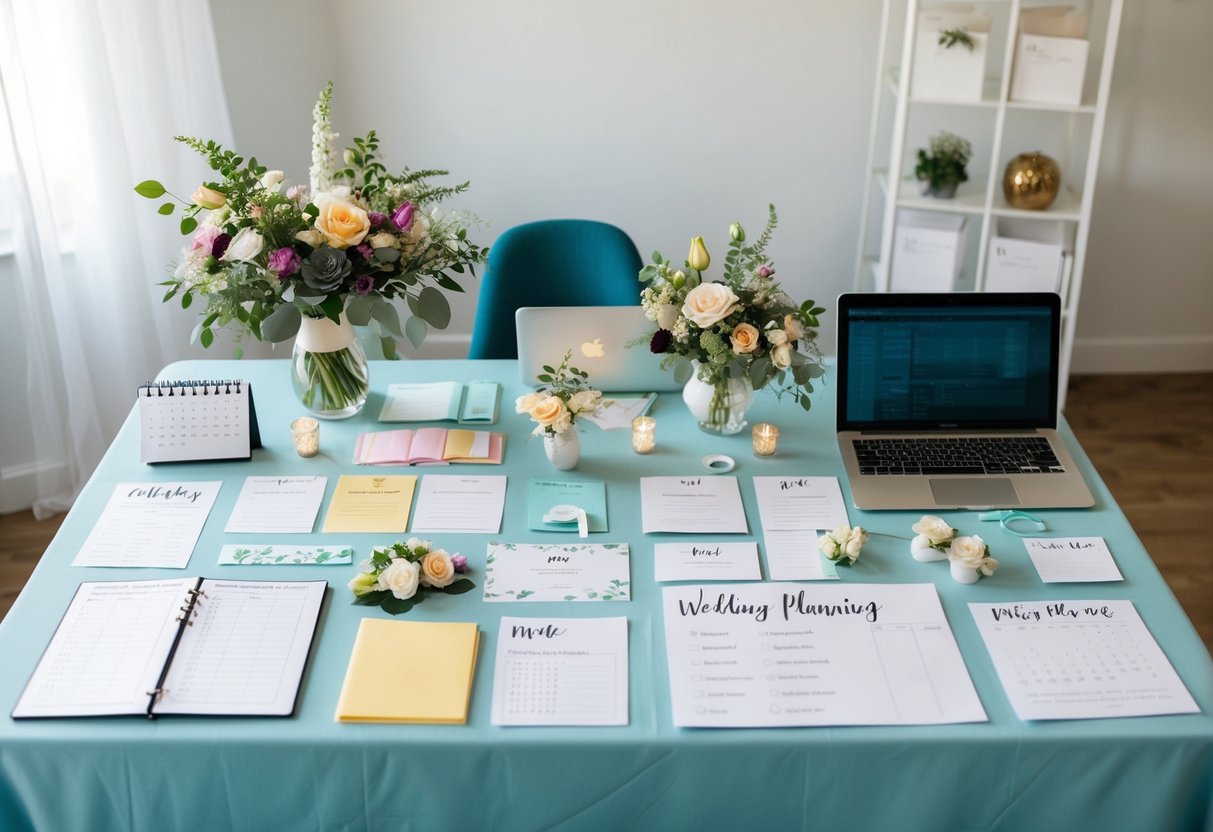
You might wonder how long it takes to plan a wedding. While timelines vary, having a clear plan helps you stay organized and reduces stress.
By breaking down the planning into manageable steps, you’ll find that the process becomes smoother and more fun.
Get ready to explore these 20 actionable steps that will help you turn your dream wedding into reality. From setting a budget to crafting your guest list, each step is designed to keep you on track and excited about your special day.
Setting the Foundation

Starting your wedding planning journey requires clarity on several core elements. Establishing your vision, setting a solid budget, and creating a timeline will provide you with the structure needed for a smooth planning process.
Vision and Priorities
Your wedding vision is the heart of your planning. Think about what style and theme resonate with you. Do you prefer a rustic barn, an elegant ballroom, or perhaps an intimate beach ceremony?
Make a list of your top priorities. This could include the guest list size, the type of ceremony, and the atmosphere you want to create. Consider elements like color schemes and the overall vibe.
Some questions to ask yourself include:
- What is the most important aspect of your wedding?
- What memories do you want to create with your guests?
Finding your focus now will guide your decisions later.
Budgeting
Establishing a budget is one of the first and most crucial steps in wedding planning. Start by determining how much you can spend overall.
List out your main expenses, such as the venue, catering, and photography. Prioritize these categories and assign a percentage of your budget to each based on importance. You might find a simple table helpful:
| Expense Category | Percentage of Budget |
|---|---|
| Venue | 30% |
| Catering | 25% |
| Photography | 15% |
| Miscellaneous | 30% |
Be realistic about what you can afford. Research average costs in your area to help gauge what to expect.
The Wedding Timeline
Creating a wedding planning timeline is essential to stay organized. Start with your wedding date and work backward.
You might want to create a checklist that breaks down tasks by month. For example:
- 12 months out: Set your budget, pick a venue, and decide on your wedding style.
- 6 months out: Finalize your guest list, book vendors, and send save-the-dates.
- 1 month out: Confirm details with vendors, finalize seating arrangements, and enjoy some time with family and friends.
A well-structured timeline helps ensure you don’t miss important elements as your big day approaches.
Key Milestones

When planning your wedding, certain key milestones will guide you through the process. These steps help to organize your tasks and keep everything on track for your big day. Here are the essential milestones you should focus on.
Setting the Date
Choosing a wedding date is one of the first and most important steps you’ll take. Think about the season and what suits your style. Do you prefer a springtime garden or a winter wonderland?
Consider significant dates, such as anniversaries or holidays, that hold meaning for you and your partner. Once you have a date in mind, make sure to check with your loved ones for availability. This is especially important if you have a destination wedding.
After you set the date, you can begin sending out save the dates to let your guests know when to mark their calendars.
Selecting the Venue
Choosing the right venue shapes the tone of your celebration. Start with a list of potential wedding venues that fit your style and budget. Popular options include banquet halls, outdoor spaces, or even historic sites.
Once you narrow down your choices, book site visits to see each location in person. Pay attention to the venue’s capacity, amenities, and flexibility on your chosen date. If you’re planning a destination wedding, research accommodations for your guests as well.
Don’t forget to ask about inclusions, like tables and chairs, as these can impact your overall budget. Finally, secure your venue by signing a contract and paying any necessary deposits.
Hiring Vendors
Getting the right vendors is key to making your wedding day run smoothly. Start by identifying what services you need, such as photographers, caterers, florists, and entertainment.
Seek recommendations from friends or browse online reviews.
Once you find a vendor, schedule interviews to discuss your vision. Make sure to ask for their portfolios and pricing.
When hiring vendors, consider working with a wedding planner or coordinator. They can help streamline the process and manage communication with your vendors. Once you feel confident in your choices, make it official with contracts and deposits.
Personal Touches

Adding personal touches to your wedding makes the day uniquely yours. This could be reflected in your wardrobe and the rings you choose to symbolize your love.
The Wardrobe
Your wedding attire reflects your style and story. Start by selecting a wedding dress that feels comfortable and beautiful. Whether you prefer a classic gown or a modern design, choose one that resonates with your personality.
Don’t forget about accessories. Incorporate items that have sentimental value, like a family heirloom or a piece that connects you to your history.
For the groom, customizing the suit with unique fabrics or colors can add character.
It’s also a great idea to consider outfits for your wedding party. Coordinating colors or themes can enhance the overall look. Personalizing their attire, such as monogrammed cufflinks or unique ties, can help make them feel special too.
The Rings
Wedding rings are symbols of love and commitment. When selecting rings, consider designs that reflect both your personalities. Whether you want classic bands or something more intricate, make sure they feel right for you.
Think about adding personal engravings. This could be a special date, initials, or even a short phrase that has meaning to you both. It’s a small detail that adds a thoughtful touch.
Also, consider the materials of the rings. You might choose recycled metals or ethically sourced stones to make a statement about your values. By making these choices, your rings become a true reflection of your journey together, connecting your past and future.
The Big Day Details

Planning the details for your wedding day is crucial. From the ceremony to the reception, every element plays a role in making your celebration memorable for you and your guests. Here’s what to focus on.
The Ceremony
Your wedding ceremony is the heart of the day. Start with securing your marriage license well ahead of time to avoid any last-minute stress.
Choose an officiant who understands your vision and can personalize the experience for you.
Consider the layout of the space for your guests. Will you have a wedding party standing beside you? Create a wedding timeline for the ceremony to ensure everything flows smoothly.
Don’t forget to send out wedding invitations well in advance, providing guests with all the necessary details, including your wedding website for easy access to information.
Personal touches can make the ceremony feel special, so think about including vows, readings, or music that reflects your relationship.
The Reception
The reception celebrates your marriage with friends and family. Plan your wedding menu carefully to cater to different tastes, including options for those with dietary restrictions.
When arranging the seating, make a list to ensure guests are placed comfortably. Consider a mix of tables and lounge areas for a relaxed vibe.
Providing a hotel room block for out-of-town guests can simplify their experience.
Fun is key at the reception, so think about entertainment options like a DJ or live band. Don’t forget the wedding registry for gifts—make it easy for guests to choose something special for you. Engaging activities, like a photo booth, can keep the atmosphere lively.
Guest Experience
Your guests’ experience starts before they arrive. Make sure you clearly communicate your transportation arrangements. Whether you’re organizing shuttles or providing parking instructions, keep it simple.
Pre-wedding events like the rehearsal dinner can set the tone for the weekend. This is a great time to bond with your wedding party and thank them for their support.
Throughout the day, consider small details that enhance comfort. For example, prepare a basket with items such as blankets for outdoor events or water bottles for hot days. Offering a wedding website helps guests stay informed and connected. Their enjoyment of the day enhances your own celebration, creating a joyful atmosphere for everyone.