
How to Seat Couples at a Wedding: Tips for a Harmonious Reception
Seating couples at a wedding can seem tricky, but it doesn’t have to be. To create a smooth and enjoyable atmosphere, you should group couples together while considering their relationships and social dynamics. A well-planned seating chart makes it easier for everyone to connect and feel comfortable during the celebration.
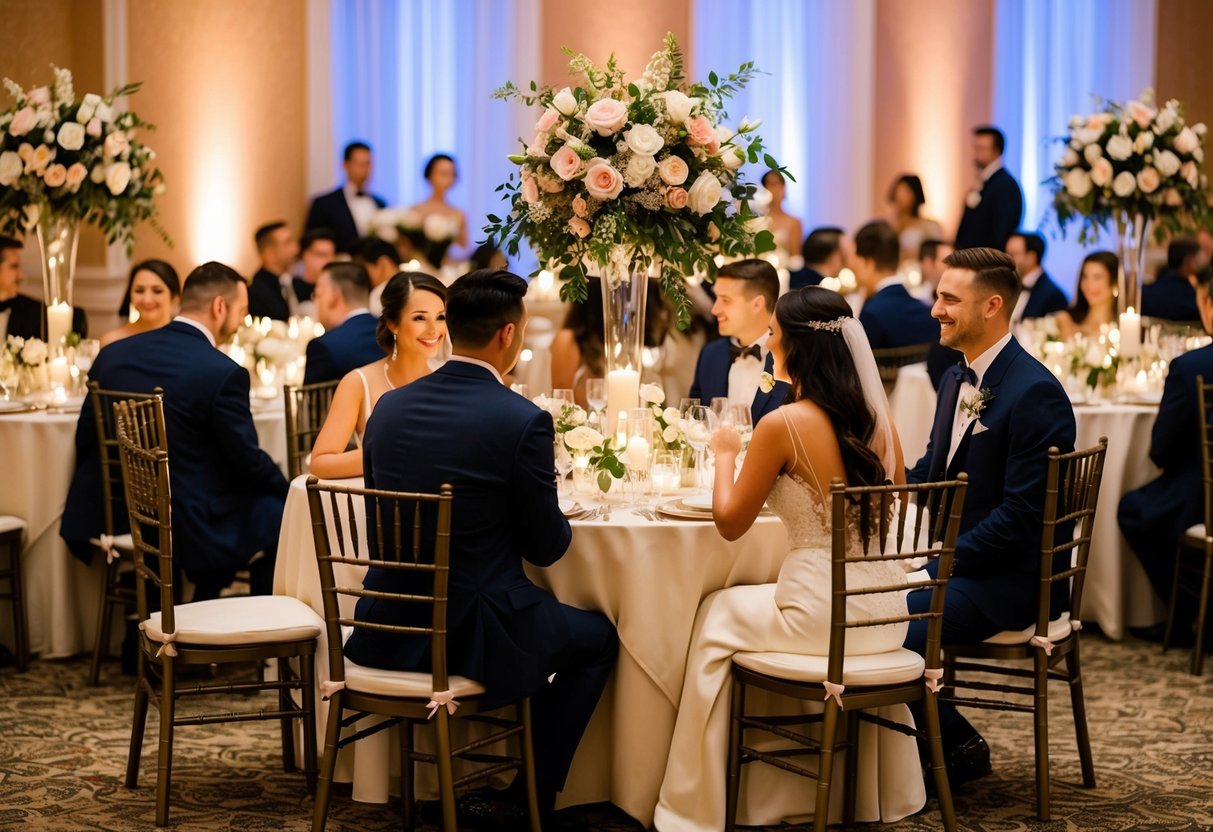
Start by looking at your guest list and identifying who is in a relationship. As you work with your wedding planner, think about how to arrange the seating chart to promote interaction among guests.
Consider placing close friends or family members near each couple to encourage conversation and fun.
Remember that creating balance is key. Place couples at tables that match the vibe you’re trying to create—whether that’s lively and engaging or more intimate. This thoughtful approach will help ensure that everyone enjoys the event and feels included in the celebration.
Designing Your Seating Chart
Creating a seating chart for your wedding involves careful planning. You will need to think about table shapes and sizes, decide on a head table or sweetheart table arrangement, and consider using a digital seating chart for better organization.
Each of these elements plays a vital role in ensuring your reception is smooth and enjoyable.
Choosing the Right Table Shapes and Sizes
Start by assessing your venue’s floor plan. The shape of your tables can influence the atmosphere. Round tables work well for conversation, while rectangular tables can create a more formal setting.
For seating arrangements, consider how many guests you want at each table. A standard round table seats 8-10 people, while rectangular tables can fit 6-8 on each side. Make sure the tables allow for paths and space for servers to move around easily.
Think about the overall look you want for your reception. Long banquet tables can create a communal feel, while small round tables might be cozier. Mixing table sizes and shapes can add visual interest to your setup.
The Head Table and Sweetheart Table Options
Deciding on a head table or sweetheart table is essential for your wedding’s layout. The head table allows you to sit with your bridal party. This option can create a lively and inclusive environment, as everyone can interact.
On the other hand, a sweetheart table is just for you and your partner. It offers a more intimate setting.
Choose a location for these tables that is visible to guests, allowing for easy interaction during toasts and speeches.
When arranging these tables, ensure they are elevated if possible. This positioning lets guests see you clearly. Use decorations like flowers or candles to enhance the look of your table while still making it personal and cozy.
Incorporating a Digital Seating Chart
Using a digital seating chart can simplify your planning process. Digital tools enable you to create an organized layout that adjusts easily. This way, you can ensure everyone knows where to sit without confusion.
You can create a visual representation of your tables and placements. Many platforms allow you to add names directly to the seating chart, making changes straightforward as your guest list evolves.
Sharing the digital chart with guests via email or a wedding website keeps them informed. It also reduces the need for printed materials, making it eco-friendly. Just remember to make it user-friendly and visually appealing to ensure a great experience for everyone involved.
Seating Etiquette and Arrangements
When planning your wedding seating, it’s important to consider family dynamics and any special needs. Thoughtful arrangements will ensure that your guests feel comfortable and enjoy the celebration. Here are some key points about navigating these aspects.
Navigating Family Dynamics and Special Needs
Managing family relationships can be tricky. You might have to think about past conflicts or current tensions. To minimize family drama, try to seat relatives with similar interests together. For instance, place your enthusiastic aunt with those who share her hobbies.
Also, consider special needs. If you have guests who may require extra assistance, like elderly relatives or those with mobility issues, ensure they have easy access to their seats. Being aware of dietary restrictions is also essential. Assign seating to accommodate everyone’s needs effectively.
Assigning Guests to Tables
When creating a seating chart, start with close family members and your wedding party. They typically need to be near you.
Next, group friends and other loved ones who enjoy each other’s company.
Use a mix of tables to create a lively atmosphere. Round tables can encourage conversation, while rectangular ones can work well for larger groups. You can also label tables with creative names or numbers for fun.
Keep in mind any seating etiquette rules, like avoiding seating ex-partners near each other. It’s better to plan ahead and minimize any awkward moments during the event.
Placement of Singles and Kids’ Tables
Many weddings feature a singles table to help guests who may not know anyone else. Make sure to place lively individuals there to encourage conversation. This creates a relaxed environment where they can connect.
For children, a kids’ table is a great idea. You can keep it fun by including activities or coloring supplies. Always place adults nearby to supervise. Make sure your seating arrangement offers a good view of the festivities while keeping kids entertained.
Finalizing and Displaying Your Seating Plan
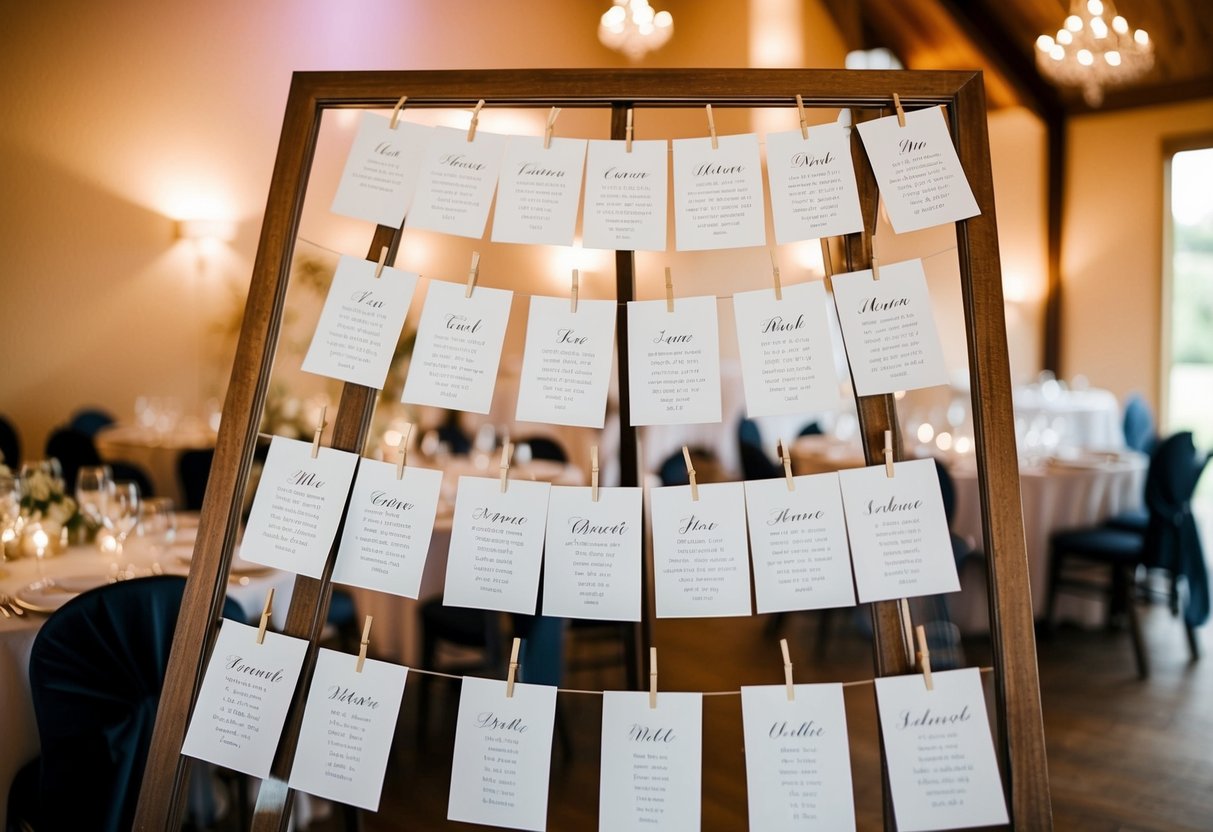
After you have created and finalized your seating arrangement, it’s important to manage RSVPs, assign tables effectively, and set up an organized display for guests. A well-planned seating chart can enhance your guests’ experience, making it easier for everyone to enjoy your special day.
Managing RSVPs and Last-minute Changes
Keeping track of RSVPs is crucial for a smooth seating plan. As guests respond, update your list regularly.
Use a simple spreadsheet to monitor who is coming, and note any changes such as plus-ones or cancellations.
Plan for potential last-minute changes. Someone might have to drop out, or a new guest might be added. Create a flexible seating chart that allows for adjustments, so you can quickly rearrange if needed.
Be proactive. Don’t wait until the last minute to finalize your list. Aim to have it set at least a week before the wedding. This gives you time to handle any unexpected changes without stress.
Creating Effective Table Assignments
When assigning guests to tables, think about both relationships and comfort. Group guests by familiarity and interests. This encourages enjoyable conversations and helps everyone feel at ease.
Consider special needs, too. If a guest requires accessibility, ensure their table is appropriately located. Also, designate tables for family groups or friends who may want to sit together.
Use a clear table layout to visualize where each person will sit. This makes it easier to finalize your assignments. Remember to keep couples seated together, unless there’s a specific reason not to.
Setting Up Escort Cards and Place Cards
Escort cards help guide guests to their assigned tables. You can create a stylish board that shows the seating chart with table numbers clearly listed.
Consider using place cards for individual seating at each table. This provides an extra layer of organization and lets guests know exactly where to sit.
Make sure your display is easy to read and matches your wedding theme. Use bold text for table numbers and provide a simple layout.
Guests should be able to find their places quickly, avoiding confusion during the reception.