
How Traditionally Pays for a Wedding? Exploring the Time-Honored Customs and Expectations
When preparing for your big day, one of the first questions you might face is who traditionally pays for a wedding. The bride’s family traditionally covers most wedding expenses. These can include everything from the venue to the floral arrangements. However, times have changed, and many modern couples are taking on a larger share of costs themselves.
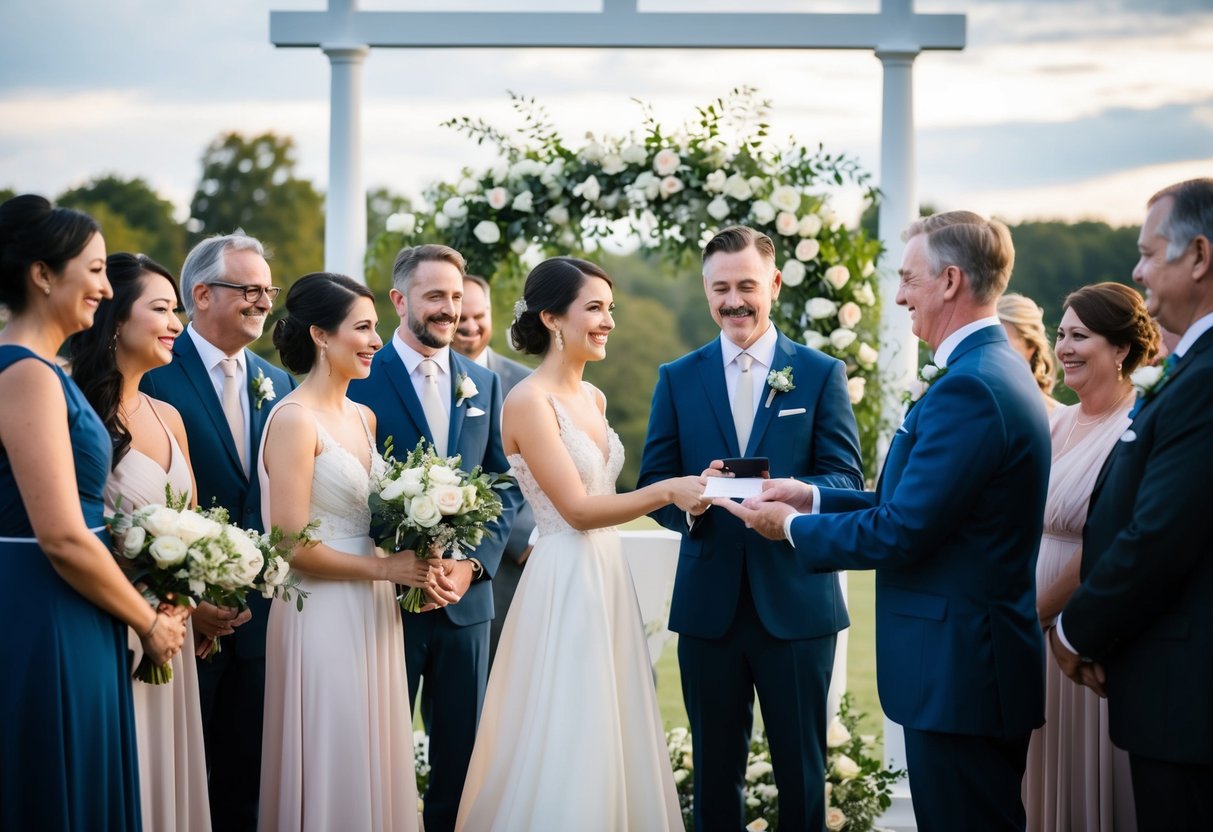
Understanding these financial contributions can be key to successful wedding planning. It’s important to have budget conversations early on to ensure everyone is on the same page. You might find that discussing the average cost of a wedding helps clarify expectations and responsibilities among family members and friends.
As you navigate this process, remember that there’s no one-size-fits-all answer. Families often adapt these traditions based on their unique situations and preferences. Whether you’re following traditional guidelines or creating your own plan, clear communication will help you manage your wedding budget more effectively.
Understanding Wedding Financial Traditions
Weddings come with various financial traditions that can affect how you plan your big day. Knowing these customs can help you avoid common mistakes and make informed decisions about who pays for what.
Historical Perspective on Wedding Payments
Traditionally, the bride’s family covered most of the wedding expenses. This included the venue, catering, and decorations. The groom’s family often took care of specific costs, like the rehearsal dinner and flowers for the bridal party.
These roles were influenced by social norms and cultural expectations. For instance, in many cultures, the bride’s family viewed the wedding as a significant event that also celebrated family honor. This financial structure helped to reduce stress for couples by following a clear guideline.
It’s important to review these customs carefully to understand your own family’s views on financial responsibilities. You can benefit from open discussions with both families about who pays for the wedding.
Modern Practices and Variations
Today, wedding payment traditions are evolving. Many couples choose to share costs between both families or even cover expenses on their own. This modern practice allows for more flexibility and creativity in planning.
In multicultural families, blending traditions can create unique financial arrangements. For example, one family might pay for the reception while the other handles the ceremony. Couples often find it helpful to sit down with loved ones to outline all expected costs.
A common mistake couples make is assuming that traditions are set in stone. Each wedding is different, and you have the freedom to choose a financial plan that works for you. Be clear about your budget and don’t be afraid to ask for help when needed.
Breaking Down the Wedding Budget
When planning your wedding, understanding how to allocate funds is key to ensuring a smooth process. Knowing who typically pays for what can also help you manage expectations. Here’s a closer look at major contributors to wedding costs and how you can set a realistic budget.
Major Contributors to Wedding Costs
Several main expenses make up the bulk of your wedding budget. These typically include:
- Venue Costs: This can take up a large portion of your budget. Whether it’s a local hall or an outdoor space, venue fees may include rentals and deposits.
- Catering: Food and drink for your guests can also add significant costs. Consider different catering options like buffets or plated meals to fit your budget.
- Wedding Gown and Attire: Your wedding dress might be a highlight for you but can also vary widely in price. Don’t forget about the groom’s attire and any additional accessories.
- Photography and Videography: Capturing your big day is crucial. Research different professionals to find one that fits your style and budget.
- Reception Expenses: This covers decorations, music, and any rentals for tables and chairs. Make sure to set aside enough for DJ services or a live band.
Allocating Funds Across Wedding Elements
Start by listing the essential elements for your wedding. This helps you allocate your funds effectively. Here’s a suggested breakdown:
- Venue (30%): Focus on reserving a place that fits your vision and size of your guest list.
- Catering (25%): Good food and drink can create a memorable experience for your guests.
- Attire (10%): This includes your wedding gown, suit, and any alterations.
- Photography and Videography (15%): Quality photos are worth the investment for lasting memories.
- Reception (20%): Use this for elements that will enhance your celebration.
Make sure to adjust percentages based on your personal priorities.
Setting a Budget
Creating a budget is a necessary first step. Begin by deciding how much you can realistically afford without overspending.
- Discuss with Family: Talk about contributions from family members, if any, which can provide a good foundation.
- List All Expenses: Write down potential costs for each element. Take time to research prices to ensure accuracy.
- Include a Buffer: It’s smart to add an extra 10-15% for unexpected expenses. Weddings can come with surprises.
Once you have a budget, stick to it! Revisit it as you make decisions to keep everything in check.
Who Pays for What: Traditional and Modern Etiquette
When planning your wedding, it’s important to understand who traditionally covers the various expenses. This can vary greatly from traditional roles to modern customs, making it essential to know what to expect.
Ceremony and Reception Costs
Traditionally, the bride’s family handles most of the costs related to the ceremony and reception. This includes the venue, catering, decorations, and entertainment. The reception often involves a significant financial investment, which can cover everything from food and drinks to the wedding cake.
In modern times, couples may choose to share these costs or split them between both families. You might also find that some couples prefer to pay for everything together, allowing for more control over the budget and choices.
Attire, Rings, and Personal Items
Wedding attire plays a big role in your special day. Traditionally, the bride’s family pays for the bride’s wedding dress and accessories. These can include shoes, jewelry, and even hair and makeup. Groom’s attire, including the suit or tuxedo, is often covered by the groom or his family.
Engagement rings are typically bought by the groom, though these days, couples may shop for rings together. Wedding bands usually come out of the couple’s budget. It’s important to have open discussions about costs here to avoid misunderstandings.
Pre-Wedding Events and Additional Costs
Pre-wedding events like the engagement party, bridal shower, or rehearsal dinner have specific traditions as well. Often, the groom’s family hosts the rehearsal dinner, while the bride’s family may organize the engagement party.
Bachelor and bachelorette parties may be funded by friends or the wedding party. You can also split these expenses among participants. Be clear about who is paying for what to keep costs under control and to make the planning smoother.
Planning for the Big Day: Collaboration and Communication

Planning your wedding can be exciting, but you need to communicate with everyone involved. First, decide who is paying for what. This will help set your budget and reduce stress.
Consider hiring a wedding planner to help make decisions smoother. They can guide you through choices like reception music, photography, and videography.
Make a list of all costs, such as:
- Engagement parties
- Rehearsal dinner costs
- Wedding cake
- Wedding gifts
- Honeymoon expenses (like who pays for the honeymoon)
Having a clear outline helps you track spending and ensure no one feels overwhelmed.
Talk with family and friends who wish to contribute. Open discussion about contributions encourages teamwork and excitement.
Don’t forget to ask about preferences. For instance, you might want to know what type of music people enjoy for the reception.
For memories that last a lifetime, consider hiring a good photographer and videographer. These choices can affect your budget but are worth it when you reflect back on your big day.
Collaboration makes planning more fun and satisfying. With clear communication, you can enjoy the process and make it memorable for everyone involved.