
In What Order Should Bridesmaids Walk Down the Aisle in the UK? A Simple Guide for Your Wedding Day
As you plan your wedding ceremony, you might be wondering about the proper order for your bridesmaids to walk down the aisle. Traditionally in the UK, the bridesmaids walk one by one, starting with the one farthest from you. The maid of honor is the last to enter. This order adds a nice flow to the procession and keeps the focus on you as the bride.
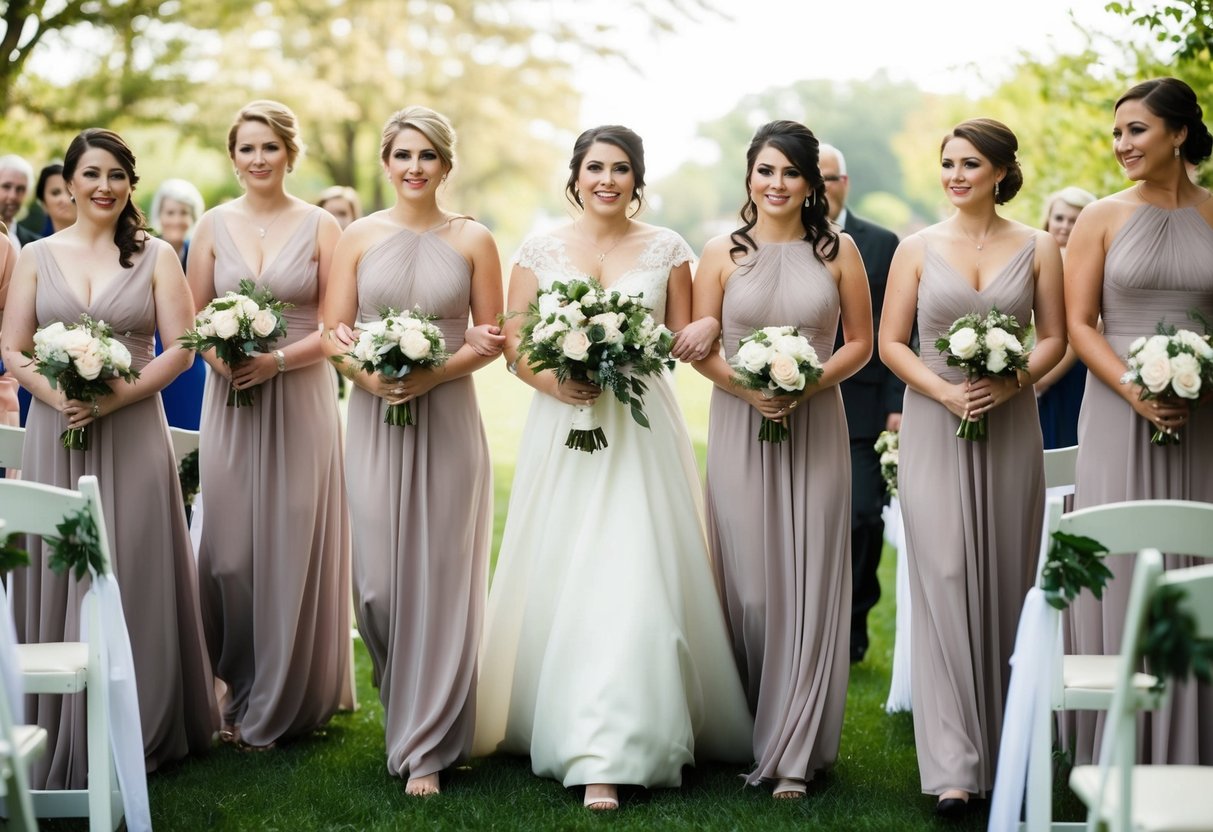
Choosing the right order can help set the tone for the ceremony. You have the flexibility to customize this part of your day while still honoring the tradition. Whether you want your bridesmaids to enter solo or in pairs, understanding the classic approach can help you decide what’s best for your special day.
Your wedding ceremony is all about love and celebration, so it’s important to consider what feels right for you. Following the traditional order or making slight adjustments can make your moment more personal and memorable.
Understanding Wedding Processions

Wedding processions set the tone for the ceremony and create a meaningful moment as the bride prepares to walk down the aisle. Knowing the roles of each member and the different styles can help you plan a perfect procession.
The Role of the Wedding Party
The wedding party plays a key role during the procession. Each member has a specific order and responsibility that adds to the ceremony’s atmosphere.
-
Groomsmen: They often walk in pairs, escorting bridesmaids. Their role includes supporting the groom and helping guests find their seats.
-
Bridesmaids: These ladies walk down the aisle to symbolize support for the bride. Traditionally, the bridesmaids walk one-by-one, with the maid of honor bringing up the end.
-
Flower Girl & Ring Bearer: If included, they follow the bridesmaids. The flower girl often scatters petals, while the ring bearer carries the rings.
Traditional vs. Modern Processions
Traditional wedding processions typically follow a set order. The groom’s grandparents might enter first, followed by the bride’s grandparents, then the parents. The bridesmaids come next, followed by the flower girl and ring bearer. Finally, the bride walks down the aisle with either her father or a chosen escort.
Modern processions allow for flexibility. You can mix and match roles, like having all bridesmaids walk together. Couples now often choose to personalize their processional, making it unique to their love story. You can also incorporate cultural elements that reflect your background or beliefs.
Understanding these details will help ensure a smooth and meaningful walk down the aisle for everyone involved.
The Order of the Bridesmaids

When planning your wedding, deciding how your bridesmaids will enter can enhance the ceremony’s flow. The order you choose often adds to the overall experience and can reflect your relationship with each bridesmaid.
Bridesmaids’ Entrance Sequence
Typically, bridesmaids should walk down the aisle in a specific sequence. One common practice is for the maid of honor (or chief bridesmaid) to be the last to enter. This creates a sense of anticipation for her role in supporting you.
Bridesmaids often walk in pairs or one at a time. Starting with the bridesmaid farthest from you creates an engaging visual. It’s also nice to allow the flower girl and the ring bearer to follow, adding a charming touch to the procession.
Positioning and Height Considerations
When arranging your bridesmaids, consider their height and relationship with you. Many couples choose to place the tallest bridesmaid first and the shortest last. This creates a beautiful visual gradient as they walk down the aisle.
You can also think about personal dynamics. If you have a close relationship with a bridesmaid, you might want her near the front. This positioning can make the moment more memorable for both of you. Balancing personal feelings with visual appeal helps create a lovely experience for all guests.
Special Roles and Participants
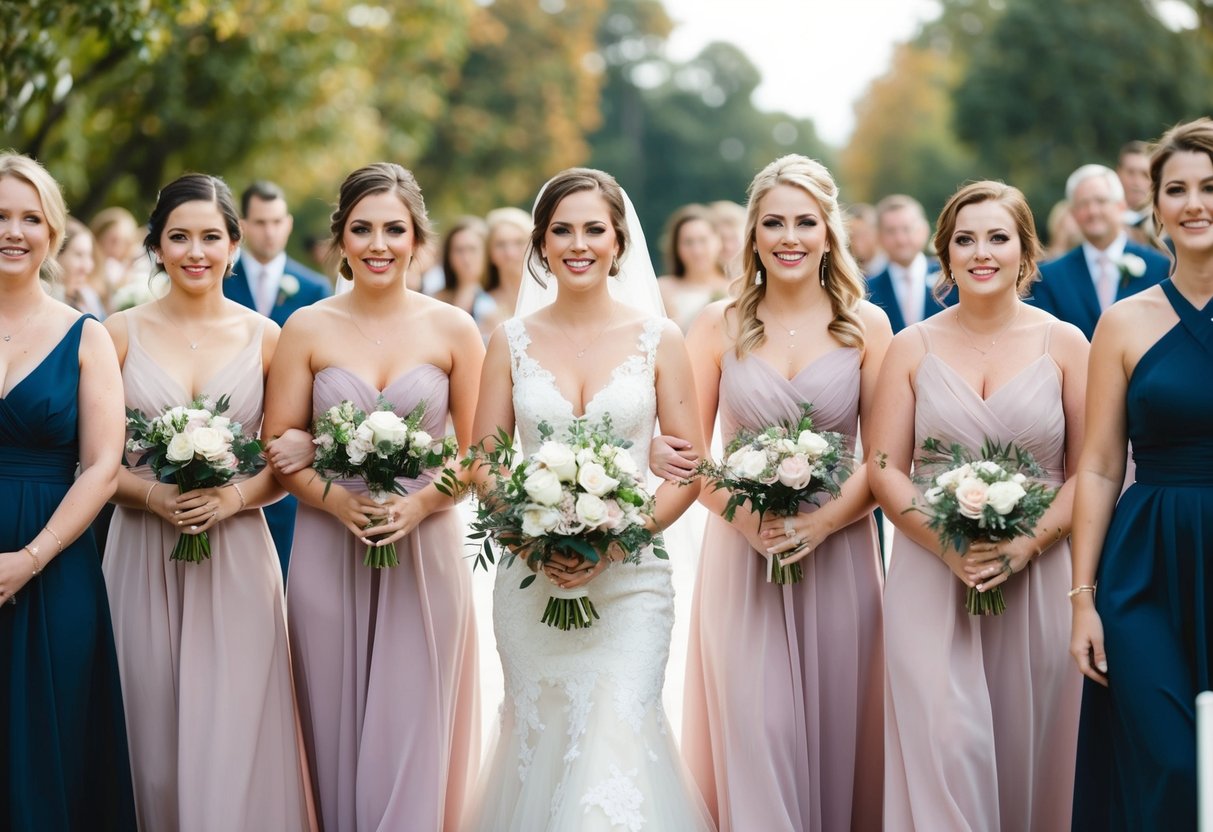
Weddings often include special roles that add charm and meaning to the ceremony. In the UK, you might see children and elders playing vital parts in the processional. Understanding their roles can help you create a memorable walking order.
Incorporating Children and Elders
Including children and elders in the wedding processional can bring warmth and joy. Typically, children like flower girls or page boys walk right before the bride.
Flower Girls usually toss petals down the aisle, creating a lovely entrance. If you have multiple flower girls, they can walk in pairs or one by one.
Ring Bearers, often a little boy, carry the rings, making their role crucial. You can also have grandparents or parents of the bride and groom walk ahead of the wedding party. This honors family and signifies their importance in the couple’s life.
The Significance of the Flower Girl and Ring Bearer
The flower girl adds a sweet touch, symbolizing innocence. Dressed in pretty attire, she usually walks right before the bride, leaving a trail of petals.
The ring bearer plays a practical role, bringing the wedding rings. This little one often follows the flower girl, holding a pillow or a special box.
Both roles are about more than just decoration; they represent the beginning of a new chapter. Parents of the bride, including the mother and father, can walk before the flower girl to show their support, making it an emotional moment.
Cultural Variations in Processional Orders
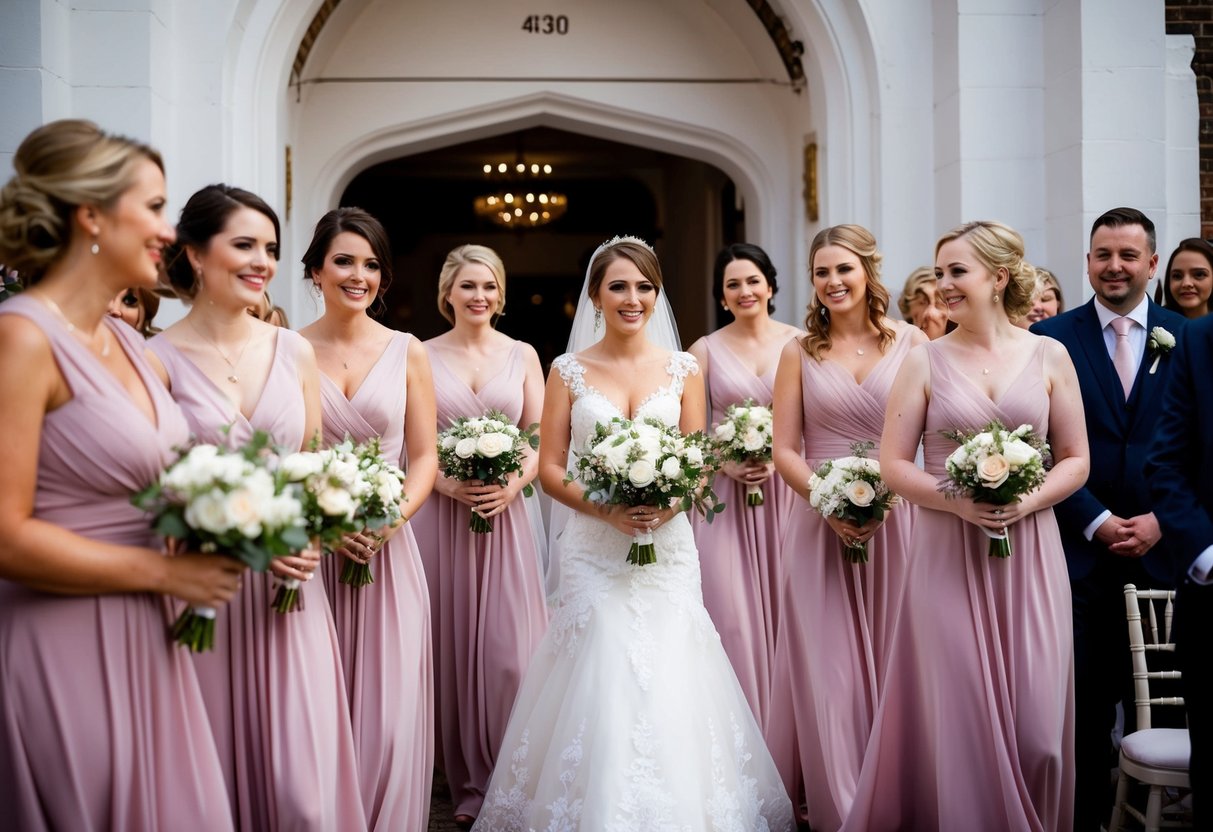
When it comes to the order in which bridesmaids walk down the aisle, different cultures have unique traditions. These customs can reflect deep-rooted practices and add special meaning to your wedding day. Here are some insights into Jewish, Christian, and Hindu wedding processions.
Jewish Wedding Processional Traditions
In a Jewish wedding, the processional order often begins with the parents of the couple. Then, the groomsmen enter, followed by the bridesmaids. The bridesmaids typically walk down the aisle in pairs or individually. They reach the chuppah, an important symbolic canopy, where they stand on the right side.
After all the bridal party is in place, the bride makes her grand entrance. This moment is often marked by the beautiful sounds of the bridal chorus. Some couples choose to have flower girls scatter petals as they walk, adding a charming detail to the procession. This tradition emphasizes community and family.
Christian Wedding Rituals
Christian weddings can vary widely, but a common order starts with groomsmen walking down the aisle first, often paired with bridesmaids. They may enter together or separately, depending on the couple’s preference. The maid of honor follows, usually last among the bridesmaids.
Finally, the bride walks down the aisle, typically escorted by her father or another significant figure. This moment is often the highlight of the ceremony, symbolizing a transition into a new phase of life. Some couples opt for modern twists, like incorporating personal touches or contemporary songs, but the traditional order typically remains the same.
Hindu Wedding Ceremony Processions
In Hindu weddings, the groom arrives first, accompanied by his family. This is a grand event, sometimes including music and dance.
Next, the bridesmaids enter, usually in colorful dresses that reflect the wedding’s theme.
The bride follows, often adorned in a stunning outfit, making a spectacular entrance. It’s common for her to be carried by her brothers or family members, symbolizing protection.
This procession is filled with joy as family and friends celebrate. The scattering of petals or rice may also occur during this part, honoring tradition and blessing the couple.