
Industrial Wedding Venues for Sale: Buyer’s Guide
Industrial wedding venues for sale are converted factories, warehouses, lofts, and similar properties offered with or without an operating event business. To judge whether one is a sound purchase, you need to confirm what the sale includes, whether events are allowed, and how much work the property needs before it can host guests.
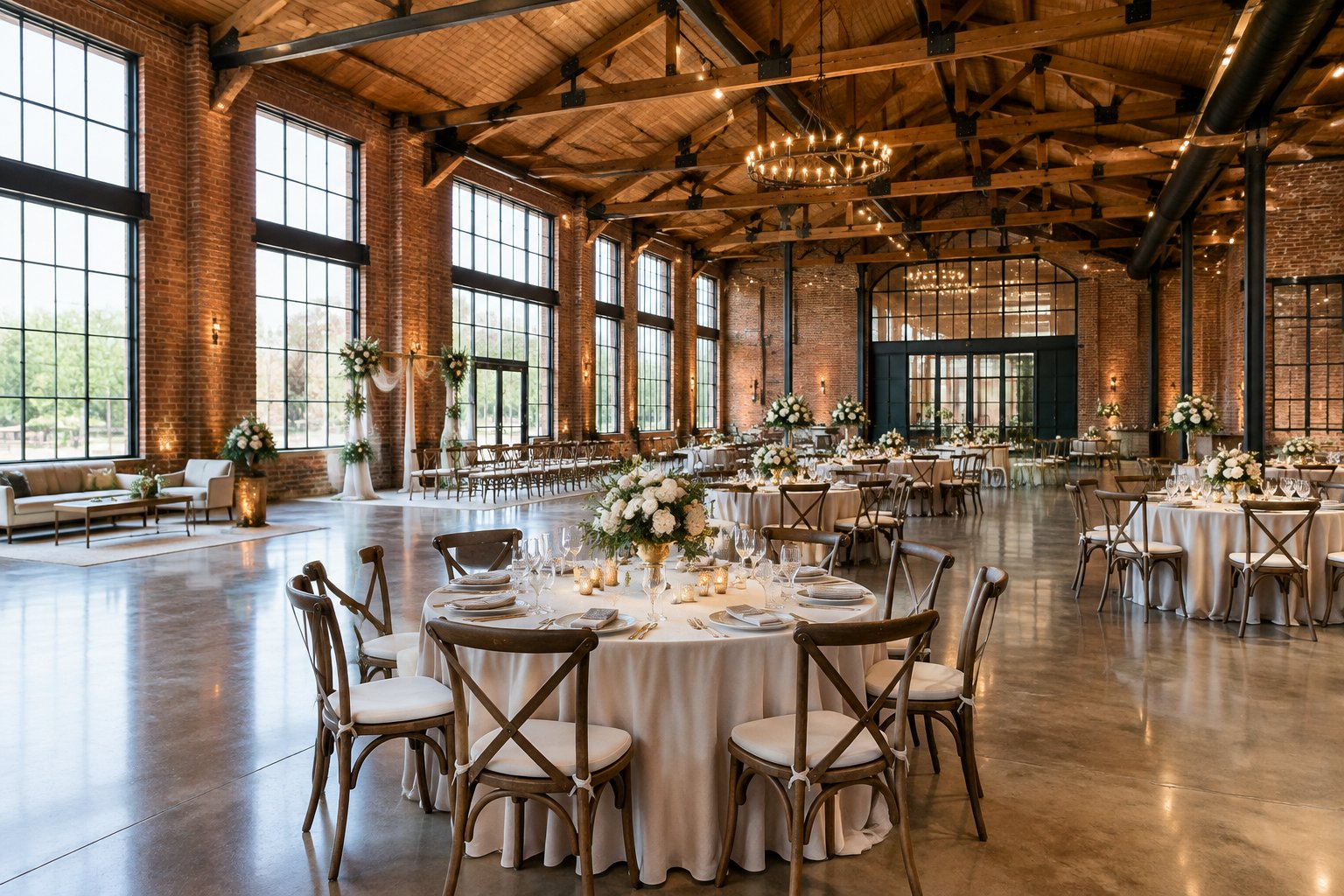
Exposed brick, steel framing, and open floor plans give these venues a distinct look, while the building’s age and past use can bring complex repair and permit needs. If you’re ready to explore an opportunity, request the listing documents and arrange a property tour before making an offer.
What Makes a Venue Industrial?
An industrial venue uses the character and structure of a former factory, warehouse, loft, or similar commercial building to host weddings and other events. Its architecture can create a memorable setting, while the layout and existing systems shape the work and investment needed to operate it.
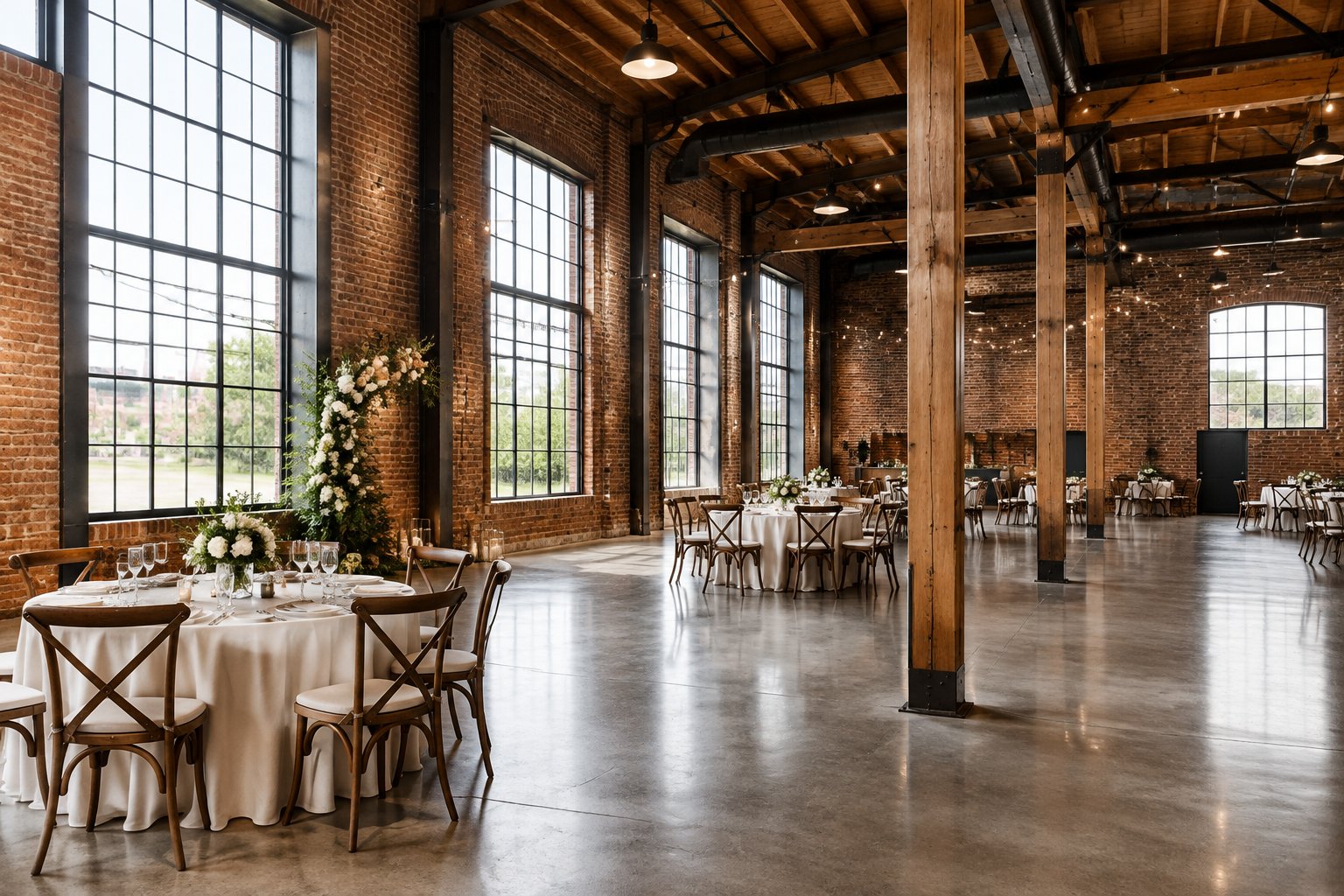
Common Building Types and Architectural Features
You’ll find industrial venues in former factories, warehouses, breweries, mills, and urban lofts. Common features include exposed brick, timber or steel beams, tall ceilings, large windows, and concrete or wood floors.
These details offer a strong base for varied event styles, from formal receptions to relaxed celebrations. You can explore different wedding venue ideas as you consider how a building’s features could fit your market and the couples you hope to serve.
Check how the space functions beyond its appearance. Look at room flow, sound, natural light, restroom access, climate control, loading access, and the location of guest entrances. A large open room can support flexible layouts, but columns, narrow stairs, or limited parking can affect capacity and guest comfort.
How Venue Operations Shape the Opportunity
The sale’s operating model shapes the work you’ll take on after closing. A property-only deal gives you a building to develop, while an operating venue may include staff, systems, customer contracts, and established marketing channels.
Review who handles sales inquiries, event planning, setup, cleanup, and maintenance. If the current owner performs key duties, you’ll need a plan to cover them. A venue manager may coordinate bookings and event operations, so clarify whether that role and any related agreements transfer with the sale. Learn what a wedding venue manager does as you assess the staffing needs.
Where Can You Find Listings?
You can find industrial wedding venue opportunities through business-for-sale platforms, commercial property marketplaces, and specialized venue listings. Searching across these channels helps you compare operating businesses with properties that need conversion.
Search Business and Commercial Property Marketplaces
Search for businesses for sale and commercial properties using terms such as “event venue,” “warehouse,” “factory,” and “wedding venue.” Business listings may focus on revenue, bookings, and included assets. Commercial property listings may emphasize building size, land, permitted use, and site details.
Specialized venue listings can show details such as capacity, event volume, lodging, and included equipment. Compare each listing’s location, sale scope, and current use. A venue advertised as a wedding business may include the real estate, the operating company, both, or selected assets only.
Record each opportunity’s asking price, property details, operating history, and stated exclusions. Listings can change, and details supplied by a seller or representative need independent verification before you rely on them.
How to Navigate Listing-Site Security Checks
Security verification helps listing platforms limit automated traffic from malicious bots and protect their services. You may see a CAPTCHA, a browser check, or a request to confirm that your session is legitimate.
If a security service blocks you, follow the on-screen instructions and check that your browser allows cookies and JavaScript. Try a current browser or a trusted network if the check keeps repeating. Avoid tools or scripts that attempt to bypass verification; contact the platform’s support team if you cannot access a listing.
What Should You Verify Before Making an Offer?
Before you make an offer, confirm the property’s legal use and condition, the business’s obligations, and exactly which assets transfer to you. Ask for records that support each major claim in the listing.

Building Condition, Zoning, and Event Permits
Hire qualified professionals to inspect the roof, structure, electrical service, plumbing, HVAC, fire protection, and accessibility. Former industrial use also makes an environmental review important. Ask about prior uses, known hazards, cleanup records, and any open inspections or repair orders.
Confirm with the local planning and building departments that the current zoning allows your planned events. Verify occupancy limits, fire and building approvals, noise rules, alcohol permissions, and any permit conditions. Past operation does not guarantee that approvals will transfer or cover a new business plan.
Assess the site’s access, parking, utilities, and nearby lodging. These details affect the guest experience and the venue’s market fit, so include them as you choose a wedding location.
Bookings, Deposits, Licenses, and Included Assets
Ask for a schedule of future events, signed contracts, deposits, cancellation terms, and remaining service obligations. Confirm in writing which bookings transfer and how customer funds will be handled at closing. Deposits represent future work and possible refund duties, so account for them separately from completed-event revenue.
Check whether the sale includes tables, chairs, kitchen equipment, sound and lighting gear, décor, software, a website, brand assets, and vendor relationships. Review equipment condition and ownership records. Confirm which business licenses and alcohol approvals apply to the current owner, business entity, and location, then ask the relevant authorities what you’ll need after the sale.
When Wine Inventory Is Excluded
If the seller excludes wine inventory, remove it from the asset list and confirm whether any wine-related service commitments remain. Ask for a count and value of included stock, if applicable, and document the transfer terms in the purchase agreement.
Check whether alcohol service depends on a separate license, vendor, or operating arrangement. Build a plan for sourcing and serving wine that fits local rules and your intended event packages.
How Much Do Industrial Wedding Venues Cost?
The asking price reflects the property, the operating business, and the assets included in the sale, so compare the deal scope before judging the number. A building that needs major upgrades carries a different cost profile from a functioning venue with transferable bookings and equipment.
How Real Estate and Venue Assets Affect Asking Price
The property’s location, size, condition, parking, and permitted uses influence its real estate value. The operating business adds a separate layer through its financial results, reputation, customer records, systems, and transferable assets. Ask the seller to explain how the price is divided between real estate and business value.
Compare the property with similar commercial sales in the same market, and have an appropriate professional assess the building. Inventory furniture and equipment, then verify ownership and condition. Include estimates for repairs, accessibility work, life-safety upgrades, and any build-out required to meet your operating plan.
For context on venue pricing from a customer’s perspective, review what most wedding venues cost. Your purchase analysis needs a separate estimate of acquisition, repairs, operating costs, and cash reserves.
Revenue, Booking Pipeline, and Financing Considerations
Review several years of financial statements, tax returns, event records, and monthly cash flow. Separate completed and paid events from future bookings, inquiries, and deposits. Check revenue by event type and season, along with staffing, insurance, utilities, repairs, marketing, and debt costs.
A full booking calendar can signal demand, but it also brings service obligations and possible refunds. Confirm contract terms and deposits, then model whether the business can cover expenses during slower periods. For financing, prepare a clear budget for the purchase, renovations, equipment, closing costs, and working capital. Lenders will assess the property and business records alongside your repayment plan.
How Can You Judge the Venue’s Business Potential?
You can judge a venue’s potential by testing whether its capacity, location, and design suit local event demand, then pricing the work required to operate it. A strong visual identity helps attract interest, while a viable plan also accounts for access, staffing, upkeep, and revenue between wedding dates.
Capacity, Event Demand, and Market Fit
Verify the approved guest capacity and compare it with the size of weddings and events in your target market. Review nearby competitors, their pricing, event types, and availability. Ask for historical booking data and inquiry records, then check whether bookings came from repeat referrals, paid marketing, or the owner’s personal network.
Consider weekday and off-season uses such as company gatherings, private celebrations, or community events. These bookings can broaden your calendar if the property and local rules support them. Estimate likely attendance using a clear method; guidance on how to estimate event attendance can help you think through guest-count planning.
Renovation Needs, Expansion, and Operating Costs
Build a written scope for repairs and upgrades before you settle on a purchase price. Include roof and structural work, heating and cooling, restrooms, electrical capacity, fire safety, sound control, accessible routes, and parking. Get contractor estimates and add a reserve for surprises in an older building.
Check whether the site has room for added ceremony areas, suites, storage, or guest parking, and confirm that zoning and permits allow those changes. Estimate ongoing costs for utilities, insurance, labor, cleaning, maintenance, marketing, and equipment replacement. Use those figures to test your plan against a slower booking year and a delayed opening, then keep the supporting estimates with your offer records.