
Industrial Wedding Venues Jersey: Styles, Costs, and Tips
Industrial wedding venues in New Jersey give you a distinctive setting with exposed brick, steel details, and flexible open floor plans. These spaces bring architectural character to your celebration, while thoughtful lighting and decor help you make the room feel personal.
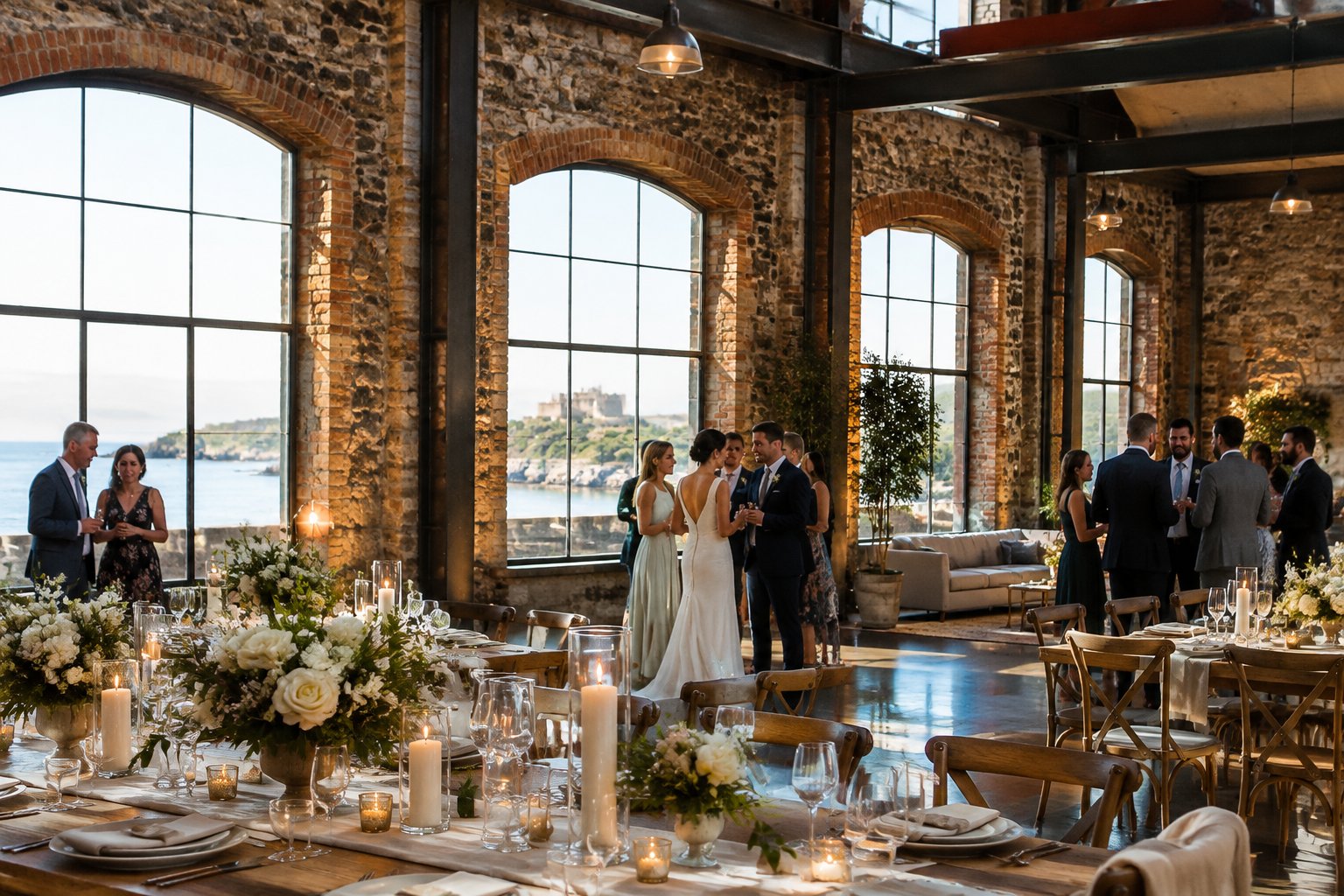
As you compare venues, focus on how the building will work for your guest count, budget, and plans for the day. Request a tour and a written estimate so you can see the space and review the full cost before choosing a date.
What Sets Industrial Wedding Venues in Jersey Apart?
Industrial wedding venues in Jersey pair bold architectural features with an open event space you can style to suit your celebration. Their look ranges from polished lofts to historic buildings with original details.
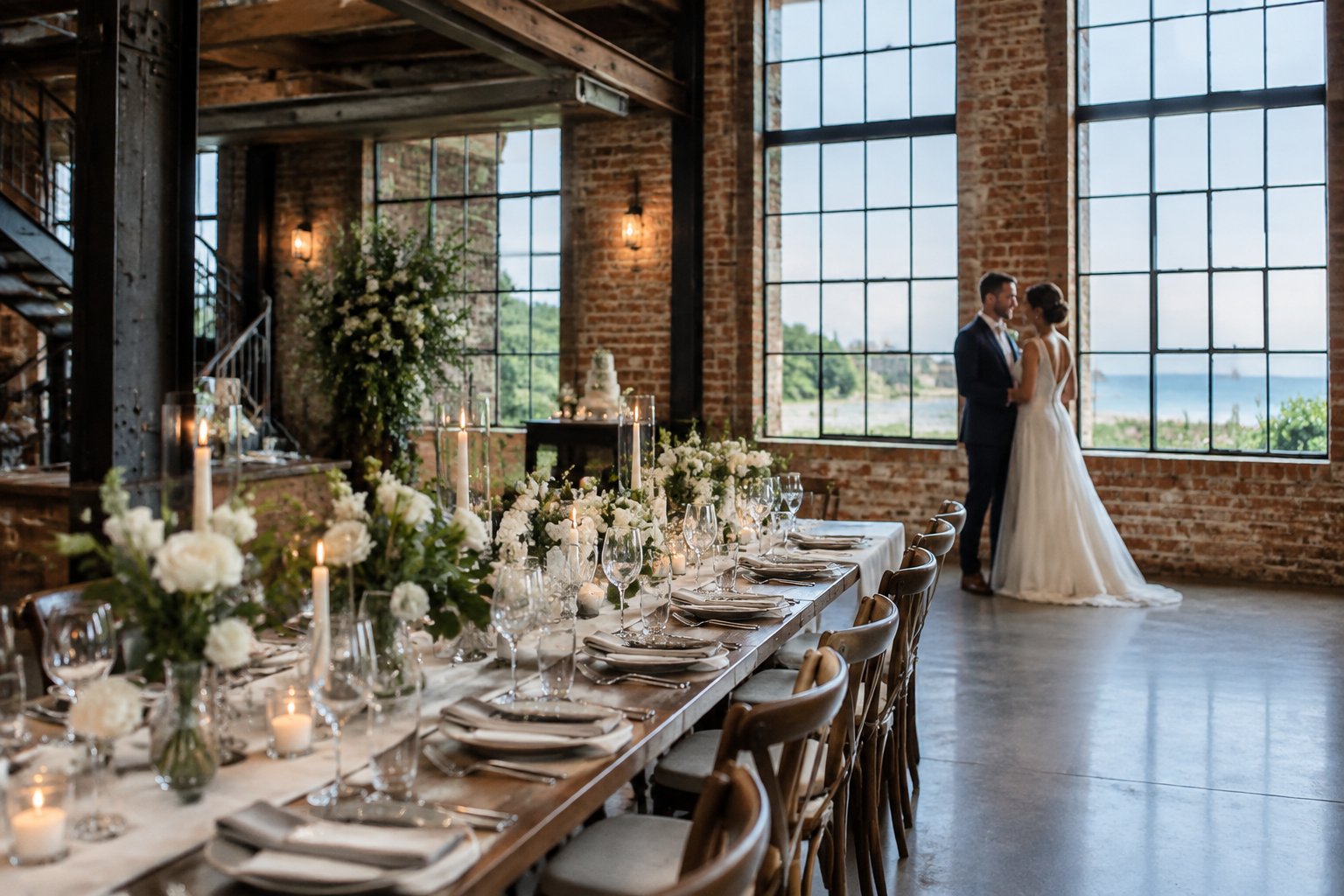
Exposed Brick, Steel, and Other Signature Details
Exposed brick, visible beams, steel columns, tall windows, and concrete floors give an industrial wedding venue its distinctive character. These features provide a strong backdrop for your ceremony and reception, so you can build your decor around the space instead of covering every surface.
An open floor plan also gives you room to arrange a dance floor, dining tables, and lounge seating. As you browse wedding venue ideas, consider how the venue’s built-in details fit the atmosphere you want to create.
Historic Buildings and Converted Event Spaces
Many industrial-style venues occupy converted factories, warehouses, theaters, or lofts. Their original architecture can give your event space a sense of history, while updates such as modern restrooms, catering areas, and climate control support your guests’ comfort.
Ask which features are original and which areas have been renovated. A preserved brick wall or tall factory window may add character, while updated systems help the building work smoothly for a full day of wedding events.
How Much Do Industrial Wedding Venues in New Jersey Cost?
Industrial venue listings in New Jersey show rental prices from about $120 to $317 per hour, $750 to $2,000 per event, or $50 to $150 per person. Your final quote depends on what the rental includes and how your event is priced.
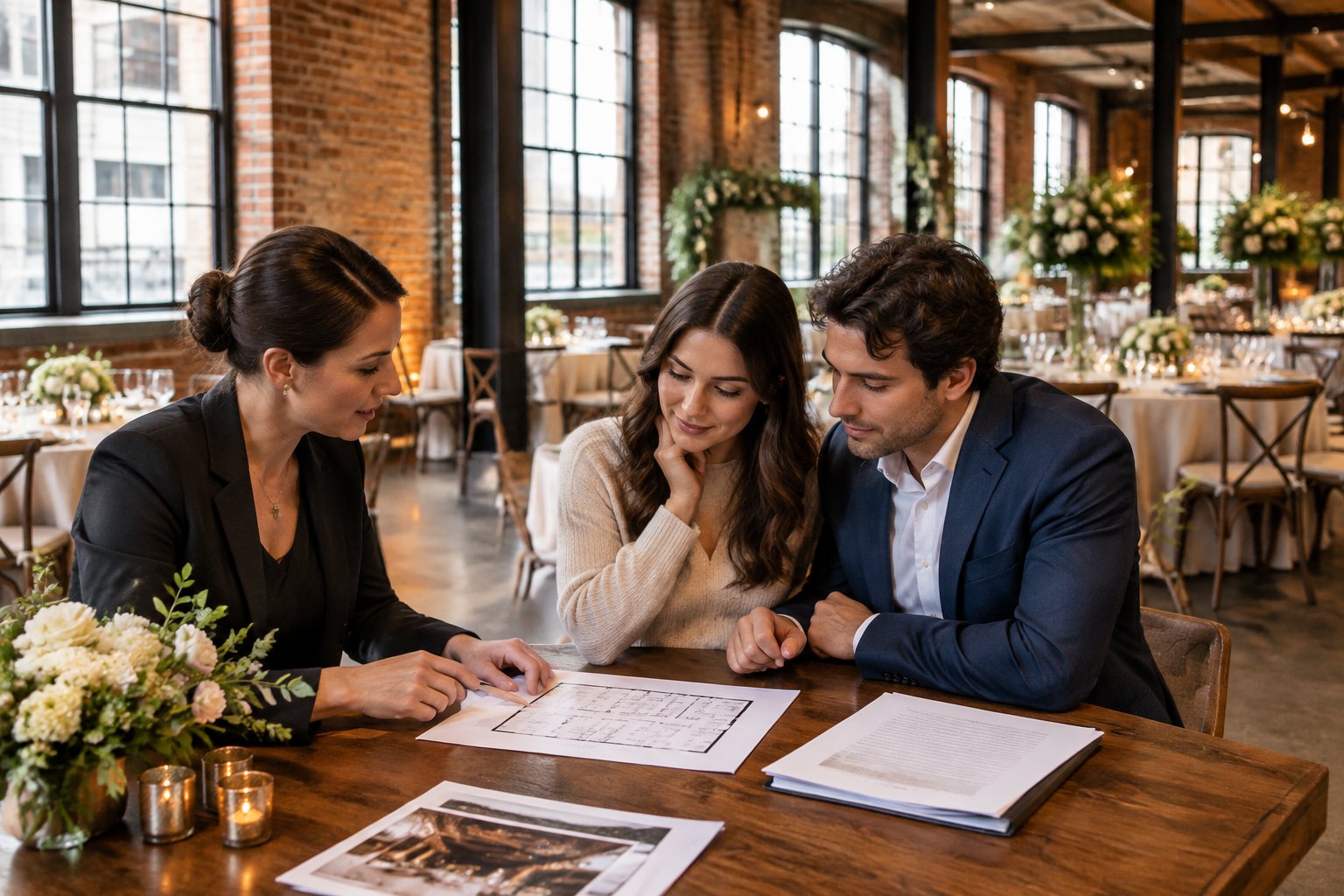
Use these figures as a starting point, then compare estimates that cover the same services. To set your budget, review what most wedding venues cost and check which expenses are included in each quote.
Hourly, Per-Event, and Per-Person Rates
Hourly pricing gives you a way to estimate the space rental by the time you reserve it. An event fee covers a set booking, while a per-person rate may include services tied to guest count. Ask the venue to spell out the booking length and included services for each pricing model.
A venue rental quote may exclude catering, staffing, rentals, taxes, or service charges. If the venue offers a package, request an itemized breakdown so you can compare it with a space-only rental. Your total budget can look quite different once food and beverage costs are included.
What Affects the Total Price?
Your date, booking length, guest count, and selected services all shape your final cost. Saturday dates and peak-season weekends may come with higher rates, while a weekday or off-season date could fit a tighter budget.
Ask about setup and breakdown time, overtime charges, required vendors, furniture, and cleaning fees. If you are weighing ways to reduce costs, compare affordable venues for weddings and ask each venue for a quote based on the same guest count and service list.
Which Layout and Amenities Fit Your Guest List?
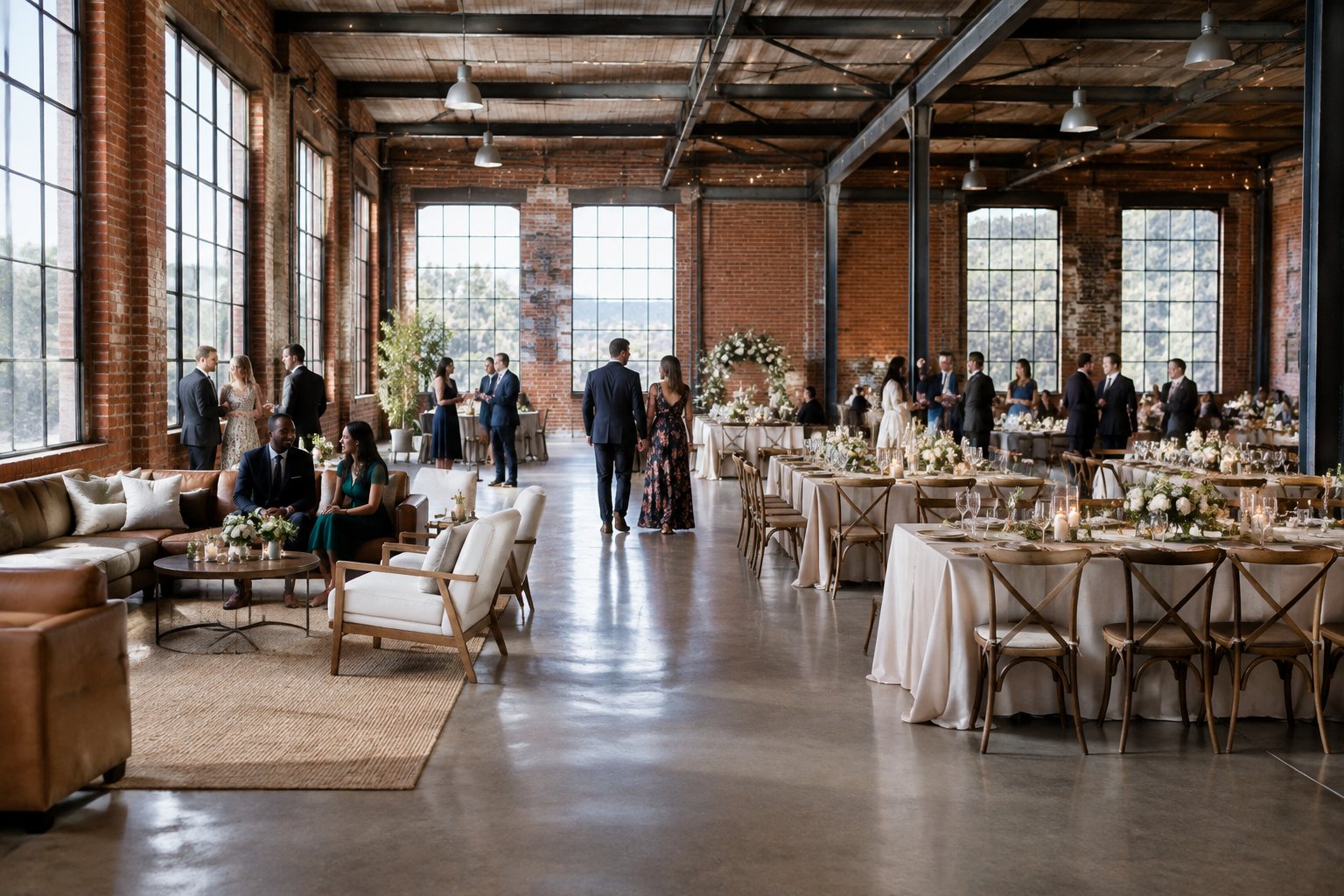
Choose a venue layout that supports the full flow of your event, from the ceremony through dinner and dancing. Confirm that the amenities suit your guest count and give guests a comfortable place to gather.
Ceremony and Reception Spaces
A venue with separate ceremony and reception areas lets you move guests between parts of the celebration without a major room reset. If you plan to use one room for both, ask how long the transition takes and where guests will wait during setup.
Check how the venue fits your tables, dance floor, bar, and any stage or DJ setup. A clear wedding layout helps you plan the flow before you sign, while wedding table layout ideas can help you think through seating and circulation.
Getting-Ready Rooms, Parking, and Guest Comfort
Ask whether the venue has private rooms where you and your wedding party can get ready, store belongings, or take a quiet break. If those rooms are not included, find out when you can access them and whether they carry an added fee.
Check parking availability, accessible entrances, restrooms, and climate control during your tour. For urban venues, ask about nearby public transit and guest drop-off areas. Your guests will also appreciate clear arrival details, especially if parking is limited or shared with other businesses.
How Can You Style an Industrial Wedding Space?
Use the building’s architecture as the base for your decor, then bring in lighting, soft textures, and colors that suit your wedding style. A few well-chosen details can make a large open room feel warm and inviting.
Use Lighting to Shape the Atmosphere
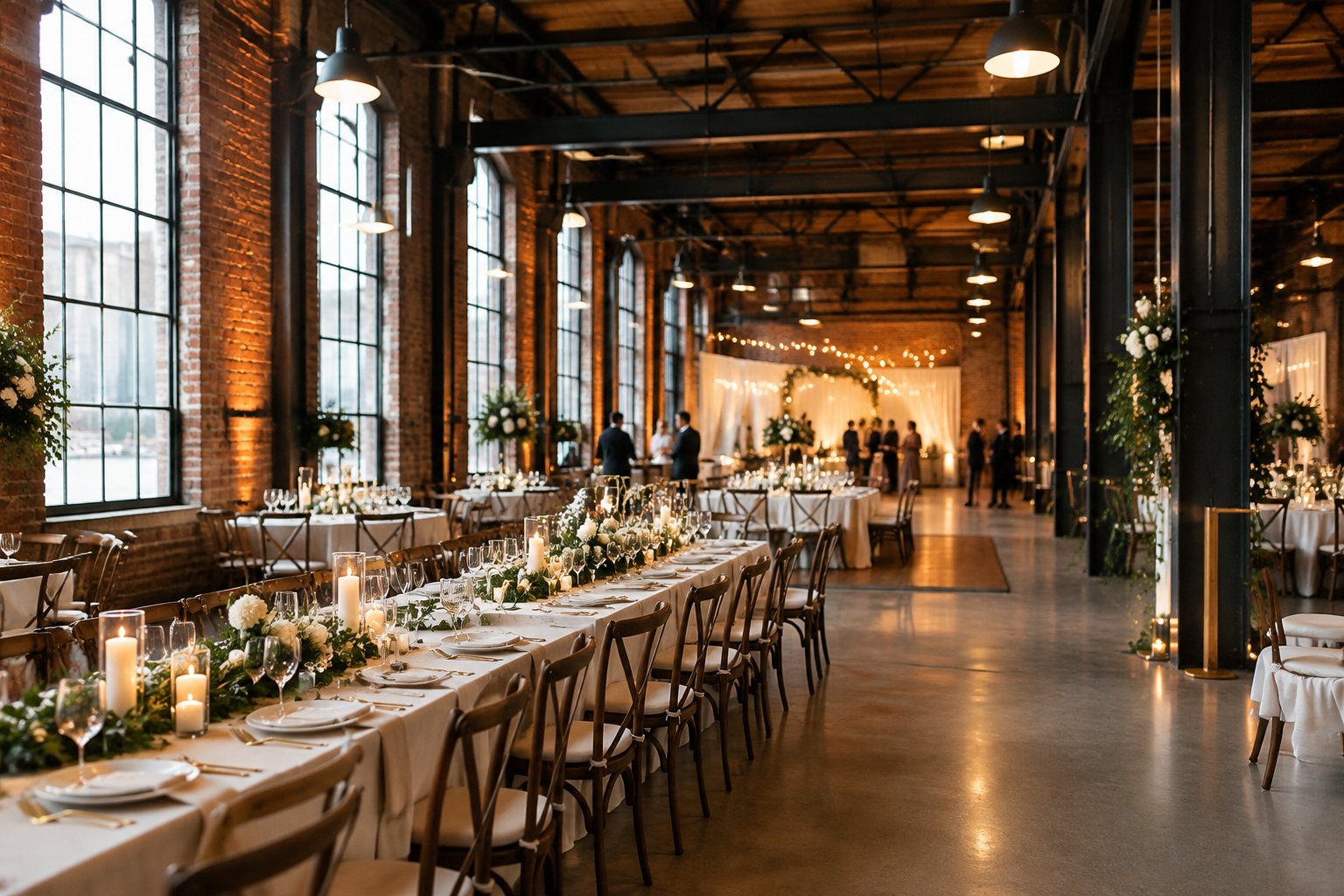
Lighting helps define different areas of an open room and sets the mood as the day moves into evening. Ask what fixtures are already in place and whether you can bring in additional equipment.
String lights, pendant bulbs, candles, and uplighting each create a different effect. Explore wedding lighting ideas as you plan how to highlight brick walls, beams, or the dance floor. Confirm rules for open flames, hanging fixtures, and installation before booking a lighting team.
Balance Raw Materials With Florals and Textiles
Soft details add contrast to brick, metal, and concrete. Flowers, greenery, fabric runners, and upholstered lounge pieces bring warmth to the room, while simple table settings let the building remain part of the design.
For your tables, choose decor that suits the venue’s scale and leaves enough room for guests to eat and talk. Browse industrial wedding table decoration ideas for ways to pair natural textures with metal or wood details.
Choose Colors That Complement the Architecture
Choose a palette that works with the room’s existing tones. Warm neutrals, deep greens, and muted jewel shades complement brick and wood, while lighter colors stand out against darker steel and concrete.
Before settling on a palette, look at the venue at the time of day your event will take place. Daylight through large windows changes how colors appear, and evening lighting can deepen or soften them. Bring fabric or flower samples to your venue visit if you want to check how the colors look in the space.
What Should You Check Before Booking?
Tour the venue, confirm its usable capacity, and read the contract closely before you reserve your date. A visit helps you assess the building in person, while clear answers about services and policies help you plan with fewer surprises.
Tour the Space and Assess Its Lighting
Visit during the time of day you expect to hold your ceremony or reception. Notice how much natural light reaches the room, where shadows fall, and how the space feels after dark. Ask whether the venue can provide photos or a floor plan showing the room set up for an event like yours.
Check the route from the entrance to the ceremony area and reception room. Look for practical details such as vendor load-in access, power outlets, and places to store supplies. If you are still choosing dates, consider when to start booking wedding details so you have time to compare venues and services.
Confirm Capacity, Services, and Venue Policies
Ask for the venue’s seated capacity with a dance floor and your preferred table arrangement. A room’s maximum occupancy may differ from the number of guests it can comfortably seat for dinner.
Before signing, get clear answers about catering, bar service, outside vendors, setup time, cleanup, and overtime fees. Review policies for decorations, candles, music, and insurance, then request a written estimate and contract that show the terms you discussed.