
Industrial Wedding Venues Lexington: A Local Guide
For industrial wedding venues in Lexington, Clerestory at Greyline is a strong first venue to tour: its former bus depot setting offers 6,000 square feet of flexible space and room for events of up to 350 guests. Its open layout gives you room to shape a Kentucky wedding around your own style, with the building’s original character as part of the setting.
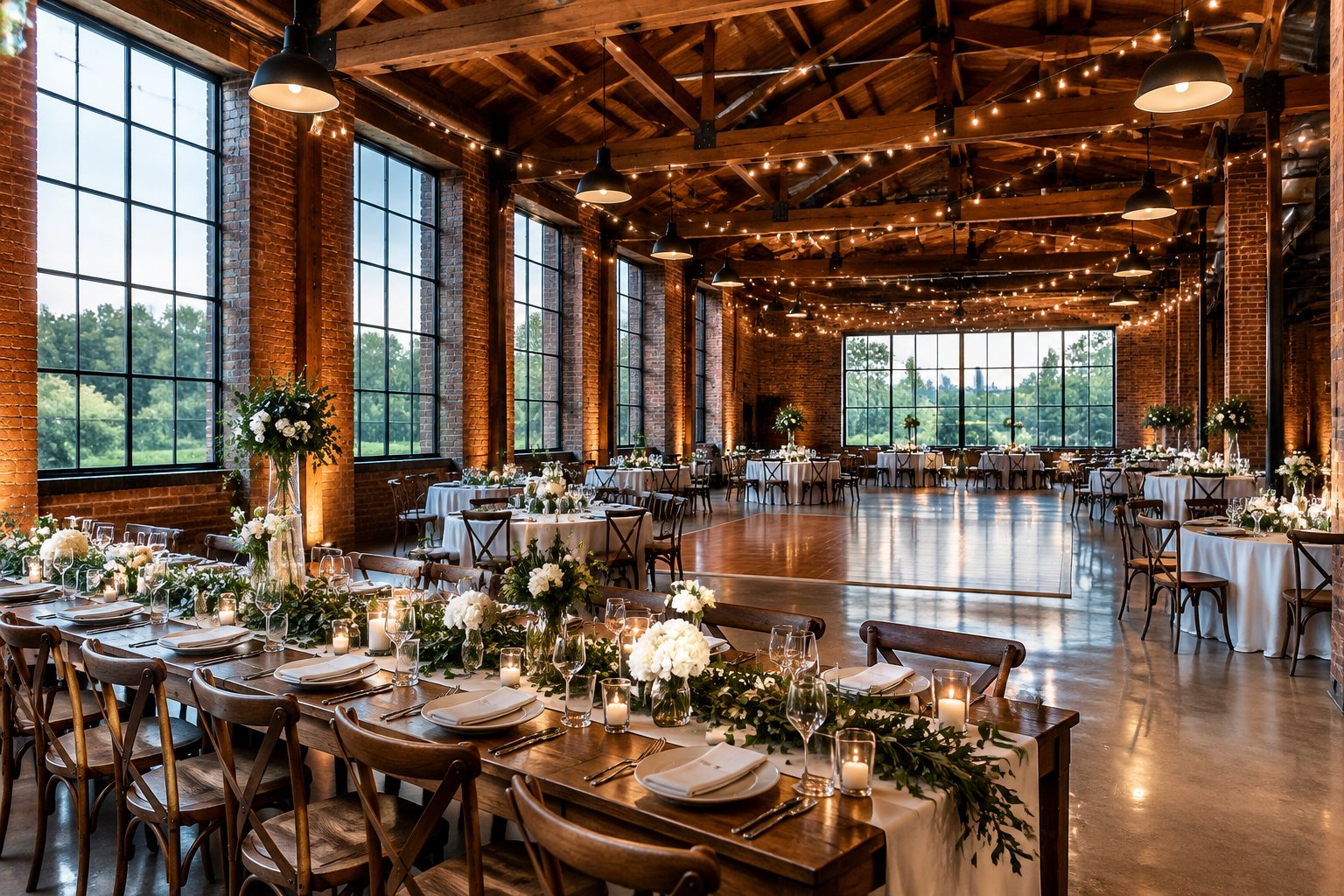
As you compare wedding venues in Lexington, think about how you want your guests to move through the day, from the ceremony to dinner and dancing. You can start with a broader look at wedding venue ideas and narrow your choices by style, guest count, and location.
If a late-2026 date is on your calendar, contact Clerestory promptly to ask about availability; its current booking information lists events through December 31, 2026.
What Defines an Industrial Wedding Venue in Lexington?
An industrial wedding venue pairs the character of a working or historic building with the practical setup you need for a wedding. In Lexington, that look may come from exposed brick, tall windows, metal details, and open floor plans, while the venue’s event services determine how much planning you handle.
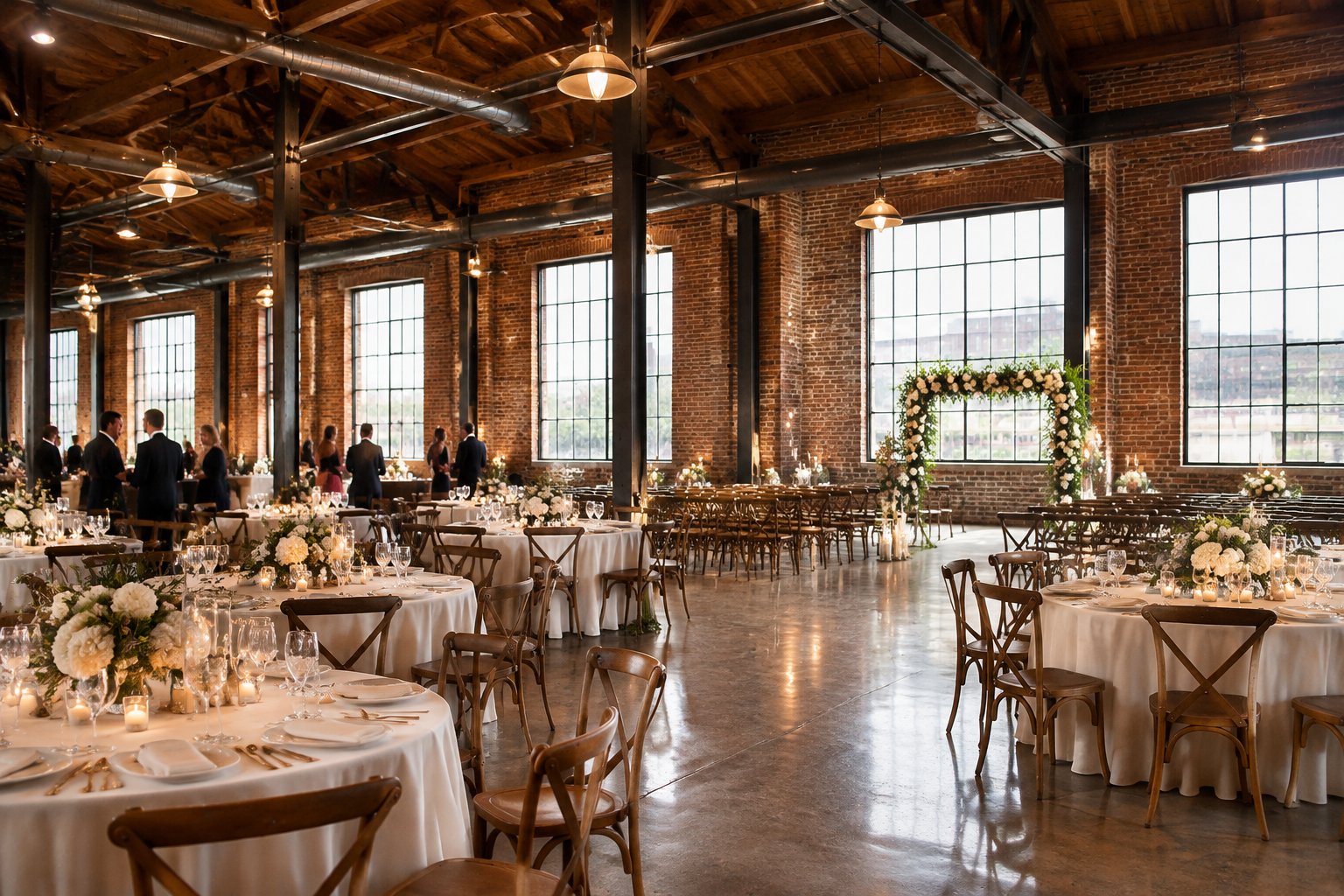
These spaces can feel relaxed, polished, or both, depending on how you furnish and light them. Before you book, look beyond the style and confirm what the event venue provides for your ceremony, reception, and vendor setup.
Which Architectural Features Give a Space an Industrial Feel?
Exposed brick, visible beams, concrete or wood floors, and large windows help create an industrial feel. A high ceiling and open floor plan add room for a dance floor, dining tables, or a ceremony setup.
Some buildings keep details from their former use, which gives the room a sense of history. You can let those features shape your décor, then add personal touches that connect the space to your wedding.
For inspiration, browse ways to decorate an empty room for a wedding and focus on the areas guests will use most.
What Does a Blank-Canvas Venue Typically Provide?
A blank-canvas venue gives you flexibility over the look and layout, while its included services vary by contract. You might find tables and chairs, a catering area, sound equipment, or an outdoor space included, so ask for a written list before comparing rental fees.
Find out whether the venue works more like a banquet hall with built-in services or a flexible event venue that relies on outside vendors. If you plan to design your own tablescape, consider industrial wedding table decoration ideas that work with the room’s existing textures.
Is Clerestory at Greyline a Fit for Your Wedding?
Clerestory at Greyline is worth considering if you want an open, industrial-style space in Lexington that can host a ceremony and reception for a large guest list. The former bus depot has about 6,000 square feet of flexible indoor space, with room for up to 350 guests.
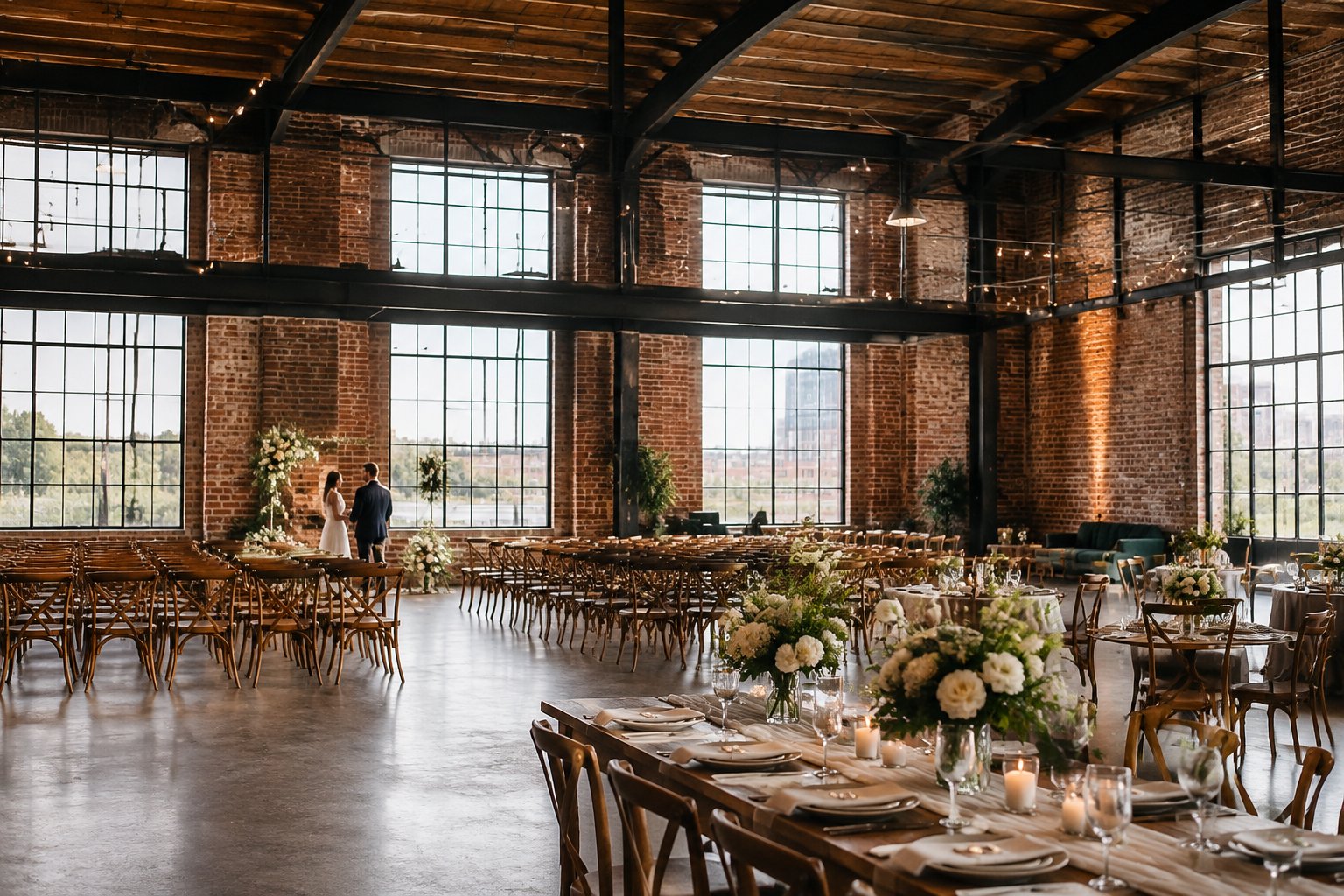
Its setup gives you room to plan the day around your priorities, with tables, chairs, and linens included in the rental. Check current terms with the venue, especially its vendor requirements and booking dates, before building your plans around the space.
How Does the Former Bus Depot Set the Scene?
The depot’s original architecture gives your wedding a clear sense of place. High windows and an open layout bring natural light into the room, while the industrial details provide a distinctive backdrop for your ceremony and reception.
You can keep your décor clean and modern, or bring in softer elements to suit your style. Clerestory has also hosted corporate events, so its flexible layout can work for different types of gatherings.
When you visit, walk through the space with your estimated guest count in mind and note where you would place the ceremony, bar, and dance floor.
How Can One Space Transition From Ceremony to Reception?
You can use Clerestory’s flexible layout to plan a ceremony, cocktail hour, and reception in one location. Ask the venue team how the room can be reset between each part of the day, including how much time your vendors will have for setup and room changes.
Clerestory includes tables, chairs, and linens in its rental, and the venue requires a licensed caterer and insured event coordinator. Alcohol service must go through its in-house bar team.
If you’re weighing the flow of your day against the location, how to pick a wedding location can help you consider access, travel, and guest needs.
What Other Lexington Venues Offer an Urban or Historic Feel?
You have several other Lexington options if you want a downtown, historic, or Bluegrass-inspired setting. Downtown spaces give you an urban backdrop, while nearby estates and equestrian venues offer a different atmosphere for your celebration.
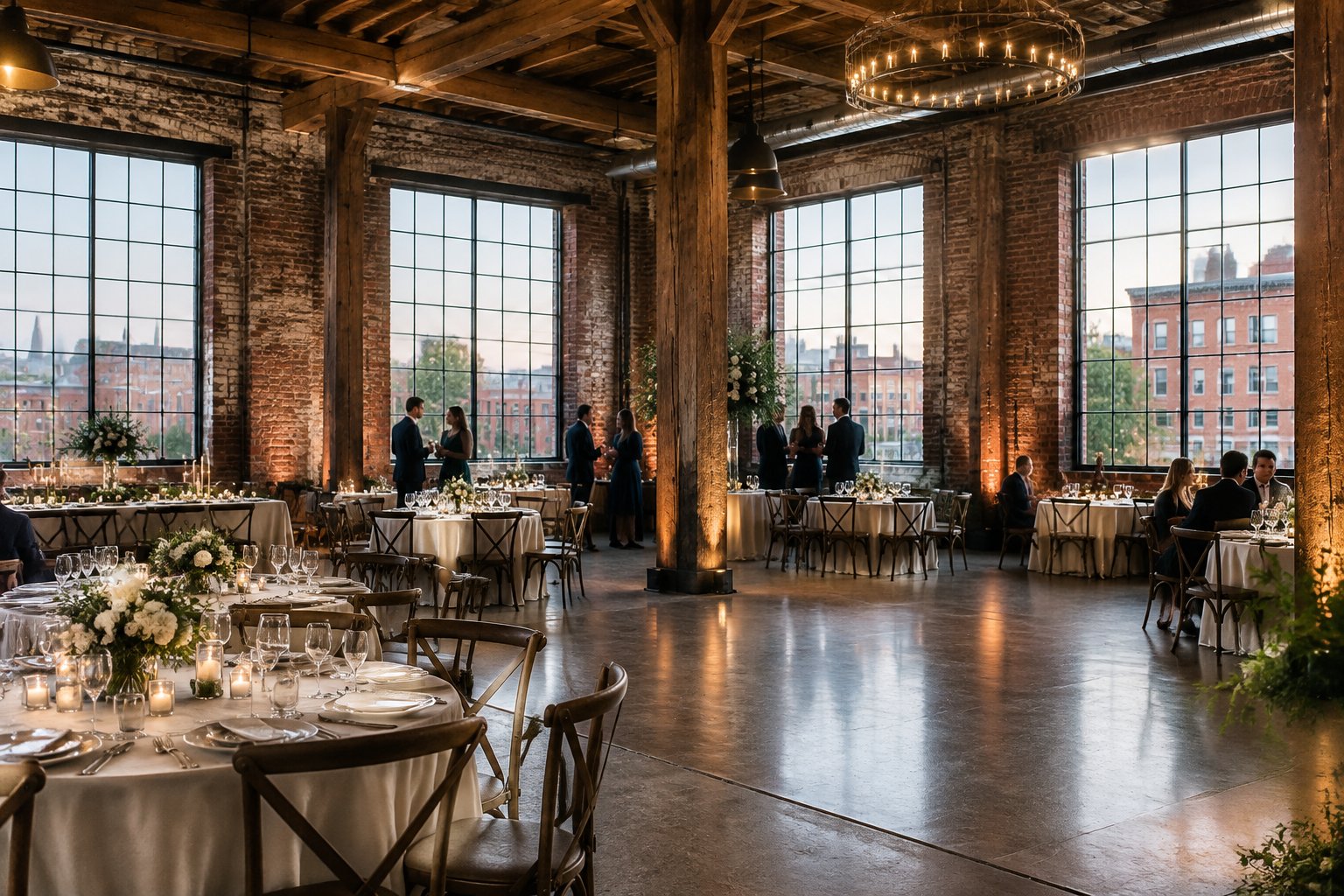
As you explore, check each venue’s current event offerings and guest capacity. Names and styles can guide your shortlist, while a tour helps you see how the setting fits your plans.
Which Downtown Spaces Suit a Modern Celebration?
For a downtown celebration, consider Lexington Marriott City Center, The Apiary, The Mane on Main, Copper Roux, and Limestone Hall. Hilton Lexington Downtown, The Manchester, Manchester Reserve, and Harper Hall are additional names to explore as you compare locations and event formats.
Each venue has its own layout and rules, so ask how it handles your ceremony and reception plans. If your tables are a key part of the design, urban wedding table decoration ideas can help you bring a cohesive look to a city setting.
What Nearby Estates and Equestrian Venues Offer a Different Setting?
For a setting outside the downtown core, explore The Thoroughbred Center, The Polo Barn at Saxony, Keeneland, and Heartland of Versailles. The Ashley Inn, Equus Run Vineyards, Rotherwood Events, and Ashford Acres Inn add more choices across the surrounding area.
These venues give you a different setting from a converted industrial building. Ask about indoor and outdoor event spaces, travel time for guests, and what happens if weather changes your plans.
A visit can help you judge the atmosphere and see how the venue’s layout supports your guest count.
What Should You Confirm Before Booking a Converted Space?
Before booking a converted space, get the full list of inclusions, vendor requirements, and layout limits in writing. A clear contract helps you compare wedding venues on total cost and gives you a working plan for your vendors.

Ask questions during your tour and keep the answers with your quote. A venue checklist for choosing a small wedding venue can help you prepare specific questions about guest comfort and event logistics.
Are Catering, Rentals, Lighting, and Restrooms Included?
Ask which services come with the rental and which require an added fee. Confirm whether tables, chairs, linens, catering facilities, lighting, sound equipment, restrooms, and cleanup are covered in your agreement.
For catering, ask whether you can choose your own licensed caterer or must select from a preferred list. Check the venue’s alcohol policy as well.
At Clerestory, tables, chairs, and linens are included, the venue requires a licensed caterer, and alcohol service goes through its in-house team. Get a current itemized quote so you can budget for any extra rentals or services.
How Do Capacity, Layout, and Vendor Rules Affect Your Plans?
A venue’s maximum capacity may differ by event setup, so ask for the seated dinner and standing reception limits. Then map out the space for your ceremony, dining tables, bar, and dance floor to see whether the layout suits your guest list.
Confirm vendor requirements before signing, including insurance rules, setup access, and any restrictions on décor or equipment. If you’re comparing package costs, ways to get a wedding venue discount can help you prepare questions about rates and date flexibility.
When Should You Reserve a Date?
Reserve once you have a date range, a realistic guest count, and a clear sense of your budget. Popular dates can fill early, so contact venues as soon as you have a shortlist and ask how long they can hold a date while you review the contract.
Check the venue’s current booking calendar before making plans. Clerestory’s published information lists bookings through December 31, 2026, so you’ll need to confirm directly whether your intended date falls within its available schedule.
How Can You Style an Industrial Space for the Celebration?
You can bring timeless charm and modern elegance to an industrial space by pairing its raw architecture with warm light and soft details. Choose a focused palette and let the building’s brick, beams, or windows serve as part of your design.
Start with the ceremony backdrop and reception tables, then decide where you want guests to gather. A few considered touches can help the room feel personal without covering up the features that drew you to the venue.
How Can Lighting, Florals, and Soft Textures Warm Up the Room?
Warm lighting helps soften brick and metal, especially as the evening moves into dancing. Ask the venue what fixtures and installation methods are allowed, then plan candlelight, string lights, or uplighting to suit the room.
Browse wedding lighting ideas as you map out the atmosphere.
Flowers and textiles add another layer of warmth. Choose linens, runners, or lounge seating in fabrics that complement the venue’s surfaces, and use floral arrangements to frame a ceremony area or welcome guests at the entrance.
For tables, stylistic wedding table decoration ideas can help you pull colors and textures together.
How Can You Create a Smooth Guest Experience From Ceremony to Dancing?
Plan a clear route from the entrance to the ceremony seats, cocktail area, dinner tables, and dance floor. A simple layout helps guests move through the evening with ease, especially when the ceremony and reception share one open room.
Set aside space for the bar and food service, and make sure guests can find restrooms and a quiet place to sit. Share your timeline and floor plan with your coordinator and vendors before the wedding day, then confirm setup and room-change times with the venue.