
Is 10 Days Too Long for a Honeymoon? A Practical Guide
No, 10 days is a practical honeymoon length for many couples, giving you time to settle in, enjoy your destination, and build in a few slower days. It can feel long if you want a quick break or have limited time off, while a faraway destination may make those 10 days feel just right.
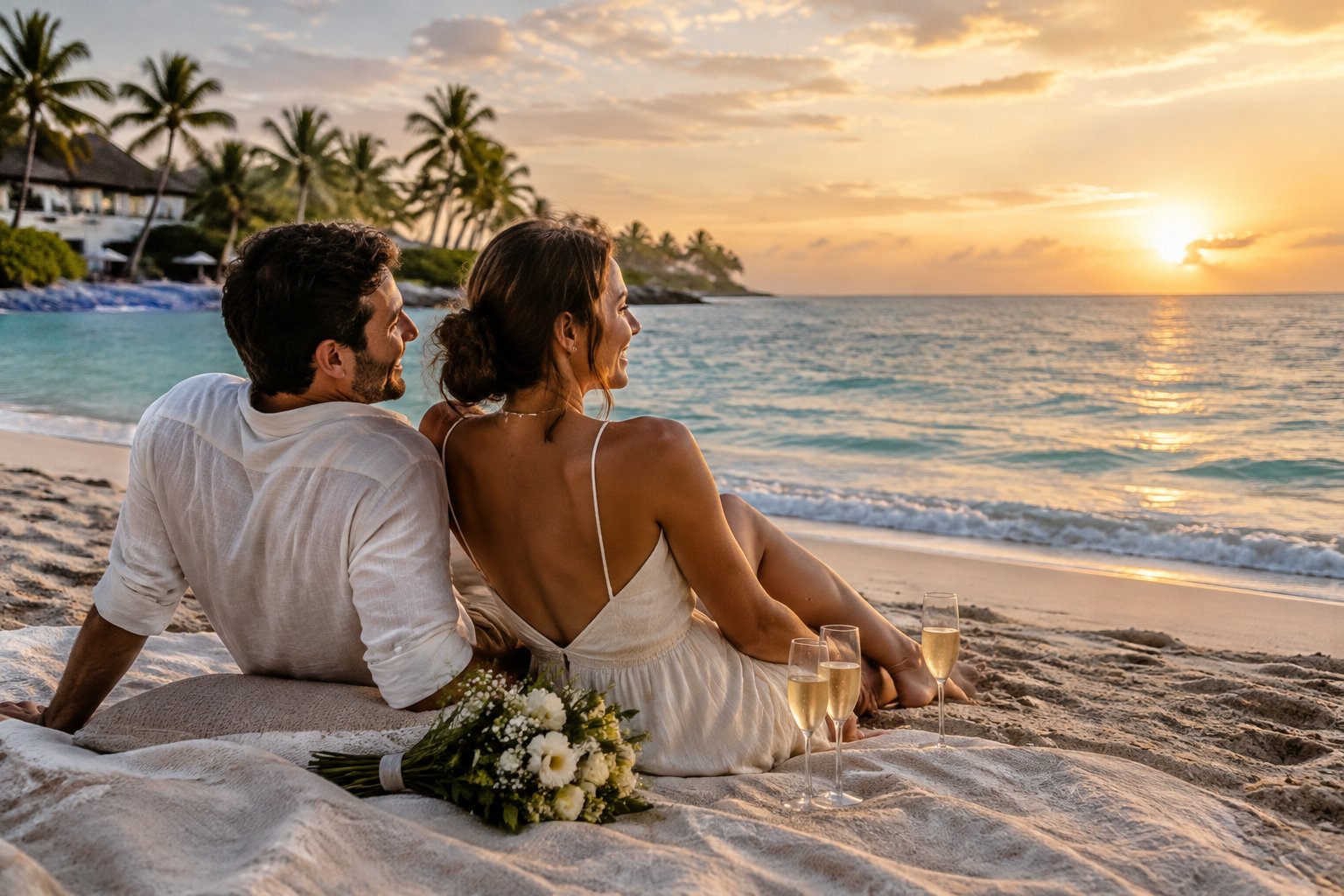
Your ideal romantic getaway comes down to your schedule, budget, travel pace, and the kind of trip you want to share. If you’re starting to plan, compare your available days off with your travel time and decide how much of the trip you want to spend exploring.
Where Does 10 Days Fit Among Common Honeymoon Lengths?
Ten days sits between a one-week honeymoon and a two-week honeymoon, giving you room for rest and activities without requiring a long absence from work. A week remains a common choice, while 14 days gives you more time for a long-haul trip or several stops.

What Is the Average Honeymoon Length?
A week is a useful reference point for the average honeymoon length in the United States, and many couples take trips of five to seven days. Your honeymoon length can stretch to 10 days when you have the time and want a slower pace or more time at your destination. For more ideas on choosing a trip duration, consider how long your honeymoon should last.
The classic honeymoon image often involves an extended escape after the wedding. Today, honeymoon traditions also include short breaks, trips booked months later, and longer journeys planned around work schedules.
Is a One-Week Honeymoon Enough?
A one-week honeymoon is enough for a nearby destination or a trip focused on one main experience, such as a beach stay or a city break. You’ll have time to unwind and enjoy several planned activities, especially when your travel days are short.
For a destination that takes a full day to reach, travel can use up a noticeable share of the week. A 10-day trip gives you a little extra breathing room for arrival, rest, and departure.
What Makes a Two-Week Honeymoon Different?
A two-week honeymoon gives you more time to recover from long travel and explore multiple areas at a comfortable pace. You can spend a few nights in each location, add a rest day between outings, or take a long-haul flight without making the trip feel compressed.
That extra time also calls for more planning around lodging, meals, and time away from work. If you prefer a single resort or a quiet retreat, 10 days may already give you the relaxed stay you want.
How Do Honeymoon Traditions Vary Across Cultures?
Honeymoon traditions vary across cultures, families, and generations. Some couples travel right after the wedding, while others celebrate at home, take a later trip, or plan a gathering with family before traveling.
You can shape the tradition around what feels meaningful to you. A 10-day trip can be your main celebration, while a shorter stay or later anniversary trip can fit just as naturally into your plans.
How Can You Tell If 10 Days Fits Your Plans?
Ten days fits your plans when your time off, travel distance, and preferred pace all support a trip of that length. Give yourself room to account for wedding recovery and travel days before choosing dates or making reservations.

Your ideal honeymoon duration should leave space for the experiences you care about and a few unplanned hours. During honeymoon planning, look at the whole trip from the day you leave home to the day you return.
How Do Work Schedules and Post-Wedding Fatigue Affect Your Timing?
Your work schedule can set a clear limit on how many days you can travel. Check both of your leave balances, work deadlines, and any time you’ll need around the wedding itself. This guide to how many days to take off after your wedding can help you think through the time away.
You may also want a day or two to rest after the celebration before boarding a flight. If your wedding involves several events or guests traveling in, add recovery time to your plans so the trip starts at a pace you can enjoy.
How Do Travel Distance and Your Honeymoon Destination Shape the Trip?
Your honeymoon destination affects how much of the trip you spend traveling. A nearby beach or city can work well for a shorter stay, while an international destination with long flights and a time-zone change often benefits from extra nights.
Choose a destination that matches the time you have. Browsing great honeymoon destinations can help you compare trip styles, and tropical honeymoon destination ideas can help you narrow down a beach-focused getaway.
What Is Your Ideal Honeymoon Duration?
Your ideal honeymoon duration is the one that gives you enough time to enjoy the trip without putting pressure on your schedule or finances. Ask each other how much you want to explore, how much downtime feels good, and how you feel about being away from home.
If you both want a relaxed stay in one place, 10 days may feel generous. If you enjoy fast-paced travel and have more leave available, you might want a longer trip with additional stops.
How Do Honeymoon Costs Change With Trip Length?
A longer honeymoon raises costs because you pay for more nights, meals, and activities, while many travel expenses remain fixed. Your destination and travel style shape the final honeymoon cost as much as the number of days.

How Can You Set a Realistic Honeymoon Budget?
Set your honeymoon budget by listing the major costs first: transportation, lodging, meals, local travel, and activities. Add a cushion for small extras, such as baggage fees, tips, or a special dinner, so your spending plan reflects the full trip.
Your daily expenses grow with each extra night, and accommodations can take a large share of the total. For a detailed cost breakdown, use this guide to how much a honeymoon costs. If you’re starting with a spending limit, these tips on how much to budget for a honeymoon can help you set a workable amount.
You can also compare package rates when meals or activities are included. All-inclusive honeymoon trips can make it easier to estimate some expenses before you travel.
When Is a Longer Stay Worth the Extra Cost?
A longer stay is worth the extra cost when it gives you meaningful time at a destination that takes effort to reach. It can also make sense if you want a slower holiday, several planned excursions, or a few nights in more than one area.
Look at the added cost per day and what those days provide. If extending the trip means cutting an experience you both care about or carrying debt into married life, a shorter stay is a sensible choice.
What Can a 10-Day Honeymoon Itinerary Look Like?
A 10-day honeymoon itinerary works well when you plan a few anchor activities and leave open time between them. For many couples, the easiest rhythm includes arrival and rest, several days of activities, and a slower finish.

How Can You Balance Relaxation and Activities?
Balance relaxation and activities by planning one main outing on selected days, then keeping other blocks of time flexible. You might book a food tour or a hike, then leave the next morning open for a late breakfast or a quiet afternoon.
A simple 10-day rhythm could look like this:
- Days 1–2: Travel, check in, and settle into the destination.
- Days 3–5: Explore with one planned activity each day.
- Day 6: Keep the day open for rest or a spontaneous outing.
- Days 7–8: Enjoy a special excursion and a relaxed evening.
- Days 9–10: Slow down, pack, and travel home.
Adjust the pace to your energy and interests. If outdoor time is a priority, explore adventurous honeymoon destinations and choose activities that fit your comfort level.
Should You Stay in One Place or Visit Multiple Destinations?
Staying in one place gives you more time to settle in and less time spent packing or traveling between hotels. It suits a resort stay, a small island, or a city with enough nearby activities to fill your days.
Two destinations can add variety to a 10-day trip, especially when the transfer is short and easy. Keep the number of stops low so travel days don’t take over your itinerary, and allow time to enjoy each place once you arrive.
Would a Mini-Moon or Extended Trip Suit You Better?
A mini-moon suits you when you want a short break close to the wedding, while an extended honeymoon suits you when you have the time, budget, and energy for a longer journey. You can also take a short trip now and plan your full honeymoon for another date.
| Mini-moon | Extended honeymoon | |
|---|---|---|
| Typical length | 2–5 days | 10 days or longer |
| Travel distance | Often nearby | Nearby or long-haul |
| Time away from work | Less | More |
| Planning load | Lighter | More involved |
| Best for | A quick post-wedding break | A longer destination trip |
When Does a Short Honeymoon Make More Sense?
A short honeymoon makes sense when your leave is limited, your wedding expenses have used most of your travel budget, or you want a low-key break close to home. A few nights at a nearby hotel, cabin, or beach can give you space to rest together without a long travel day.
A short honeymoon also works when you prefer simple plans. Pick a comfortable place, book one activity you’ll both enjoy, and leave the rest of the schedule open.
Can You Take a Mini-Moon Now and a Full Honeymoon Later?
Yes, you can take a mini-moon right after your wedding and plan a full honeymoon for a later date. The shorter trip gives you time together soon after the celebration, while the larger trip can fit a better season, schedule, or savings goal.
Choose dates for the full trip that give you enough time to plan and save. Your later getaway can be a long honeymoon, an anniversary trip, or a visit to a destination you’ve both wanted to see.
Who Is an Extended Honeymoon Best For?
An extended honeymoon suits you if you can take enough time away, have a budget that covers the added nights, and enjoy a slower trip or several destinations. It can also make long-distance travel feel more worthwhile by giving you extra days after the flights.
Before booking, confirm your work dates and set a spending limit together. Then choose whether the extra time will go toward resting in one place or adding a second stop.