
Is 100 Guests a Lot for a Wedding? Size and Planning
If you’re asking, “Is 100 guests a lot for a wedding?” A 100-guest wedding is a medium-sized celebration, close to the U.S. average and large enough to feel lively.
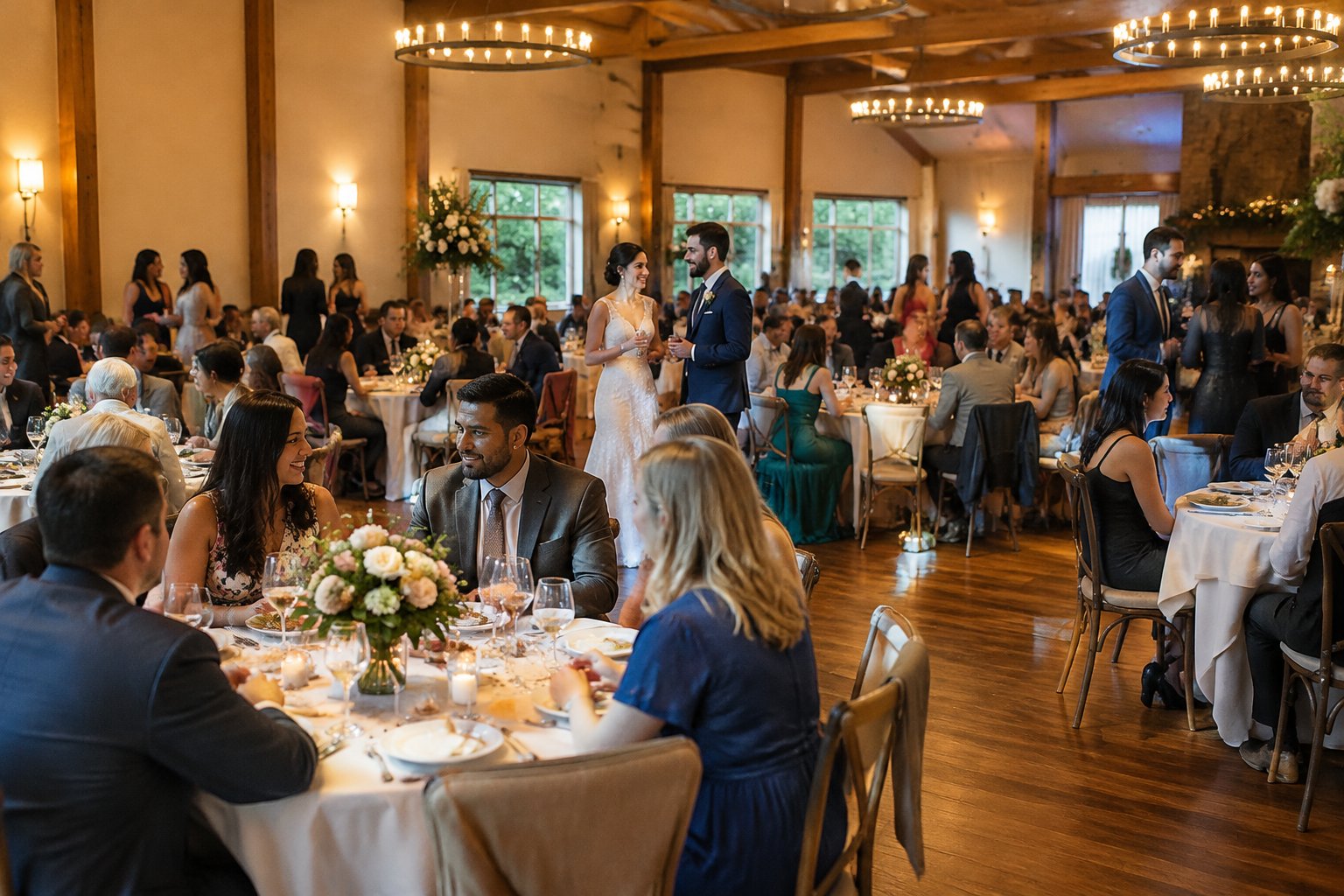
Your guest count shapes the venue, food budget, seating plan, and feel of the day. Start by writing down the people you most want beside you, then check how that list fits your budget and the kind of celebration you have in mind.
Where Does 100 Guests Fall Among Wedding Sizes?
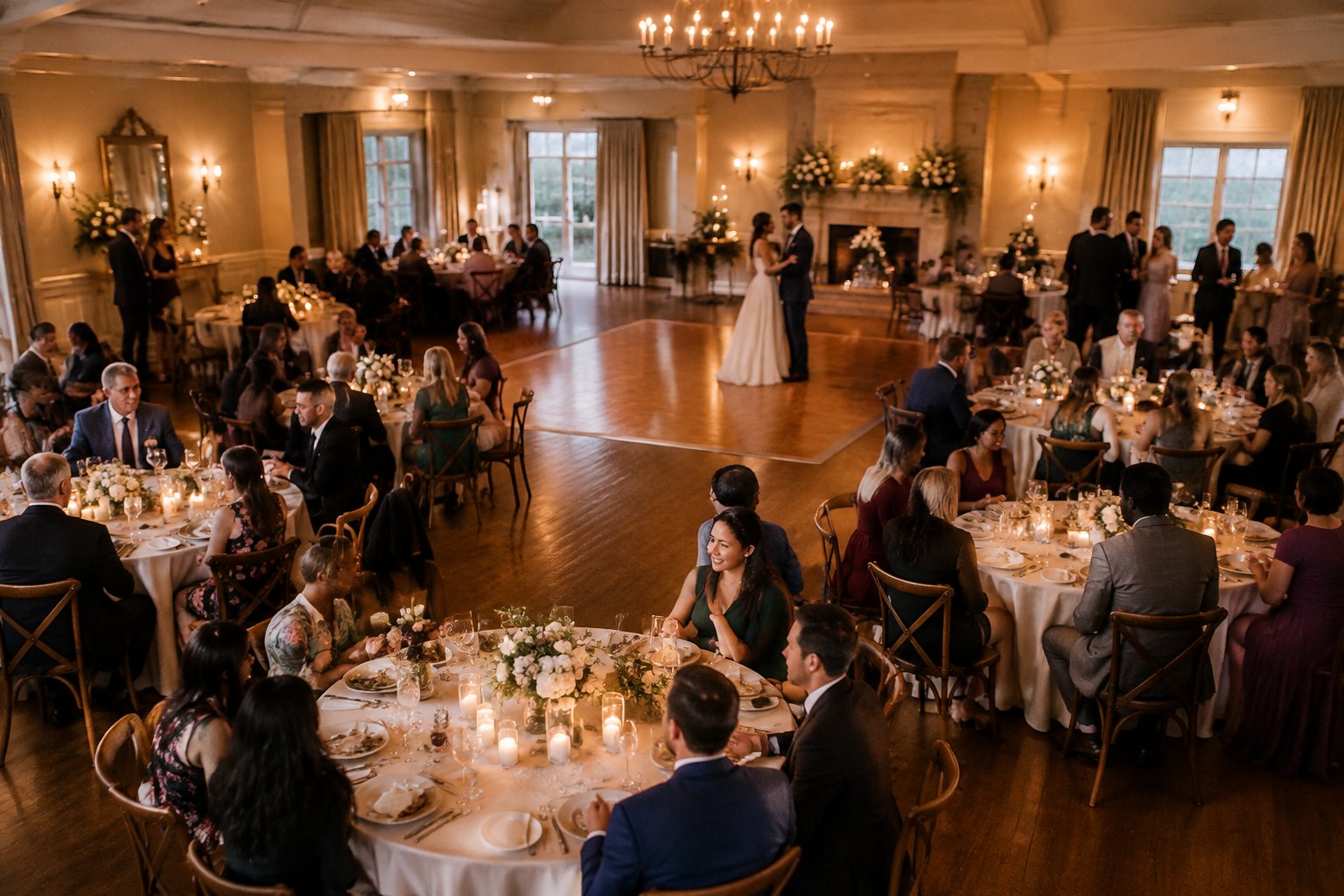
A 100-person guest list falls in the medium-sized wedding range by common planning guidelines. The labels are flexible, though, and your own expectations can make that count feel small or large.
What Counts as a Small, Medium-Sized, or Large Wedding?
Many planners use about 50 guests or fewer for a small wedding, 50 to 150 for a medium-sized wedding, and more than 150 for a large wedding. These ranges give you a useful starting point, not a strict rule.
With 100 guests, you can invite a mix of close family, friends, and other important people in your life. A small wedding gives you a shorter guest list and more time with each person. A large wedding brings a broader group together and calls for more space and coordination. If you’re weighing where your plans fit, this guide to whether 100 guests counts as a big wedding offers another way to frame the number.
How Does 100 Guests Compare With the Average Wedding Size?
A 100-person celebration sits near the U.S. average wedding size, which recent estimates place at roughly 115 to 120 guests. Your wedding is therefore close to a common guest count, even if it feels big compared with the gatherings you’ve attended.
Keep in mind that averages describe a broad group of weddings. Your family size, community, and traditions shape what feels normal to you. A 100-person list might include only close relatives and friends for one couple, while another couple may need to make hard choices to stay within that limit.
How Will 100 Guests Shape the Feel of Your Wedding?
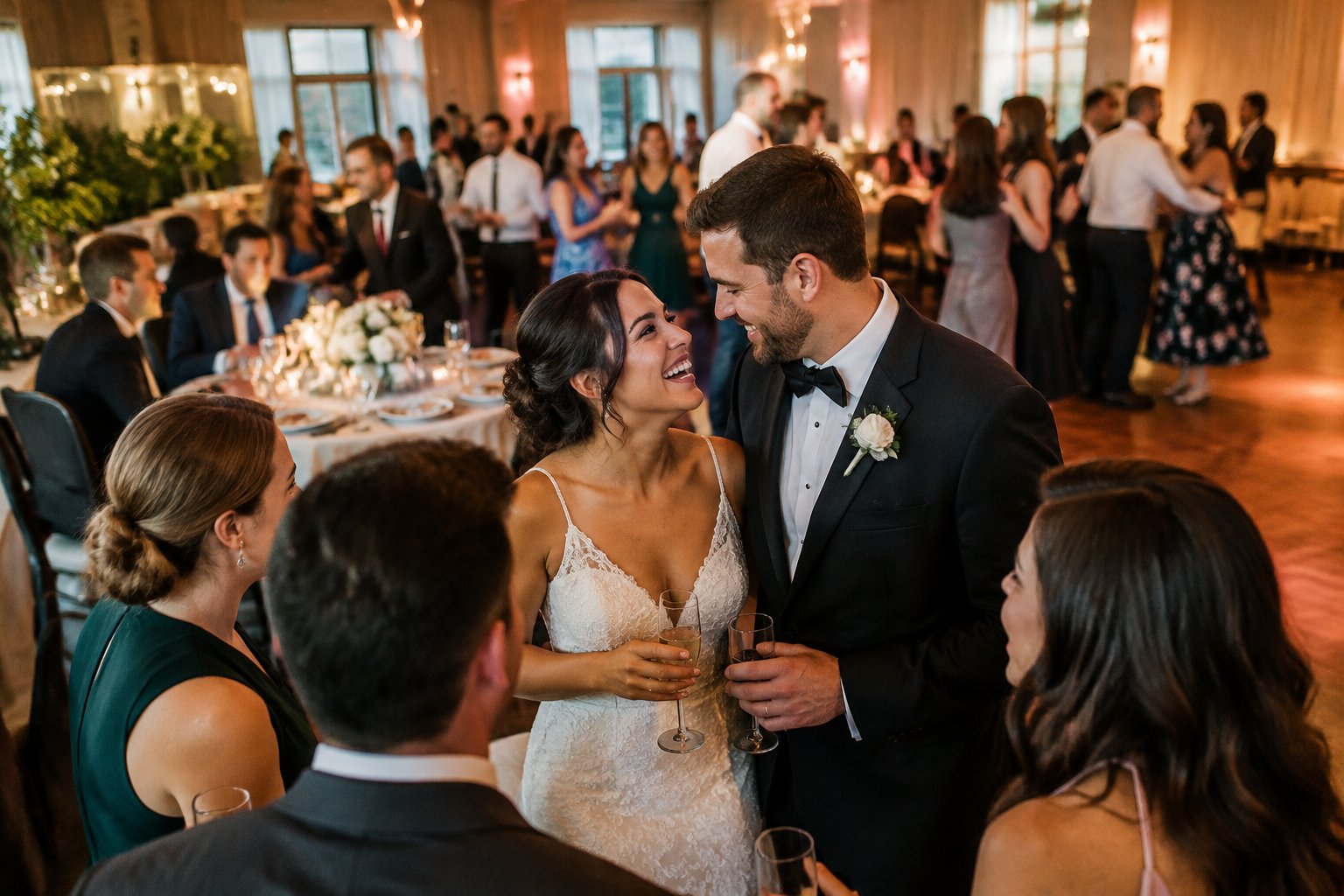
A 100-guest wedding can feel personal and energetic when your layout and schedule give guests room to connect. Your choices around seating, entertainment, and shared time will shape the atmosphere more than the number alone.
Can a 100-Person Celebration Still Feel Intimate?
Yes. You can make a 100-person celebration feel intimate by planning moments that bring people together and give you time to greet them. A welcome gathering or a relaxed cocktail hour helps guests mingle before dinner, while thoughtful table groupings make conversation easier.
Plan how you’ll spend time with guests during the reception. A receiving line or a quick visit to each table gives you a chance to say hello without relying on chance encounters. For a destination wedding, a welcome dinner or next-day brunch can create extra time with people who have traveled to celebrate with you.
How Do Culture and Venue Affect Perceptions of Size?
Your idea of a small wedding or large wedding often reflects the celebrations you know. If your family gatherings include hundreds of people, 100 guests may feel modest. If you picture a quiet ceremony with a handful of loved ones, the same count may feel substantial.
The venue also changes the feel. A large ballroom with widely spaced tables can make 100 guests seem like a small crowd, while a compact restaurant can feel lively and close-knit. A destination wedding adds another layer, since travel can limit who is able to attend and make the gathering feel especially personal.
What Should You Budget for a 100-Person Celebration?
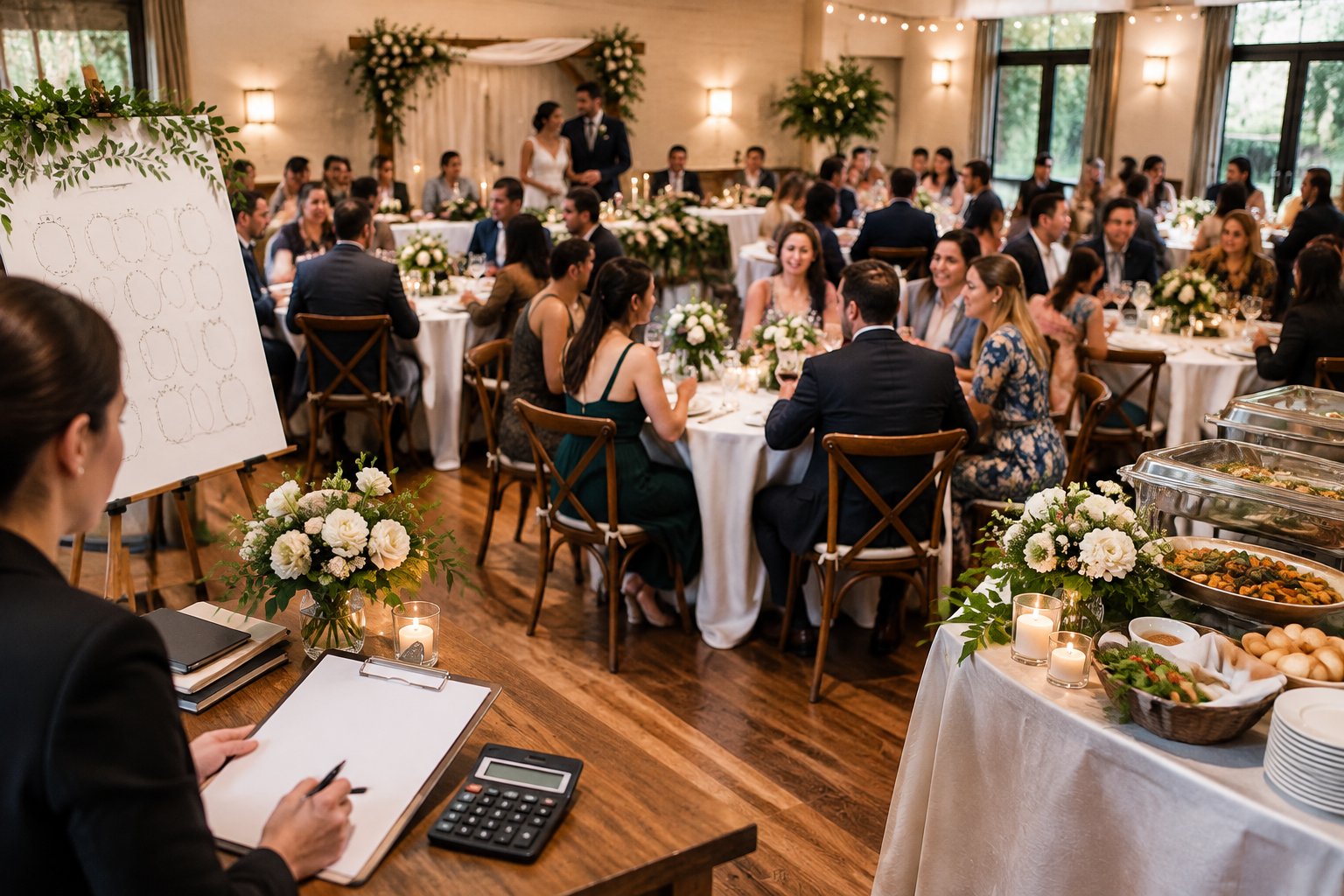
For a 100-guest wedding, your total budget depends on the venue, local prices, and the experience you want to offer. Guest count affects many costs, so set your maximum spend before you decide how much room you have for each choice.
Which Costs Rise With Each Additional Guest?
Food and drinks are among the clearest per-person costs. Each added guest can also increase spending on rentals, place settings, favors, and transportation. Ask vendors for the full price per guest, including service charges and taxes, then multiply it by your expected headcount. You can use that figure to compare how much to budget per person for a wedding.
Some costs stay more stable as your guest count changes. Photography, attire, and many entertainment packages may be priced by time or package, while venue fees can depend on the date and space. Request itemized quotes so you can see which costs change with each person and which remain fixed.
How Can You Balance Guest Count and Priorities?
Choose your top priorities before trimming your list. If a full dinner and a roomy venue matter most, you may decide to keep the guest count firm and simplify décor or favors. If inviting more people matters most, consider a buffet or a weekday date to help manage costs.
Set a clear spending limit for each major category, then check the total as vendor quotes arrive. If the estimate climbs past your limit, review optional guests and extras together. A small change in headcount can affect catering and rentals at the same time.
What Venue and Setup Work Best for 100 Guests?
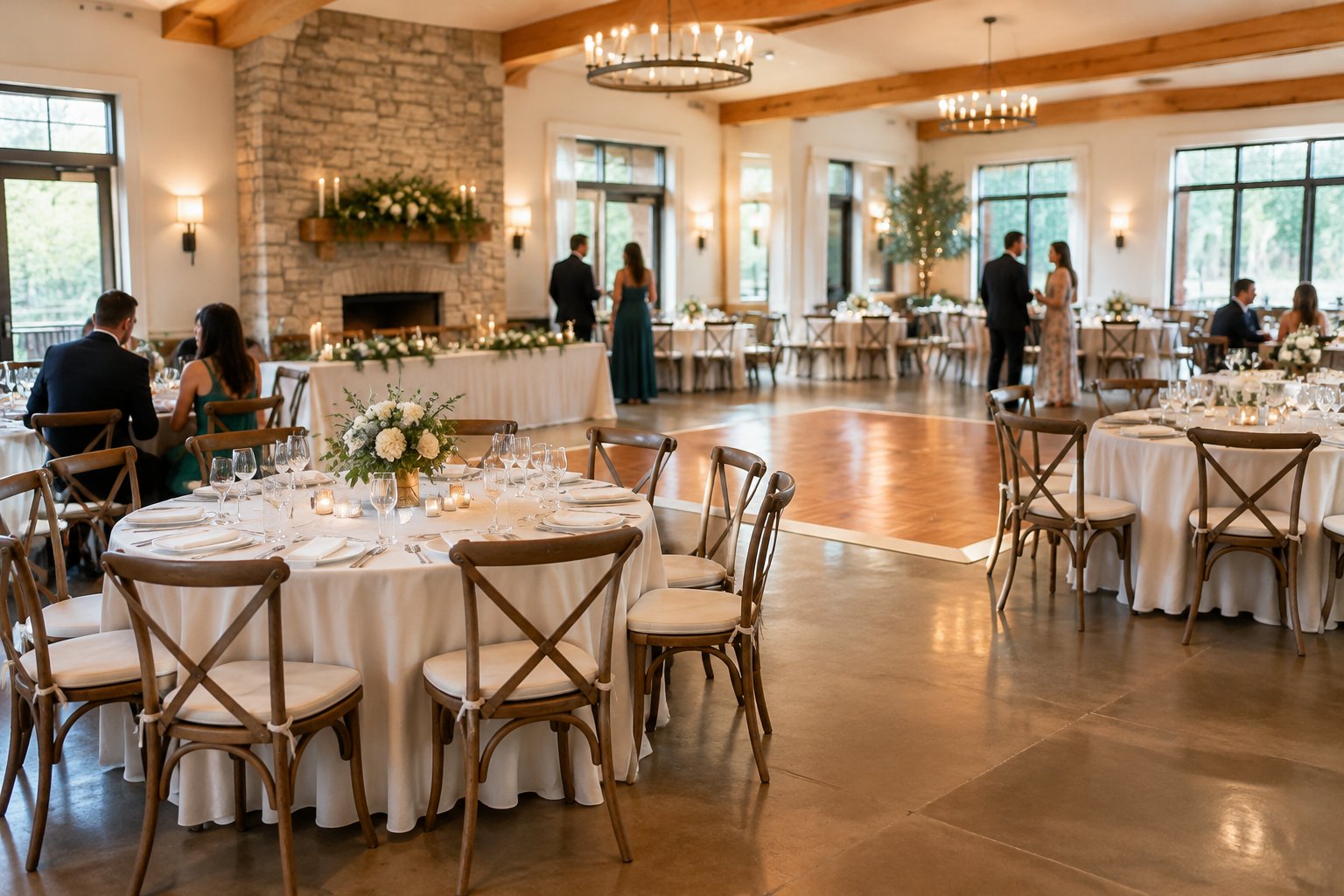
A 100-person wedding works well in a venue with enough usable space for dining, dancing, and guest movement. Look at the room’s floor plan, not only its advertised capacity, to see how your layout will fit.
How Much Space Do Dining, Dancing, and Mingling Need?
For a seated dinner, allow room for tables and chairs, clear paths for guests and servers, and space for a dance floor. The exact amount depends on table shape, entertainment setup, and whether you want a bar or lounge area. A room that fits 100 chairs in rows may feel tight once you add dinner tables and dancing.
Ask the venue for a floor plan that shows your expected setup. For round tables, your table count will depend on how many people each table seats; you can estimate the layout with this guide to tables for a 100-person wedding. Check that guests can move between tables and reach the bar, restrooms, and dance floor without crowding.
What Should You Check Before Booking a Venue?
Confirm the venue’s seated dinner capacity and ask which features that number includes. Check whether the room has space for your ceremony, dinner, and dancing, or whether staff will need to reset it between events. If your plans include an outdoor ceremony, ask what indoor backup space is available in case of rain.
Review the practical details before you sign: rental hours, tables and chairs, setup access, catering rules, accessibility, parking, and cleanup. For a destination wedding, also consider nearby lodging and transportation so guests can get to and from the venue.
How Can You Set and Manage Your Guest List?
A clear guest-list plan helps you stay within your budget and venue limit. Agree on the rules with your partner first, then share those guidelines with family members who are helping with the list.
Who Should Make the Final Invite List?
You and your partner should make the final decisions together. If relatives are contributing money or have strong expectations, discuss their input early and decide how many invitations each side can suggest. A fair system can set a guest allowance for each group or use shared rules for children, plus-ones, and coworkers. If you’re sorting out family roles, this guide to who decides the wedding guest list can help you plan that conversation.
Start with your must-invite guests, then add people you’d like to include if space allows. Agree on consistent guidelines, such as inviting all cousins in a group or giving plus-ones to guests in long-term relationships. Clear rules make it easier to keep the list close to 100 without turning each invitation into a separate debate.
How Should You Estimate Attendance and Track RSVPs?
Build your list around the number of people your venue and budget can accommodate. Some invited guests will decline, but the exact number is hard to predict, especially for a destination wedding. Don’t invite above your venue’s limit based on an assumed decline rate.
Use a spreadsheet or guest-list tool to record each household, invitation status, RSVP, meal choice, and any accessibility needs. Set an RSVP deadline that gives you time to follow up with late responders. Once replies are in, send the confirmed headcount to your venue and caterer by their stated deadline.