
Is 100 Guests a Lot? Understanding Your Event Size Options
When planning a wedding, one big question often comes to mind: 100 guests is generally considered a medium-sized wedding. This number can feel either large or small, depending on your circle and cultural expectations.
Understanding where your celebration fits on the scale of wedding sizes can help you make important decisions about your budget, venue, and overall experience.
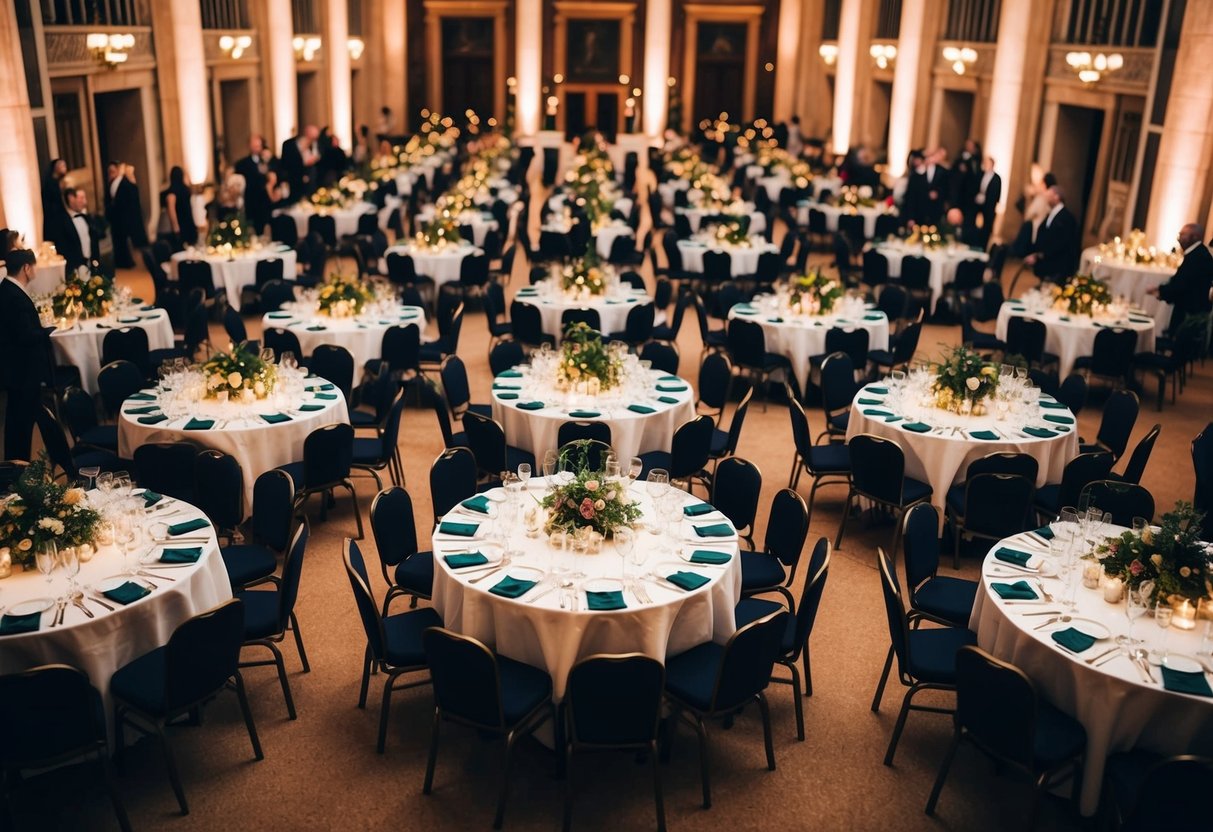
If you’re wondering how to accommodate this guest list, remember that a wedding of 100 typically offers a nice balance. It allows for an intimate feel while still providing enough energy and excitement.
Many couples enjoy the opportunity to celebrate with friends and family without the overwhelming logistics that come with a larger crowd.
As you think about your own wedding, consider your priorities and what atmosphere you want to create. Whether you lean towards a cozy setting or a lively celebration, knowing the guest count can guide your choices and help you plan the perfect day.
Understanding Wedding Sizes

When planning your wedding, you’ll notice different sizes are common. Here’s a simple breakdown:
- Small Wedding: Typically includes up to 50 guests. This type is perfect for an intimate gathering with close family and friends.
- Medium Wedding: Usually has between 50 and 150 guests. This size offers a balance of intimacy and celebration.
- Large Wedding: Anything over 150 guests falls into this category. It’s great for those wanting a big celebration with numerous friends and family.
You might also hear terms like micro wedding. This usually includes fewer than 20 guests and focuses on a very personal experience.
An elopement is a more private option where you typically only have a witness or two present. This can make for a truly special and unique day.
The average wedding size in recent years has been around 117 guests. Many couples find that 75-85% of those invited will attend.
Deciding on your guest list can affect your budget significantly. More guests often means higher costs for catering and venue space. Understanding these wedding sizes can help you choose what fits your vision.
Planning Your Wedding Experience
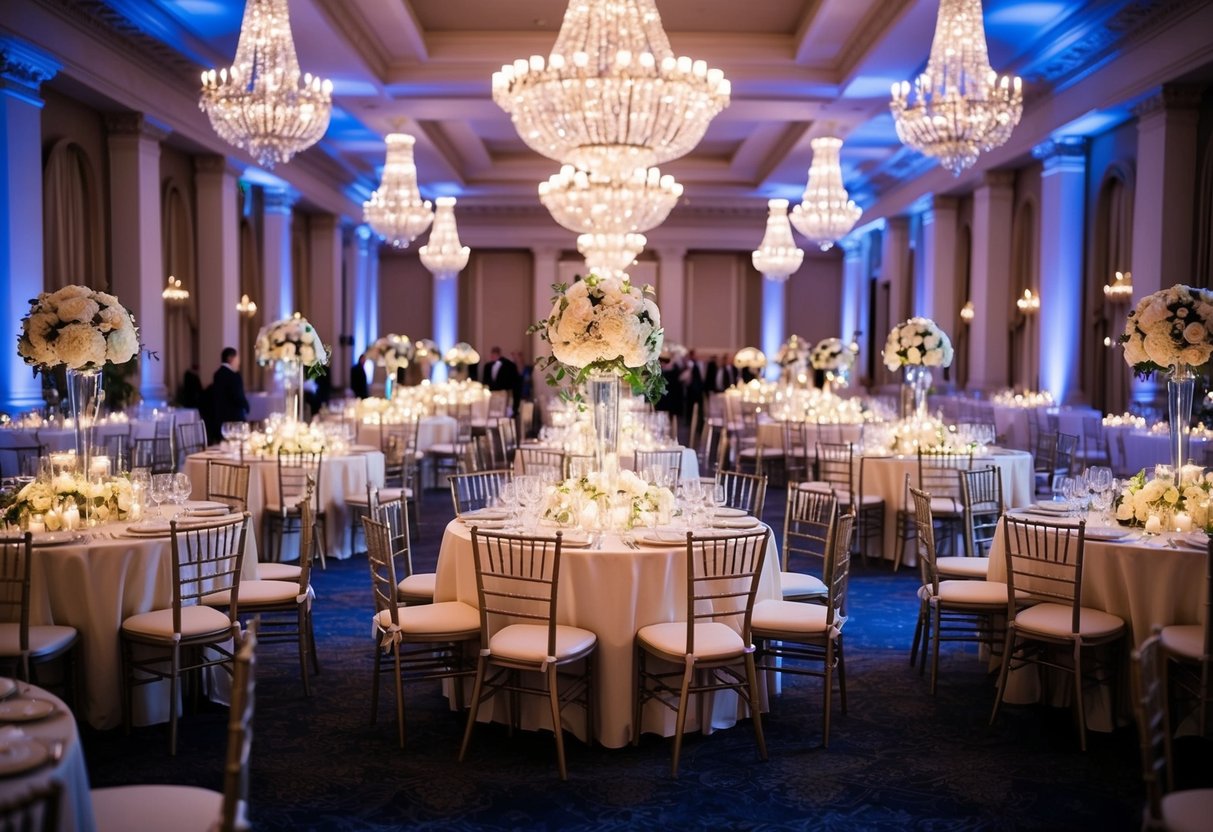
Creating a memorable wedding experience involves careful planning and thoughtful choices. You will need to consider your guest count, choose the right venue, and select enjoyable entertainment options.
Setting the Guest Count
Deciding on your wedding guest list is one of the first steps in planning. It’s important to think about the atmosphere you want. A count of 100 guests can feel intimate yet lively, allowing you to connect with everyone.
Consider who you want to invite—immediate family, close friends, and perhaps a few co-workers.
Create a draft list to review and adjust.
Tip: Keep track of RSVPs to help manage seating and catering arrangements later.
Selecting the Right Venue
Choosing a venue that suits your guest count is crucial. A space that accommodates 100 people comfortably will enhance your guests’ experience.
Look for venues with enough room for dining, dancing, and mingling.
Think about location, accessibility, and whether the venue reflects your style.
Must-Have Amenities:
- Adequate seating and tables
- Space for entertainment
- Parking options
Visit potential venues to see how they feel in person.
Choosing Entertainment Options
Entertainment can really set the tone for your wedding day. Depending on your style, you might consider a DJ or a live band for your reception.
If you have 100 guests, get to know their preferences. A mix of upbeat songs and slow dances creates a fun atmosphere.
Entertainment Ideas:
- Photo booths for candid moments
- Live performers for a unique touch
- Games or activities to engage guests
Don’t forget to ask your entertainment about equipment needs, so you’re prepared ahead of time.
Budgeting for Your Big Day
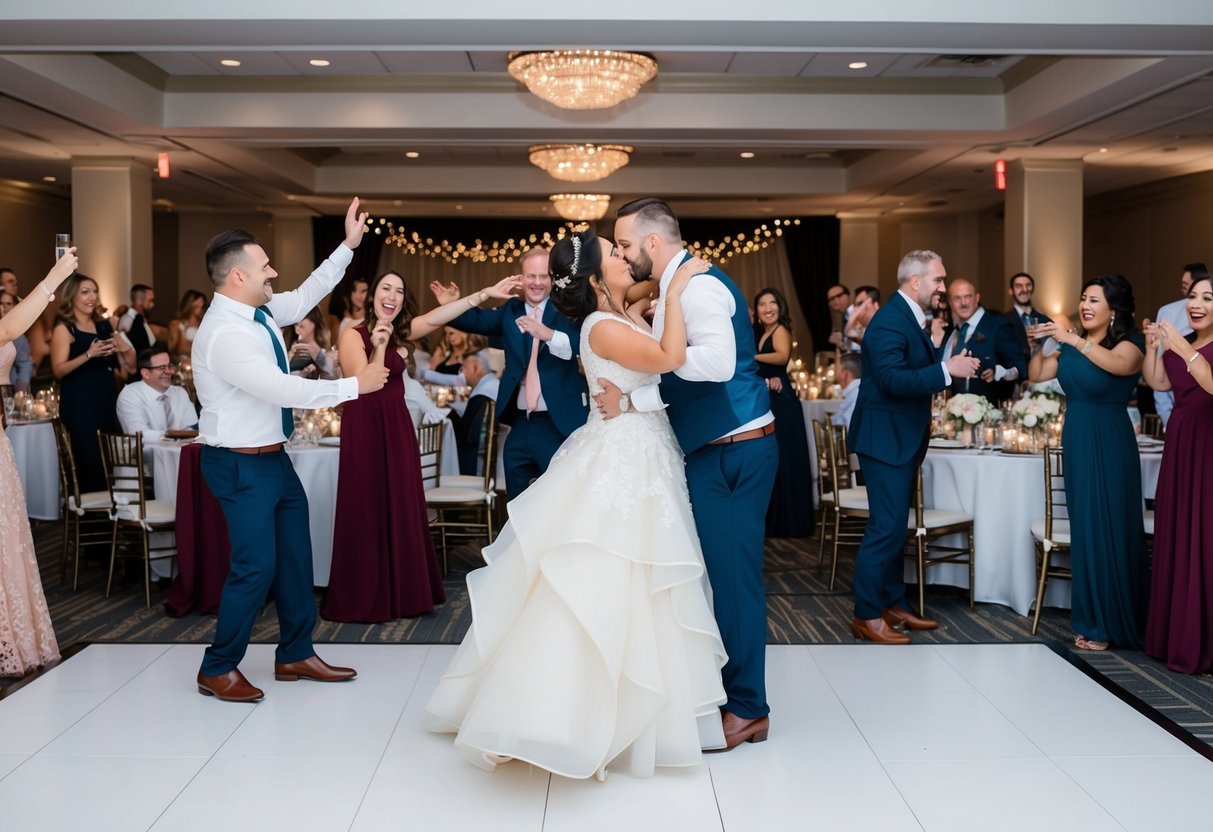
Planning a wedding for 100 guests involves careful budgeting. Knowing how to allocate your funds and being aware of hidden expenses can make a big difference in how much you spend. Here are some essential points to consider.
Allocating Funds
First, think about your total budget. The average cost of a wedding can range significantly, but for a 100-guest wedding, you might want to allocate around $20,000 to $30,000.
Break this down into categories like venue, catering, and decorations.
Here’s a simple way to allocate funds:
- Venue: 30%
- Catering: 40%
- Photography: 10%
- Decorations: 10%
- Other Expenses: 10%
Catering often takes the largest slice of the budget. For 100 guests, this could vary from $10 to $150 per person depending on your choices.
Think about menu options that fit your budget yet still impress your guests.
Hidden Expenses
Many couples overlook hidden wedding expenses. These can sneak up on you, so it’s wise to plan ahead. Here are some common hidden costs:
- Gratuities: Service fees for catering and vendors, often around 15-20%.
- Taxes: Sales tax can add up quickly, especially on food and drinks.
- Venue Restrictions: Some venues charge extra for cleaning, security, or using outside vendors.
Always read the fine print in contracts. Ask questions. This way, you can avoid surprises that could disrupt your carefully planned budget.
Staying informed about potential hidden costs will help you stick to your financial plan and make your big day enjoyable.
Managing Guest List Dynamics

When planning an event with a sizable guest list, especially for a wedding, effective management is key. You need to carefully craft your guest list and keep track of RSVPs to ensure everything runs smoothly on your special day.
Crafting Your Guest List
Start by identifying the people most important to you. For a wedding, prioritize family and close friends. This helps create an intimate atmosphere.
Consider your venue size as well. For a destination wedding, you may find that not all local guests can attend due to travel costs.
Create a draft list, noting who you want to invite and any plus-ones.
A good rule of thumb is to expect about 75-85% of invited guests to attend. Keeping track of this percentage will help you manage the guest count more accurately.
Sending Invitations and Tracking RSVPs
Once you have your guest list ready, you can start sending out your wedding invitations. Make sure to make them personal and clear. Include details like the date, location, and how to RSVP.
Use online tools or spreadsheets to track RSVPs effectively. This way, you can see who can attend and who cannot. You might also want to send a quick reminder to guests who haven’t responded by the deadline.
Keeping track of local guests may allow you to adjust your plans or accommodate them better. Also, remember to note any special requests or dietary restrictions. This will ensure that everyone feels welcomed and included on your big day.