
Is $10,000 Enough to Get Married? A Practical Guide to Budgeting for Your Big Day
Planning a wedding on a budget can feel overwhelming, especially with the average cost skyrocketing to around $30,000. Many couples wonder if $10,000 can be enough to create a beautiful and memorable wedding if you prioritize your spending wisely. With careful planning, you can stretch your budget to cover the essentials while still enjoying your special day.

Choosing what matters most to you and your partner is key. Whether it’s the venue, food, or dress, focusing on your top priorities allows you to allocate your funds effectively.
There are also many creative ways to save money and have an affordable wedding, like DIY decorations or having a smaller guest list.
Throughout this article, you’ll discover practical tips and ideas that can help you succeed in hosting a lovely celebration without overspending. Ready to find out how to make the most of your $10,000 wedding budget? Keep reading for insights and inspiration!
Understanding the Basics of Wedding Budgeting

Budgeting for a wedding can feel overwhelming, especially with a set amount like $10,000. By assessing your finances and breaking down your budget, you can allocate your funds wisely and make informed choices.
Assessing Your Finances
Before diving into wedding planning, take a close look at your finances. Start by calculating your total savings available for the wedding. Consider any contributions from family or friends. This gives you a clear picture of your overall budget.
Next, outline your essential expenses. Common wedding costs include venue fees, catering, attire, and photography. Make a preliminary list of must-haves and nice-to-haves. This will help you prioritize where to spend your money and where you might want to cut costs.
Also, keep in mind unexpected expenses. Setting aside a small buffer for surprises is smart. Be honest about your spending habits to avoid overextending your budget.
Breaking Down the $10,000 Budget
With $10,000, you’ll want to create a detailed budget breakdown. A typical allocation might look like this:
- Ceremony and Reception: $4,600
- Catering and Drinks: $2,500
- Attire: $1,500
- Photography: $1,200
- Flowers and Decorations: $800
- Miscellaneous Expenses: $400
This is just a general idea, and your costs may vary. To save money, consider these tips:
- Choose a non-traditional venue. Options like parks or backyards can cut costs significantly.
- DIY decorations. Get creative and make your own centerpieces and favors. This adds a personal touch without stretching your budget.
- Negotiate with vendors. Don’t be afraid to ask for discounts or bundle deals.
By planning carefully, you can enjoy your wedding day without financial stress.
Prioritizing Key Wedding Elements
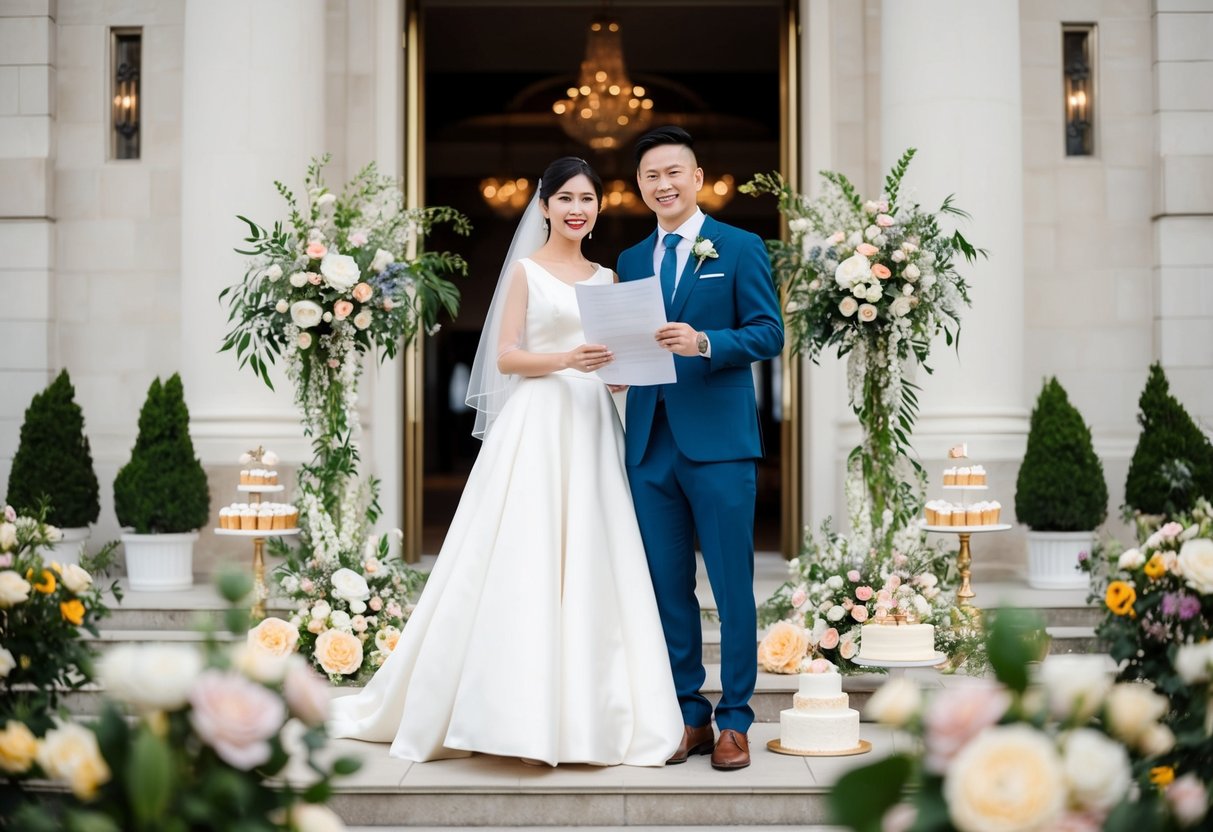
When planning your wedding on a budget, it’s essential to focus on what matters most to you. This means making thoughtful choices about your venue, attire, decor, and photography. Each element can greatly influence your wedding day experience and memory.
Choosing the Right Wedding Venue
Selecting a venue is often one of your largest expenses. Begin by identifying locations that reflect your style. Consider places that require less decoration or have beautiful scenery for a natural backdrop.
Think about inviting fewer guests to save on costs. A smaller gathering at a charming venue can create an intimate atmosphere. Research off-peak times for discounts and explore venues that allow you to bring in your own catering.
Selecting Attire Within Budget
Wedding attire is important but can vary greatly in price. Start by deciding if you prefer a traditional bridal gown or something more casual. Don’t hesitate to explore options like renting or buying second-hand dresses.
Consider checking local boutiques or online shops for sales. Always keep alterations in mind. Fitting a dress or suit can add to the cost, so allocate some budget for this.
Deciding on Wedding Decor and Flowers
Decor and flowers help set the mood for your wedding. Focus on key areas like the ceremony and reception tables. Select decorations that are meaningful to you, such as family heirlooms or DIY projects.
For flowers, seasonal blooms can be more affordable. Think about opting for fewer but larger arrangements to create a visual impact. This approach can save money while still looking beautiful.
Allocating Funds for Photography and Cake
Photography captures your special day, making it a crucial investment. Look for photographers who offer packages that fit your budget. Ask to see their portfolios to find a style you love.
Your wedding cake is another important detail. Decide whether you want a custom cake or a smaller dessert option. Simple designs can be cost-effective, and many bakeries offer sample tastings to help you choose flavors within your budget.
Innovative Ways to Save on Wedding Costs

There are many creative strategies to help you minimize your spending while still having a memorable wedding experience. From choosing the type of ceremony to being smart about the timing, think outside the box to make your budget work for you.
Considering Alternative Wedding Types
You might explore alternatives like a micro wedding or an elopement. A micro wedding usually includes fewer than 50 guests, making it more intimate and personal. This can reduce costs significantly on food, venue, and decorations.
Another option is a backyard wedding. Hosting the event in your own yard or at a family member’s home can save you money on venue fees. Plus, it creates a warm and cozy atmosphere that many guests will love.
Time Your Wedding for Savings
Choosing the right date can lead to big savings as well. Consider an off-peak wedding date. Most couples opt for spring or summer weekends, meaning prices are high during these busy times. Instead, try planning your wedding for a winter month or on a weekday.
These dates often come with discounts from venues and vendors eager for business. This tactic can help you stretch your budget even further.
Creative Solutions for Wedding Favors and Extras
When it comes to wedding favors, think outside the box. Instead of typical trinkets, consider homemade treats or personalized playlists. You can create custom playlists for guests to enjoy, adding a personal touch without breaking the bank.
Also, you might want to create a smaller guest list. By inviting only your closest friends and family, you can save on food and drinks.
Try a cocktail-style reception, offering light appetizers instead of a full dinner. This can create a laid-back atmosphere while keeping costs down.
Combining these ideas can help you design a beautiful wedding without overspending.
Finalizing Your Wedding Plans
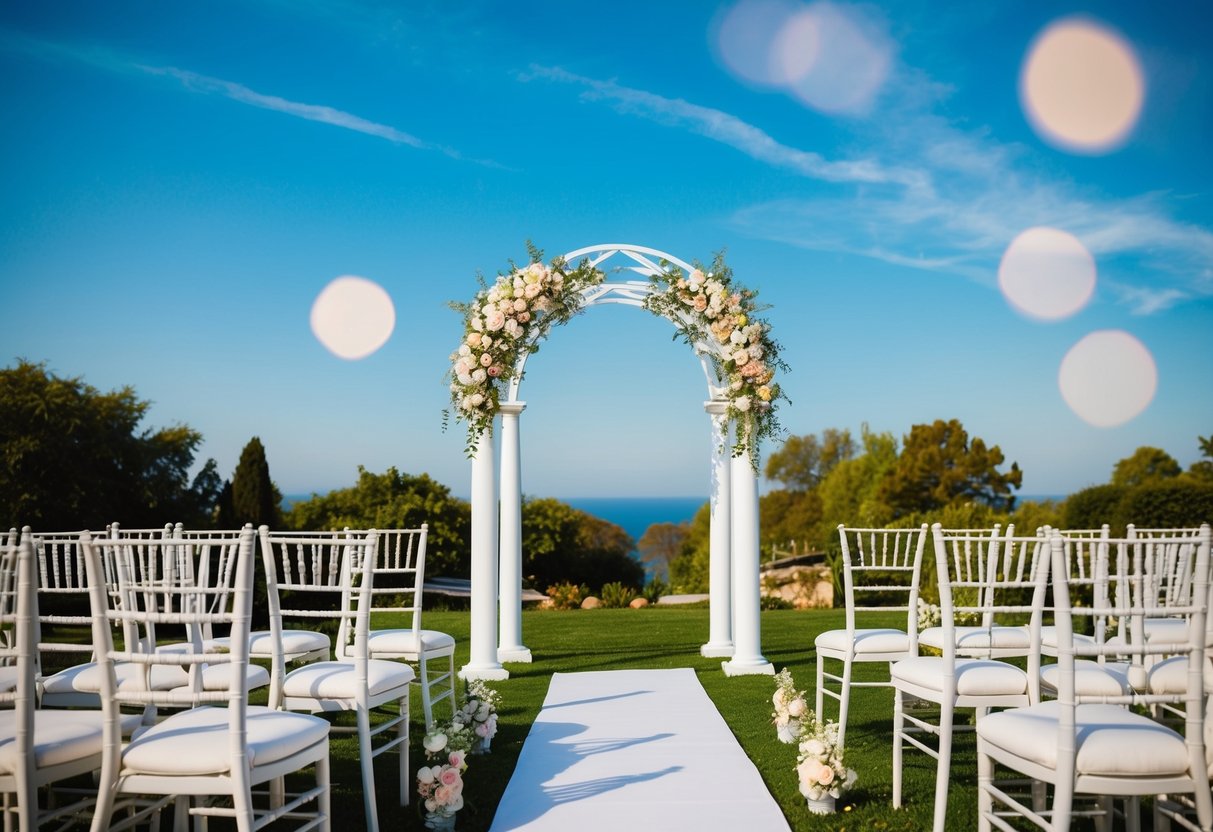
As you get closer to your big day, it’s time to nail down important details. You will need to consider your guest list, whether to hire a wedding planner, and securing all the necessary elements for your celebration.
Drafting a Guest List
Creating your guest list is one of the first steps to solidify your wedding plans. Start by discussing with your partner how many people you both want to invite.
Think about family, close friends, and coworkers. Aim for a guest count that fits within your budget, as more guests mean more costs.
Once you have a preliminary list, organize it into categories: must-invite, want-to-invite, and not-invite. This way, you can adjust if needed. Stay flexible, especially if you have a $10,000 budget to work with.
Hiring a Wedding Planner or DIY
Deciding whether to hire a wedding planner or go the DIY route can be crucial for your wedding plans. A wedding planner can reduce stress and help manage logistics, from finding vendors to coordinating timelines.
If you choose to DIY, consider your strengths. You might be great at decorations or have friends who can assist with hair and makeup.
Don’t forget to account for expenses like a wedding dress and bridal bouquet if you’re not working with a planner. Create a checklist of tasks to keep your planning organized.
Securing the Details for the Big Day
Get ready to secure all the critical details for your wedding day. First, book your venue. Make sure the venue can accommodate your guest count comfortably.
You’ll also need to arrange for the wedding reception, catering, and entertainment. Don’t forget to order the wedding bands ahead of time.
Lastly, don’t overlook hair and makeup. Schedule trials beforehand to ensure you’re happy with your look. Keeping organized will help everything run smoothly on your special day.