
Is 2 Hours Too Short for a Wedding Reception? Tips for a Memorable Celebration
When planning your wedding, you may wonder if a two-hour wedding reception is enough time for your guests to enjoy the festivities. In general, most receptions typically last between four to seven hours, so two hours is considered too short for a wedding reception.
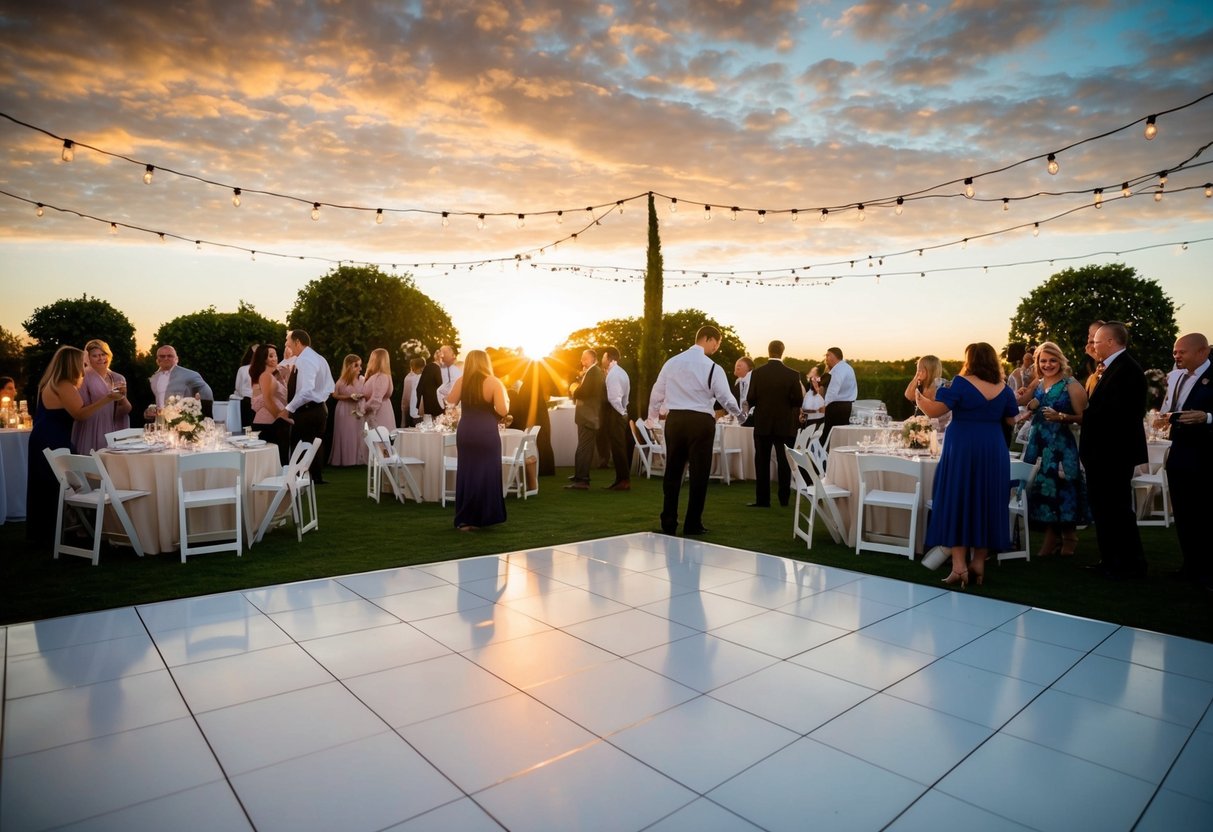
A shorter reception can leave guests feeling rushed, and you might miss out on important moments like socializing, toasts, and dancing. You want your wedding day to feel relaxed and joyful, so thinking about how much time you need for each part of the celebration is essential for creating a memorable experience for you and your guests.
Whether you’re getting married in a grand hall or a small venue, planning a longer reception allows everyone to savor the special moments. If you’re considering a two-hour reception, it’s worth exploring how that might affect the overall feel of your big day.
Understanding Wedding Reception Timelines
Knowing the timeline of a wedding reception is essential for planning. It helps you determine if two hours will work for your celebration. A good timeline includes various activities, allowing for a smooth flow throughout the event.
The Typical Duration of Wedding Receptions
Most wedding receptions last between four to five hours. This duration is friendly for guests and allows for a mix of activities.
A typical timeline may look like this:
- Cocktail Hour: 1 hour
- Dinner: 1.5 to 2 hours
- Dancing and Activities: 1.5 to 2 hours
In a shorter reception, like two hours, you’d need to condense everything. This could mean skipping the cocktail hour or rushing through dinner.
Many couples also include special moments like speeches, cake cutting, and the bouquet toss. These elements enhance the celebration but require time to enjoy.
Factors That Influence Reception Length
Several factors will affect how long your reception lasts. First, the type of venue can play a big role. Some venues have restrictions on how long events can run.
Your guest count also matters. More guests can mean longer waits for dinner service and activities.
Consider the entertainment as well. A live band may need more time for setup and breaks compared to a DJ.
The order of events matters too. If you want to include classic elements like speeches or games, you will need to plan for them.
The Importance of Scheduling Key Reception Events
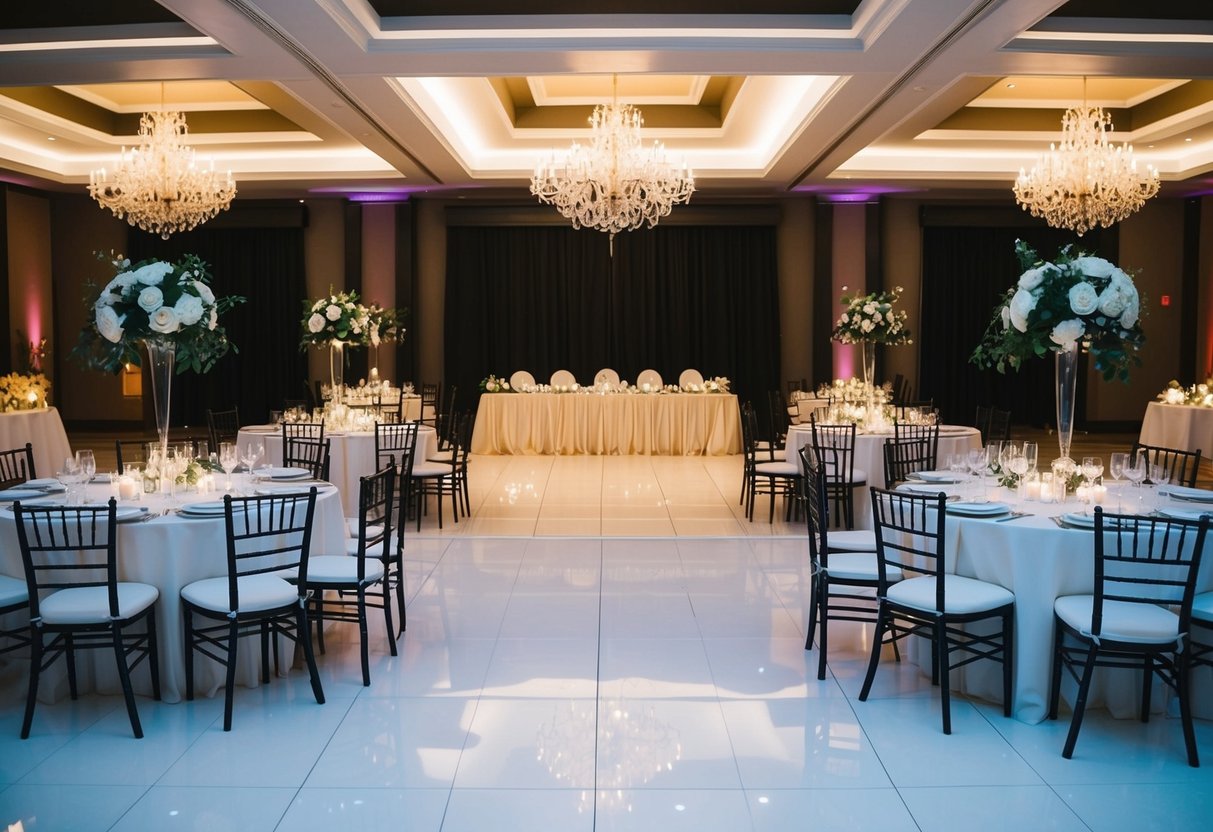
Effective scheduling is crucial for creating a memorable wedding reception. You want to ensure you have enough time for all the special moments. Proper planning helps to keep everyone engaged and makes sure that no important events are missed.
Allocating Time for Celebration Highlights
Start by identifying key moments that you want to include in your reception. This typically involves your first dance, cake cutting, and speeches from close family or friends.
First Dance: Plan this for a time when guests are settled and ready to celebrate. It’s often best to have it right after dinner to maintain energy.
Cake Cutting: Schedule this after dancing begins, but not too late in the evening, so everyone can enjoy dessert before they leave.
Dancing: Allocate enough time for this to create a fun atmosphere. An open bar can help keep the spirits high, encouraging more dancing and enjoyment. Aim for at least 30-45 minutes of dedicated dancing time.
Coordinating with Vendors and Venues
Effective coordination with your vendors and wedding venue can make or break your schedule. Communication is essential.
Make sure your caterer knows your timeline. They will help ensure that dinner is served promptly so you stay on track.
Venue Managers: Work closely with them to understand how your timeline affects their setup. They might suggest the best times for different events based on their experience.
Wedding Party: Brief your wedding party on the schedule. This helps them be ready for their roles, such as toasting or dancing, and ensures smooth transitions between events.
Customizing Your Reception to Reflect Your Wedding Vision
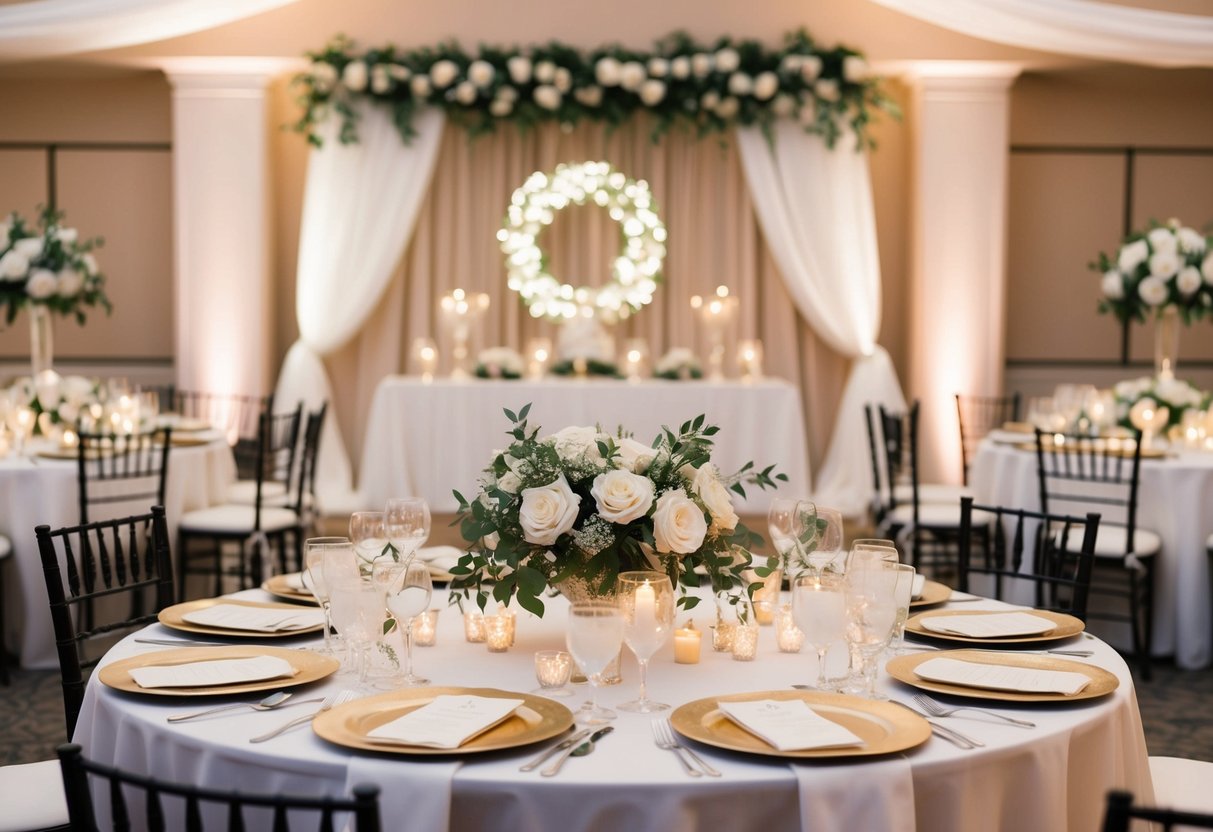
Creating a wedding reception that reflects your unique vision is important, especially when considering cultural traditions and the size of your gathering. You can tailor your event to ensure it resonates with you and your guests.
Considering Cultural Traditions
Cultural traditions can play a significant role in your wedding and reception. For example, in Indian weddings, celebrations can last several days, including multiple ceremonies. Incorporating traditional elements can make your reception feel more authentic.
Think about what customs you want to include. Perhaps you’ll want to feature a specific cuisine or traditional dance during your event. You could set aside time for rituals or to honor family heritage.
Using symbols or decorations from your culture can enhance the atmosphere. It helps your guests connect more deeply with your celebration. Pay attention to the specifics to ensure they align with your vision.
Adjusting for Intimate Gatherings
If you have a small wedding, embracing the intimacy can lead to a memorable reception. With fewer guests, you can focus on personal touches. This is your chance to create meaningful experiences for everyone.
Consider hosting your reception in a cozy venue or even at home. You might opt for a sit-down dinner to encourage conversation.
Think about activities that engage everyone, like sharing stories or playing games.
The length of your reception also matters. You may find that two hours is just right for an intimate gathering, allowing everyone to connect without feeling rushed. Aim for quality time over quantity, crafting an environment that feels warm and friendly.