
Is 2 Weeks Too Long for a Honeymoon? A Practical Guide
You may be asking, “Is 2 weeks too long for a honeymoon?” A two-week trip is a comfortable choice when your time off, budget, and appetite for travel support an extended getaway. The right honeymoon length gives you room to enjoy your honeymoon phase at a pace that feels good to you and your partner.

You can use two weeks to settle into one destination or explore a few places without rushing. Start by comparing your calendars and setting a budget, then choose a trip length that lets you enjoy the experience without creating stress at home or work.
What Couples Typically Choose
Five to seven days is a common honeymoon length, while a two-week trip sits at the longer end of many couples’ plans. Survey figures differ, so treat the average honeymoon length as a reference point, not a rule for your own trip.

Your preferred pace and travel plans help you decide whether a typical honeymoon fits or a longer stay makes more sense. For a closer look at the options, consider how long your honeymoon should last.
How the Average Length Varies Across Surveys
Surveys describe the average honeymoon length in different ways. One 2024 survey found that 56% of couples took five to seven days, while 28% traveled for one to two weeks.
Other summaries place a typical trip around seven to ten days. Those ranges reflect different ways of describing honeymoon duration. A survey may report the most common trip length, while another gives a broader estimate.
Use the numbers as context, then focus on the trip you want and the time you have.
Where a Two-Week Trip Fits
A two-week honeymoon gives you more time than the most common five-to-seven-day trip, while remaining a practical option for couples with enough leave and savings. You can stay in one place for a restful break or add a second stop without packing every day with activities.
Your schedule also shapes what two weeks feels like. Fourteen days away from home may include long flights, transfers, or a day to recover from travel. Count those days when you decide how much time you’ll have to enjoy the destination.
What Two Weeks Can Make Possible
A long honeymoon gives you more room to settle in, explore, and rest between plans. With a flexible itinerary, you can fit in honeymoon activities while leaving space for quiet time together.
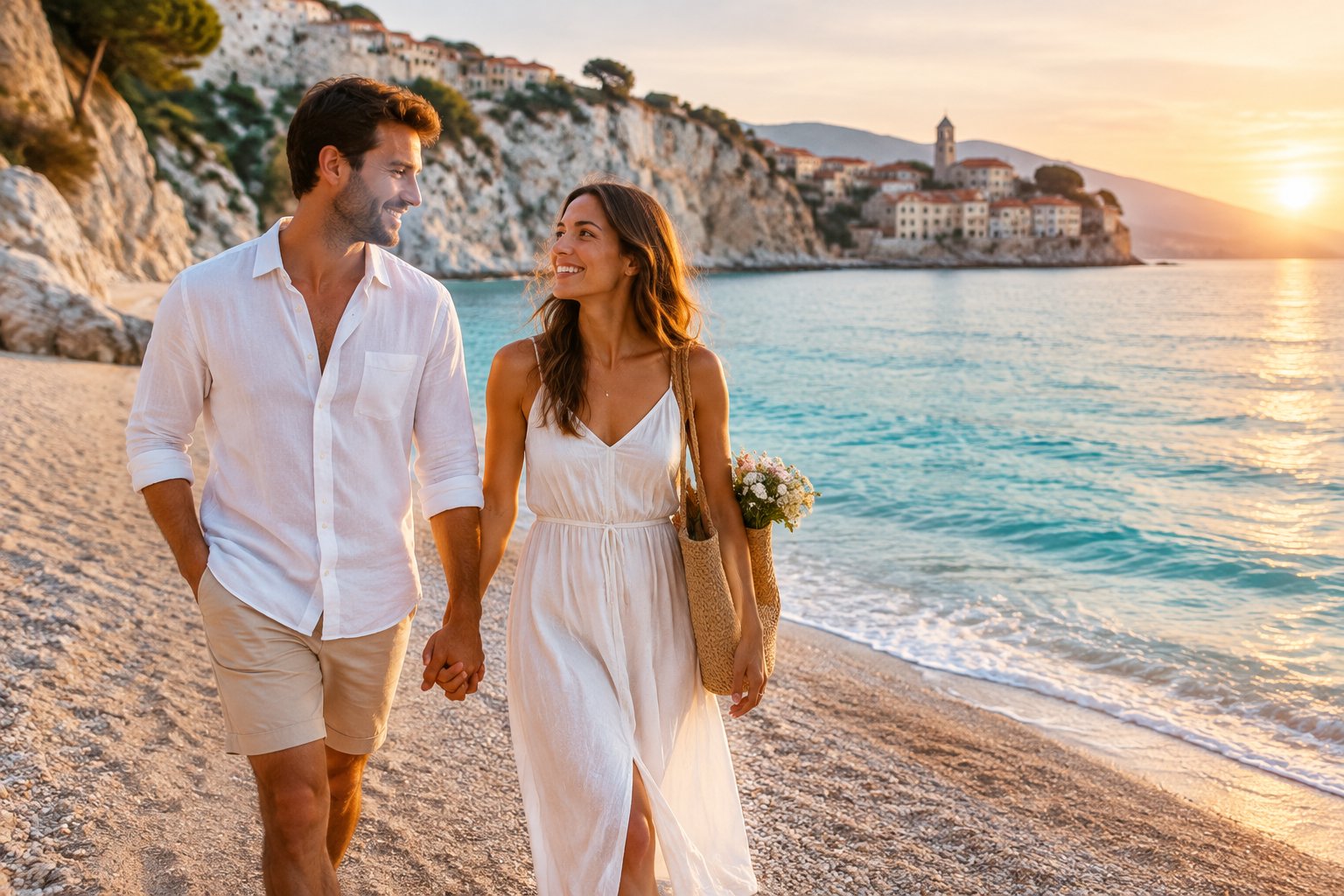
Two weeks can work especially well for a faraway destination or a trip with more than one stop. Your daily pace and the time you can take away from home will help you decide how much to include.
Enjoy a Slower Pace and More Honeymoon Activities
A longer stay lets you mix planned outings with unstructured time. You might spend a few days sightseeing, set aside an afternoon for a couples’ spa visit, then leave the next morning open for sleeping in or enjoying the hotel.
Extra days also give you room to recover after travel and adjust to the local pace. If you want to visit more than one region, staying several nights in each place helps you spend less time moving between hotels.
You can also look for date ideas abroad that fit the places on your itinerary.
Weigh the Benefits Against Time Away
A longer trip gives you more time to unwind after wedding planning, though two weeks away also means a longer break from work and home routines. Think about how you feel after several days of travel.
If a busy itinerary leaves you tired, build in rest days or choose one home base. Talk through what you both want from the trip.
If you enjoy slow mornings and long stays, two weeks can feel restorative. If you prefer a packed weekend or feel ready to return to your routine after a week, a shorter trip may suit you better.
How Work and Travel Shape Your Dates
Your available paid time off, travel time, and destination should guide your honeymoon dates. A two-week trip works best when your calendar leaves enough room for the journey and a smooth return to everyday life.

Check your work calendar before booking flights, then consider how much of your trip you want to spend in transit. Your destination and travel pace can make the same number of days feel spacious or rushed.
Match Your Plans to Paid Time Off and Vacation Days
Start with the number of vacation days you can use, then check for work deadlines or busy periods around your wedding. Remember to account for any days you want at home before leaving or after returning.
If you’re arranging leave around the wedding itself, consider how many days to take off after your wedding. You can also travel later if taking two weeks immediately after the wedding would stretch your schedule.
Choosing dates several months ahead gives you time to plan around work commitments and save leave for the trip.
Allow for Travel Time and Jet Lag
Long-haul honeymoon travel can take a full day or more each way, and jet lag can affect your first few days. Add flight and transfer time to your calendar before deciding how many nights you want at the destination.
If you have two weeks, leave some room after arrival to rest before scheduling major outings. A short trip works better with a destination that’s easy to reach, while a longer break gives you more time to adjust and explore.
Choose a Destination That Suits Your Schedule
Match your honeymoon destination to the time you have. A nearby beach, mountain town, or city can work well for a shorter stay because travel uses less of your leave.
A distant destination or a multi-stop itinerary benefits from extra days. Consider how many times you want to change hotels, too. Each transfer takes time and energy, so a two-week trip can feel more relaxed with a few longer stays.
Check seasonal weather and travel times before you settle on your dates.
How Trip Length Affects Your Budget
A two-week honeymoon costs more than a shorter trip when each added day brings another night of lodging, meals, transportation, or activities. Estimate your full honeymoon budget before you book so you can see what the added time will cost.

Your total honeymoon cost will depend on your destination and travel style. A clear daily estimate helps you decide whether an extra week fits your priorities.
Estimate the Added Cost of Each Extra Day
List the expenses that change with each added day, such as accommodation, meals, local transport, and tours. Flights may stay the same for a longer trip, while lodging and food add up night by night.
Include a small cushion for unexpected costs. Then compare the total for one week with the total for two. You can adjust hotel type, dining plans, or the number of paid excursions to fit the trip you want.
If you want help setting a spending limit, planning a honeymoon budget can give you a starting point.
Balance Honeymoon Costs With Your Priorities
Choose the parts of the trip you most want to pay for, such as a special hotel, a private tour, or a memorable meal. You can keep other days simple with free activities or relaxed time at your accommodation.
A longer trip does not require a luxury plan for every day. Set a total spending limit and check how each added night affects it. If the cost feels uncomfortable, shorten the stay or save for a later trip.
When a Mini-Moon or Later Trip Makes Sense
A mini-moon or delayed honeymoon works well when work, budget, or wedding fatigue makes a two-week trip hard to manage right away. You can still celebrate together and plan a longer escape when the timing feels better.
Choose a Short Honeymoon When Time or Money Is Tight
A short honeymoon gives you a few days away without requiring a long stretch of vacation days. Choose an easy-to-reach place and keep the plans simple, such as a nearby hotel, a cabin, or a coastal stay.
You may hear this called a minimoon or mini-moon. A short honeymoon can give you time to rest after the wedding while keeping travel and spending manageable.
Decide how much you can comfortably spend, then choose a destination that fits.
Plan a Mini-Moon Before an Extended Honeymoon
You can take a mini-moon soon after the wedding and plan an extended honeymoon for a later season. That gives you a short break together while you save money, arrange more time off, or wait for better dates at your preferred destination.
If you plan both trips, set separate budgets and dates for each one. That way, the first getaway stays manageable and you have a clear plan for the longer trip.