
Is 200 People at a Wedding a Lot? Understanding Ideal Guest Counts
Planning a wedding can be overwhelming, especially when it comes to guest lists. Some people may find a 200-person wedding grand and bustling, while others may find it just right or even intimate compared to larger family gatherings. For some, a 200-person wedding might seem grand and bustling, while others may find it just right or even intimate compared to larger family gatherings.
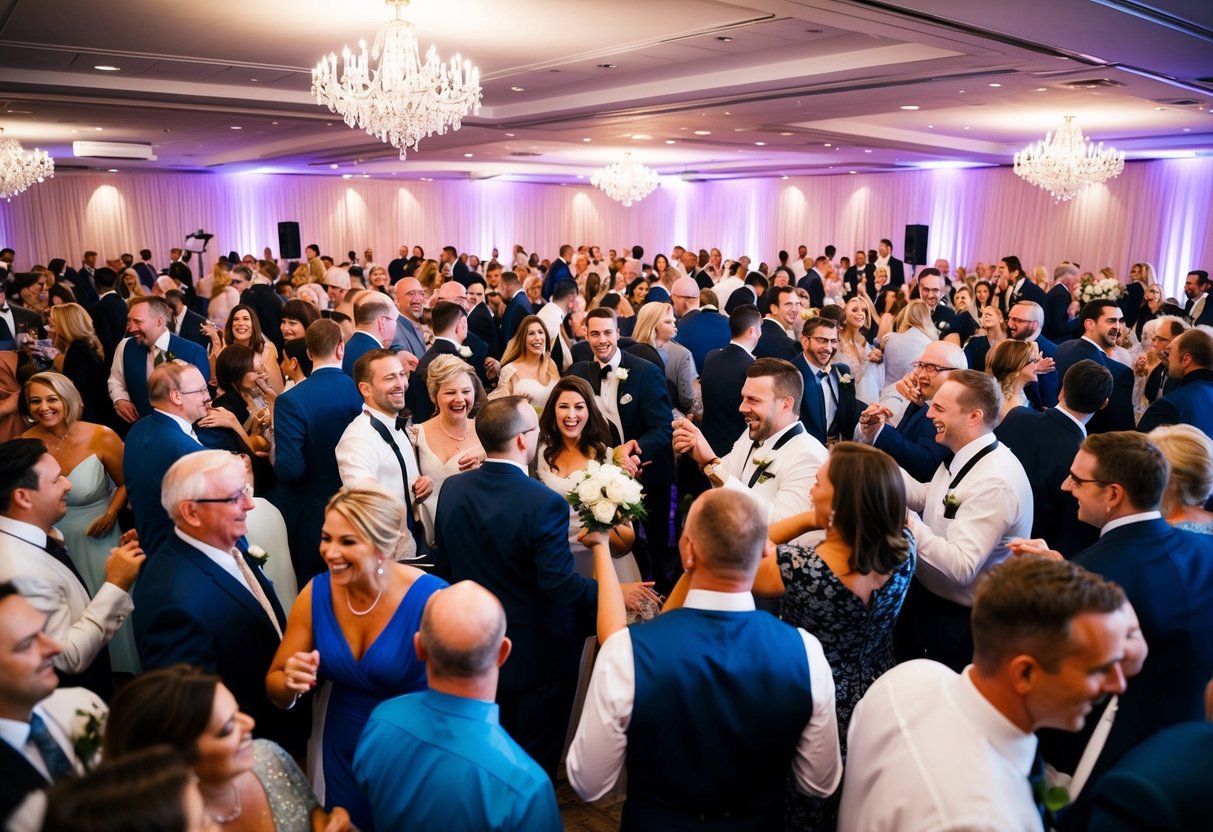
The average wedding size hovers around 117 guests, so a 200-person celebration is definitely on the larger side. This can create a lively atmosphere filled with friends and family, but it may also require more planning and resources. If you come from a culture that celebrates with hundreds of attendees, a 200-person guest list might feel like a cozy gathering.
Ultimately, your decision on guest count should reflect what you envision for your special day. Think about your relationships, the kind of experience you want to create, and how many loved ones you truly want to share that moment with.
Determining the Right Wedding Size
Choosing the right size for your wedding can greatly affect your experience. Factors like average wedding sizes, venue capacity, and whether you prefer an intimate or large celebration are essential to think about.
Understanding Average Wedding Sizes
Understanding different wedding sizes can help you decide. A small wedding typically has 2 to 50 guests, while a medium wedding ranges from 50 to 150 attendees. Large weddings usually have over 150 people, and some can even reach up to 300 guests.
If you’re considering a guest list of around 200, it leans towards the larger side. This number is enough to create a lively atmosphere but still allows for personal connections.
If your family usually hosts bigger gatherings, a 200-person event may seem smaller than you expect. Always choose a size that feels right for you and your partner.
Considering Venue Capacity and Guest Comfort
Your venue plays a critical role in determining your wedding size. Each venue has a specific capacity, and exceeding it can lead to a cramped setting. A comfortable space allows guests to move freely and enjoy the celebration.
When choosing a venue, ask about the maximum guest capacity. This will help you decide how many people to invite while ensuring comfort.
A larger venue might seem appealing, but it can feel empty with fewer guests. Aim to match the venue capacity with your guest list for the best experience.
The Significance of Intimate vs. Large Celebrations
The choice between an intimate wedding and a large one can impact your day significantly. Intimate weddings create a warm atmosphere where you can connect with every guest personally.
On the other hand, large weddings offer a bustling environment full of energy. More guests can mean more fun, but it may also dilute personal connections. Think about what matters most to you.
Consider a micro wedding if you’re drawn to small gatherings. This option allows for a deeply personal experience with just a few close friends and family. Weigh the benefits of each size to find what reflects your vision as a couple.
Budgeting for Your Wedding
Planning a wedding for 200 guests can seem overwhelming, especially when it comes to budgeting. Understanding how wedding size affects costs and how to allocate your funds wisely is key. Here’s a closer look at how to navigate budgeting for your big day.
Wedding Size and Cost Correlation
The size of your wedding directly impacts your budget. With 200 guests, think about essential expenses like venue, catering, and invitations.
Typically, venue costs can range from $5,000 to $20,000. Meanwhile, catering is often the largest expense. You might spend around $70 to $150 per guest, so catering alone could cost you between $14,000 and $30,000.
Additionally, don’t forget about other costs that rise with guest count, such as cake, drinks, and seating arrangements. Planning for these can help prevent surprises later.
Allocating Funds to Different Expenses
Once you know your total budget, it’s time to allocate funds across various expenses. Here’s a simple budget breakdown for a $60,000 wedding:
- Venue and Catering: 50% ($30,000)
- Photography/Videography: 15% ($9,000)
- Attire (dress, suit, accessories): 10% ($6,000)
- Flowers and Decor: 10% ($6,000)
- Entertainment: 5% ($3,000)
- Stationery: 5% ($3,000)
This framework can help you ensure that all elements of your wedding are covered, making it easier to adjust based on specific priorities.
Hidden Costs of a Large Guest List
With a large guest list, there are often hidden costs that can sneak up on you. Think about the extra expenses related to catering and venue spaces.
For example, you might need additional tables, chairs, and tableware. This can add hundreds to thousands of dollars depending on your venue.
Don’t forget to consider costs like parking, gratuities for vendors, and even overtime charges if the celebration runs late. Factoring these hidden costs into your budget will prepare you for a smooth wedding planning experience.
Planning the Guest Experience
When planning a wedding with a large guest list, creating a welcoming environment is key to ensuring everyone feels special. You also need to consider logistics and ways to make personal connections during your celebration. Here are the main points to enhance the guest experience.
Creating a Comfortable Atmosphere
To make your wedding enjoyable, focus on the atmosphere. Use soft lighting, comfortable seating, and pleasant decorations. These elements help guests relax and feel at home.
Consider using themed decor that reflects your personality. This can make the space feel warm and inviting.
Also, ensure there’s enough room for guests to move around freely. A packed venue can lead to discomfort and frustration. Remember to include areas for guests to sit and chat during the reception.
Managing Logistics for a Big Guest List
With a large wedding guest list, planning transportation and accommodations is crucial. You might want to provide shuttle services for guests, especially for destination weddings. This ensures everyone arrives safely and on time.
Make sure to collect RSVPs in advance so you know how many guests to expect. Proper planning helps you manage food, seating, and other logistics smoothly.
Having a designated area for plus-ones can help manage your guest list better. Clarifying who can bring a guest helps control numbers and allows you to focus on your closest friends and family.
Personalizing Guest Interactions
When you have 200 guests, personal connections are important. You may not speak to each guest for long, but small gestures matter.
Think about creating personalized place cards or thank-you notes that reflect their unique relationship with you.
During the rehearsal dinner, take time to connect with family and close friends. This can strengthen bonds and ensure that everyone feels included.
At the wedding reception, consider using a seating chart that encourages mingling. Mixing different groups can lead to new friendships.
Remember, the way you make your guests feel will be part of their memory of your big day.