
Is $2,000 Enough for a Wedding? A Realistic Budget Plan
You can have a meaningful wedding for $2,000 if you keep your guest list small, choose an affordable setting, and focus your spending on the parts you value most. For a wedding on a budget, the answer to “Is $2000 enough for a wedding?” is yes, as long as you plan for a simple celebration and watch every cost.

Your budget will stretch further with a short guest list and a home, park, or community space. You’ll also need to decide whether your $2,000 includes rings, travel, or a honeymoon. For more ideas about what a small budget can cover, explore planning a wedding for $2,000.
Can $2,000 Cover a Meaningful Wedding?
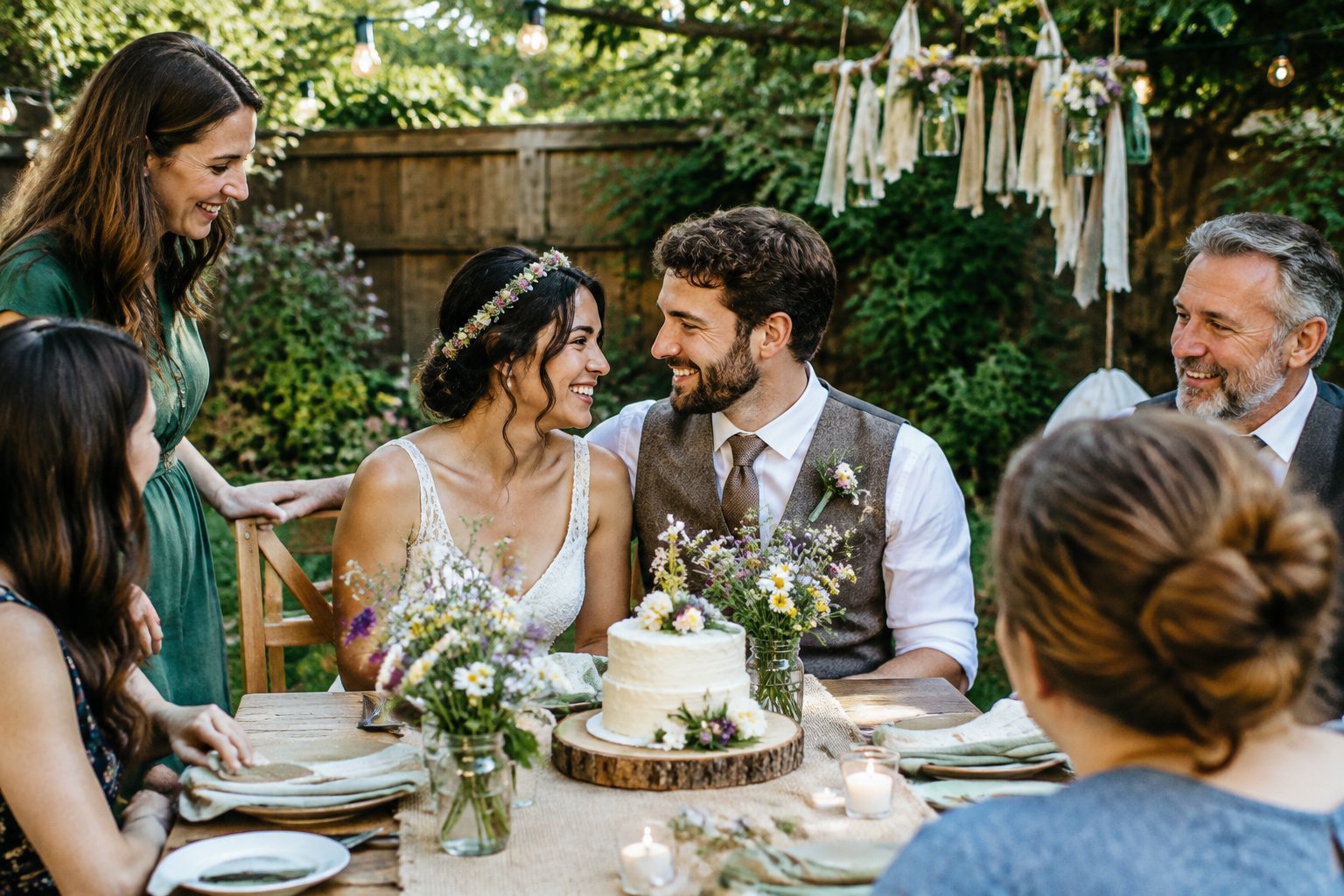
A wedding under $2,000 is possible when you keep the event intimate and choose a simple format. Your money can cover the legal ceremony, a modest meal, basic attire, and a few personal details. Guest count and location have a major effect on wedding costs, so set those limits before you book or buy anything.
What Can You Realistically Include?
A wedding on a $2,000 budget can include a marriage license and officiant, a low-cost ceremony space, simple food and drinks, and a small amount of photography. You might also set aside money for clothing, flowers, and dessert.
The plan works best with a small gathering, such as close family and friends, and a reception that doesn’t require a rented venue or paid staff.
Be clear about what the budget covers. If you’re including rings or travel, you’ll have less money for the event itself. You can also ask a photographer about short ceremony-only coverage, or arrange for a trusted guest to take photos.
Which Traditional Costs Might You Skip?
You can keep costs down by skipping a formal venue, full-service catering, a DJ, printed invitations, favors, and elaborate floral arrangements. A playlist, digital invitations, grocery-store flowers, and a simple cake can still make the day feel personal.
Choose the traditions that have meaning for you. If dancing is a priority, keep the playlist and make room for it. If a large meal matters most, reduce spending on décor and favors.
How Should You Divide a $2,000 Wedding Budget?
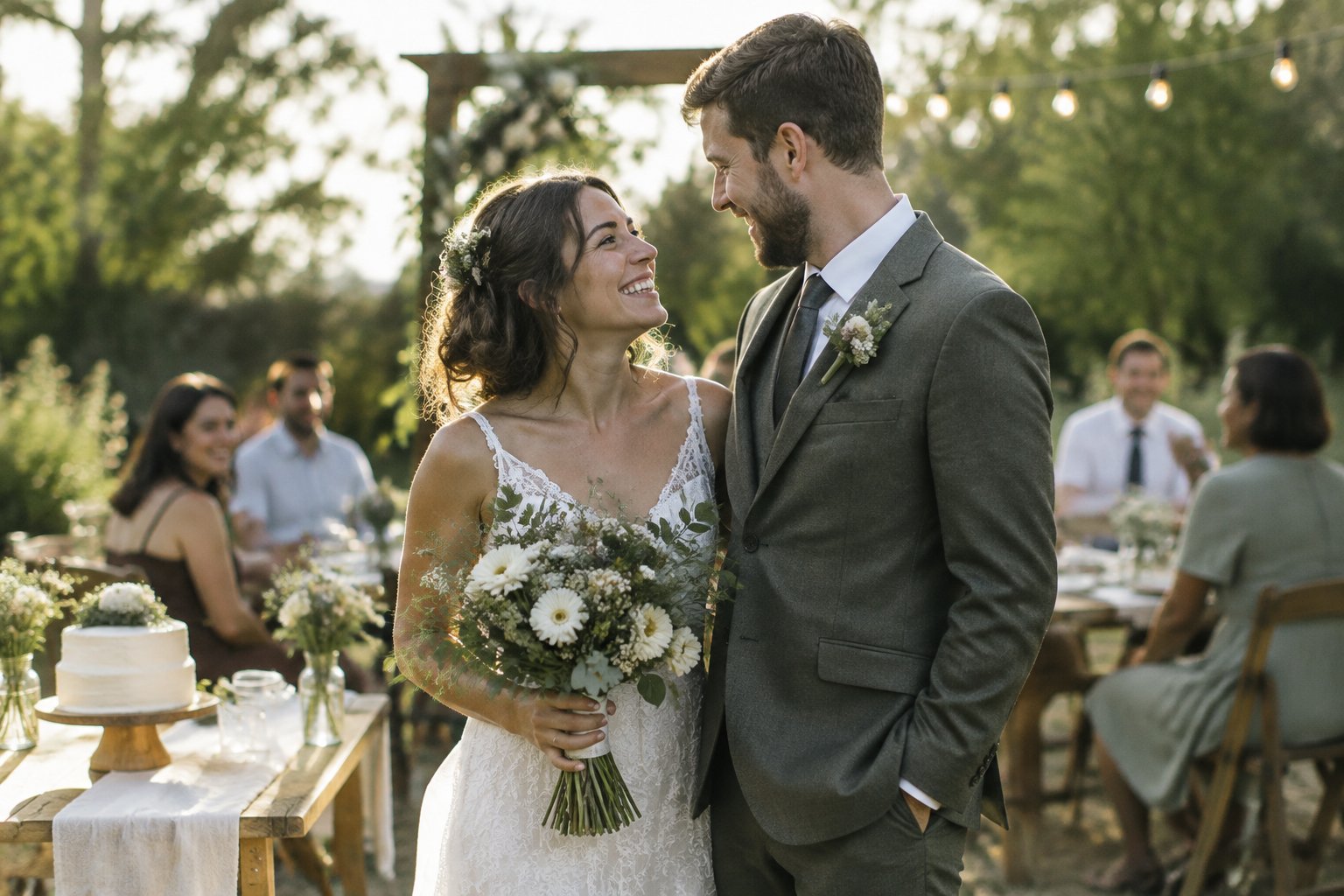
Give every dollar a job, and reserve part of the total for unexpected fees. A practical wedding budget protects legal and guest needs first, then assigns what remains to attire, photos, and personal touches. You can adapt this wedding budget breakdown to your priorities and local prices.
What Could a Sample Budget Look Like?
This sample assumes a small event and excludes rings, honeymoon, and travel. Prices vary by location, so treat each amount as a planning limit.
| Category | Sample amount |
|---|---|
| Marriage license and officiant | $150 |
| Ceremony space or permit | $100 |
| Food and drinks | $650 |
| Attire and alterations | $250 |
| Photography | $300 |
| Flowers and decorations | $120 |
| Cake or dessert | $100 |
| Invitations, music, and supplies | $130 |
| Emergency cushion | $200 |
| Total | $2,000 |
If your license and officiant cost more, adjust another category before committing. A smaller guest count can help lower food and supply expenses. For a more detailed way to set your limits, use these steps to allocate a wedding budget.
How Can You Account for the Marriage License and Unexpected Costs?
Check the marriage license fee, application process, waiting period, and officiant rules with your county or local government. Fees and requirements vary by location, and some places require an appointment or extra documents. Set aside money for the license and officiant early so those costs don’t compete with the reception budget later.
Keep the $200 cushion in the sample budget for small surprises, such as taxes, a permit, extra ice, or clothing alterations. Ask vendors for the full price, including fees and delivery, before you agree to a booking. If your actual costs exceed the estimate, make a change elsewhere while you still have time.
Which Choices Make a $2,000 Wedding Possible?
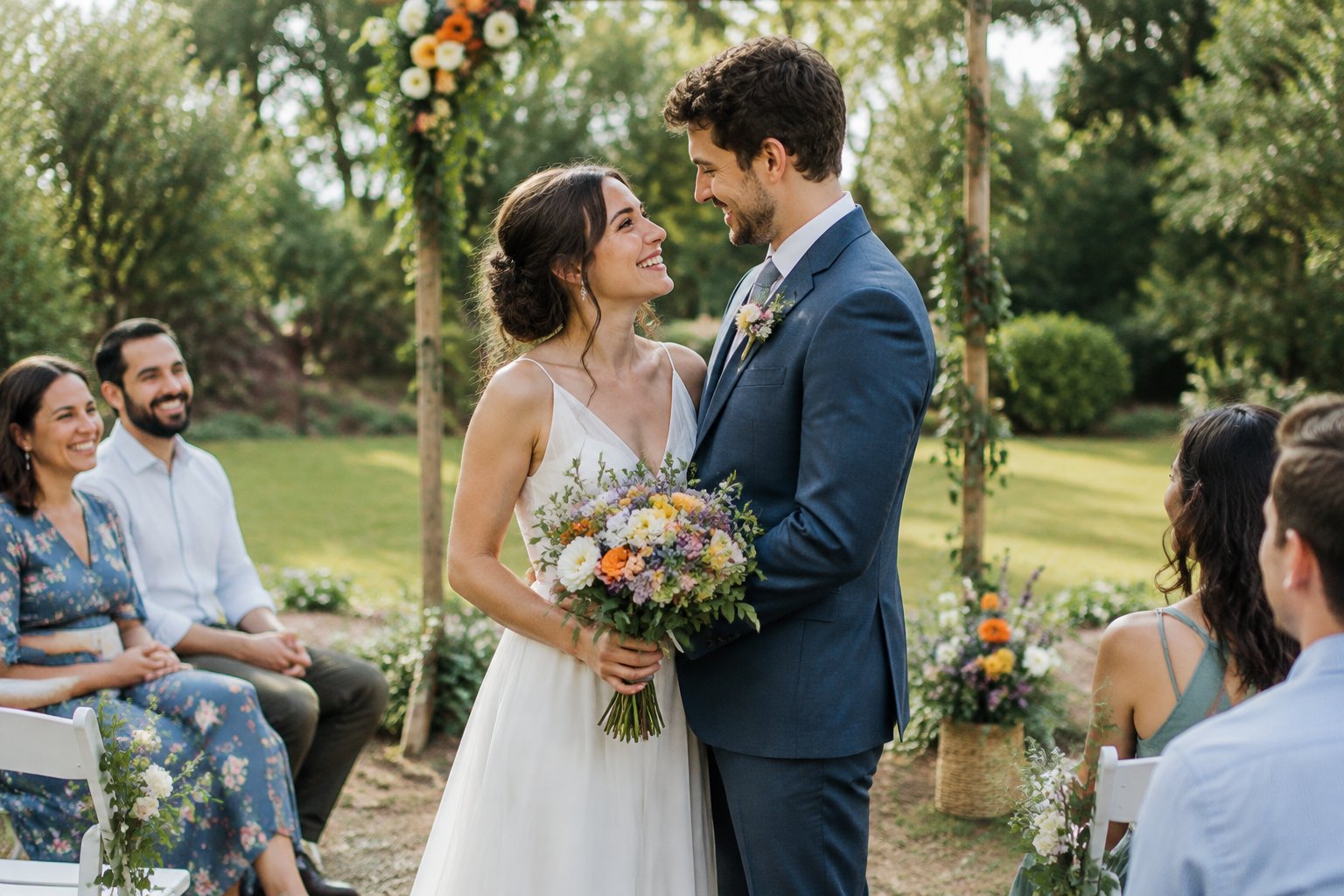
A budget-friendly wedding is easiest to manage when you reduce the guest count and use a space that needs little setup. An intimate wedding can feel warm and personal while keeping food, seating, and décor needs within reach. You can find more ideas for designing a small wedding on a budget.
Why Keep the Guest List Intimate?
Every guest adds costs for food, drinks, seating, and serving supplies. A smaller guest list also gives you more flexibility with locations such as a backyard or a park. Start with the people you most want beside you, then check that the total fits your budget before sending invitations.
Set the limit together and share it kindly with family. Digital invitations or direct calls can help you keep stationery costs low. If your guest count grows, revisit the food and space estimates before adding more people.
Can a Backyard Wedding or Potluck Reception Save Money?
A backyard wedding can remove a venue rental fee, though you’ll still need to plan for bathrooms, seating, parking, cleanup, and a weather backup. Ask the property owner about rules and available equipment before choosing the date. A public park or community room may also work if you check its permit costs and restrictions.
A potluck wedding can lower food spending when guests are comfortable contributing. Make the plan clear in advance, account for dietary needs, and arrange who will handle serving and cleanup. If asking guests to bring food feels uncomfortable, consider a simple meal you prepare yourselves or a small order from a local restaurant.
Where Can You Save on Attire and Wedding Extras?
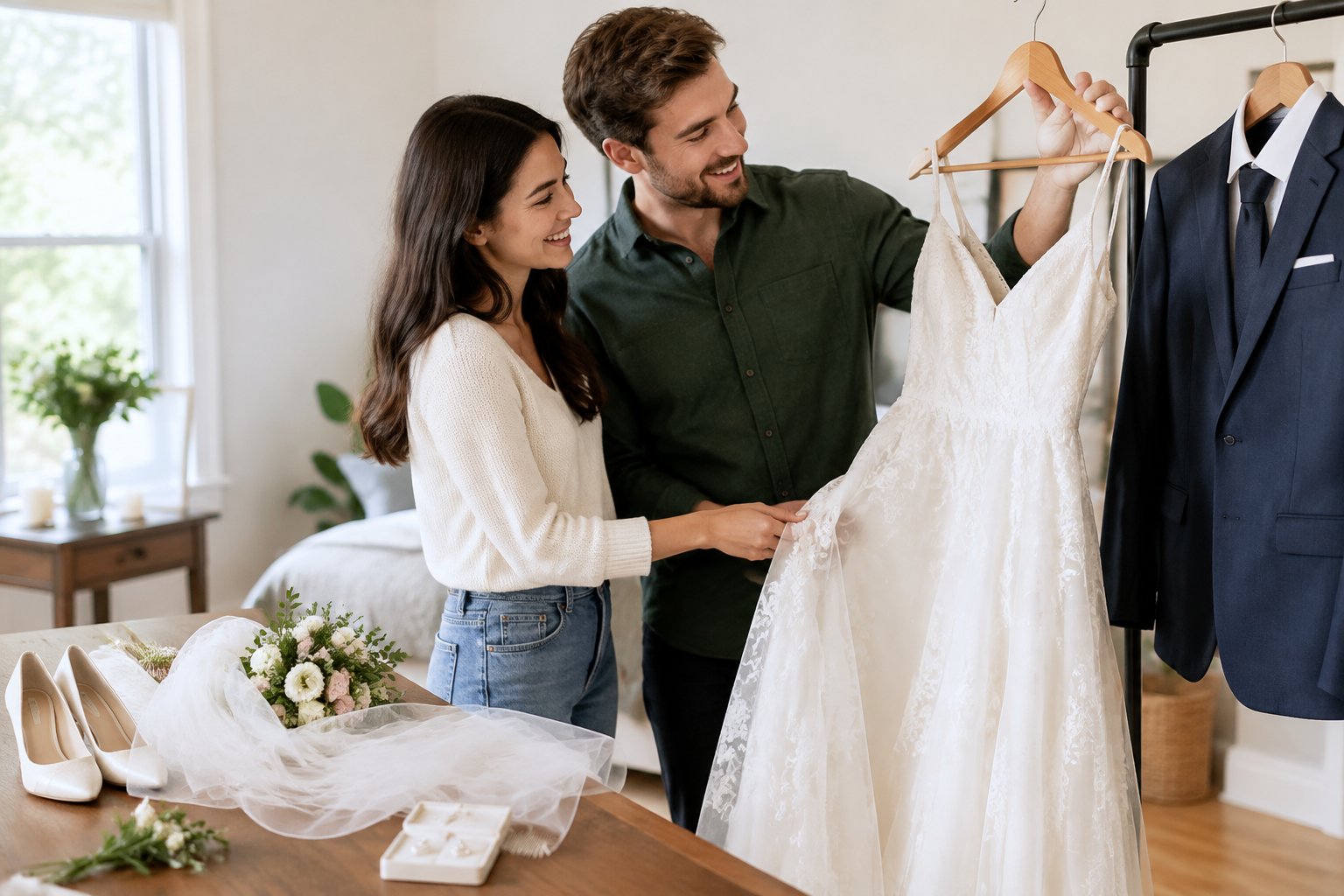
You can keep attire and décor affordable by choosing practical clothing and limiting optional details. A wedding dress, shoes, accessories, flowers, and favors can add up quickly, so include alterations and supplies in your estimates. A little flexibility in style can free money for food or photography.
Where Can You Find an Affordable Wedding Dress?
Look for an affordable wedding dress at consignment shops, sample sales, resale sites, or department stores. A simple white or cream outfit can also work if you want something you can wear again. Before buying, check the fit and ask about alteration costs, since tailoring can change the final price.
Compare the total cost, including shoes, undergarments, accessories, and cleaning. You may find several affordable wedding dresses in styles that suit your plans without needing a custom order. Choose an outfit that feels comfortable for the ceremony and any outdoor activities.
Which Decorations and Wedding Favors Can You Skip or DIY?
You can skip wedding favors, printed programs, and elaborate centerpieces without taking away from the ceremony. Use what the location already offers, then add a few borrowed or handmade details, such as table linens or simple flowers. For more ideas that fit a tight budget, consider these affordable wedding ideas.
Keep DIY projects manageable by choosing tasks you can finish before the wedding week. A short playlist, simple table arrangements, and digital invitations are practical choices. Set a spending limit for craft supplies so small purchases don’t quietly take over the budget.
How Can You Keep Wedding Planning on Track?
You can stay within $2,000 by recording every cost, setting priorities, and asking for help with specific tasks. Decide what you value most before making purchases, then keep a running total as quotes and receipts come in. A simple spreadsheet or notes app can help you track estimates, actual prices, and due dates.
How Can You Set Priorities and Track Spending?
Choose your top priorities as a couple, such as a comfortable meal, a meaningful location, or photos of the ceremony. Set a spending cap for each category and note any fees that apply. If one item costs more than planned, adjust a lower-priority category before paying a deposit.
Record the vendor or store, estimated cost, final amount, payment date, and any added charge. Check the totals each week while you’re planning. These wedding planning priorities can help you decide where to put limited funds.
When Is It Worth Asking Friends or Family for Help?
Ask friends or family for help when you can name a clear task, such as arranging flowers, setting out food, or taking ceremony photos. Give them the choice to decline, and confirm the plan before the wedding day.
A specific request is easier to accept than an open-ended offer to “help with everything.” Keep important responsibilities with someone who has time and the right skills.
You can thank helpers with a personal note or a meal, and keep paid essentials in your budget where possible. That way, your plans don’t rely on a last-minute favor.