
Is 3 Hours Enough for a Wedding Reception? Tips for an Unforgettable Celebration
When planning your wedding, one of the key decisions you’ll face is how long your reception should last. A 3-hour reception can be enough time for a joyful celebration, depending on the events you want to include. This timeframe may suit couples with a simpler agenda, while others might find it too short for everything they desire.
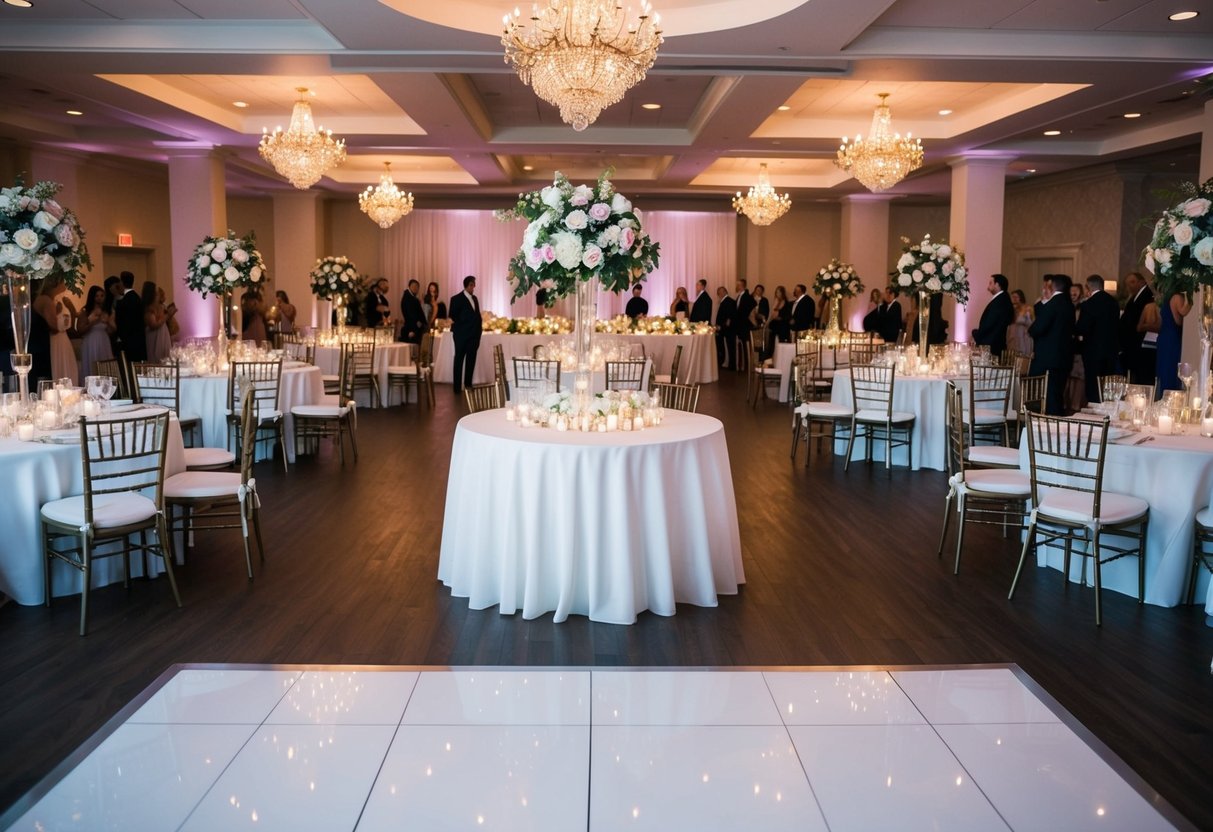
Think about what makes your special day memorable. If you aim to host a more intimate gathering, a 3-hour reception can allow for meaningful moments with your guests. You can focus on the essential parts of your celebration without feeling rushed, ensuring that the time you do have is filled with joy.
Reception planning doesn’t have to be complicated. By understanding your priorities, you can create a delightful experience within this limited time. Many couples discover that with careful organization, a shorter reception can still be incredibly fun and memorable.
Understanding Wedding Reception Timelines
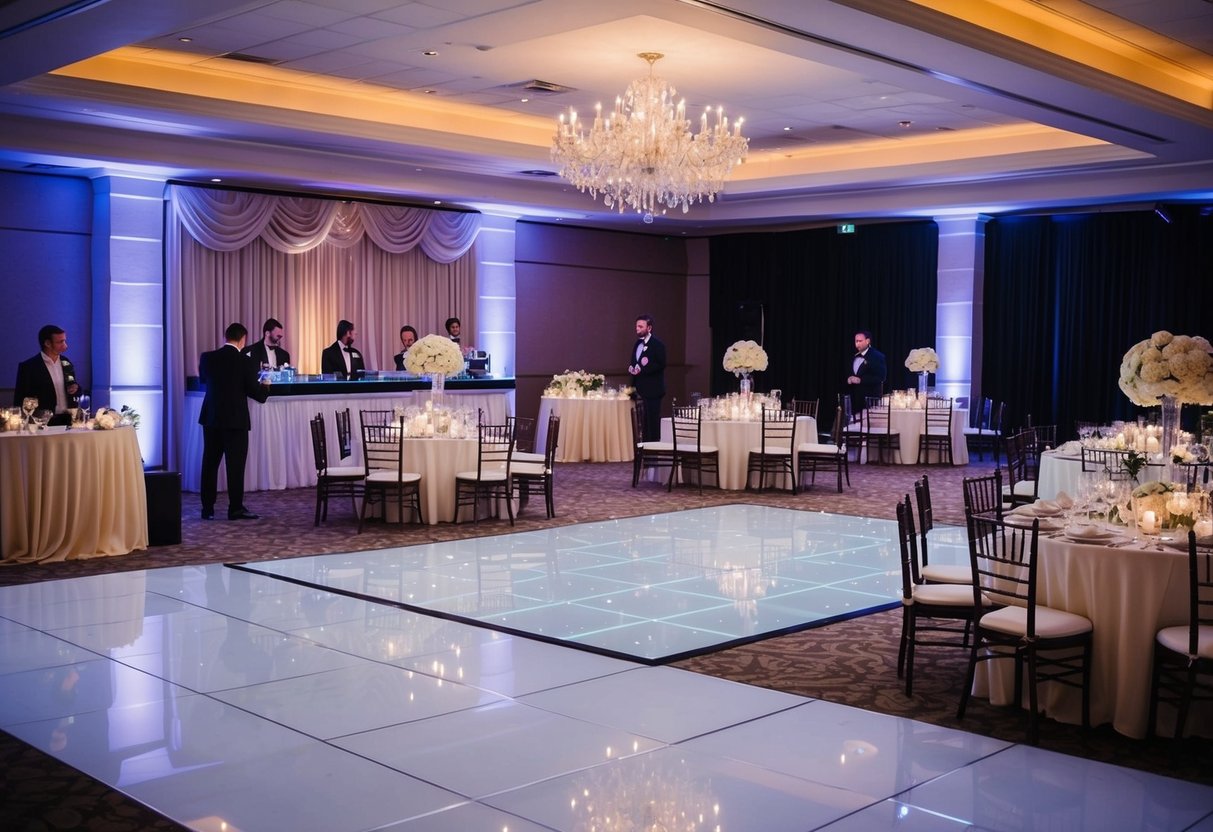
When planning your wedding reception, the timeline is crucial in ensuring a smooth flow of events. Knowing typical reception durations helps you decide what works for your celebration. A clear breakdown of a three-hour reception can also show you how to maximize your time.
Typical Reception Durations
Most wedding receptions last between 4 to 5 hours. This time frame allows for dinner, toasts, dancing, and other important moments. It gives you and your guests plenty of time to mingle and celebrate.
A 4-hour reception can comfortably accommodate these events. It can be divided into segments such as cocktail hour, dinner service, and dancing. If you want to create a more relaxed atmosphere, aiming for around 5 hours can be ideal.
Some couples choose a shorter reception of about 3 hours. While less common, it can still work, especially for smaller gatherings. Remember, the length of your reception can shape the overall feel of your celebration.
3 Hour Reception Breakdown
With a 3-hour reception, planning is key. Here’s a potential breakdown:
- First 30 Minutes: Guests arrive and enjoy a cocktail hour.
- Next 60 Minutes: Dinner is served, along with any speeches or toasts.
- Final 90 Minutes: Your party really gets going with dancing and entertainment.
This timeline requires you to be efficient. You might cut down on cocktail hour or make toasts shorter. If you wish to include special moments like cake cutting or a photo slideshow, be sure to plan these early on.
Opting for an extra hour can enhance your reception. This can give you more time for important traditions and help create lasting memories.
Key Reception Events and Timing
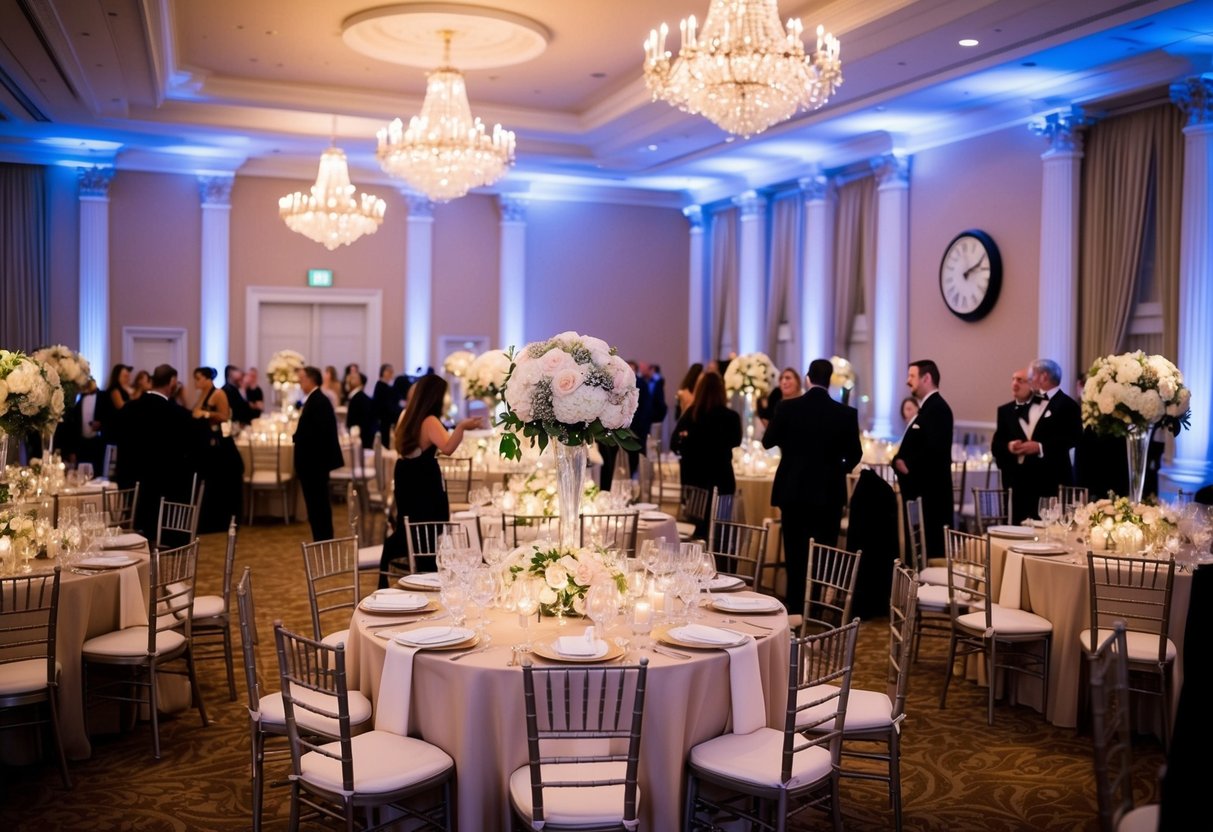
When planning a wedding reception, timing is essential to make each moment memorable. Key events like the cocktail hour, dinner, and special dances help set the tone for your celebration. Here’s a breakdown of important reception events and their timing.
Cocktail Hour Essentials
The cocktail hour kicks off your reception and sets a relaxed atmosphere. Typically lasting about one hour, it allows guests to mingle while you finish up post-ceremony photos.
During this time, you can serve a selection of drinks and light appetizers. Consider offering signature cocktails to reflect your style. Arrange seating for guests who may prefer to sit while enjoying their drinks.
Make sure to communicate with your catering team to have everything ready on time. This keeps your schedule on track for the following events.
Dinner and Toasts
Dinner usually follows the cocktail hour and can last anywhere from one to two hours. This is a great time for guests to enjoy the meal and settle in for the evening.
After dinner, it’s common to have speeches and toasts. You can designate a specific time for family members and friends to share their heartfelt words. Keep these short to maintain the energy of the evening.
Make sure to coordinate with your caterer to time the meal service well. This will avoid delays and keep the mood upbeat.
First Dance and Dance Floor Activities
The first dance is a highlight of the reception, often scheduled about 30 minutes after dinner. This moment is special for both of you, so choose a song that is meaningful.
After the first dance, invite your wedding party to join in. Then, open the dance floor to all guests. Providing a mix of music styles can keep everyone moving and enjoying the atmosphere.
Consider setting specific times for other dances, like parent dances, to ensure they fit within your three-hour timeline. Creating a fun and lively dance floor is key to a successful reception.
Cake Cutting Ceremony
The cake cutting ceremony typically occurs after the first dance or during dessert service. This event symbolizes your shared future and is a beautiful photo opportunity.
You should plan for a few minutes for guests to gather around. Once the cake is cut, serve it promptly to maintain excitement.
Including a toast or a few words before cutting the cake can make this moment even more special. Your guests will appreciate being part of this tradition.
Bouquet and Garter Toss
The bouquet toss and garter toss are usually scheduled later in the evening, often around the last hour of the reception. These fun traditions add energy and excitement.
You can choose to do these events separately or combine them for efficiency. Be sure to provide a fun spot on the dance floor for guests to gather.
Clearly communicate your timeline to the DJ or band, so they can announce the events accordingly. This keeps the celebration flowing smoothly and engaging for your guests.
Planning for a Seamless Reception
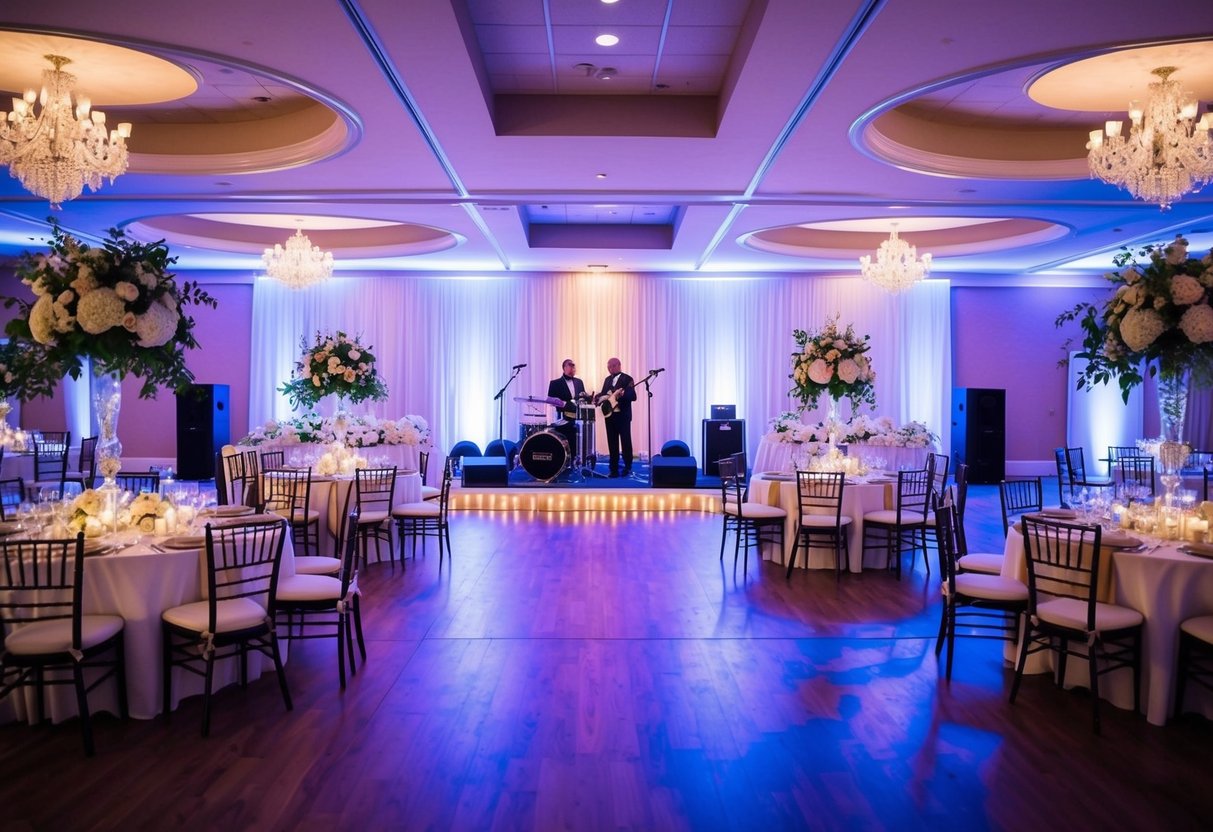
To ensure a smooth and enjoyable reception, focus on careful planning and coordination. Working with a wedding planner can streamline this process, while a well-thought-out itinerary keeps everything on track. You can also make your grand entrance and exit memorable with some thoughtful ideas.
Collaborating with a Wedding Planner
Hiring a wedding planner can be a game changer for your reception. They have experience managing timelines and coordinating with vendors. A planner will help you choose the right venue, especially if you are limited on time.
They can also assist in determining the number of guests that can comfortably fit in the space. This ensures everyone has room to enjoy the festivities. Discuss your vision, including meal options like a plated dinner and whether to include an open bar.
They will also help manage the flow of the event, ensuring things like the grand entrance occur seamlessly.
Creating a Reception Itinerary
A detailed reception itinerary is crucial to keeping everything organized. Begin by outlining key elements of your evening, such as meal service, speeches, and dancing. Assign specific times to each activity to help keep your guests engaged.
For example, if you are serving a plated dinner, plan for about one hour for meal service, allowing time for guests to mingle and chat. Include buffer times to accommodate any delays. You can break down activities in a simple table:
| Time | Activity |
|---|---|
| 6:00 PM | Grand Entrance |
| 6:15 PM | Dinner Served |
| 7:00 PM | Toasts and Speeches |
| 7:30 PM | First Dance |
| 8:00 PM | Open Dancing Starts |
This structure helps everyone know what to expect, making the reception more enjoyable.
Tips for a Memorable Grand Entrance and Exit
Your grand entrance sets the tone for the reception, so make it special. Choose a fun song that reflects your personality and style. Consider involving your wedding party in the introduction for added excitement.
When planning the exit, think about how you want to leave the reception. You could have guests throw confetti or light sparklers as you walk out. This adds a festive touch and creates a beautiful photo opportunity.
Make sure to communicate these plans with your planner. They can ensure the timing aligns with the overall wedding timeline, allowing everything to flow naturally.