
Is 3 Months Too Early for Wedding Invitations? Tips for Timing Your Send-Off
Planning a wedding can be exciting, but figuring out when to send invitations can feel tricky. You might be asking yourself, is three months too early to send wedding invitations. In fact, this timing can actually be helpful, especially for guests who need to travel.

With the average engagement length often stretching around 12 to 16 months, most couples find themselves balancing excitement with organization. Sending out your invitations three months prior gives your guests ample time to plan. This is especially important if you’re inviting friends and family from out of town or if your wedding falls during a busy season.
As you dive deeper into your wedding planning, thinking about the best timing for invitations is essential. Remember, giving your loved ones enough notice can lead to a smoother experience for everyone involved.
Determining the Ideal Invitation Timeline

Getting the timing right for sending out wedding invitations is important for your planning process. Consideration of your engagement duration, save-the-date cards, and RSVP deadlines will help you create an effective timeline.
Engagement Duration and Planning
Your engagement length impacts when to send out wedding invitations. If you have a longer engagement, sending invitations three months in advance may be acceptable. However, if your engagement is shorter, like six months, sending invitations too early can overwhelm your guests.
Generally, it’s recommended to send invitations 6-8 weeks before your wedding date. This timeframe allows for thoughtful planning yet keeps excitement alive. Remember, the goal is to ensure that your guests have enough time to plan their attendance without losing interest in your big day.
Save-the-Date Cards and Advanced Notices
Before invitations, you might consider sending save-the-date cards. These should ideally go out 4-6 months before your wedding date. They serve as an early notice, allowing guests to mark their calendars. Save-the-dates are not mandatory but are helpful in preparing your guest list.
When you send save-the-dates, your guests can plan ahead. This is especially crucial for destination weddings or if many attendees are traveling from afar. Use this time to help ensure a solid guest count for seating charts and other arrangements.
RSVP Deadline and Guest Count Management
Setting an RSVP deadline is vital for managing your guest count. Generally, you should ask for RSVPs no later than one month before your wedding date. This allows you time to finalize seating charts and caterer details based on the accurate headcount.
Make it easy for guests to respond, whether through a wedding website or reply card. A friendly reminder can also help those who forget. Having an accurate guest count ensures you’re prepared for the big day, making everything run smoother and more enjoyable.
Considerations for Destination and Holiday Weddings
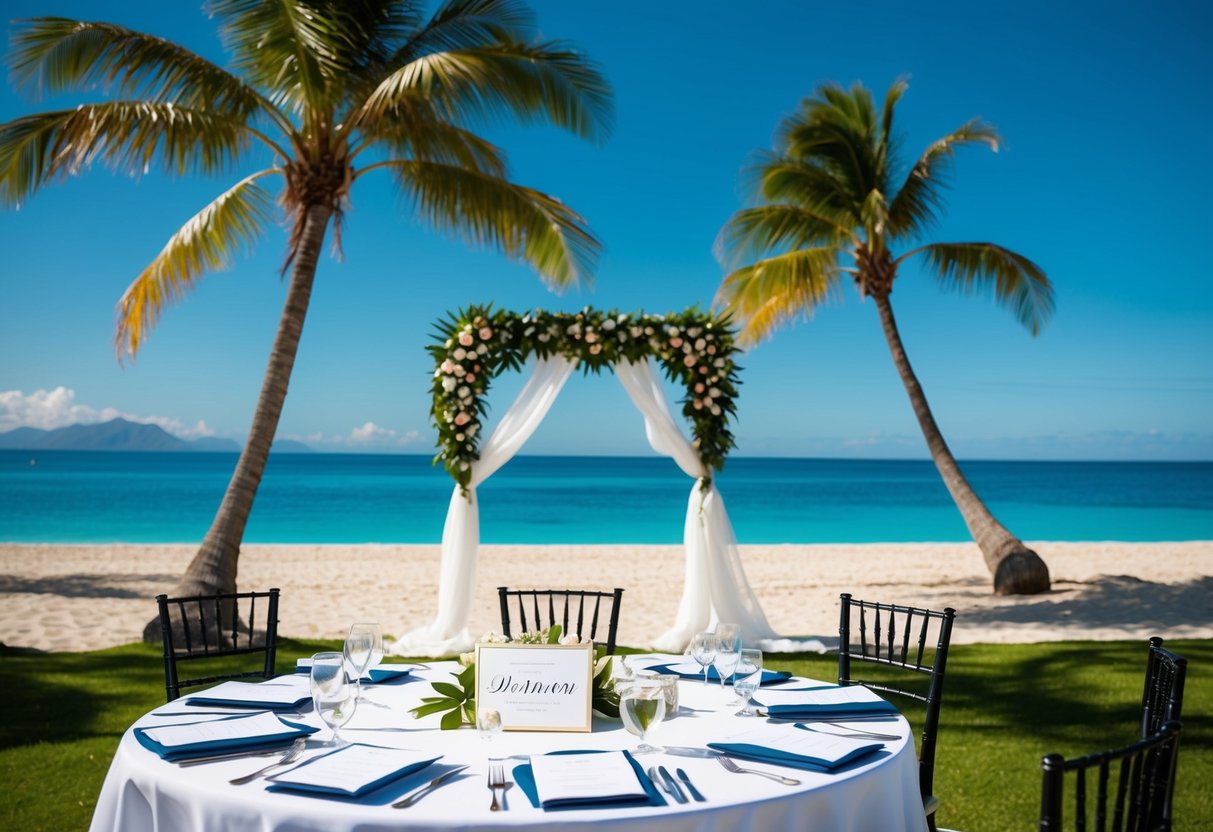
Planning a wedding in a different location or around a holiday brings unique challenges. You need to think about travel arrangements, accommodations, and timing to ensure your guests can celebrate with you.
Destination Wedding Invitations
For a destination wedding, sending invitations earlier is critical. Aim for 3 to 4 months before the event. This gives your out-of-town guests enough time to arrange travel and accommodations.
Consider sending save-the-date cards 6 to 8 months in advance to give your guests a heads-up. Inform them about the location and any special activities planned.
Make sure the invitations include important details like travel options and local attractions. This will help guests plan their visit and keep their excitement high.
Holiday Weekend Planning
Holiday weekends can be tricky. Many people make plans or travel during these times. Sending out invitations well in advance is essential. Aim for at least 4 months notice to accommodate your guests.
Consider major holidays like Thanksgiving or Memorial Day when families often gather. This may influence your guests’ travel plans. Share your wedding date early to avoid conflicts with family gatherings or vacations.
Having your wedding on a holiday can also mean some guests may have additional travel costs. Be clear about the wedding activities planned for the weekend, so guests know what to expect.
Booking Accommodations for Guests
Securing accommodations is vital for a smooth wedding experience. You should research nearby hotels or rental properties that can cater to your guests’ needs.
Make sure to reserve blocks of rooms early, especially if your wedding falls on a holiday weekend or a busy tourist season. This helps ensure your guests find convenient lodging.
Provide your guests with a list of options, including contact information and booking links. You may also want to negotiate group rates with hotels to help your guests save money.
Don’t forget to include information about transportation options from accommodations to the venue. Making this process easy for your guests shows you care about their comfort.
Creating and Sending Your Invitations

Creating and sending your wedding invitations is an exciting step in your planning process. You have many options for customizing your stationery, choosing between digital and formal invites, and addressing them correctly. Each choice adds a personal touch to your special day.
Customizing Your Wedding Stationery
When customizing your wedding stationery, consider your wedding theme and colors. You can choose from various styles like elegant, rustic, or modern. Make sure the design reflects your personality and sets the tone for the event.
Include important details on your invitation such as the date, time, location, and RSVP information. If you have a destination wedding, adding a map can be helpful. Remember, this is your chance to showcase your style to your guests, so take your time to choose a design you love!
Digital vs. Formal Wedding Invitations
You have the choice between digital invites and formal wedding invitations. Digital invitations are convenient and often more budget-friendly. They allow you to reach guests quickly, which is great if you’re sending invitations three months in advance.
Formal wedding invitations are traditional and often leave a lasting impression. They create a sense of excitement and importance around your event. If you lean towards the classic route, consider elegant stationery with high-quality paper and beautiful fonts. Each option has its benefits, so choose what feels right for you.
Addressing and Mailing Out Invitations
Addressing your invitations correctly is crucial for ensuring they reach your guests. Use clear, legible handwriting or labels to avoid any confusion. Be sure to include a return address on each envelope.
When mailing out invitations, send them out about three to four months before your wedding date. This gives your guests enough time to plan and respond. For destination weddings, you might want to send them even earlier. Following wedding invitation etiquette helps keep everything running smoothly for your big day!
After the Invitations: Next Steps
Once you have sent out your wedding invitations, there are a few important actions to take. These steps will help ensure smooth communication with your guests and maintain good wedding etiquette.
Managing the Guest List and RSVPs
As your guests begin to receive their invitations, monitor the RSVPs closely. Set a clear RSVP deadline, ideally one month before the wedding. This will give you enough time to finalize the details with your venue and caterer.
Create a system to track responses. You can use a simple spreadsheet or wedding planning app. This helps keep your guest list organized, especially as you manage both local guests and those traveling from afar. It’s also a great way to note any dietary restrictions or special requests.
If you notice that some guests haven’t replied as the deadline approaches, don’t hesitate to reach out to them. A friendly reminder can help you get those last RSVPs in, ensuring you can plan for everyone who wishes to attend.
Communicating Additional Information through a Wedding Website
Creating a wedding website is an excellent way to share important details with your guests. You can include information about the venue, directions, and hotel recommendations for out-of-town guests.
Your wedding website is also a great place to display engagement photos. This personal touch adds excitement and helps guests get to know you as a couple.
Be sure to include a section for your registry as well. This helps guests feel prepared and appreciated, avoiding awkward situations. Make it easy for them to find everything they need while keeping your communication streamlined.
Following up with Thank-You Notes
After your wedding, you cannot overstate the importance of thank-you notes. Start drafting these as soon as you receive gifts or help from friends and family. It’s a thoughtful way to show your appreciation and follow proper wedding etiquette.
Make sure to send out thank-you notes within three months after the wedding. This timeline keeps you organized while showing your gratitude in a timely manner. Be specific in your messages—mention the gift and how you plan to use it.
If you’re busy post-wedding, you can consider using a list to keep track of who you need to thank. This way, you won’t miss anyone important, ensuring that all your loved ones feel valued.