
Is 30 Minutes Enough for a Wedding Ceremony? Understanding Time for Your Special Day
When planning your wedding, you might wonder, “Is 30 minutes enough for a wedding ceremony?” Generally, 30 minutes is enough for a wedding ceremony to cover the essentials while keeping guests engaged. The right length allows you to include special elements, like personal vows and readings, without losing your audience’s interest.
Your personal preferences will play a big role in this decision. If you envision a more intimate wedding, a shorter ceremony often works well. On the other hand, if you prefer traditional elements or extended rituals, you may lean toward a longer ceremony.
Ultimately, the perfect ceremony length balances your vision with what keeps your guests comfortable and happy. You can create a memorable experience by focusing on what matters most to you.
Understanding Ceremony Types
When planning your wedding ceremony, it’s important to know the different types available. Each type can greatly affect the length and structure of your ceremony. Here are the main types you might consider.
Religious Ceremonies
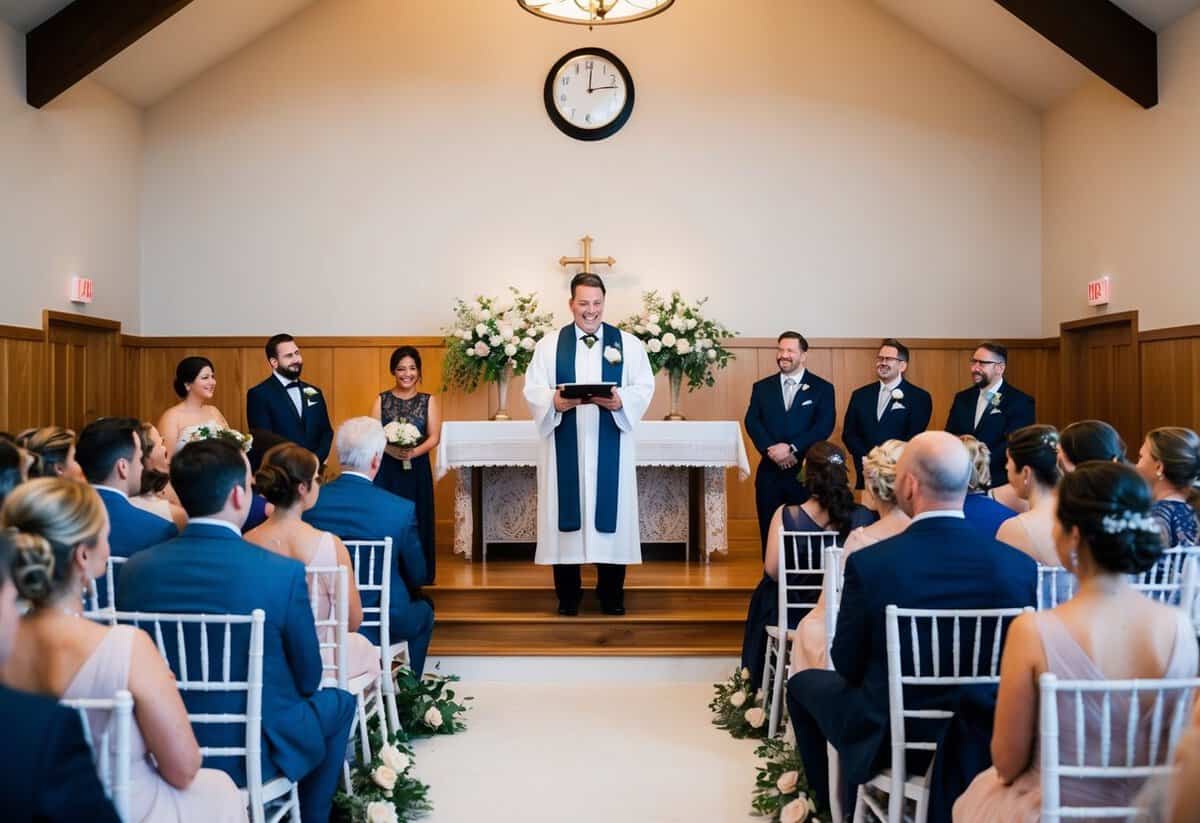
Religious ceremonies often hold deep significance for couples. These ceremonies typically include rituals, prayers, and readings specific to the faith. Depending on the religion, the length can vary greatly. For example, Christian weddings usually last about 30 minutes to an hour.
You may have elements like vows, music, and even a sermon. The structure is usually set by the religious institution and may require specific words or actions. Defining moments in these ceremonies often create lasting memories for you and your guests.
Secular Ceremonies
Secular ceremonies focus on personal beliefs rather than religious traditions. These weddings can be tailored to fit your personality and preferences. A secular ceremony commonly lasts around 20 to 30 minutes, allowing for flexibility in what you include.
You can personalize your vows and choose readings that reflect your feelings. Many couples incorporate themes, symbols, or traditions that resonate with them. This type of ceremony often feels more casual, creating a relaxed atmosphere for you and your guests.
Civil Ceremonies
Civil ceremonies are typically conducted by a government official, like a judge or a mayor. They are legal and often straightforward, focusing on the exchange of vows and rings. These ceremonies usually last around 15 to 30 minutes.
A civil ceremony is an excellent option if you want to keep it simple. You can choose a location, but many are held in city halls or similar venues. While they might lack religious elements, you can still add personal touches to make it special.
Cultural Considerations
Many couples choose to include cultural traditions in their ceremonies. These can vary widely based on your heritage or personal history. Cultural ceremonies may last longer than typical religious or civil ceremonies due to added rituals and customs.
For example, a traditional Indian wedding can include multiple days of ceremonies. These may involve specific attire, food, and rituals that hold significance. Understanding your cultural background can help you create a unique ceremony that truly reflects your identity and values.
Key Elements of the Ceremony
Every wedding ceremony includes several key moments that help create a special atmosphere. Understanding these elements can help you plan your timeline effectively and ensure everything flows smoothly.
The Processional
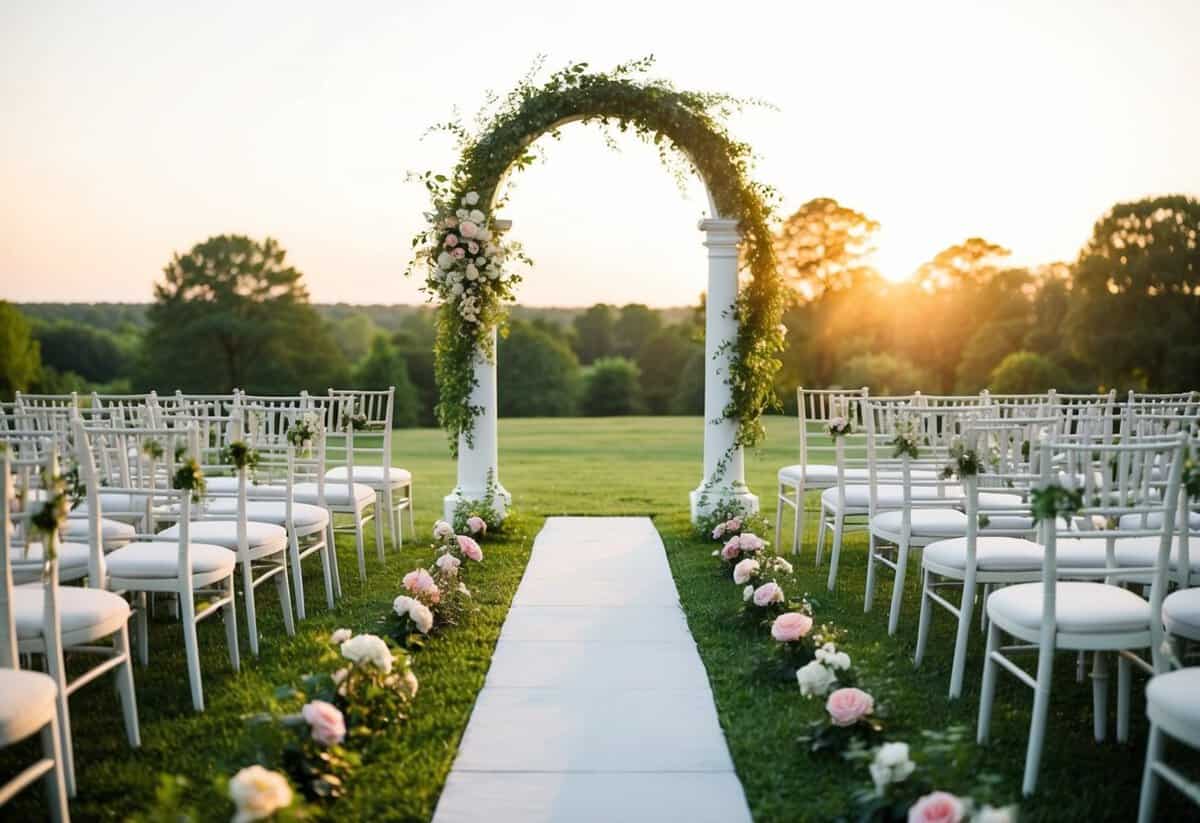
The processional marks the beginning of your wedding ceremony. This is when you and your wedding party enter the venue. It sets the mood for the entire event.
You typically start with music to signal the processional. Then, your parents, bridal party, and finally, the bride make their entrance. This part usually lasts about 5-10 minutes.
Make sure to coordinate with your musicians or DJ for the right songs. Choosing meaningful music can enhance the emotional impact of the moment.
Readings and Vows
Readings often add personal touches to the ceremony. They can be poems, scriptures, or quotes that resonate with you. Your chosen readers will present these words after the processional.
After the readings, it’s time for the wedding vows. This is where you and your partner express your love and commitment. You can choose to write your vows or use traditional ones.
This segment may take 5-15 minutes. Allowing time for heartfelt words helps connect you and your guests.
Ring Exchange and Unity Rituals
The ring exchange is a crucial moment. You and your partner typically slide rings onto each other’s fingers, symbolizing your commitment. This often takes about 5 minutes.
Many couples also include unity rituals. These can be a sand ceremony, candle lighting, or a similar gesture representing your joining as one. This adds a unique touch to your ceremony and takes around 5-10 minutes.
Make sure to practice these moments ahead of time to ensure they go smoothly during the ceremony.
The Recessional and Proclamation
The recessional follows the pronouncement of marriage. This is the joyful exit of the couple, often accompanied by upbeat music. Traditionally, you and your partner walk down the aisle together, followed by the wedding party.
This moment is filled with smiles and cheers. It usually lasts about 5-10 minutes.
The proclamation is the official declaration that you are now married. You’ll want to share this exciting news with your guests, adding to the celebratory atmosphere of the moment.
Planning Your Ceremony Timeline
Creating a smooth ceremony timeline is essential for a successful wedding day. You’ll want to consider your officiant’s guidance, add personal touches, and finalize your schedule with care.
Consulting with Your Officiant
Your wedding officiant plays a crucial role in planning the ceremony. Start by discussing your desired ceremony length. Many recommend budgeting about 30 minutes for a standard ceremony.
Your officiant can help tailor the timing to fit your script and any religious or cultural traditions involved. Share your personal preferences, such as readings or music choices. This way, you can ensure everything flows well.
Additionally, your officiant may suggest a rehearsal, especially for larger weddings, to help everyone know their roles.
Incorporating Personal Touches
Adding personal elements makes your ceremony unique. Consider including vows that reflect your journey as a couple. These can be traditional or completely original.
You might want to incorporate a unity ceremony, such as lighting a candle or mixing sand. These moments add meaning and enhance the overall experience.
Think about how to involve family and friends—perhaps through readings or music. These personal touches make your ceremony memorable and special, ensuring guests feel connected to your love story.
Finalizing the Day’s Schedule
After discussing details with your officiant and planning personal touches, it’s time to finalize the day’s schedule.
Create a clear timeline that outlines what happens before, during, and after the ceremony. Start with when guests arrive. Typically, you might want them seated 30-45 minutes before the ceremony starts.
Make sure to allow extra time for anything unexpected. Coordinate with your wedding planner to ensure everything aligns with the overall wedding day timeline. This teamwork helps make your day run smoothly, leaving you free to enjoy every moment of your celebration.
Transition to Reception
Transitioning from the wedding ceremony to the reception is important for keeping the day smooth and enjoyable.
After the ceremony, your bridal party can help arrange transportation for everyone. Make sure they know where to go and how to get there.
Consider the distance between the venues. If they are close, a 30-minute gap should be fine. However, if it’s farther, allow more time for your wedding guests to travel comfortably.
You might want to plan a cocktail hour during this time. This gives your guests a chance to mingle and enjoy refreshments while waiting for you and your partner to arrive.
Communicate clearly with your guests. Let them know what to expect and how much time they have before the reception starts. This helps everyone feel more relaxed and ensures they don’t rush.
A simple timeline can help everyone stay on track. Share this with your bridal party ahead of time, so they can assist you during the transition.