
Is 4 Hours Enough for a Wedding? A Realistic Timeline
A four-hour celebration can feel complete when you keep the schedule focused and give dinner, key moments, and guest time enough room. Yes, 4 hours is enough for a wedding when your ceremony is separate or your guest list and schedule are compact.
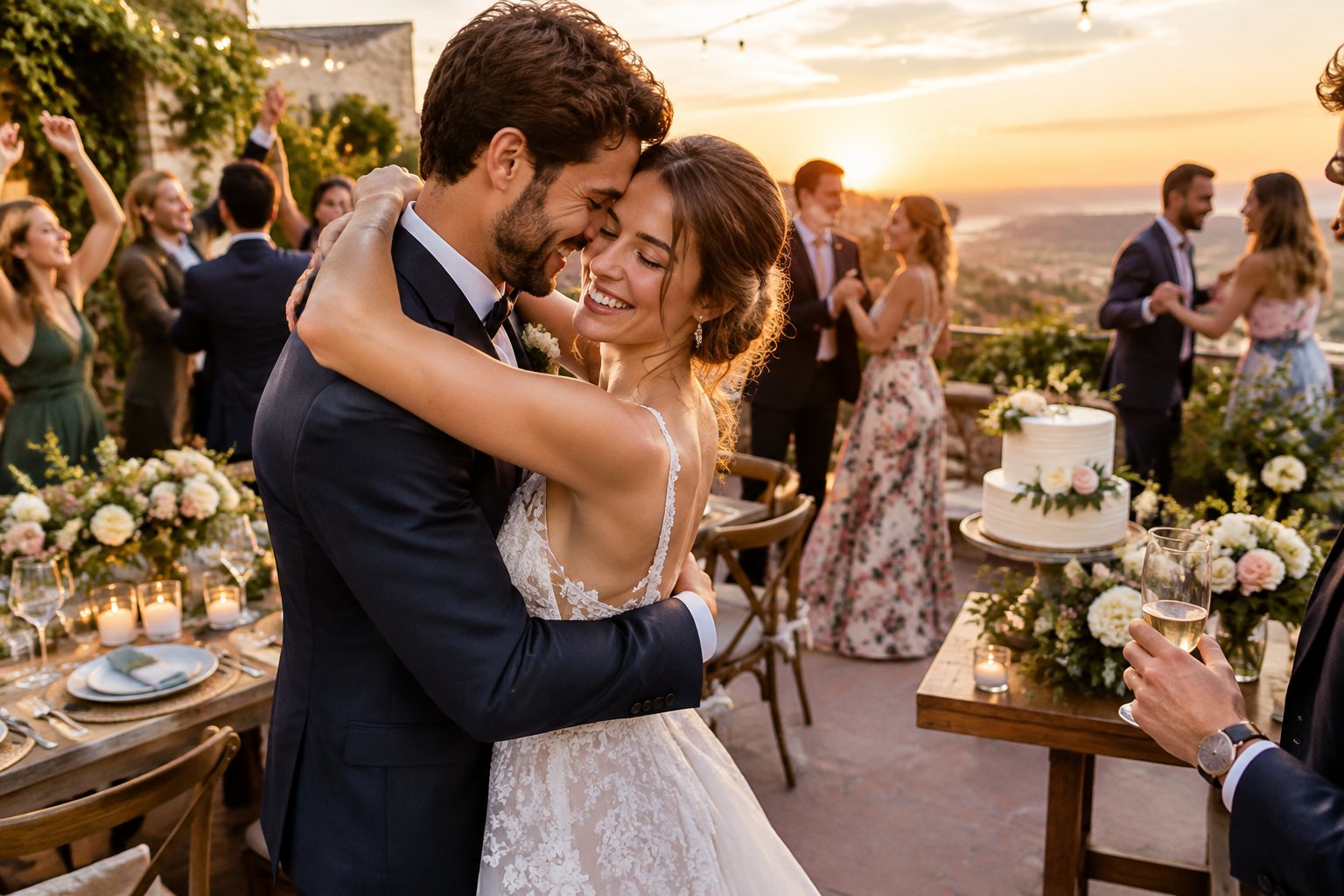
The main distinction is whether your four hours cover the ceremony and reception together or the reception alone. Decide which moments you want to protect, then build your schedule around your venue’s end time. If you are still setting priorities, use this guide to choose a wedding timeline that fits your plans.
What Fits Into a Four-Hour Wedding Day?
A four-hour wedding day can include the ceremony and a brief reception, while a four-hour reception gives you room for a fuller celebration after the vows. Your guest count, meal format, and travel between locations shape how much fits.
Does the Four-Hour Block Include the Ceremony?
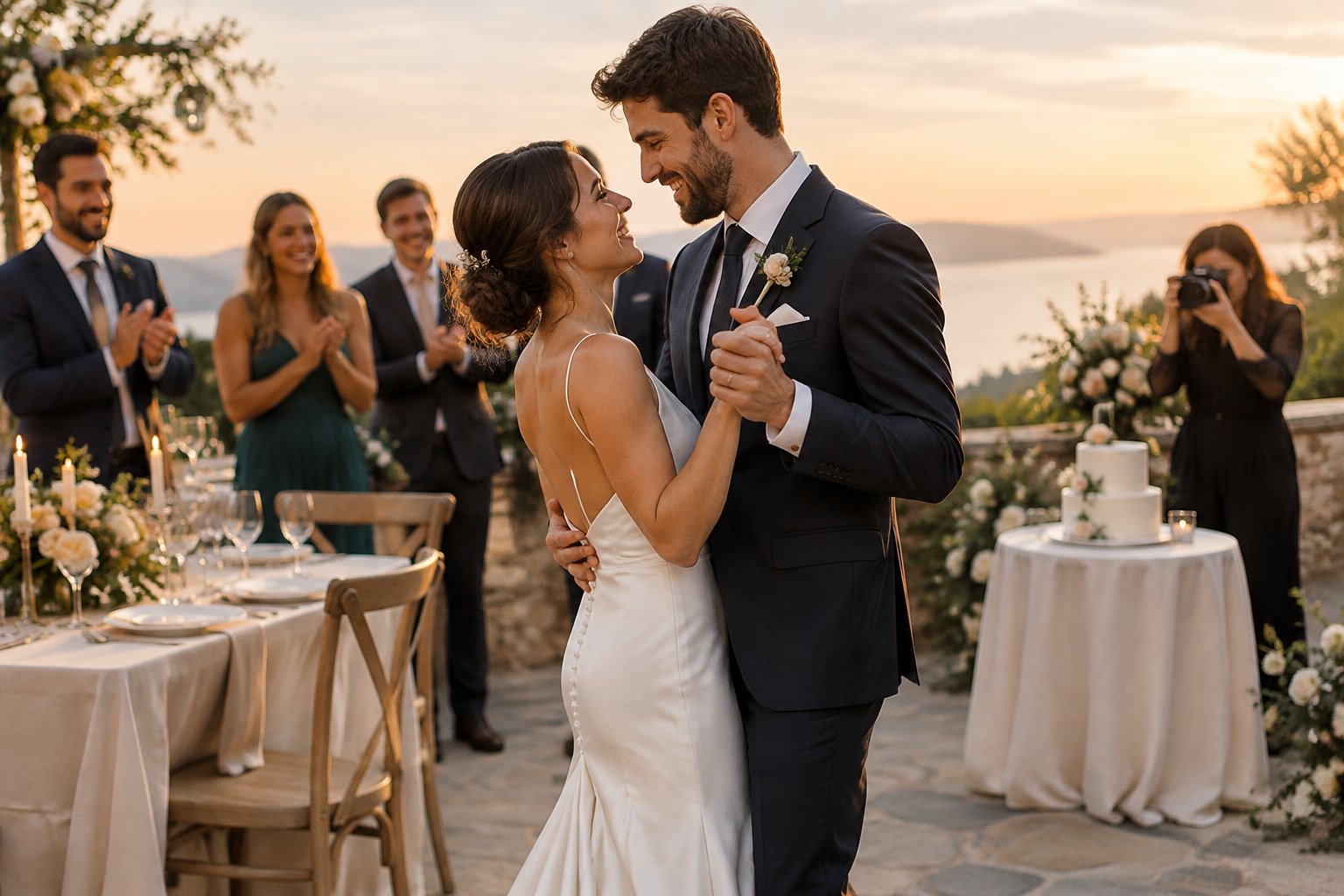
If the four-hour block includes your ceremony, plan for a compact event with limited transitions. A 20-minute ceremony, a short greeting or photo window, a meal, and a few planned moments can fit, especially with a small guest list and one venue.
For example, you might use 30 minutes for guest arrival and the ceremony, 30 minutes for congratulations and photos, 90 minutes for food and toasts, and the remaining time for a first dance and mingling. That leaves little room for a long cocktail hour, extended portraits, or a full dance party. Tell guests the schedule clearly so they know when the meal and celebration begin.
What Can a Reception-Only Four-Hour Block Accommodate?
A 4-hour wedding reception can include a cocktail hour, dinner, a few formalities, and a meaningful stretch of dancing. Because the ceremony happens before the reception clock starts, you have more room to let each part breathe.
For a reception-only schedule, reserve about an hour for cocktails and guest arrival, around 75 to 90 minutes for dinner and toasts, and the remaining time for dances, cake, and open dancing. A smaller guest list and one reception space make this flow easier. If you are comparing shorter formats, consider how a five-hour wedding reception changes the time available for dancing and conversation.
How Can You Map a Four-Hour Wedding Reception Timeline?
A workable wedding reception timeline moves guests from cocktails to dinner, then into the main formalities and open dancing without long gaps. Keep transitions short and place the most important moments where guests are already gathered.
When Should Cocktail Hour and Dinner Happen?
Start cocktail hour as guests arrive, then invite them to dinner about 45 to 60 minutes later. That first block gives guests time to get a drink, greet one another, and settle in. If you are moving between ceremony and reception spaces, add time for the walk and restroom stops.
A sample four-hour schedule could look like this:
- 5:00 p.m.: Cocktail hour begins.
- 6:00 p.m.: Guests move to dinner; the couple is introduced.
- 6:10 p.m.: Welcome remarks and dinner service begin.
- 7:20 p.m.: Toasts wrap up and the dance floor opens.
- 8:00 p.m.: Cake cutting or another short formal moment.
- 8:45 p.m.: Last dance and grand exit.
Adjust the times to your venue’s schedule and meal service. A sample wedding reception schedule can help you check the order of events before you set exact start times.
Where Do the First Dance and Cake Cutting Fit?
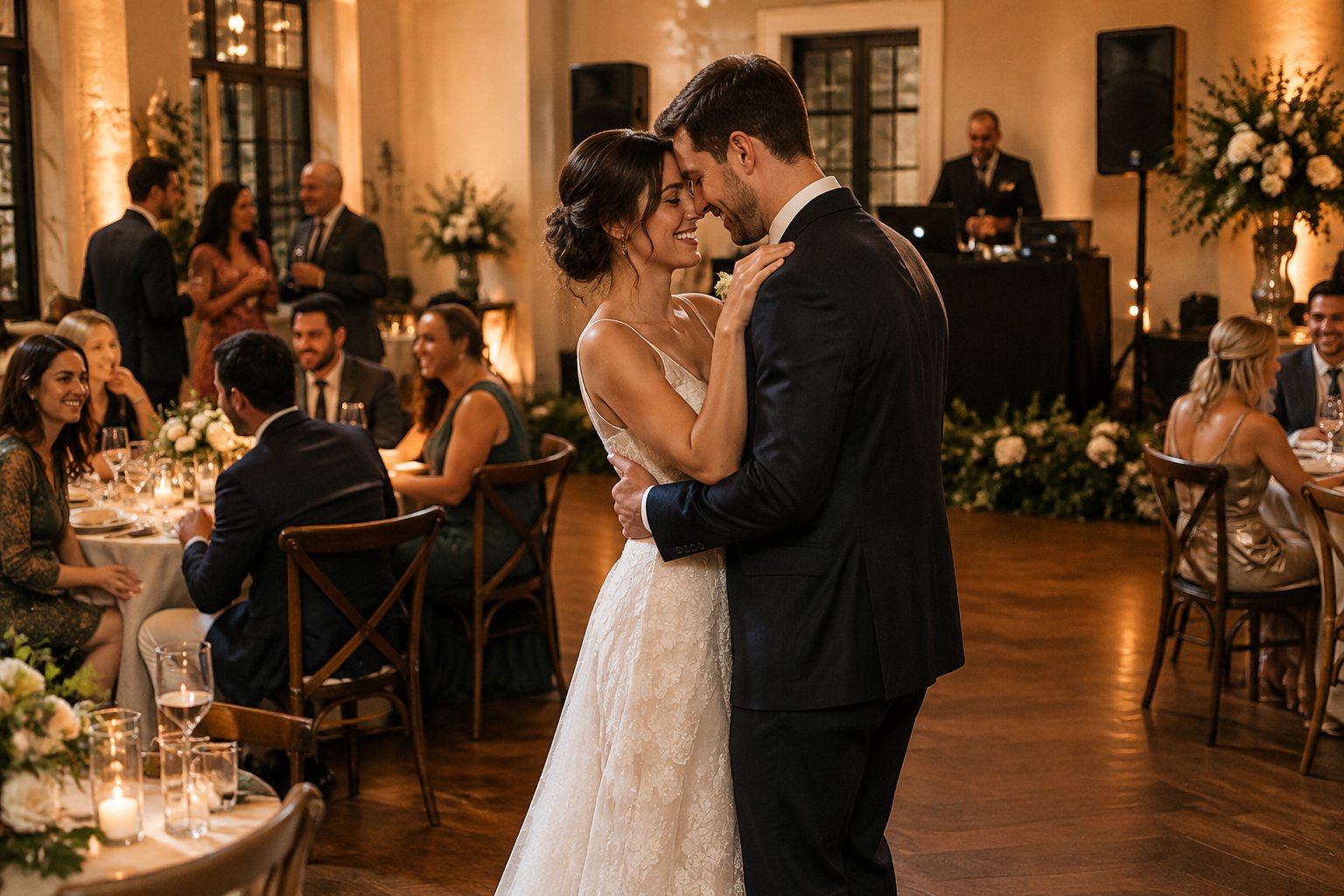
Place the first dance after your grand entrance or just after dinner, based on when you want the dance floor to open. A first dance near the start of the reception gives guests a clear transition into the celebration. If you prefer to dance after the meal, have your DJ or band announce it as dinner ends.
Cake cutting works well as a short break during open dancing. It gives guests a reason to gather, and dessert can follow without stopping the evening for a long stretch. Keep toasts brief and group related formalities together so each moment feels clear and the schedule keeps moving.
How Much Time Should You Leave for Open Dancing and a Grand Exit?
Set aside at least an hour for open dancing if a lively dance floor is a priority. Your schedule needs time for guests to get onto the floor after dinner and for the energy to build. A planned grand exit can take 10 to 15 minutes, including the announcement and time to gather guests.
If dancing is the main event for you, shorten the formal program or plan an after-party. A four-hour wedding playlist can help your DJ or band match the music to the time you have.
How Do Guest Count, Meal Style, and Venue Affect the Pace?
A large guest list, a slow meal service, or extra travel between spaces can use up your four-hour window quickly. Plan service and transitions with your caterer and venue before you finalize the event schedule.
Which Meal and Formalities Take the Most Time?
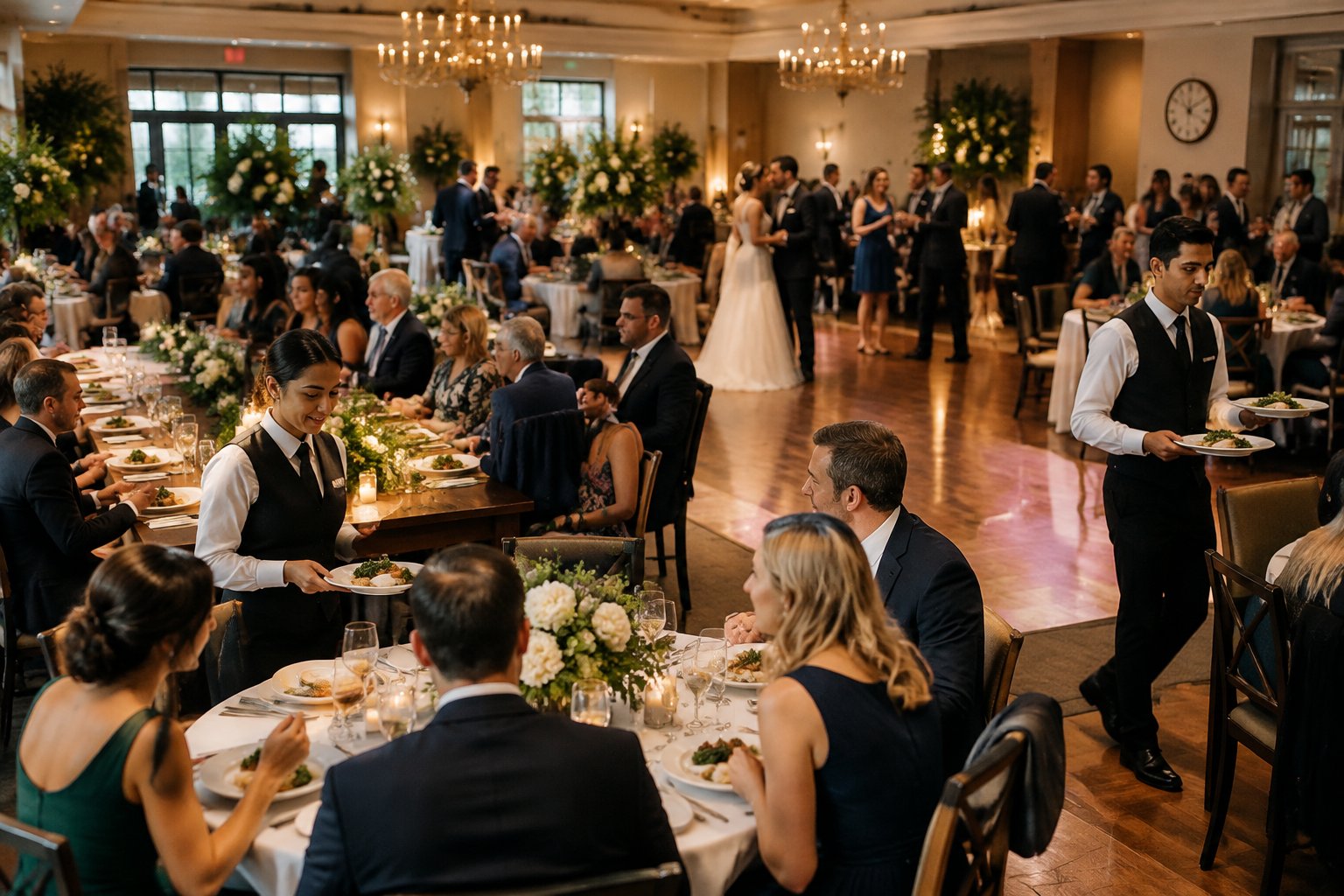
Plated meals need time for servers to reach each table, while buffets require guests to move through the line. Family-style service also takes time as dishes are passed around. Ask your caterer for a timing estimate based on your menu, guest count, and room layout. For a plated three-course meal, review how long a three-course wedding meal might take when planning the schedule.
Speeches, parent dances, and group traditions add minutes between dinner and dancing. Ask speakers to keep their remarks brief and give your DJ or coordinator a list of the formalities you plan to include. If a moment matters to you, schedule it; if it feels optional, leave it out.
How Do Travel and Venue Rules Change the Schedule?
Separate ceremony and reception locations add travel time for you and your guests. Include the drive, parking, and time for guests to find their seats. A single venue reduces those transitions, though moving from an outdoor ceremony to an indoor reception still takes time.
Check your contract for the exact end time, cleanup requirements, and any sound limits. Tell your coordinator and vendors when the event must end, then work backward to set the last dance and grand exit. You can also plan guest seating with enough time for everyone to settle before dinner service begins.
What Should You Prioritize in Four Hours of Wedding Photography?
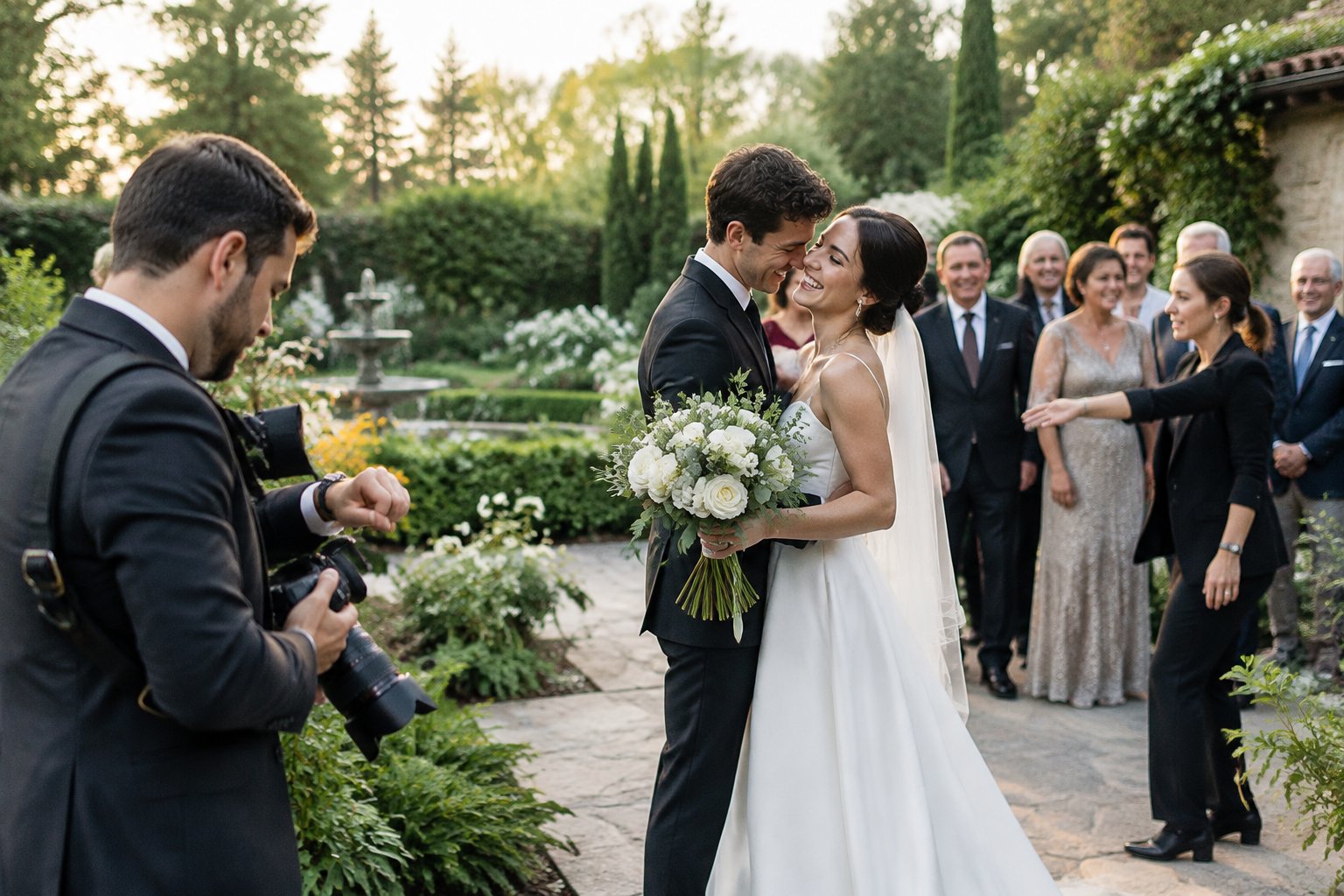
Four hours of wedding photography can cover the ceremony, portraits, and selected reception moments when your photographer starts at the right time. It is a focused package, so choose the parts of the day you most want preserved.
Can You Include Getting-Ready Photos and a First Look?
Getting-ready photos and a first look can fit into a four-hour photography window only if you schedule them within that coverage period. Starting coverage before the ceremony leaves fewer hours for the reception. A first look also takes time for the meeting, portraits, and any wedding party or family photos you plan to take before the vows.
Choose your preferred coverage start time with your photographer, then list the moments you want included. If you want both getting-ready images and a grand exit, four hours may not stretch across the full day. A wedding day photo checklist can help you rank the images you care about most.
Which Ceremony and Reception Moments Should Your Photographer Capture?
Prioritize the ceremony, couple portraits, family formals, and one or two reception highlights such as your first dance or cake cutting. Share a short family photo list and name a helper who can gather relatives. This keeps portraits organized and gives you more time with guests.
Tell your photographer when each event starts and where it happens. If you want dance-floor images or a grand exit, schedule coverage through those moments. Your photographer can help set a realistic start and end time based on the locations and portraits you have planned.
How Can You Keep the Celebration From Feeling Rushed?
A four-hour celebration feels more relaxed when you choose a few meaningful traditions, keep transitions simple, and leave small pockets of open time. Your guests need clear cues, food at the right time, and a chance to connect with you.
Which Traditions Can You Simplify or Skip?
Choose the traditions you care about most and remove activities that do not feel personal to you. You might keep the first dance and cake cutting, then skip a bouquet toss or long sequence of introductions. Combining parent dances or sharing a short welcome toast can also reduce pauses in the schedule.
Build a small buffer around dinner and the ceremony. A delay of a few minutes is easier to absorb when every event does not start back-to-back. You can use a chill wedding plan to keep the pace relaxed while still setting clear event times.
How Can a Coordinator or After-Party Help?
A coordinator can cue vendors, guide guests between spaces, and keep the schedule on track while you spend time with your family and friends. Give that person your final timeline, vendor contacts, and a list of moments that must happen before the venue closes.
An after-party gives guests who want to continue celebrating somewhere to go after the reception ends. Share the location and start time in advance, and arrange transportation if needed. Keep the reception schedule focused on your ceremony, meal, and favorite moments, then let the after-party carry the evening forward.