
Is 7 Months Too Early to Send Wedding Invites? Tips for Timing Your Invitations
Planning a wedding involves many decisions, and one of the most important is when to send your wedding invitations. You might wonder if sending them out seven months before the big day is too early. In fact, seven months is generally a great time to send your invites, giving your guests plenty of notice to mark their calendars.

Sending invitations at this time helps your guests prepare and make travel arrangements if needed. It’s also a good opportunity for you to manage RSVPs early in your wedding planning process. This way, you can focus on the details of your special day without stress.
As you dive into the wedding planning journey, consider how sending invites seven months ahead can benefit you and your guests. By doing so, you’ll ensure that everyone is informed and excited about your upcoming celebration!
The Ideal Timeline for Wedding Invitations
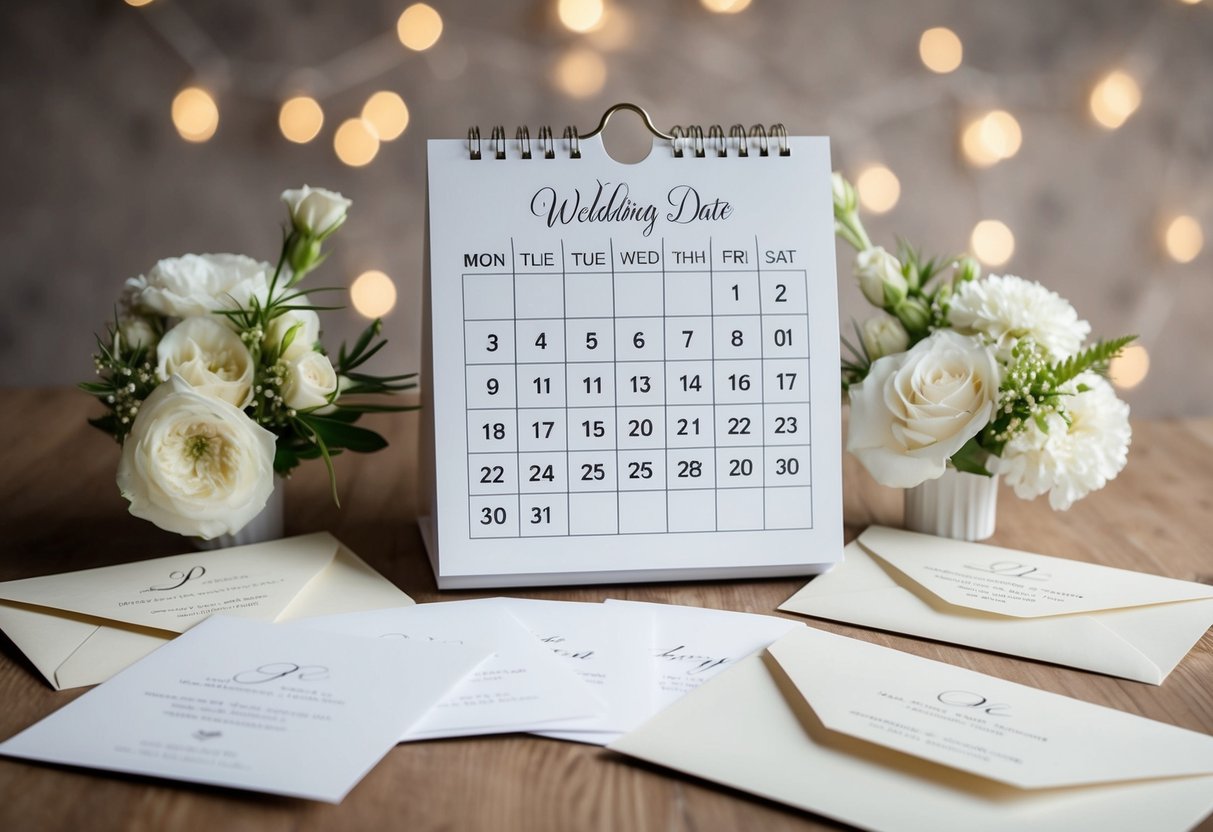
Planning your wedding invitations involves some important timing. Knowing when to send them can help your guests prepare, RSVP, and feel excited about your big day. Here are key points to keep in mind regarding timing, save-the-dates, and etiquette.
Determining Your Wedding Date and Venue
Your wedding date and venue can influence your invitation timeline. You should secure these details before sending invites.
Once you have a date, think about your guest list. Will most guests be local or traveling from far away? For local weddings, sending invitations 6-8 weeks in advance is common.
For more distant guests, consider sending them 3 months or even 6 months earlier. This gives them time to adjust travel plans and find accommodations.
Planning ahead helps ensure everyone has ample time to RSVP and feel included in your celebration.
Sending Save-the-Dates
Save-the-dates are an excellent way to inform guests about your wedding in advance. They help guests mark their calendars early.
Usually, it’s best to send save-the-dates 6-12 months before the wedding. Aim for the upper end if your wedding is during a busy season or if many guests will travel.
You’re not required to send them, but they can be a thoughtful touch. This extra notice makes it easier for guests to plan. Include key info like your wedding date and location to make it clear.
Wedding Invitation Etiquette
When it comes to wedding invitations, timing is crucial. Send them out 6-8 weeks before your wedding day. This timeframe allows guests enough notice to rearrange their schedules if needed.
Don’t forget to include an RSVP deadline. It’s usually best to ask for responses 2-4 weeks before the wedding. This gives you a clearer headcount for planning.
Be mindful of etiquette as well. Address the invitations correctly, and consider including all necessary details such as the dress code and accommodation options. This personalized touch helps your guests feel welcome and informed.
Special Considerations for Destination Weddings
When planning a destination wedding, timing and logistics are crucial. You want to ensure that your guests have enough notice for travel arrangements and accommodations. Here are important points to keep in mind.
Timing for Destination Wedding Invites
For destination weddings, it’s best to send out invitations much earlier than for local events. Ideally, you should send save-the-date cards 6 to 8 months before the wedding. This gives guests time to prepare, especially if they need to book flights or accommodations.
Formal invitations should go out 2 to 4 months prior to the date. Consider mentioning important details like travel tips and accommodation options in both your save-the-dates and invitations. Advance notice helps increase your chances of higher attendance, especially from out-of-town and international guests.
Travel Arrangements and Accommodations
Guests traveling for your destination wedding will need to make various arrangements. This includes booking flights and finding places to stay. Providing helpful information can ease this process for everyone.
Include a list of recommended hotels near the wedding venue. You might also want to suggest group rates or block bookings to ensure everyone is accommodated.
If possible, share any local travel tips, including transportation options from the airport. Your guests will appreciate this effort. With the right planning, everyone can enjoy your beautiful celebration without unnecessary stress.
Managing RSVPs and Finalizing Guest Count
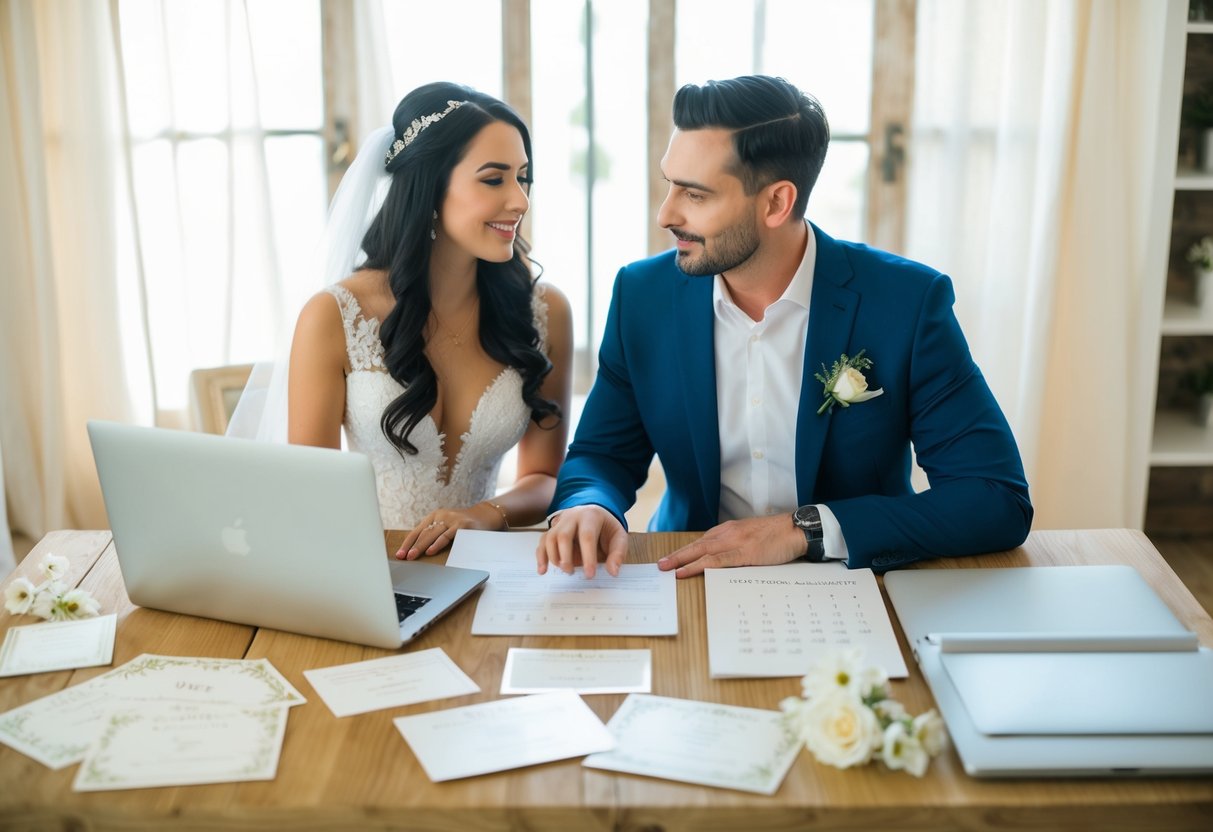
Handling RSVPs is key to planning your wedding smoothly. This process helps you keep track of who is coming and allows you to adjust your plans accordingly. Understanding how to set deadlines and track responses will make your planning much easier.
Setting an RSVP Deadline
Choose an RSVP deadline that gives your guests enough time to respond but is also close enough to your wedding date to ensure accurate planning. Aim for an RSVP date about three to four weeks before the wedding. This allows you to finalize your guest list, catering needs, and seating chart.
When sending out wedding invitations, clearly state the RSVP deadline. You can use phrases like, “Please respond by [date].” This emphasizes the importance of their response. Also, consider using online RSVP platforms to streamline the process. They often provide reminders and make it easy for guests to reply.
Tracking Responses and Adjusting Plans
Once your guests receive the invitations, it’s time to keep track of responses. Create a simple table or spreadsheet with names and their RSVP status. This will help you have a clear view of your guest count.
If you notice that some guests haven’t replied as the deadline approaches, gently follow up with them. A quick message can jog their memory. You might need to make changes based on the final headcount. This could mean adjusting the seating chart or increasing catering orders. Being proactive helps ensure no last-minute surprises arise!
Additional Wedding Stationery Elements
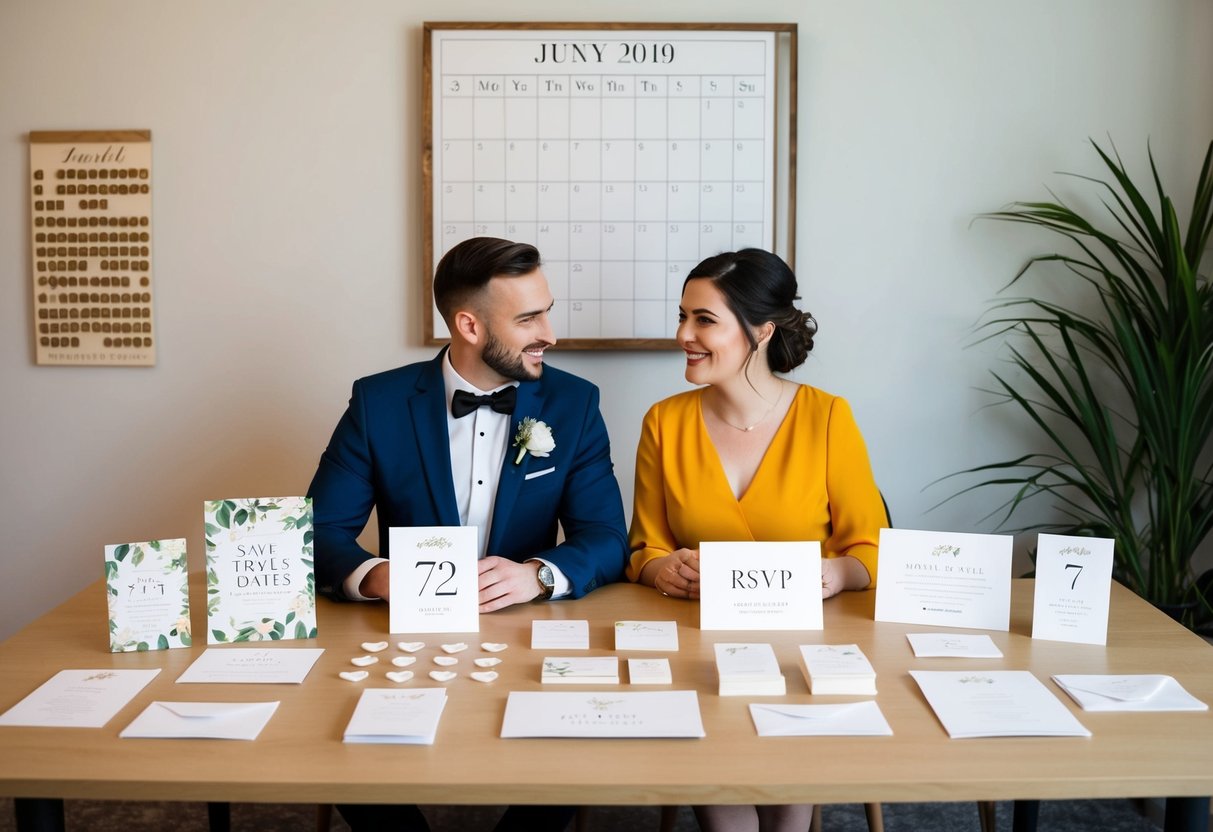
Your wedding stationery goes beyond just invitations. It includes details that help guests know what to expect and how to prepare for your big day. Here are some essential elements to consider.
Dress Code and Wedding Details
Communicating the dress code clearly is important. You want your guests to feel comfortable and confident in their attire. Consider using these options to convey your style:
- Formal: Specify black tie or cocktail attire.
- Semi-Formal: Indicate dressy but not overly formal clothing.
- Casual: Let guests know they can dress more relaxed.
In addition to the dress code, include important wedding details like the venue, start time, and any special activities planned. This helps guests plan their day better and allows them to enjoy your celebration without confusion.
Wedding Registry and Additional Information
Including information about your wedding registry can be helpful for guests wanting to give gifts. You can mention it directly on the invitation or provide a link to your wedding website where they can find all the details.
It’s a good idea to share any additional information that might be relevant. This might include:
- Directions to the venue.
- Accommodations for out-of-town guests.
- Information about nearby attractions.
This extra touch shows you care about your guests and their experience.
Sending Thank-You Notes
Thank-you notes are an essential part of wedding etiquette. After the wedding, make sure to send personalized notes to express your gratitude. It’s best to send these within three months of receiving gifts.
When writing thank-you notes, mention the specific gift they gave and how you plan to use it. This personal touch makes your message feel genuine.
Keeping track of who gave what can be helpful too. You might consider a chart or a simple spreadsheet to ensure everyone gets their rightful recognition. This effort shows appreciation and leaves a positive impression of your special day.