
Is 7 Too Late for a Wedding? Exploring Perfect Ages for Matrimony
When it comes to planning your wedding, timing can be everything. You might wonder if starting your ceremony at 7 PM is too late for your special day. Generally, a 7 PM start for a wedding can work well, especially for evening celebrations. It may also offer a magical atmosphere with beautiful sunset views, depending on the season.
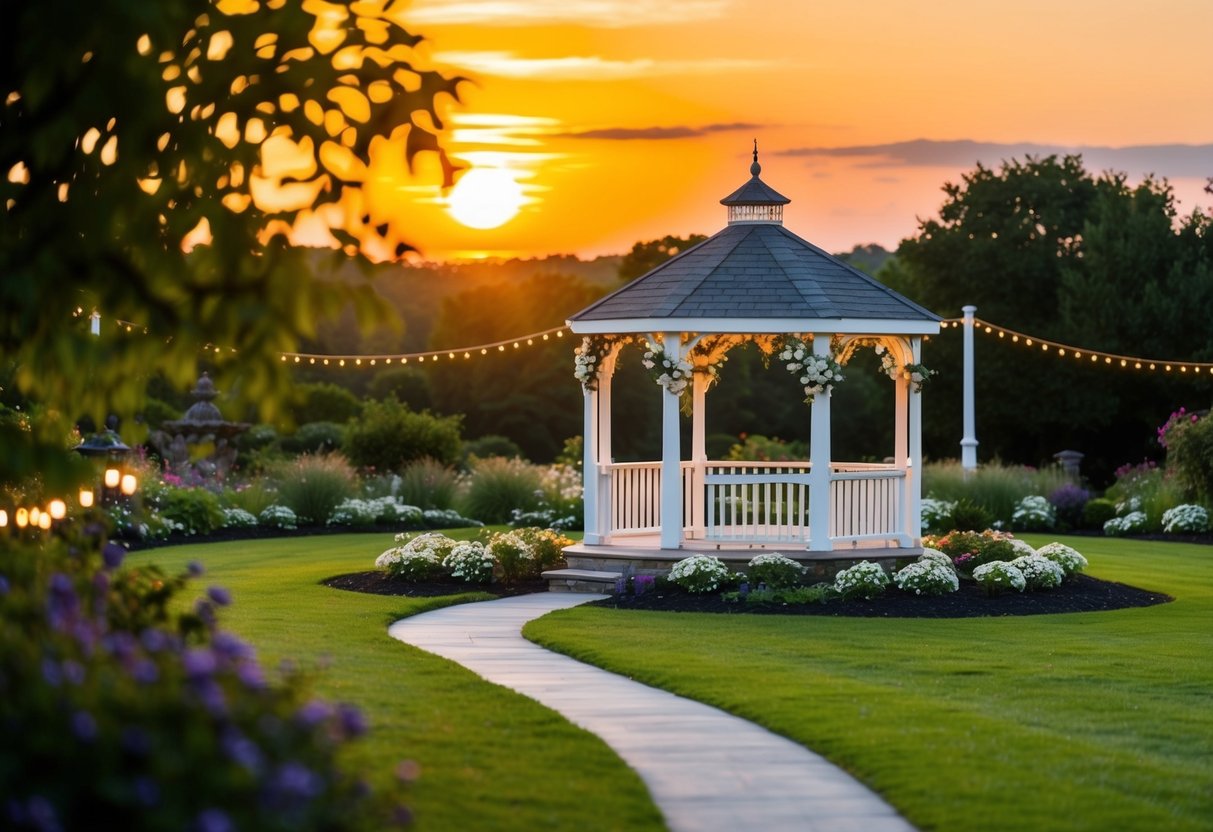
There are a few things to consider when planning a later ceremony. If you’re hosting a spring or fall wedding, aim for an earlier start around 5 or 6 PM, as this lets you take advantage of the remaining daylight. But for summer weddings, a 7 PM ceremony can be perfect, keeping the party lively long into the night.
Wedding etiquette also plays a role when planning the timeline, especially regarding guest comfort. A later start means you may want to plan for appetizers and drinks while guests arrive and mingle, ensuring everyone feels welcomed.
Determining the Start Time
Choosing the right start time for your wedding is essential. It sets the tone for the entire day, from the ceremony to the reception. Let’s break down what you need to consider.
Ceremony Schedule
When planning your ceremony, consider starting it at an ideal time. A good time for an evening wedding is between 6:00 p.m. and 7:00 p.m. This allows guests to enjoy a late afternoon filled with mingling or light snacks before the main event.
If you decide on a time like 7:00 p.m., be aware that daylight will fade quickly. Ensure you have a backup plan for photos and other activities. You might opt for a quick outdoor ceremony, ideally before sunset, which gives you beautiful lighting.
Make sure to create a timeline that includes time for guests to arrive and settle in. This keeps everything flowing smoothly and makes it easy for everyone to enjoy your special day.
Reception Considerations
The reception is just as important as the ceremony when it comes to timing. It usually follows the ceremony, so plan accordingly. If your ceremony ends around 7:30 p.m., aim to start cocktails shortly after.
Dinner might be served around 8:00 p.m., with dancing beginning at 9:30 p.m. This schedule allows guests to relax and enjoy various activities.
Remember that a later start time can be charming, but it also means that some guests might leave earlier. This is especially true if they have early morning commitments. So, balance your timing with what works best for you and your loved ones.
Guest Considerations
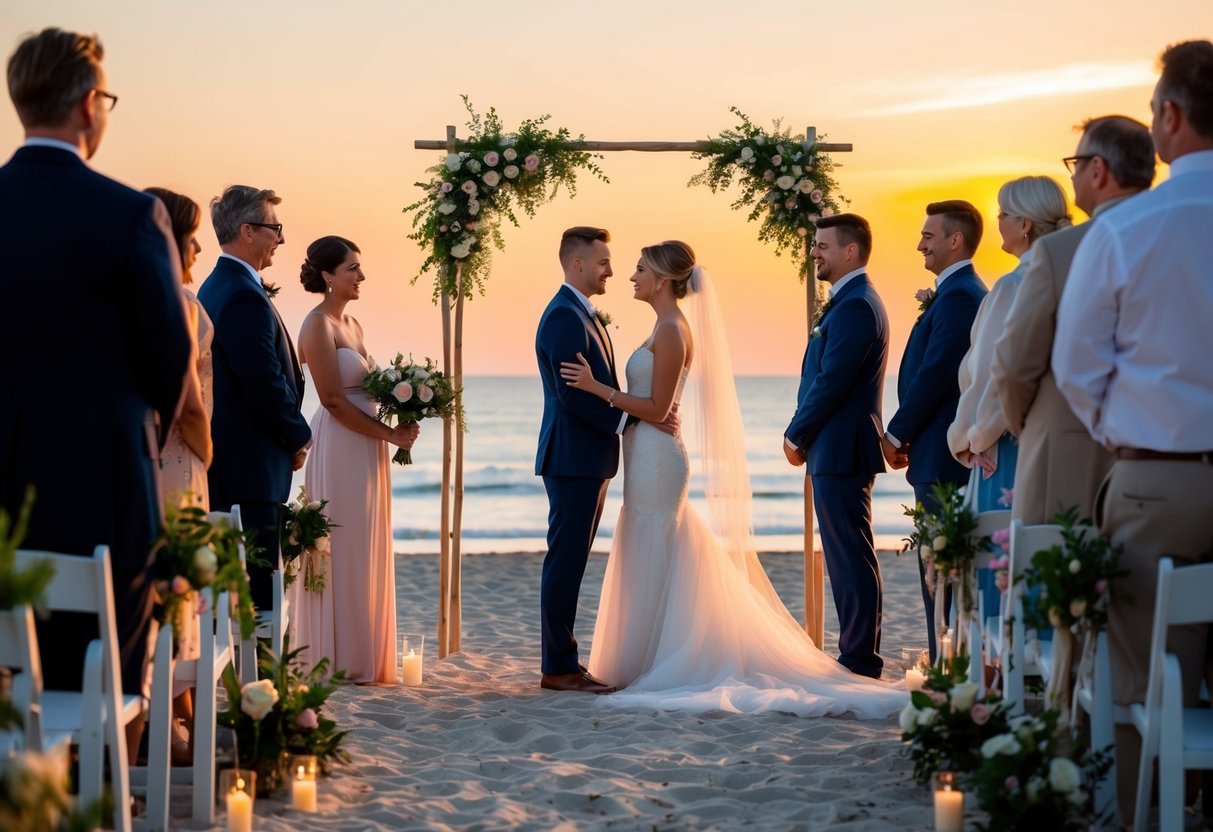
When planning a wedding, it’s important to think about how your decisions affect your guests. Starting the ceremony at 7 PM may have various impacts on their experience, including how they communicate their attendance and the overall enjoyment of the event.
RSVP and Communication
Clear communication is key for a successful wedding. When you send out invitations, specify the start time and any relevant details.
It is helpful to encourage early RSVPs. This gives you an idea of how many people will attend. If you plan a ceremony at 7 PM, let your guests know well in advance. Not everyone may be comfortable arriving late.
Consider adding a note about the timing in your invitations. Something like, “Please arrive 15-30 minutes early” can help guests plan. This small detail can ease any worries they may have about being late.
Guests’ Experience
The timing of your wedding can impact how much your guests enjoy the celebration. A 7 PM start time might mean your guests are navigating the evening traffic. This could cause them to arrive later than planned.
Consider how long the ceremony will last. If it starts late, it may push dinner and dancing to a later hour. This can lead to tired guests, especially if they have traveled far to get there.
Also, think about the lighting. Evening weddings need good lighting for photos. Ending the ceremony late can cut into the prime time for those important moments. Your guests’ experience should be joyful, so planning the timing carefully is essential!
Venue and Vendor Logistics
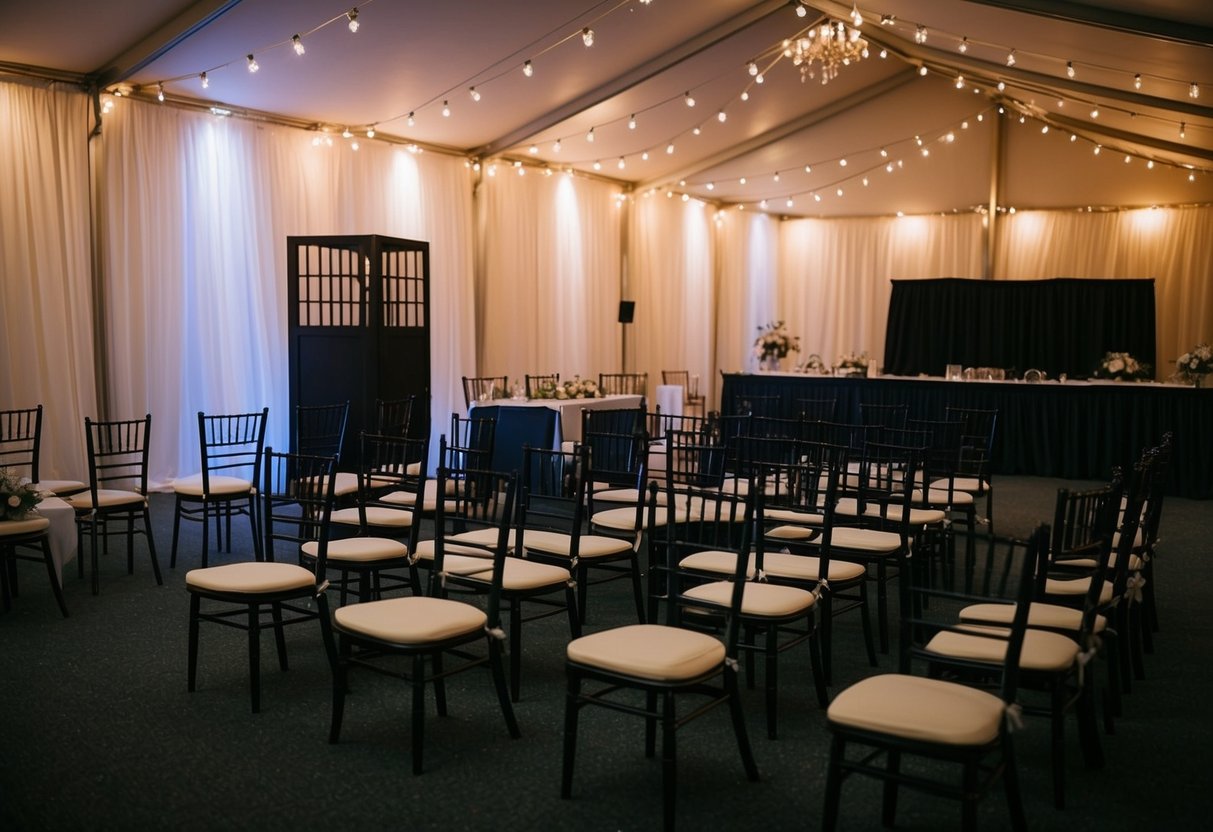
When planning your wedding, the logistics of your venue and vendors are essential. Getting these details right can ensure a smooth and enjoyable experience for you and your guests.
Venue Accessibility
First, consider the accessibility of your venue. Is it easy for guests to reach? Check if there’s ample parking or if the venue provides transportation options. If many guests are traveling from afar, ensure accommodations are nearby. Offering information about local hotels can make things easier for everyone.
Confirm that your venue has the necessary facilities, like restrooms, and consider alternatives if needed. It’s also wise to ask about any restrictions that might affect your ceremony, such as noise ordinances or limitations on guest capacity.
Vendor Timing and Setup
Next, think about your vendors and their setup times. Each vendor will have specific requirements, so communicate these needs clearly. For example, catering services may need several hours to prepare before dinner is served.
Check your contract for setup times. It’s essential to ensure that your venue allows enough time for vendors to set up without rushing. This can help create a relaxed atmosphere for everyone.
Also, keep in mind that lighting is crucial for photography, especially for evening weddings. Discuss your timeline with photographers and videographers to maximize the available light and capture those beautiful moments.
Special Wedding Features
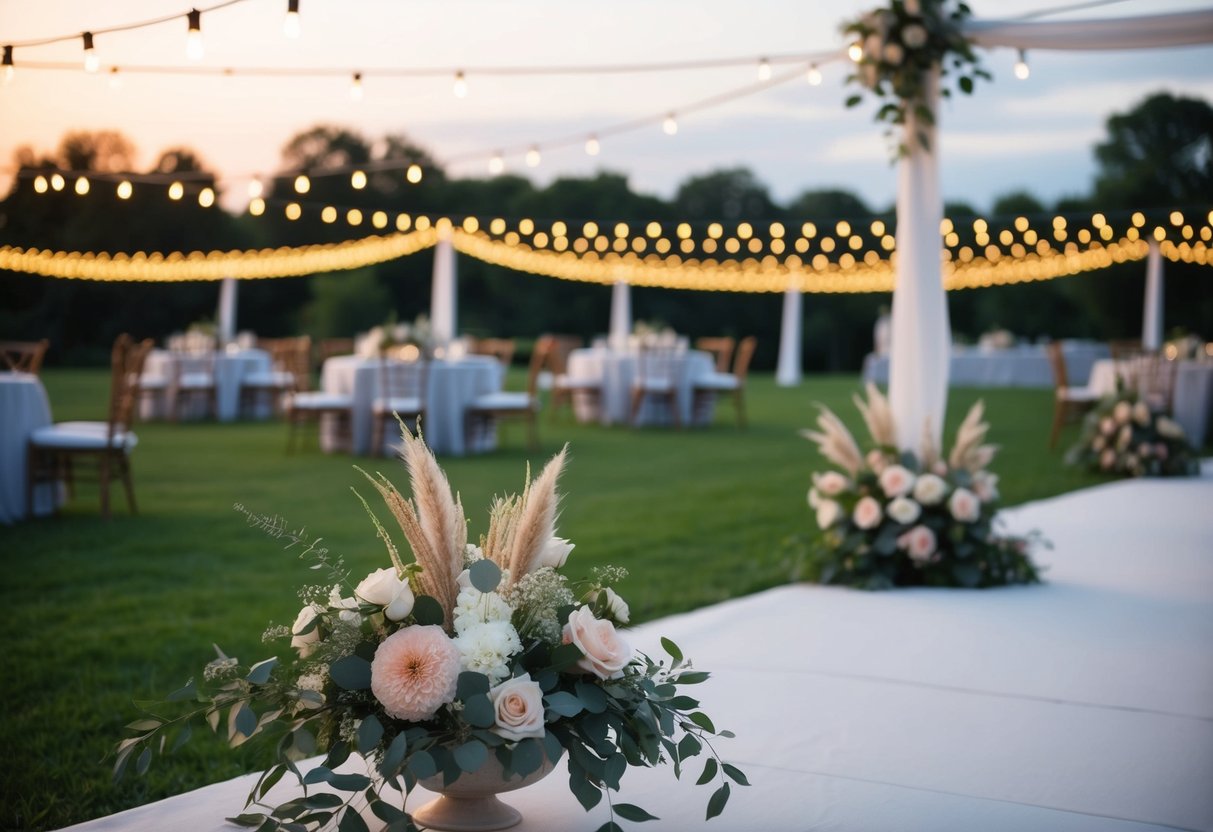
Having a wedding at a later hour can create a unique and festive atmosphere. Special features like cocktails, dinner service, toasts, and entertainment play a vital role in making your evening memorable. Here’s what you can consider for your late wedding.
Cocktails and Appetizers
Starting with a cocktail hour is a great way to set the mood. Guests arrive and can mingle while enjoying drinks and light bites. Offer a variety of cocktails, including signature options that reflect your personality as a couple.
For appetizers, choose easy-to-eat finger foods. Think about options like shrimp cocktails, mini sliders, or stylish charcuterie cups. This allows your guests to socialize without interruptions and creates a relaxed environment.
Dinner Service Styles
When it comes to dinner, you have several options. A buffet is popular for evening weddings, permitting guests to select their preferred dishes. This adds a casual vibe and helps facilitate mingling.
Alternatively, a plated dinner offers a formal touch. The server brings food directly to the tables, creating a cohesive dining experience. Decide what fits your wedding style best and consider guest preferences when planning the menu.
Toasts and Speeches
Toasts and speeches are a cherished tradition at weddings. Schedule these during or after dinner to maintain guest engagement. This could happen as soon as the last course is served, allowing for heartfelt moments before dessert.
Encourage important people in your life to share stories. This adds a personal touch and keeps the atmosphere warm. Keep speeches concise, ideally around 3-5 minutes, to keep guests attentive and entertained.
Dance Floor and Entertainment
The dance floor is often the highlight of the evening. Schedule your first dance right after the toasts to kick things off.
Afterward, invite everyone to join in and create a lively atmosphere.
Consider hiring a DJ or a live band to elevate your event. Both options can cater to various musical tastes, ensuring fun for all ages.
You might also include special dances, like father-daughter or mother-son, to add personal moments to the evening’s entertainment.