
Is 8 Months Enough Time for a Wedding Dress? Tips for a Stress-Free Experience
Finding the perfect wedding dress is a big part of your wedding planning journey. As you dive into wedding dress shopping, you might wonder if eight months is enough time to find “the one.” Generally, eight months is a sufficient timeline to order and receive your dress, allowing for alterations and adjustments.
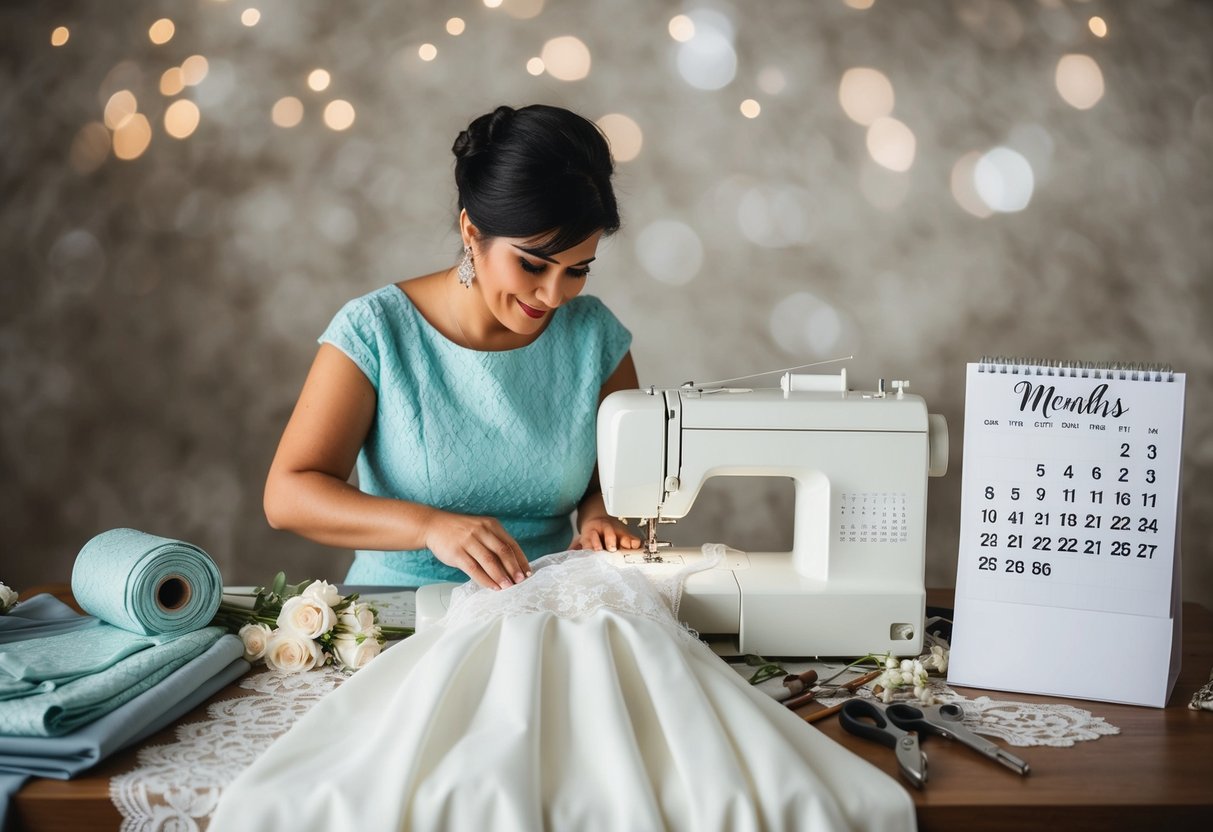
When you get engaged, the excitement can be overwhelming, and planning your dream wedding often leads to many questions. With the right approach, you can enjoy the process without feeling rushed.
Knowing the timeline for ordering your wedding dress will help you navigate your wedding plans with ease.
As you start this important journey, remember that each dress is different. Being realistic about your timeline can save you stress and ensure that you feel confident and beautiful on your big day. With careful planning, you can find the gown that reflects your style and happiness.
Understanding the Wedding Dress Timeline

When planning for your wedding dress, knowing the timeline is essential. This helps you avoid last-minute stress and ensures your dress fits perfectly. Here’s a breakdown of important timing factors you should consider.
Timing for Custom Dresses
If you choose a custom dress, you will need more time. Ideally, you should order your custom gown 8 to 12 months before your wedding date. This allows the designer enough time to create your unique dress.
After placing your order, you will usually wait about 4 to 6 months for production. Be sure to discuss the estimated delivery with your designer.
Once your dress arrives, you will still need time for fittings and any alterations, which can take an additional 2 to 4 weeks. This ensures that your gown is exactly as you envisioned it.
Timeline for Off-The-Rack Dresses
For off-the-rack dresses, the timeline is slightly different. You may be able to purchase a dress 6 to 8 months before your wedding date. This could give you flexibility, but it’s best to start shopping early.
Try to visit shops and explore your options as soon as you get engaged. Once you find a dress, make sure to allow for alterations, which can take 4 to 6 weeks.
Keep in mind that some dresses may require customization, so always check with the boutique about modifications and their timelines.
When to Schedule Fittings and Alterations
Scheduling fittings is a crucial step in the dress timeline. Ideally, you should have your first fitting 2 to 3 months before the wedding. This is when the seamstress will assess the initial fit of the dress.
After the first fitting, plan for at least one or two more fittings before the big day. This gives you time for adjustments and any changes you may want.
Try to finalize all alterations at least one month before your wedding. This will give you peace of mind, knowing your dress fits perfectly.
Finding the Perfect Wedding Dress

Choosing your wedding dress is an exciting journey. You’ll need to focus on your personal style, body type, and where to find the perfect options. Each of these steps helps ensure you find the wedding dress that truly represents you.
Identifying Your Personal Style
Your personal style sets the tone for your wedding day. Think about how you want to feel in your dress. Are you drawn to classic elegance, modern chic, or bohemian flair?
Consider looking at various sources for inspiration. Start by browsing magazines, social media, and bridal websites. Create a mood board with images of dresses you love. This will help you narrow down your choices and communicate your vision to bridal salons or boutiques.
Make sure to consider elements like fabric, neckline, and silhouette. Morilee wedding dresses, for instance, offer a variety of styles that could match your unique taste.
Considering Dress Options for Your Body Type
Understanding your body type is key to finding the right dress. A dress that complements your figure will enhance your comfort and confidence on your big day.
For example, A-line dresses are flattering for many body shapes, offering a timeless silhouette. If you have a curvier figure, consider gowns that highlight your waist, like mermaid or fit-and-flare styles.
Talk to bridal consultants about what styles work best for you. They can provide insight and suggest specific dresses to try on, ensuring you explore designs that enhance your natural beauty.
Exploring Various Bridal Shops and Salons
Finding the right place to shop is just as important as finding the right dress. Start by researching local bridal boutiques and salons. Look for those that carry designers like Morilee to see a range of styles.
Read reviews from other brides to gauge their experiences. Visiting a few different shops can give you a sense of what you like and what fits your budget.
Don’t hesitate to ask questions when you arrive at a salon. They can help you find styles that align with your personal taste and body type. Take your mood board along to help express your vision and ensure you have a productive shopping experience.
The Shopping Experience

Finding your wedding dress is an exciting journey. It involves several important steps, from scheduling appointments to exploring special events. Each part of the shopping experience can help you feel prepared and confident in your choice.
Scheduling Bridal Appointments
Start by making bridal appointments at various boutiques. It’s best to book these at least 8-12 months before your wedding. This allows you to try on several styles and ensure ample time for any changes.
When scheduling, consider visiting during weekdays. These times are often less busy, giving you more personalized attention. Don’t forget to bring along your close friends or family to share in the experience. Having their support can make trying on dresses more fun!
Attending Trunk Shows and Events
Trunk shows offer a great opportunity to see the latest designer collections. These events typically feature exclusive dresses not yet available in stores. You can discover unique styles and even meet the designer.
To attend a trunk show, book in advance. These events may have limited spots, so reserving your place early is key. You might also find special discounts available during a trunk show, making it a perfect time to find your dream dress!
Working with Bridal Consultants
Bridal consultants are your guides during the dress shopping process. Their expertise can help you narrow down styles that suit your body type and wedding theme. Be open about your budget so they can tailor their suggestions accordingly.
Trust their advice while trying on dresses. They have experience and can suggest styles you may not have considered. Make sure to communicate any preferences or dislikes, as this will help them understand your vision better.
Final Preparations and Considerations
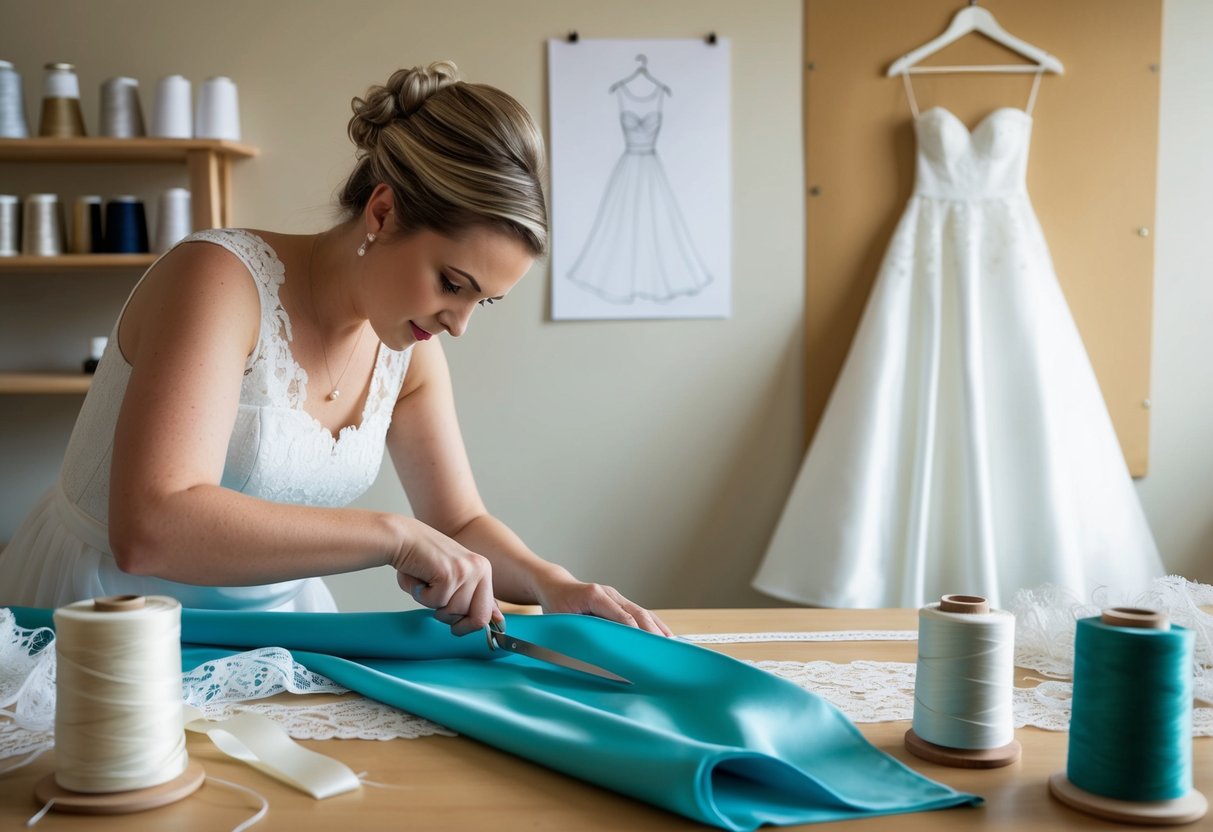
As your wedding day approaches, it’s time to focus on those important final touches. These preparations will ensure you look stunning and feel confident on your special day.
Choosing Accessories and Shoes
Selecting the right accessories can enhance your wedding gown and complete your look. Think about the style of your dress—are you going for classic, modern, or bohemian?
Included Accessories:
- Necklaces: Consider a delicate piece or a statement necklace, depending on your gown’s neckline.
- Earrings: Choose earrings that complement your hairdo and gown style.
- Veils or Headpieces: These can add a touch of elegance to your look.
Don’t forget your wedding shoes! Choose shoes that are comfortable and fit the venue. If you’re getting married outside or on uneven surfaces, consider a lower heel. Remember, you’ll be standing and dancing, so prioritize comfort.
Coordinating Bridesmaids’ Dresses
Your bridesmaids play a big role in your wedding’s aesthetic. Coordinate their dresses so they complement your gown while allowing each one to feel beautiful.
Key Points to Consider:
- Color and Fabric: Choose a color that matches your wedding palette. Consider fabrics that reflect the season and venue.
- Style: Decide if you want uniform dresses or different styles that fit each bridesmaid’s personality.
- Fit: Ensure all dresses are ordered and fitted at least a few months prior to the wedding for the perfect fit.
Communicate clearly with your bridesmaids about their dresses and any accessories you’d like them to wear. This ensures a cohesive look in photos.
Preparing an Emergency Kit
An emergency kit can save the day if something goes wrong. Make sure you have one handy for your wedding day.
What to Include:
- Sewing Kit: You can use this for any last-minute wardrobe malfunctions.
- Stain Remover: This is helpful for unexpected spills.
- Pain Relief: You may need some pain relievers for headaches or discomfort.
- Makeup Touch-Up: Have items like lipstick and powder to keep your look fresh.
Also, pack essentials like a lint roller, safety pins, and even snacks! This kit can help you manage the unexpected and stay stress-free on your big day.