
Is 9 Months Too Soon to Plan a Wedding? Tips for a Stress-Free Experience
Planning a wedding can feel overwhelming, especially if you’re wondering if nine months is enough time. Many couples have successfully planned beautiful weddings in just nine months, proving that it’s not too soon to get started.
With the average time to plan a wedding typically ranging from 12 to 18 months, nine months might seem tight, but it’s definitely achievable with the right approach.
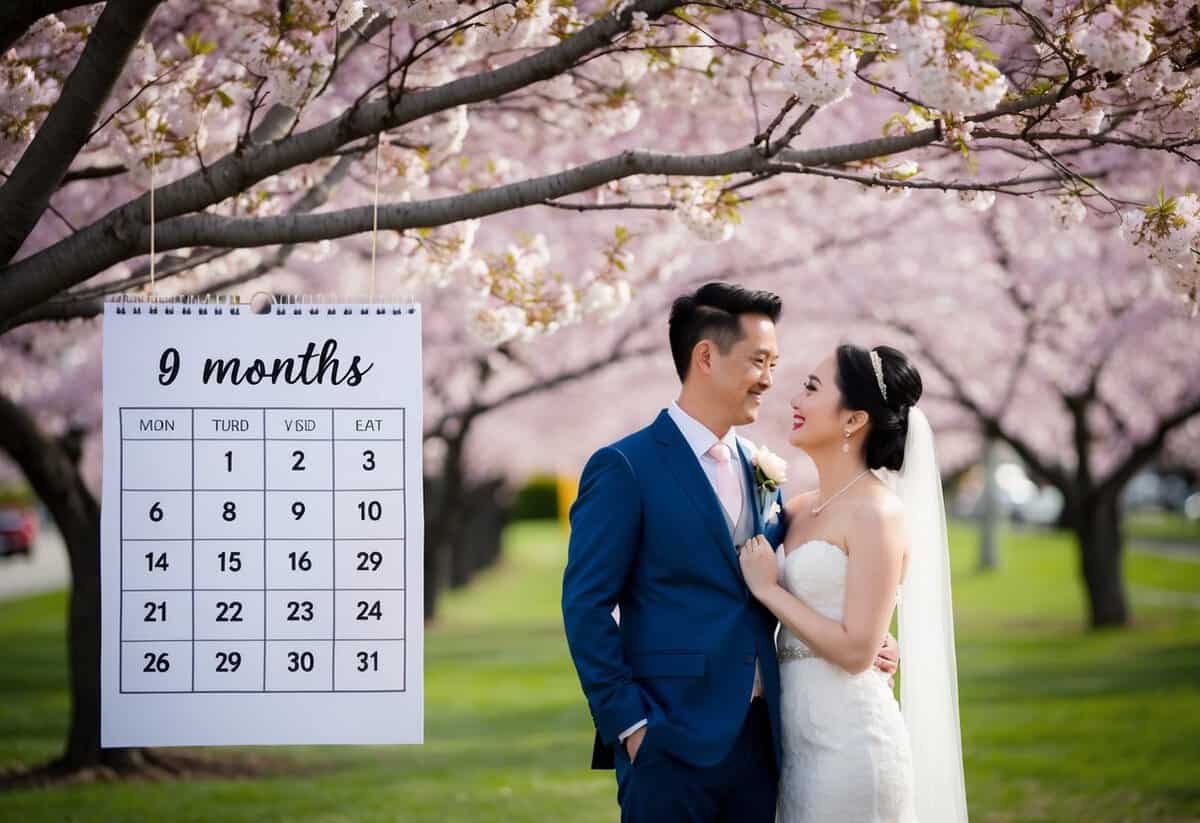
You can create an effective nine-month wedding planning timeline by focusing on key tasks early on, like booking your venue and deciding on vendors.
Prioritizing these essentials will help ensure that you stay on track. You’re not alone if you feel pressure when planning a wedding; many couples make it happen within this timeframe, aligning their vision with a clear plan.
Remember, your journey is unique. Whether you’re looking for a chic celebration or a more casual affair, nine months can be perfect for making your dream wedding a reality. Embrace the excitement and get ready to celebrate your special day!
Setting Your Wedding Date and Timeline
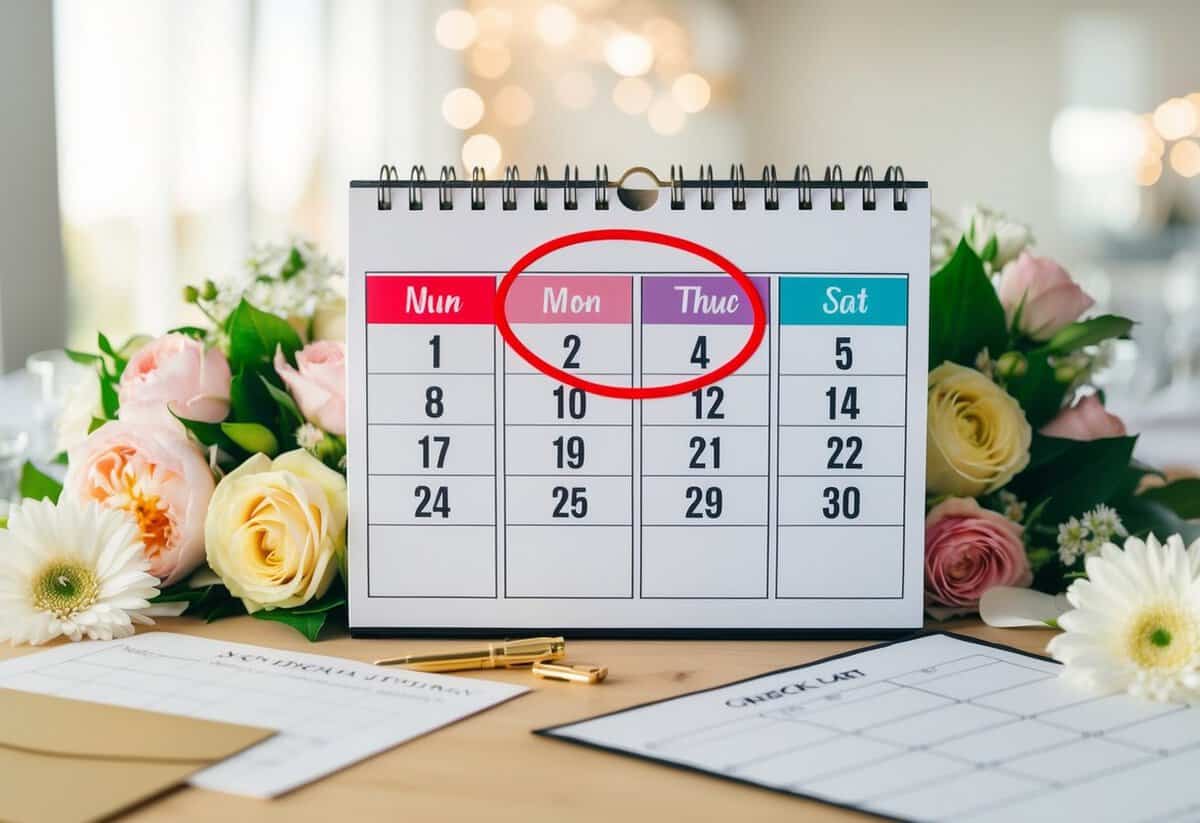
Selecting your wedding date and timeline is crucial for creating a smooth planning process. Knowing when your wedding will be helps you manage tasks and stay organized. Here are key aspects to consider.
Choosing the Perfect Wedding Date
Start by picking a wedding date that works for you and your loved ones. Think about the season, weather, and any significant holidays that might affect attendance.
Consider local events that could impact venue availability or hotel prices. You might want to choose a date that allows for a longer engagement or a quicker turnaround, depending on your preferences.
Once you have a few potential dates, check with your key guests. Ensure family and close friends can attend. This can save you headaches later on when sending out your save-the-dates.
Creating Your Wedding Planning Timeline
Having a clear wedding planning timeline is essential. Start by creating a checklist, breaking it down into manageable tasks.
For a nine-month timeline, consider this rough outline:
- Months 1-3: Book your venue, choose a theme, and hire key vendors like a photographer and caterer.
- Months 4-6: Finalize your guest list, send out save-the-dates, and begin shopping for attire.
- Months 7-9: Confirm details with vendors, finalize the menu, and create a day-of timeline.
Staying on schedule will help you enjoy planning without unnecessary stress.
Important Milestones and Deadlines
Identify important milestones to keep your planning on track. Each task has its deadlines, and following them helps you avoid last-minute rushes.
Here are a few key milestones:
- Book your venue at least 6-9 months in advance: This gives you plenty of time to secure your ideal location.
- Send save-the-dates 6 months before the wedding: This allows guests to mark their calendars.
- Final counts and details: Confirm your guest list and finalize your day-of timeline 2-4 weeks before the big day.
These milestones will guide your planning and ensure everything runs smoothly!
Securing the Big Details
Choosing the right details is crucial when planning your wedding in nine months. Start with the main elements like your venue and dress, then move on to hiring essential vendors. Your choices will shape the overall feel of your special day.
Selecting the Ideal Wedding Venue
The venue is often the first big decision you need to make. Think about what style you want. Do you picture a rustic barn, a glamorous ballroom, or a simple outdoor space?
Remember that popular venues get booked quickly. As soon as you have a date in mind, start visiting places. Create a list of your must-haves, like capacity, location, and amenities.
After you narrow down options, compare pricing and availability. Don’t hesitate to ask questions. A good venue manager will help ease your planning process.
Finding Your Dream Wedding Dress and Accessories
Finding your wedding dress can be one of the most exciting parts. Start by setting a budget. Dresses can vary widely in price, so know what you’re comfortable spending.
Make appointments at boutiques and try on different styles. Don’t forget about accessories like veils, shoes, and jewelry. They complete your look.
Consider how long it may take for alterations. Give yourself enough time to ensure a perfect fit. It’s also wise to shop for wedding rings that complement your dress.
Hiring Key Vendors
Once your venue and dress are sorted, focus on hiring vendors who fit your vision. Start with a photographer and videographer. These professionals will capture your memories, so choose someone whose style you love.
You’ll also need a caterer to create a delicious menu. Taste tests can help you decide.
If you want a seamless experience, consider hiring a wedding planner. They can manage most tasks, reducing your stress. Remember to secure an officiant who aligns with your beliefs for the ceremony.
Details That Make Your Wedding Day Special
Your wedding day is a collection of moments that reflect your unique love story. Focusing on specific details can create a memorable experience for you and your guests. Personal touches in decor, entertainment, and guest arrangements make your celebration truly special.
Designing Your Wedding Decor and Floral Arrangements
Choosing the right decor and floral arrangements can set the mood for your wedding. Start by defining your wedding theme, whether it’s rustic, elegant, or bohemian. Use colors that align with your vision.
Consider elegant centerpieces for tables, like a mix of flowers and candles. Floral arrangements can highlight areas such as the ceremony altar and reception stage.
Don’t forget about wedding signage! Clear signage can guide guests to different areas, making the day flow smoothly. Think about incorporating personal touches, like family photos or mementos, to add warmth to your decor.
Planning Unique Entertainments and Personal Touches
Think about ways to engage your guests with unique entertainment. You might hire a live band or a DJ to keep everyone dancing. Adding a fun photo booth can also create lasting memories through pictures.
Incorporate personal touches with activities that reflect your interests as a couple. For example, consider a trivia game about your relationship or a special dance routine. You could also offer customized wedding favors that guests can take home, leaving them with a little piece of your special day.
Lastly, make sure to create a playlist that captures your journey together. Music can evoke emotions and create a joyful atmosphere.
Organizing the Final Guest Count and Seating Arrangements
Your wedding is just one part of a bigger journey. After the ceremony, you’ll want to focus on your honeymoon plans and managing your wedding registry, including thank-you notes.
Coordinating Your Honeymoon Plans
Planning your honeymoon is an exciting task. Start by deciding on a budget that fits your wedding expenses.
Consider destinations that excite both of you, whether it’s a tropical beach or an adventurous mountain retreat.
Once you have a destination, think about the activities you want to enjoy together. Research accommodations that suit your style and budget.
Don’t forget to check travel restrictions and COVID-19 guidelines if traveling abroad.
Booking everything early can save you money. Look for package deals that include flights and hotels. Most importantly, make sure to take some time to relax and enjoy each other’s company.
Managing Your Wedding Registry and Thank-You Notes
Setting up a wedding registry is a fun way to choose gifts you really want. You can consider using an online gift registry that allows you to add items from different stores. This way, your guests can find something that suits their budget and tastes.
As gifts arrive, make sure to keep track of who sent what. This is crucial for writing thank-you notes later. Aim to send thank-you notes within three months after your wedding.
Personalize each note by mentioning the gift and how you plan to use it. This will make each note more heartfelt and genuine.
To make writing notes easier, use a simple template. For example, start with “Thank you for the beautiful [gift]. We look forward to using it in our new home.”