
Is a 1.5 mm Band Too Thin for an Engagement Ring? Understanding Style and Durability
Choosing the perfect engagement ring is a big decision, and the band width plays a crucial role in both style and durability. You may be wondering if a 1.5 mm band is too thin for your taste and lifestyle.
A thin band can be visually appealing, but they may not hold up well over time, especially if you lead an active life.
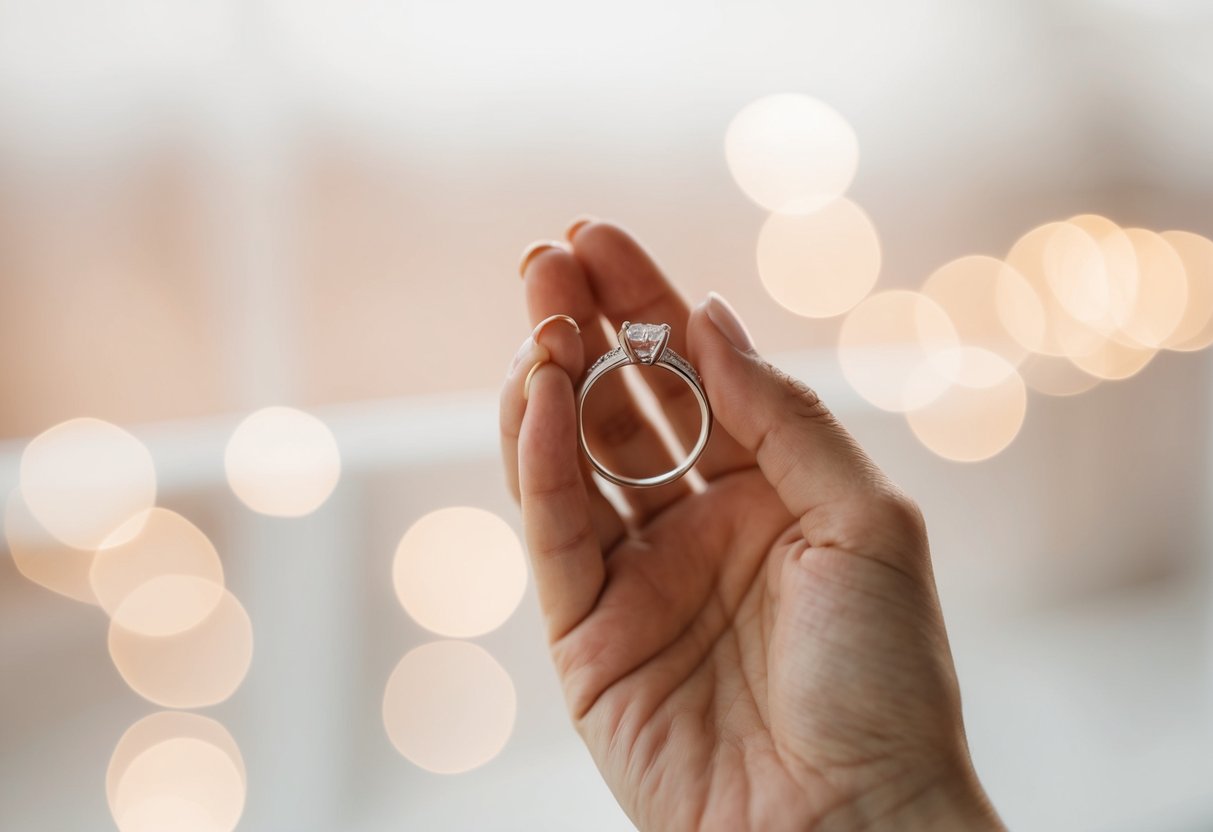
It’s important to consider how a 1.5 mm band will work for your daily activities. Many people appreciate the delicate look of a thin band, but it can be more prone to wear and tear compared to wider options.
Finding a balance between aesthetics and durability will help you make a choice that suits your personal preferences.
Ultimately, your engagement ring should reflect your style and withstand the tests of time. If you love the look of a thin band, it may be a great option as long as you’re aware of its limitations.
Understanding Band Widths and Engagement Ring Styles
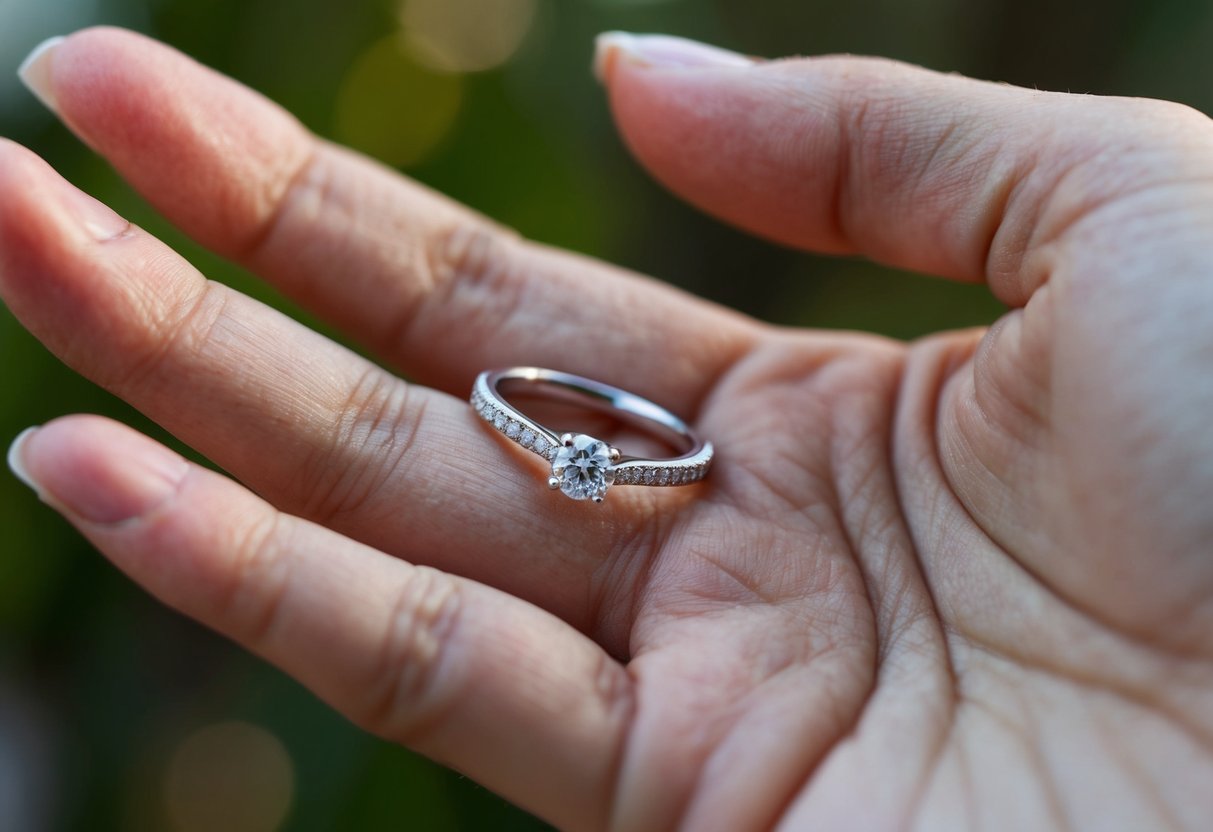
Choosing the right band width for your engagement ring is essential. It impacts not only the ring’s appearance but also how comfortable it feels on your finger. Here, you’ll learn about standard widths, thin bands, and why skinny band engagement rings have become popular.
Standard Widths vs. Thin Bands
When it comes to engagement rings, band widths typically range from 1.5 mm to 8 mm. A 1.5 mm band is considered thin, while standard widths are usually between 3 mm and 6 mm.
Wider bands provide a more substantial look, offering a sturdy feel on your finger. They often feature intricate details and designs that stand out.
In contrast, thin engagement ring bands prioritize simplicity and elegance, allowing the center stone to shine.
Each option has its unique appeal, depending on your style and comfort. You should consider the ring width that makes you feel confident and fits your lifestyle.
The Appeal of Skinny Band Engagement Rings
Skinny band engagement rings have gained popularity in recent years. Their delicate appearance offers a modern twist on traditional styles. An ultra-thin band can give an airy look to your finger. Many people choose a 1.5 mm band for its understated charm.
These bands often allow the diamond or gemstone to take center stage, enhancing its beauty. The simplicity of a thin band can work well with various settings, be it a solitaire or a more intricate design.
Material Matters: Choosing the Right Metal for Durability

Selecting the right metal for your engagement ring band is crucial for ensuring its durability, especially with a thinner width like 1.5 mm. The metal you choose can greatly affect how well your ring withstands daily wear and tear. Let’s look at the popular choices.
Gold Varieties: Yellow, White, and Rose
Gold is a classic choice for engagement rings, available in several colors: yellow, white, and rose. Each type offers a unique look and properties.
-
Yellow Gold is timeless and traditionally associated with fine jewelry. It is durable but can be soft, which may lead to scratches.
-
White Gold is created by mixing yellow gold with metals like palladium or nickel. It often has a rhodium plating that enhances shine but may wear off over time.
-
Rose Gold has a charming, vintage appeal due to its copper content, which makes it strong and resistant to wear.
All gold varieties can work well for a 1.5 mm band, but consider how you use your hands daily. Choose based on your style, and remember that these metals require occasional maintenance to retain their luster.
Alternative Metals: Platinum and Silver
If you’re seeking durability, you might consider platinum or silver.
-
Platinum is the most durable metal available. Its heavy density means it stands up well to daily wear and tear. Additionally, platinum’s natural white hue will not fade or tarnish.
-
Silver, on the other hand, is less durable compared to platinum or gold. While it has a bright shine, it tends to scratch and tarnish more easily, requiring more frequent upkeep.
Platinum is an excellent choice for a long-lasting ring, especially if you want to keep your band thin. Think about how often you’ll wear the ring and choose the metal that matches your lifestyle and maintenance preferences.
Lifestyle Considerations and Ring Durability
Your daily activities and lifestyle greatly affect your engagement ring’s durability. Choosing the right band thickness matters, especially if you lead an active lifestyle. Considering how you wear your ring can help you avoid issues like bending or cracking over time.
Active Lifestyles and Ring Protection
If you enjoy sports or other physical activities, a thinner band like a 1.5 mm option may not be the best fit for you. Thinner bands are more likely to bend or break, especially if they encounter impact.
For those with an active lifestyle, consider these tips for protecting your ring:
- Choose Durable Metals: Options like platinum or titanium can provide extra strength.
- Regularly Check Settings: Make sure gemstones are secure and not at risk of falling out.
- Consider Ring Design: Styles that sit closer to your finger can help prevent snagging.
Wearing a thicker band could also offer more durability while engaging in daily wear or sports.
Long-Term Wear and Maintenance
With long-term wear, maintenance is essential for keeping your ring in good condition. Regular care can prevent issues like bending or breaking, which can lead to costly repairs.
Here are some maintenance tips:
- Take Off Your Ring: Remove it during activities that may strain the band.
- Clean Regularly: Dirt can weaken the mounting. Use gentle soap and water for cleaning.
- Professional Check-Ups: Consider getting your ring checked by a jeweler every few years for wear and tear.
Taking these steps ensures your engagement ring remains beautiful and ready for everyday wear. By keeping durability in mind, you can make the right choice for your lifestyle.
The Impact of Diamond Setting on Band Choice
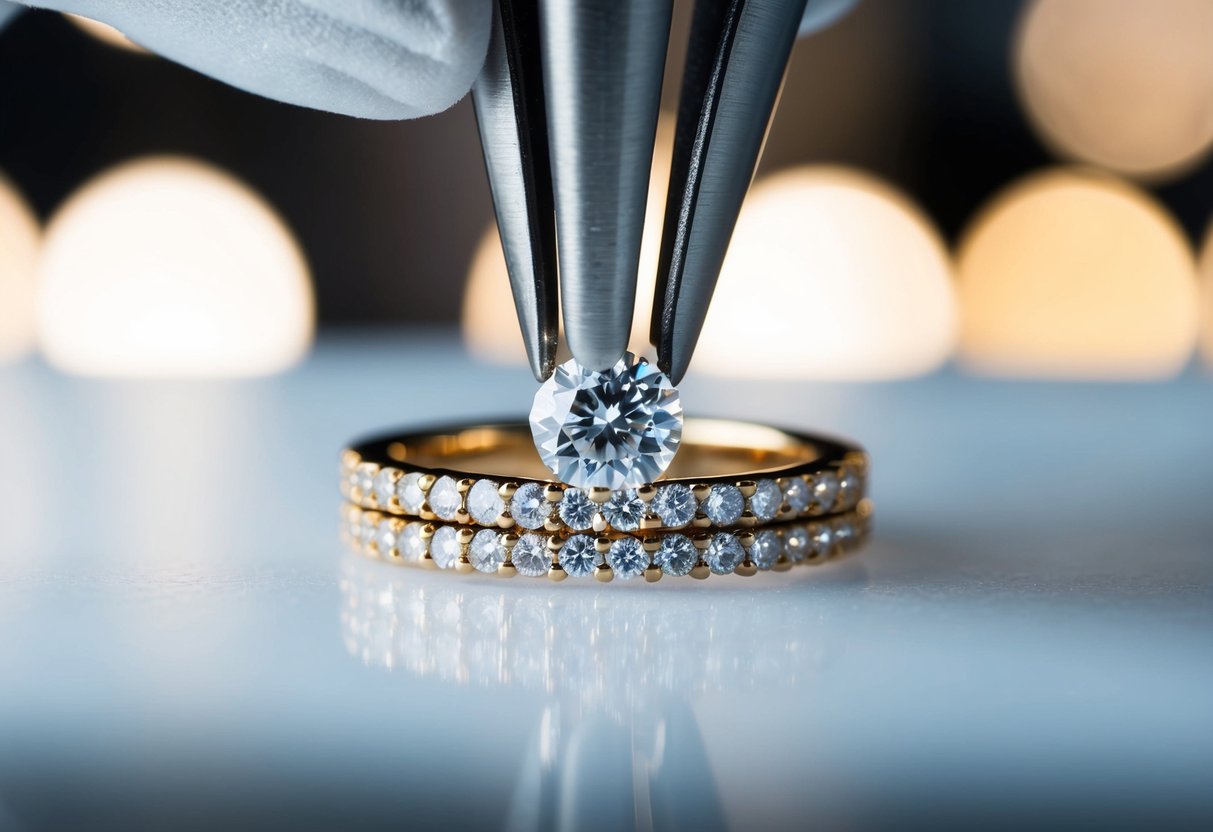
Choosing the right diamond setting is essential when selecting a band width for your engagement ring. The style and quality of the setting can greatly influence the durability and appearance of a thinner band.
Solitaire Settings with Slender Bands
Solitaire settings feature a single diamond, making them a popular choice for engagement rings. When paired with a slender band, these settings can create a delicate look. However, a band that is too thin, like 1.5 mm, may not provide enough support for larger diamonds.
When considering a thin band, ensure that the diamond’s size complements the width of the band. A well-designed piece by a creative designer can balance elegance and stability. If you choose a thin band, you might need to focus on the diamond quality as well, as smaller stones can make the band appear even thinner.
Ensuring Structural Integrity with Diamond Size
Your diamond size plays a crucial role in the structural integrity of the ring. Larger diamonds require more support, so a thin band may not hold up under daily wear.
For example, if your diamond is significant, a band width of at least 2 mm may be a better fit.
Using a thicker shank can enhance durability while still allowing for a fashionable look. Thin band engagement rings can be beautiful, but remember that they should be paired with diamonds that won’t put too much pressure on the band. This will help keep your ring intact for years to come.