
Is a Day-of Coordinator the Same as a Wedding Planner? Guide
No. A day-of coordinator and a wedding planner have different roles: your planner guides the planning process, while your coordinator manages the details close to and on the wedding day. Your wedding coordinator takes charge of carrying out the plans you have made, with the exact scope set by your contract.

If you are deciding how much help to book, start by listing the tasks you want to hand off and when you need support. That will help you compare services and ask clear questions before you sign.
How Do Their Roles Differ Across the Planning Process?

Your planner helps shape the wedding and build its plans; your wedding coordinator takes those plans into the final stretch and manages their execution. The timeline and level of support depend on the package, so confirm which wedding planning process your contract covers.
| What you need | Wedding planner | Day-of coordinator |
|---|---|---|
| Main focus | Planning and decisions | Final logistics and event flow |
| When they join | Early in planning | Close to the wedding |
| Vendor support | Selection and planning communication | Final details and event-day coordination |
| Wedding day | Oversees the plan | Manages the timeline and logistics |
When Does Each Professional Get Involved?
A wedding planner can join when you begin making key decisions, such as setting a budget or choosing vendors. Full-service support can continue through the wedding day.
A day-of wedding coordinator joins later, often several weeks before the event, to learn what you have arranged and prepare to manage it. You can review the stages of planning a wedding to see which parts you have already handled.
Who Builds the Plan and Who Executes It?
Your planner can help develop the budget, find vendors, and set a schedule that matches your priorities. Your coordinator gathers the final details, confirms responsibilities with vendors, and guides the day according to the agreed plan.
The distinction comes down to wedding planner duties and wedding coordinator duties. A planner supports the decisions that form your event; a coordinator takes responsibility for the logistics that bring those decisions to life.
What Does a Wedding Planner Handle?

A wedding planner helps you make decisions and manage the work behind your celebration, with the service level determining how much they take on. Full-service wedding planning can cover the process from early ideas through the wedding day, while partial wedding planning offers support with selected tasks.
What Is Included in Full-Service Wedding Planning?
A full-service wedding planner helps you shape your wedding vision and turn it into a workable plan. Depending on your agreement, that can include building your wedding budget, comparing vendor options, reviewing vendor contracts, and coordinating communication with your wedding vendors.
Planning support may also include design guidance, venue layouts, and help deciding how details work together. A wedding designer focuses on the visual elements, while a planner may include design support as part of a broader service.
Ask how the roles are divided; this comparison of a wedding planner and a wedding designer can help you identify the type of guidance you want. Your planner can also track key dates and decisions so you have a clear view of what needs attention. If you want someone to take the lead on a large share of the planning work, learn what it means to hire a wedding planner.
When Is Partial Wedding Planning a Better Fit?
Partial wedding planning fits when you have already booked some major services and want expert help with the remaining work. You might ask a planner to review your budget, help you choose additional vendors, or organize details that have stalled.
Before booking, list the tasks you have completed and the decisions that remain. Then ask which services are included, how many planning meetings you receive, and whether the planner will manage the wedding day.
What Does a Day-of Coordinator Actually Do?
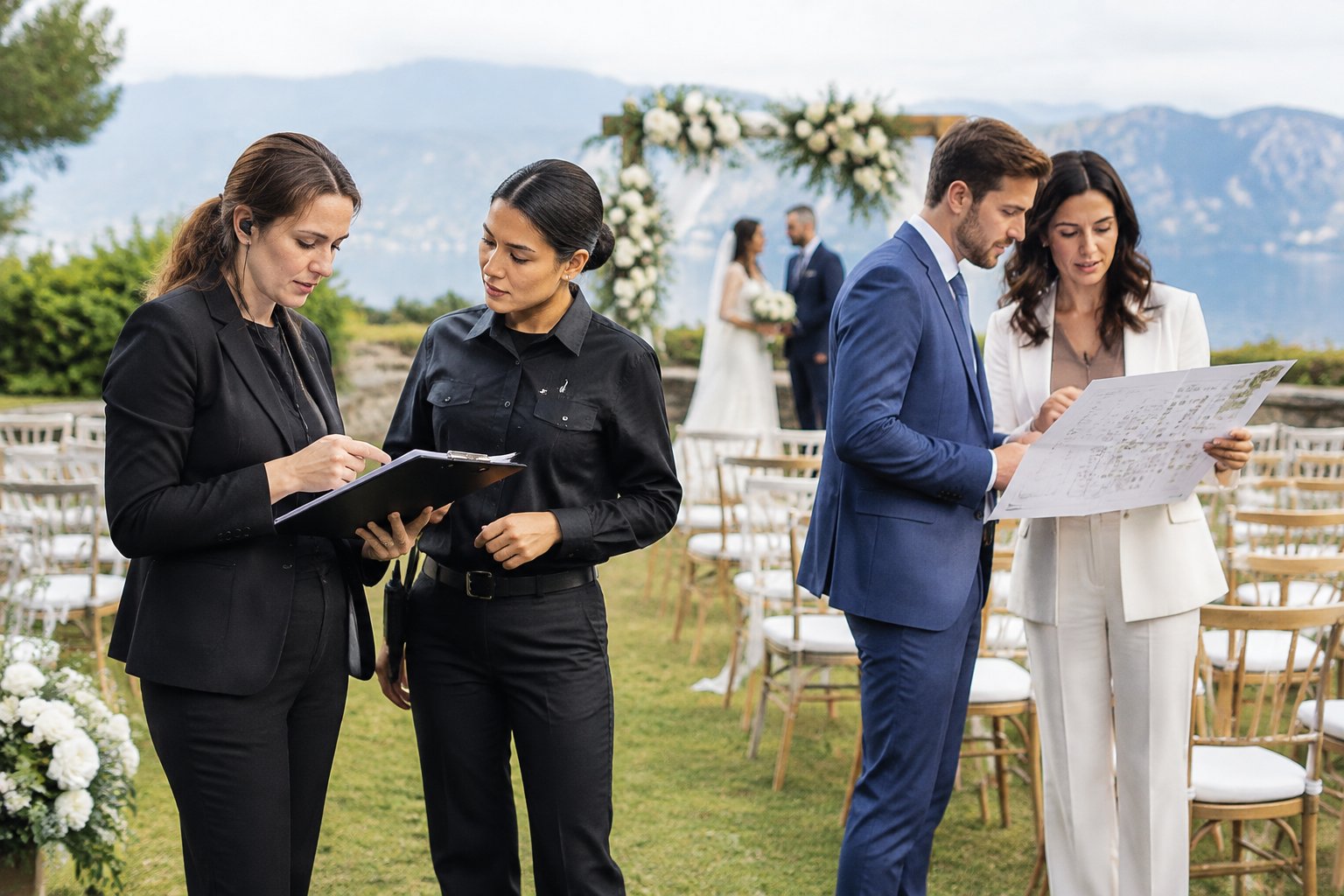
A day-of coordinator takes charge of final logistics and runs the wedding day according to the plan you have made. Their work includes gathering details, coordinating vendors, and keeping the schedule moving.
Why Does Day-of Coordination Often Start Weeks Earlier?
The coordinator needs time to learn your plans and spot gaps before the event. During the lead-up, they may collect vendor contacts, review arrival times, confirm setup needs, and prepare the wedding timeline.
The start date varies by contract, so check how many planning meetings and weeks of support are included. Vendor communication gives your coordinator a clear view of who is responsible for each task. They can share updates, confirm timing, and help vendors work from the same plan.
Ask whether the service includes setup, teardown, and personal décor, since those duties vary by provider.
Who Manages the Rehearsal and Wedding Day Timeline?
Your coordinator may lead the wedding rehearsal, organize the ceremony party, and explain where people need to stand or walk. If you are unsure who should lead that practice, review who runs the rehearsal at a wedding.
On the wedding day, the coordinator manages the wedding day timeline and serves as the main contact for your vendors. They cue key moments, respond to schedule changes, and keep questions from landing on you while you are getting ready or celebrating.
How Is a Venue Coordinator Different?

A venue coordinator manages the venue’s services and operations; your wedding coordinator manages the event details assigned to them. The venue coordinator’s responsibilities depend on the venue package, so ask for a written list before you decide what other support to book.
Who Does the Venue Coordinator Work For?
A venue coordinator works for the wedding venue and focuses on its spaces, rules, and staff. Their work may include managing access, preparing venue-provided items, and answering questions about the property.
Your own coordinator supports your plans and the wider vendor team. You can ask the venue what its staff handle and compare those duties with the service in your coordination contract. A guide to what a wedding venue manager does can help you prepare questions about venue responsibilities.
Which Logistics Fall Outside Their Role?
A venue coordinator’s focus stays on venue-related logistics. Tasks such as managing your complete timeline, directing outside wedding vendors, or setting up personal décor belong to your own coordinator when those duties appear in your contract.
Ask which staff members oversee tables and chairs, vendor arrival, ceremony transitions, and cleanup. Clear answers help you assign each task to the right person and avoid leaving family members responsible for event logistics.
Which Level of Support Fits Your Wedding?
Your best fit depends on how much planning you have completed and which responsibilities you want to hand off. Compare the service details with your wedding budget, vendor contracts, and the time you have available.
When Should You Consider Hiring a Wedding Planner?
Consider hiring a wedding planner when you want help making decisions throughout the planning process. Full-service support can suit you if you want guidance with vendor selection, design, and budget management from the start. Partial wedding planning can fit when you have made some major choices and need help with the remaining tasks.
A wedding coordinator can be a good fit when you have handled the planning and want a professional to run the event. If you enjoy organizing details, you can plan your own wedding and hire coordination support for the final stretch.
What Should You Confirm Before Signing a Coordination Contract?
Ask for a written description of the services, schedule, and limits. Confirm:
- When the coordinator begins work and how many meetings are included
- Whether vendor communication and contract review are part of the service
- Who creates the wedding day timeline and leads the rehearsal
- How many staff members attend and how many hours they cover
- Whether setup, teardown, and personal décor are included
- What happens if the coordinator cannot attend
Compare the answers with your venue’s package and your vendor contracts. Once every responsibility has a clear owner, you can choose a wedding planner, partial planning, or a wedding coordinator with realistic expectations.