
Who Runs the Rehearsal at a Wedding? A Guide for Couples and Their Families
Planning a wedding can be exciting yet overwhelming, especially when it comes to details like the rehearsal. You might wonder who takes charge during this important practice session. Typically, the officiant or a designated coordinator runs the rehearsal, guiding everyone through their roles and setting the stage for the big day.
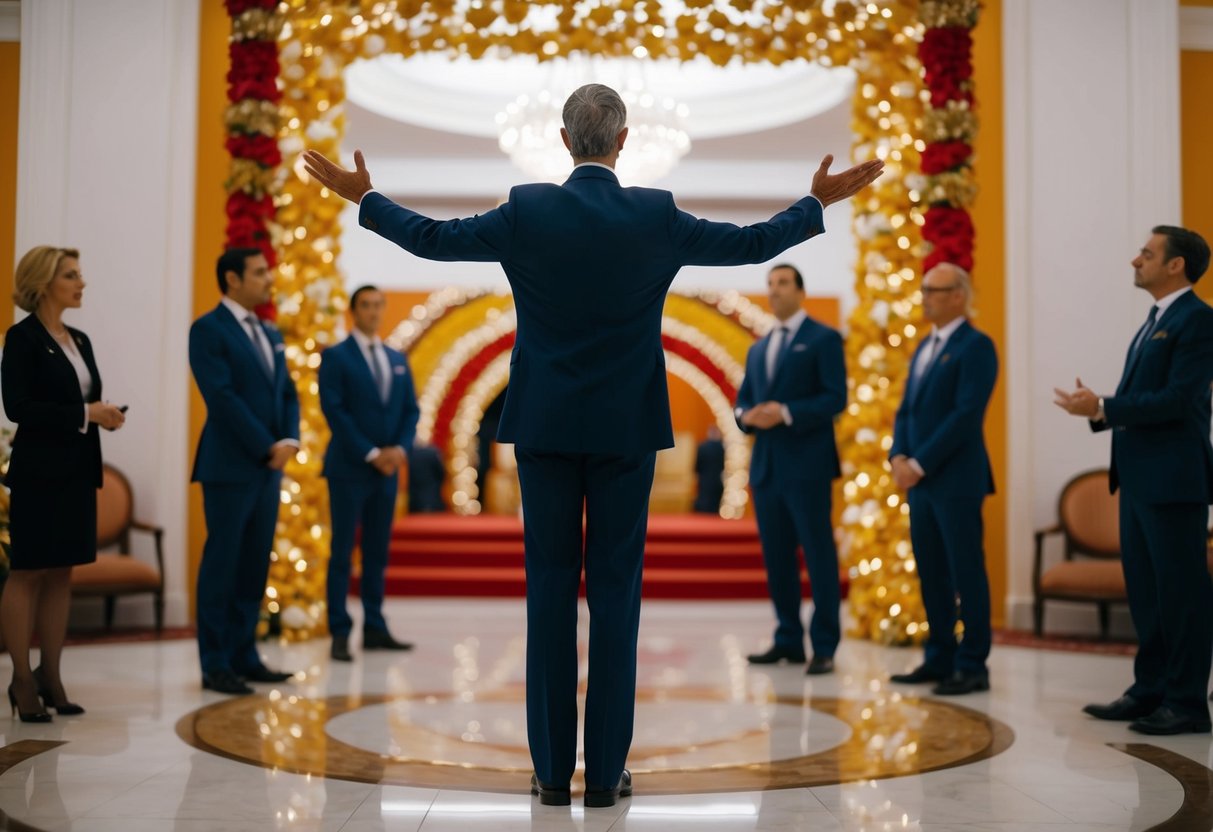
During the wedding rehearsal, you and your wedding party will walk through the ceremony to ensure everyone knows what to do and where to stand. It’s a chance to get comfortable with the flow of the wedding day.
Having someone experienced lead the rehearsal can make all the difference, helping to ease nerves and create a smoother experience for you and your guests.
Whether it’s a family member, a professional planner, or your officiant, having a clear leader will help everyone feel prepared. You’ll want to make the most of this time, ensuring that each participant is ready to shine during your wedding ceremony.
Organizing the Rehearsal
Organizing the rehearsal is essential for a smooth wedding day. It involves several key steps to ensure everyone knows their roles. You’ll want to focus on the planner’s role, the timeline, and the choice of the ceremony site.
Role of the Wedding Planner
Your wedding planner plays a crucial role in organizing the rehearsal. They help coordinate key elements and make sure everything runs smoothly.
First, they will create a detailed plan and guide everyone through the process. This includes setting up the rehearsal date and time. Your planner acts as the point person, answering questions and managing the flow.
During the rehearsal, they ensure that the attendants know where to stand and when to move. Their experience helps prevent last-minute confusion, making a stress-free environment for you. If there are any issues, your planner will address them efficiently.
Creating the Rehearsal Timeline
Creating a rehearsal timeline is important to keep everyone on track. You’ll want to start by deciding how long the rehearsal will last. A typical rehearsal takes about one to two hours.
Six key steps can help shape your timeline. Begin with introductions to set a welcoming atmosphere. Next, practice walking down the aisle. Then, go through the ceremony itself. Don’t forget to include time for questions at the end.
Make sure to share this timeline with your wedding party ahead of time. This helps everyone feel prepared and reduces anxiety. A clear timeline will make your wedding day run much more smoothly.
Choosing the Ceremony Site
Choosing the right ceremony site can make a big difference in your rehearsal. Ideally, you want to hold the rehearsal at the same location where the ceremony will take place. This helps everyone visualize the layout and flow.
If the site is unavailable, try to find an alternative with similar dimensions. This way, you can practice your movements in a similar space.
Pay attention to any unique features of the site, such as entrances or focal points. Discuss these with your planner to incorporate them into the rehearsal. This allows the wedding party to feel familiar with the setting, which enhances comfort on the big day.
Participants in the Rehearsal
The wedding rehearsal brings together key individuals who will play important roles in the ceremony. Understanding who attends and their responsibilities can help everything run smoothly on the big day.
Members of the Wedding Party
Your wedding party typically includes the bridesmaids, groomsmen, flower girls, and ring bearers. Each person has specific duties during the rehearsal.
Bridesmaids may practice walking down the aisle and helping the bride coordinate her dress. Groomsmen will also ensure they are familiar with their roles, including escorting bridesmaids.
Flower girls and ring bearers usually have one simple task: to carry flowers and rings respectfully. It’s vital to spend time with them during the rehearsal to make them feel comfortable in their roles.
Having everyone present helps everyone feel prepared for the ceremony.
Roles of Family Members
Your family members also play a crucial part in the rehearsal. Parents of the couple typically attend and may take part in specific moments, such as walking their child down the aisle.
Grandparents often have special seating arrangements during the ceremony. It’s nice to include them in some parts of the rehearsal.
You should explain their roles clearly. It often helps to set expectations, so everyone knows what to do when the big day arrives. Having family members involved makes the ceremony more meaningful.
Duties of the Officiant
The officiant is essential to the rehearsal. This person leads the practice and provides guidance. They will explain the flow of the ceremony and ensure everyone knows their roles.
During the rehearsal, the officiant will walk through key moments. This may include the exchange of vows, rings, and any special traditions you want to include.
It’s helpful for them to address specific questions or concerns regarding the ceremony. This way, you can approach the big day with confidence. A well-prepared officiant helps ensure a smooth wedding ceremony.
Executing the Rehearsal
Executing the rehearsal is crucial for a smooth wedding ceremony. You’ll practice key moments, including how the bridal party walks down the aisle and what happens during the ceremony itself.
Practicing the Processional and Recessional
Start with the processional. This is when the bridal party makes their entrance. The order usually begins with the grandparents, then the parents, followed by the bridesmaids and maid of honor, and finally, the bride. You should walk through this to ensure everyone knows their spot.
Next, focus on the recessional. This is when the couple exits after the vows. Both the bride and groom will lead, followed by the wedding party. Practice makes it clear who is responsible for each part of the ceremony.
Rehearsing Key Ceremony Elements
Key elements include the ring exchange and any unity ceremonies. For the ring exchange, practice how you will present the rings to each other. Each partner may want to say a few words as they exchange rings.
If you’re including a unity ceremony, like a candle lighting or sand ceremony, give each person a role. Make sure everyone understands what they need to do and when. A clear ceremony script will help everyone stay on track.
Customs and Traditions
Incorporating customs can make your rehearsal special. For Jewish weddings, it’s important to discuss traditions like breaking the glass. Ensure that everyone knows the significance of these moments.
Discuss how to handle family dynamics too. If there are blended families or unique traditions, plan accordingly. Knowing what to expect will help everyone feel comfortable and confident on the big day.
Rehearsal Dinner Overview
The rehearsal dinner is a special event that sets the tone for the wedding festivities. It allows everyone to come together to practice and finalize details before the big day. Careful planning and good communication make this dinner a success.
Planning the Dinner
When planning the rehearsal dinner, consider your guest list carefully. Typically, you should invite immediate family, the wedding party, and any close friends. It’s a chance to celebrate and bond before the wedding.
Decide on a venue that fits your style and budget. You can choose a restaurant, a home, or even a park. It’s important to think about seating arrangements. You can use a simple list for table placements to ensure everyone feels included.
You should also plan the menu carefully. Think about dietary restrictions and preferences of your guests. A good mix of options will keep everyone happy and satisfied.
Coordination and Communication
A smooth rehearsal dinner needs coordination. Make sure to communicate details with your venue. This includes timing, setup, and any last-minute changes that may arise. It helps to have a point person who can assist with any issues.
Create a timeline for the evening. Clearly outline when guests will arrive, when the meal will be served, and when speeches will happen. This keeps everyone informed and on the same page.
Encourage open communication with your wedding party. Share the schedule and any expectations you have. This may include guidance on roles during the rehearsal and dinner. With clear coordination, your rehearsal dinner will be a joyful and memorable event.