
Is a Wedding Celebrant the Same as a Registrar? Understanding the Differences
Choosing how to celebrate your wedding is an exciting part of the planning process. You might wonder if a wedding celebrant is the same as a registrar. The answer is no; they serve different roles in the marriage process.
While registrars are employed by the government to handle the legal aspects of your marriage, celebrants create personalized and unique ceremonies to reflect your love story.
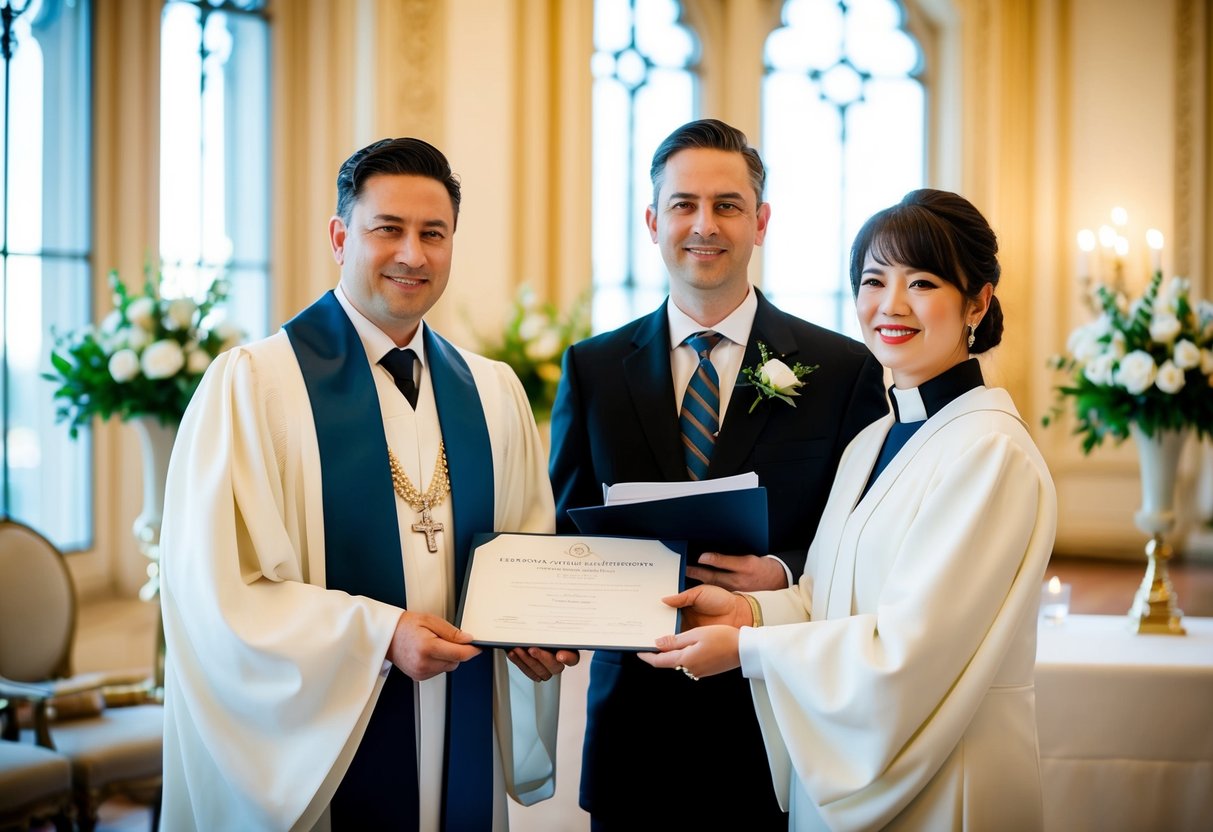
With a celebrant, you can design a ceremony that truly represents you as a couple. They take the time to meet with you, understand your wishes, and craft a special event just for you.
In contrast, registrars follow a set format that may not allow for as much personal touch. If you’re looking for flexibility and creativity on your wedding day, knowing the difference can help you make the right choice.
As you plan your special day, consider what matters most to you. Whether you want a formal setting with a registrar or a more tailored experience with a celebrant, understanding these options can help you create the wedding of your dreams.
Understanding the Roles

When planning your wedding, it’s essential to understand the different roles of a wedding celebrant and a registrar. Both play important parts in your ceremony, but they serve unique purposes.
What is a Wedding Celebrant?
A wedding celebrant is someone who leads a ceremony tailored specifically to you and your partner. They focus on creating a personalized experience that reflects your love story, values, and beliefs.
Celebrants work with you to craft vows and rituals that are meaningful, making your day truly special.
Celebrants are not limited by strict legal regulations. They can offer a variety of ceremony styles, including non-religious or symbolic elements.
Since they are typically self-employed, celebrants often have the flexibility to conduct only one ceremony per day. This allows them to focus entirely on your needs.
What is a Registrar?
A registrar is responsible for conducting the legal aspects of your marriage. They oversee civil marriage ceremonies and ensure that all legal requirements are met. This includes collecting necessary documents and registering your marriage after the ceremony.
Registrars are bound by specific laws and guidelines. They usually provide a standard format for ceremonies, which may not include personal touches like those offered by celebrants.
While they can perform many ceremonies, they may have limited time and may conduct multiple weddings in a single day. This makes their approach more predictable and formal.
In summary, registrars are essential for the legal marriage aspect, while celebrants focus on the personal and emotional elements of your wedding ceremony.
Comparing Ceremonies
When choosing between a wedding celebrant and a registrar, understanding the differences in their ceremonies is essential. Each type of ceremony offers unique experiences, with different focuses on personalization and legal requirements.
Celebrant-Led Wedding Ceremony
A celebrant-led wedding ceremony is all about you and your love story. Your celebrant will take the time to get to know you, tailoring the ceremony script to reflect your personalities and values. This means you are involved every step of the way.
You can choose the location, style, and even the rituals included in the ceremony. It allows for creative freedom, making your wedding feel personal and meaningful.
These ceremonies are non-legally binding, so you will need to finalize legalities elsewhere, but many couples find that the personal touch is worth it. The celebrant can make your special day fun and memorable!
Registrar Wedding Ceremony
A registrar wedding ceremony often follows a more traditional and standardized format. The registrar is responsible for the legal aspects of your marriage, ensuring all necessary documents are filled out properly.
These ceremonies tend to be shorter. They focus primarily on the legal requirements, typically taking place at a registry office or designated location. The structure is straightforward, without much room for customization.
While this option is more formal, it ensures that you fulfill all legal obligations. Many couples choose to have a celebrant-led ceremony afterward to make it more personal.
Personalised vs Standardised Ceremonies
Choosing between a personalized celebrant-led ceremony and a more standard registrar service can depend on what you envision for your wedding.
A celebrant-led ceremony focuses on crafting a unique experience. You can incorporate stories, rituals, and themes that represent your relationship. This makes for a heartfelt celebration.
On the other hand, a registrar wedding is more about legalities, often sticking to a set script and format. It provides a quick and official way to get married but lacks the personal touch you might desire.
Legalities and Venues
When planning your wedding, it’s essential to understand the legal side of things. Knowing the requirements for marriage and choosing the right venue can make your big day run smoothly.
Legal Requirements for Marriage
To get married, you must meet specific legal requirements. This usually includes being at least 16 years old in most places. You’ll need to provide valid identification, like a passport or birth certificate.
You also have to give notice of your intention to marry at your local registry office. This notice typically needs to be done at least 28 days before your wedding.
If you’re having a civil partnership or a religious ceremony, it’s important to ensure you complete all necessary legal paperwork.
Don’t forget to consider who will perform the ceremony. A registrar can handle the legal aspects, while a celebrant can create a more personalized experience.
Choosing the Right Venue
Choosing the right venue is a big part of your wedding planning. You can opt for a registry office, which is where all the legalities for your marriage will take place. This typically involves a simple and quick ceremony.
Alternatively, you might choose a licensed venue. This could be a hotel, an outdoor garden, or any place that has the legal ability to host marriages. Licensed venues often allow for a more tailored ceremony, giving you the freedom to add personal touches.
Make sure the venue fits your vision for the day. Think about the atmosphere you want and check for availability. Always confirm that they meet the legal requirements to ensure you can say “I do” there.
Types of Celebrants
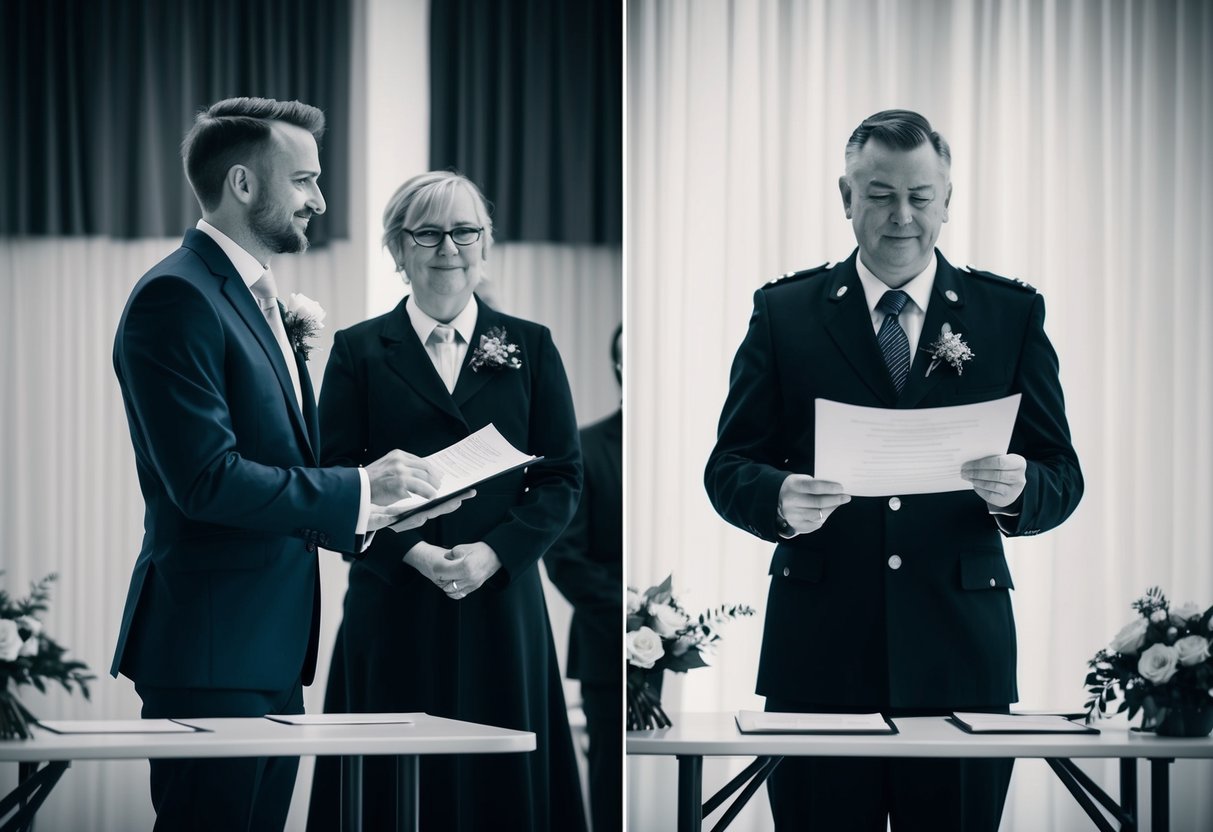
When planning your wedding, it’s important to know the different types of celebrants you can choose from. Each type offers unique services and approaches, which can greatly affect your ceremony.
Independent Celebrants
Independent celebrants are self-employed officiants who create personalized wedding ceremonies. They work closely with you to understand your vision, ensuring your ceremony reflects your love story.
They can incorporate spiritual elements or non-religious themes to suit your preferences. You have the freedom to include specific readings, vows, and customs that truly represent your relationship.
Since independent celebrants are not tied to any organization, they can conduct ceremonies at any venue, making location options limitless. This flexibility often allows for a more intimate and unique ceremony tailored just for you.
Humanist Celebrants
Humanist celebrants focus on secular ceremonies that celebrate love without religious elements. They emphasize personal values, beliefs, and commitments, ensuring the ceremony is meaningful and reflective of your relationship.
During a humanist ceremony, you may include personal anecdotes, readings, and rituals that resonate with you as a couple. The goal is to craft a heartfelt experience centered on your shared values.
These celebrants are trained to guide you in creating a ceremony that uplifts and inspires. Their approach ensures that your wedding day is a true celebration of your love, without any religious connotations.