
Is a Wedding Planner a Decorator? Understanding the Roles and Responsibilities
When planning your wedding, you might wonder whether a wedding planner and a wedding decorator are the same thing. A wedding planner focuses on the overall coordination and logistics, while a wedding decorator specializes in the visual elements and decor of your special day. Understanding these differences can help you choose the right professionals to make your dream wedding a reality.
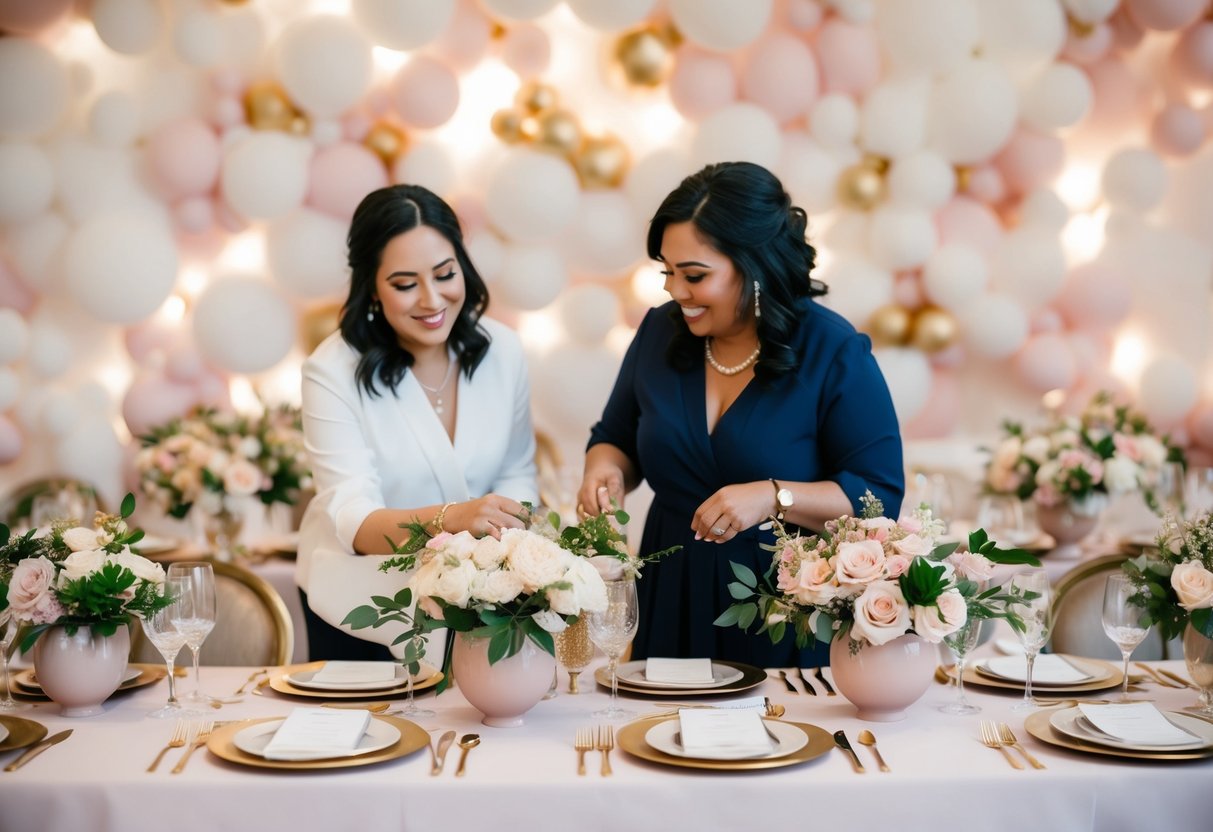
Many couples feel overwhelmed by the many details needed for a successful wedding. Knowing the distinct roles of these two professionals can ease some of that stress. Each plays a crucial part in creating the perfect atmosphere, but their responsibilities don’t overlap.
By exploring the roles of a wedding planner and a wedding decorator, you can make informed decisions about who you need to hire. This will ensure that your wedding day runs smoothly and looks stunning at the same time.
Understanding the Role of a Wedding Planner

A wedding planner is essential in navigating the complexities of the planning process. They manage various tasks, including vendor selection and contract negotiation, while ensuring your vision comes to life.
Duties and Responsibilities
The duties of a wedding planner vary depending on the level of service you choose. A full-service planner typically handles everything from budgets to timelines. They create a detailed plan that outlines each task leading up to the wedding day.
Key responsibilities include:
- Vendor selection: Planners recommend reliable vendors and manage contracts.
- Budgeting: They help you stick to your budget and allocate funds wisely.
- Day-of coordination: On the wedding day, planners ensure that everything runs smoothly.
Their problem-solving skills are vital when unexpected issues arise. They act as your advocate, allowing you to enjoy your special day without stress.
Event Design vs. Coordination
While some planners focus on coordination, others take on the role of a wedding designer. A wedding designer develops the design concept for your event, including color schemes, décor elements, and overall ambiance.
In contrast, a wedding coordinator primarily focuses on the details of the day. This includes managing timelines, ensuring logistics are in place, and liaising with vendors.
- Wedding designers create a visual experience.
- Wedding coordinators manage the execution of that vision.
Understanding these roles can help you choose the right professional for your needs.
Collaboration with Other Professionals
A wedding planner collaborates with various other professionals in the wedding industry. They work closely with venue coordinators to ensure your chosen location meets your needs. Planners also act as the point of contact between you and vendors.
Effective collaboration involves:
- Vendor referrals: Planners provide recommendations to ensure quality.
- Communication: They keep everyone informed, from caterers to florists.
This teamwork helps elevate your wedding experience, making it both seamless and memorable. Having a planner ensures that all logistical details are carefully managed, allowing you to concentrate on enjoying your celebration.
Defining the Wedding Decorator’s Scope

A wedding decorator focuses on creating the visual elements of your big day. Their expertise lies in transforming spaces with decor that matches your design vision and enhances the overall experience.
Primary Focus on Visuals
Your wedding decorator is all about the aesthetics. They work closely with you to understand your style preferences and develop a detailed design plan. This might include choosing a color scheme, selecting flowers, and coordinating table settings.
They ensure that every visual element, from centerpieces to linens, aligns with your vision. A decorator brings together different components like furniture and floral arrangements to create a cohesive look. Their goal is to ensure that when your guests arrive, they are greeted by a beautifully curated space that reflects your personality and love story.
Building the Ambiance
Creating the right ambiance is essential for a memorable wedding. Your decorator uses various elements like lighting, fabrics, and decorations to set the mood. The right lighting can dramatically change a space, highlighting key areas and creating a warm atmosphere.
A well-thought-out decor plan also includes how different areas flow together. For example, the design at your ceremony should connect smoothly with the reception. Your decorator considers floor plans to optimize space usage and enhance guest experience. Every element contributes to making your wedding weekend special.
Execution on the Wedding Day
On your wedding day, the role of your decorator is crucial. They manage the setup of decorations, ensuring every detail is placed just right. This includes arrangement of flowers, positioning of furniture, and organizing the table settings.
You can relax knowing that they also handle clean-up after the event. This also allows you and your bridal party to enjoy your special moments without any added stress. Their expertise ensures that your wedding day runs smoothly, leaving you to focus on making memories with your loved ones.
Crucial Elements of Wedding Planning
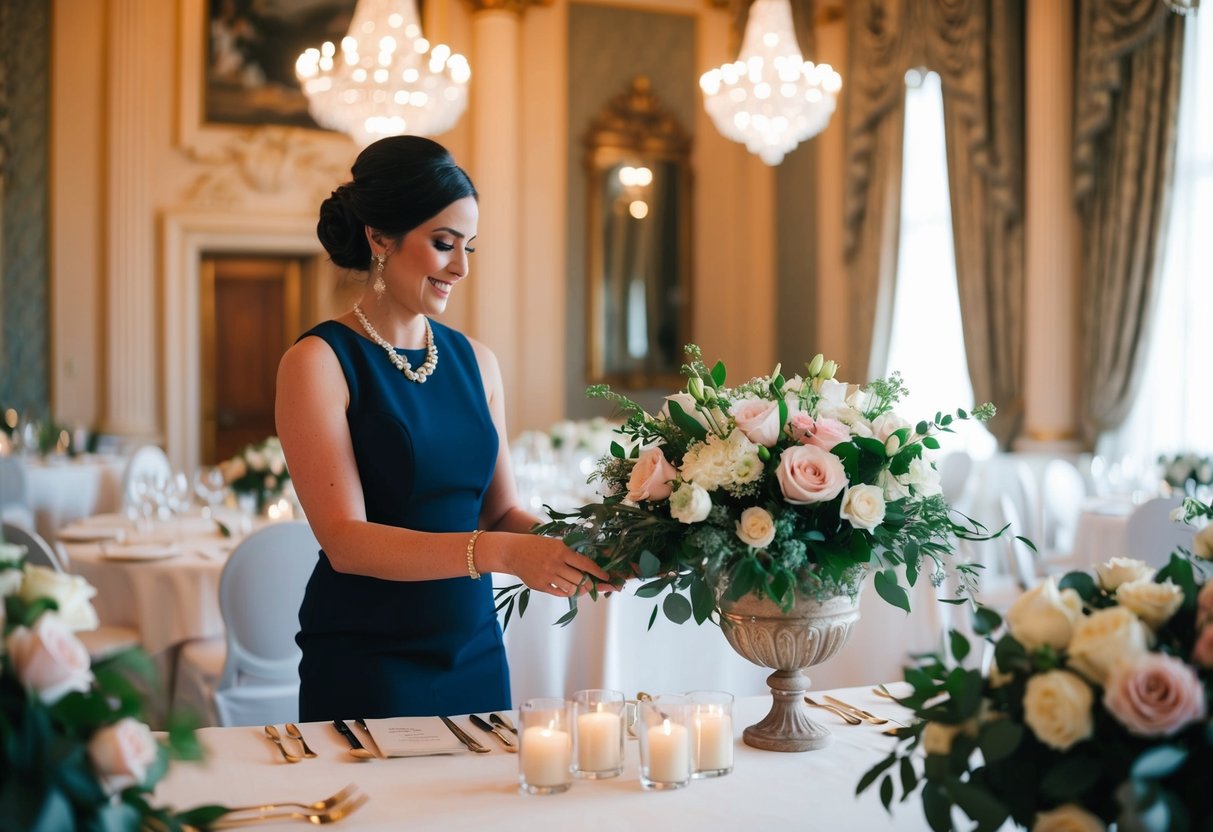
When planning your wedding, there are key elements that will guide you toward a successful and memorable celebration. Focus on budgeting, timelines, and managing your venue and vendors to ensure everything runs smoothly.
Setting and Sticking to the Budget
Creating a detailed wedding budget is the first step in the planning process. Start by listing all potential expenses, including venue, catering, rentals, and decor. Make sure to track your spending to avoid overruns.
Be clear about your limits. If you have a $20,000 budget, allocate funds wisely. For example, you might set aside:
- 40% for the venue
- 30% for food and drinks
- 20% for decor and rentals
- 10% for attire and entertainment
As you gather quotes from vendors, factor in their services and confirm what fits within your financial plan.
The Timeline for a Flawless Event
Creating a detailed timeline is essential. Start by establishing a schedule that outlines all major tasks leading up to your wedding day. A timeline helps keep the planning process organized and ensures nothing is overlooked.
Here’s a suggested timeline:
- 9-12 months out: Choose your venue, hire a wedding planner or coordinator, and book major vendors.
- 6-9 months out: Finalize your guest list and send out save-the-dates.
- 3 months out: Confirm arrangements with vendors and finalize the guest count.
- 1 month out: Create a seating chart and send final payments to vendors.
Having a clear timeline allows you to enjoy a memorable wedding without unnecessary stress.
Venue and Vendor Management
Selecting the right venue is crucial. Look for a space that fits your vision and accommodates your guest list. Don’t hesitate to ask the venue coordinator for referrals to trusted vendors.
When selecting vendors, always check references and read reviews. Make sure to understand the contracts. Ensure you know what services are included and any fees for changes or cancellations.
Maintain communication with your vendors throughout the planning process. Schedule frequent updates to discuss timelines and specific details. This ensures everyone is on the same page for your wedding day.