
Is a Wedding Planner a Project Manager? Exploring the Overlap in Skills and Roles
Planning a wedding can feel overwhelming, but having someone to guide you can make a big difference. You might wonder if hiring a wedding planner is the same as hiring a project manager. A wedding planner essentially acts as a project manager, overseeing all aspects of the wedding planning process. This means they coordinate timelines, manage budgets, and work closely with vendors to ensure everything runs smoothly.

When you enlist the help of a wedding planner, you benefit from their expertise in managing diverse tasks. Just like a project manager tackles complex projects, your planner will break down your wedding into manageable parts. They create timelines, assign tasks, and keep everything organized to help bring your vision to life.
In the end, knowing that your planner has project management skills can relieve a lot of pressure. You can enjoy the journey of wedding planning while they take care of the details, ensuring your special day is everything you dreamed it would be.
The Role of a Wedding Planner

A wedding planner plays an essential role in turning your wedding vision into reality. They manage various aspects of the event, from design to logistics. Their expertise helps ensure that everything runs smoothly on your big day.
Understanding the Wedding Planning Process
Your wedding planner guides you through the entire planning process. This starts with understanding your vision, budget, and preferences. They can help you create a timeline that maps out every step, ensuring you don’t miss anything important.
During meetings, your planner will ask questions that help refine your ideas. By breaking down tasks into manageable steps, they can reduce stress. You’ll receive regular updates and support as your wedding date approaches.
Creative Design and Vision Realization
Bringing your wedding vision to life is a top priority for your planner. They focus on creative design, making sure every detail reflects your personality and style. This includes color schemes, floral arrangements, and decor.
Your planner will present mood boards or sample designs to align with your vision. They consider not just aesthetics but also the overall atmosphere. Whether you’re after a romantic vibe or a rustic charm, they tailor everything to match.
Vendor Coordination and Venue Scouting
Your planner plays a crucial role in coordinating with vendors. They have strong relationships with various suppliers, such as caterers and photographers. This helps you access trusted options that fit your budget and style.
They also assist with venue scouting. Finding the right location is key for your special day. Your planner will guide you through this, considering capacity, accessibility, and ambiance. They ensure that all aspects align with your vision and logistics.
Project Management in Wedding Planning

Managing a wedding is a lot like handling a big project. You need to keep track of your budget, schedule tasks, and prepare for any bumps along the way. Good project management helps ensure a smooth, stress-free wedding day.
Budget Management and Logistical Planning
Managing your wedding budget is critical. Start with a clear budget that includes every detail, like venue costs, catering, and decorations.
Break down your budget into categories to see where you can save. For example, limit spending on flowers while investing in great photography. Don’t forget to add a contingency amount for unexpected costs.
Logistical planning involves coordinating all elements. Create a timeline for payments and deadlines for vendor contracts. Communicate clearly with all vendors to ensure everyone is on the same page. This helps avoid stressful surprises later.
Time Management and Scheduling
Effective scheduling is vital in wedding planning. Create a detailed timeline that includes key dates, like booking the venue and sending invitations.
Use tools like digital calendars or wedding planning apps to keep track of tasks. Assign deadlines for each task to avoid last-minute rushes.
You can even break larger tasks into work packages. For example, divide planning the reception into small tasks, like arranging seating and ordering cake. This makes the planning feel manageable.
Risk Management and Contingency Planning
Every project has risks, and weddings are no exception. Consider what could go wrong, like bad weather, vendor cancellations, or a budget overrun.
To prepare, develop a contingency plan for each risk. If rain is likely, have a backup plan for outdoor ceremonies. You might also arrange a secondary vendor in case your first choice falls through.
Review your plans regularly as your wedding date approaches. Stay flexible and ready to adjust if something doesn’t go as planned. This proactive approach helps you enjoy a stress-free wedding day!
Hiring a Wedding Planner for Your Big Day

Choosing the right wedding planner can make a big difference in how smooth your big day goes. You can decide between a full-service wedding planner or a specialist for destination weddings. Each choice can cater to different needs and preferences.
Deciding on a Full-Service Wedding Planner
A full-service wedding planner handles everything for you. This includes planning, organizing, and managing your entire wedding from start to finish.
With a full-service planner, you get expert advice on venues, vendors, and timing. They take care of the logistics, leaving you free to enjoy the planning process. Whether it’s a small gathering or a large celebration, they ensure every detail is covered.
Your planner will also manage your budget effectively. They help you prioritize spending on what matters most to you. You get to relax while they coordinate everything on the big day.
Benefits of a Destination Wedding Specialist
If you’re dreaming of a wedding in an exotic location, a destination wedding specialist may be the perfect fit. These planners have experience in managing events away from home.
They know how to navigate local regulations and vendor options, making planning easier for you. A specialist can also help with travel logistics for your guests.
With a destination wedding, you can create unforgettable experiences. This can include special activities for your wedding weekend, like tours or group outings. Your planner will create a memorable event that captures your vision seamlessly.
Key Wedding Events and Considerations
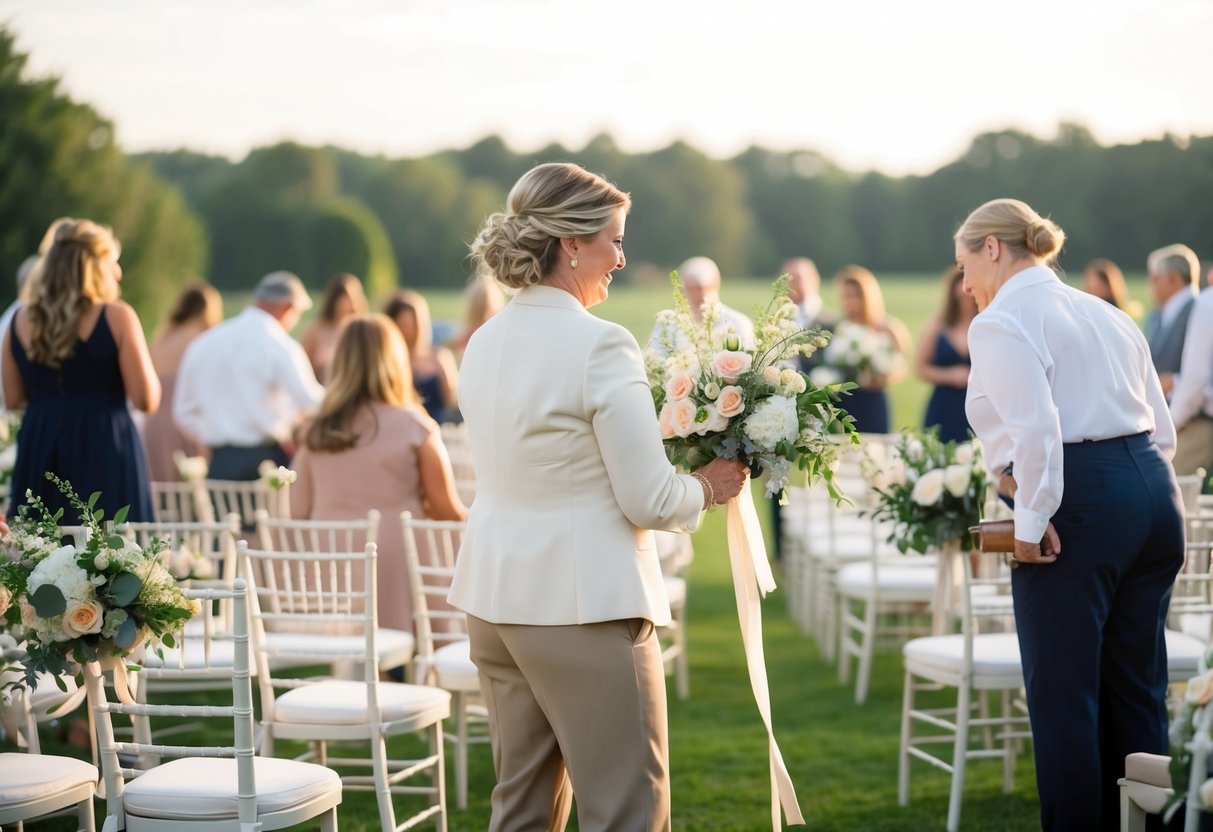
Planning a wedding involves several important events and decisions that can shape your big day. Here are some key elements you’ll want to focus on as you move through the planning process.
Choosing the Perfect Wedding Dress
Selecting your wedding dress is an exciting part of the planning experience. Start by setting a budget that includes the dress, alterations, and accessories. Think about the style that makes you feel most beautiful.
Consider shopping at bridal boutiques, online retailers, or even second-hand shops. Don’t forget to try on different styles, like A-line, mermaid, or ball gown, to find what suits your body type and personality best. Bring along close friends or family to get their opinions. Remember, alterations are often needed to ensure a perfect fit, so leave time for this.
Selecting a Memorable Wedding Venue
The right wedding venue sets the tone for your entire celebration. First, consider your guest list, as this will influence your choice. Will it be an intimate gathering or a grand celebration? Next, check the venue for availability, especially during peak wedding seasons.
Locations can vary from traditional churches to scenic outdoor spaces or elegant banquet halls. Think about the atmosphere you want — romantic, rustic, or modern. Create a list of must-haves, such as catering options and accessibility for guests. Lastly, visit the venue in person to visualize your day and assess the layout and decor possibilities.
Organizing Invitations and Rehearsal Dinner
Wedding invitations are your first chance to make an impression on your guests. Start by choosing a design that reflects your wedding theme, whether it’s elegant, rustic, or whimsical. Ensure you include essential details like the date, time, and location of the ceremony.
After you send out invitations, it’s time to plan the rehearsal dinner. This event allows you to gather with your bridal party and close family the night before the wedding. Choose a location that fits your style and budget. Whether it’s a nice restaurant or a laid-back backyard gathering, keep it personal and relaxed. Remember to communicate who will be invited to this special evening.