
Is a Wedding Planner Hard? Insights for Aspiring Planners
When you think about being a wedding planner, the job might seem like a dream filled with love and joy. However, being a successful wedding planner can be quite challenging. The wedding industry is fast-paced and often high-pressure, which can lead to stress as you juggle different tasks and clients.
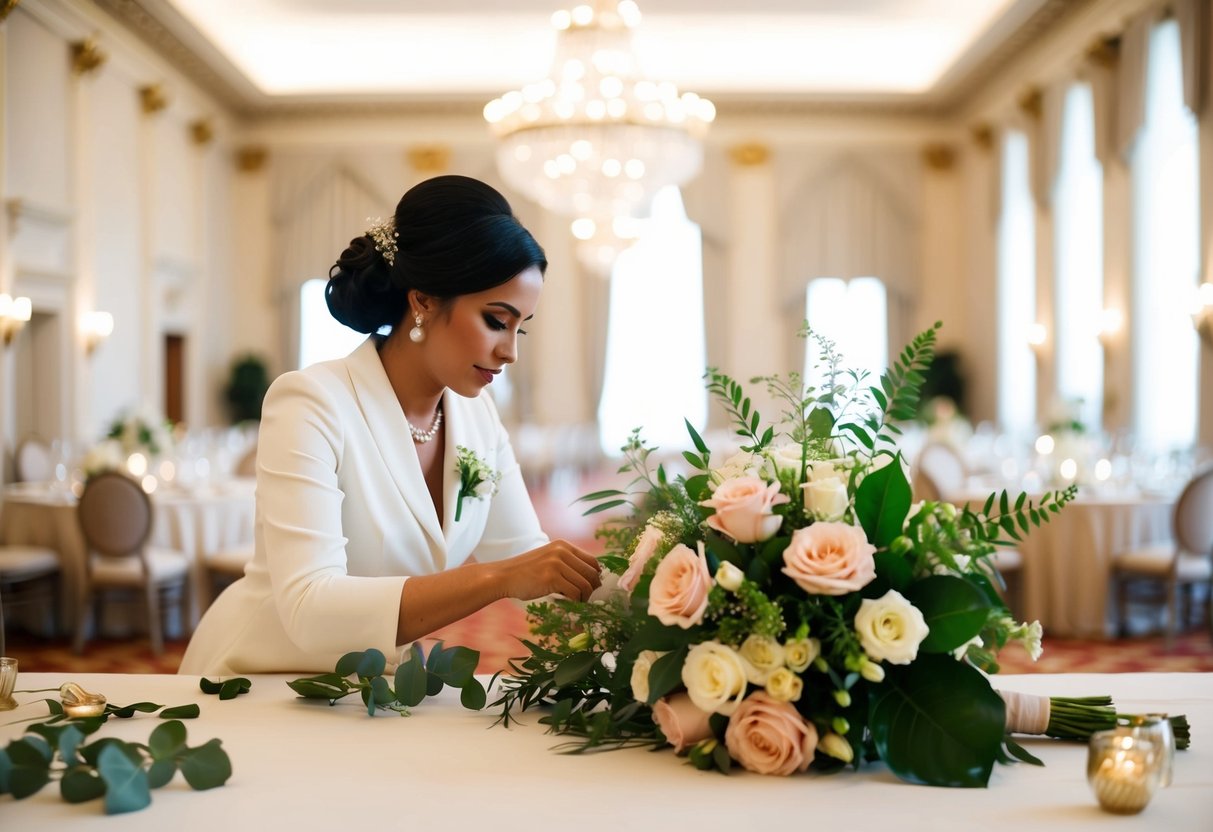
You might imagine creating beautiful events, but behind the scenes, there are many details to manage. From coordinating vendors to handling unexpected issues, the role demands organization and quick problem-solving skills. Despite the hurdles, the rewards of wedding planning can be significant, offering you the chance to witness couples’ happiest moments and feel proud of your hard work.
If you’re considering this career or just curious about what it entails, understanding the challenges and rewards is essential. Exploring these aspects will help you see if wedding planning is the right fit for you.
The Role of a Wedding Planner

Being a wedding planner involves a mix of creativity, organization, and sharp communication skills. They help you bring your vision to life while managing every detail, ensuring your special day runs smoothly.
Core Responsibilities
A wedding planner has several key responsibilities. First, they meet with you to understand your vision, preferences, and budget. This initial discussion helps them create a personalized theme that reflects your style.
They handle vendor selection, negotiating contracts, and coordinating services. Planners often maintain a timeline to keep things on track, ensuring everything goes according to plan.
Attention to detail is vital; they check everything from the flowers to the seating chart. Good planners also have strong communication skills, acting as a liaison between you and vendors. This way, you can focus on enjoying your engagement and wedding.
Day-of Coordination Versus Full Service
There are two main types of wedding planning services: day-of coordination and full service. Day-of coordination is perfect if you have most plans in place but need someone to ensure everything flows smoothly on the wedding day.
In this role, the planner manages the timeline, directs vendors, and solves any issues that arise. You can enjoy the day without worrying about minor hiccups.
Full-service planning, on the other hand, means your planner is involved from start to finish. They assist with everything from budgeting to wedding design. This option is for those who want a more hands-off approach.
Understanding Wedding Trends
Staying current with wedding trends is another important role of a wedding planner. They bring fresh ideas, ensuring your wedding feels modern and stylish. From popular color schemes to unique themes, trend awareness helps your wedding stand out.
A knowledgeable planner can suggest creative design ideas that reflect both tradition and modern tastes. You might want to consider eco-friendly options or locally sourced flowers. Your planner will guide you in choosing elements that resonate with current trends while keeping your personal touch.
By incorporating these trends, you make your wedding not just a day to remember but a reflection of who you are as a couple.
Challenges in Wedding Planning

Planning a wedding is an exciting yet demanding task. You face unique challenges that can test your skills and emotional well-being. Here, we explore three key hurdles that wedding planners often encounter.
Managing Client Expectations
One of the biggest challenges you face is managing client expectations. Clients often have a vision of their dream wedding, but reality can differ. Clear communication is vital. You need to maintain open lines of dialogue to understand their wishes and explain what is achievable within their budget.
Building strong client relationships can ease this process. Use your interpersonal skills to listen and respond effectively. If changes arise, address them promptly. This proactive approach reduces stress and keeps your clients feeling valued and heard.
Work-Life Balance and Long Hours
Balancing work and personal life can be tough in wedding planning. Long hours are often a norm, especially as the wedding date approaches. You might find yourself working nights and weekends, which can lead to burnout.
Finding a work-life balance is essential for your emotional well-being. Set clear boundaries around your work hours. Use tools to manage your time effectively so you can dedicate moments to yourself or your family.
Prioritize self-care. Small breaks can help recharge your energy, making you more effective in your role as a multifaceted professional.
Budgeting and Handling Finances
Budgeting is a significant challenge in wedding planning. You need to help clients stick to a wedding budget while achieving their dream event. This task requires excellent problem-solving and multitasking skills.
Begin with a clear breakdown of expenses. Create lists to track costs for venues, catering, and decorations. Encourage your clients to prioritize their spending and consider alternatives when necessary.
With proper financial management, you can help your clients maximize their budget. This will lead to a successful wedding and satisfied clients who appreciate your guidance.
Building a Career as a Wedding Planner

Becoming a wedding planner requires dedication and the right skills. You’ll need to explore educational paths, consider starting your own business, and build valuable industry relationships to thrive in this field.
Educational Paths and Certifications
To become a wedding planner, you can take various educational routes. Many planners benefit from pursuing an online course in event planning. This provides essential knowledge about organizing events, managing vendor contracts, and budgeting.
Certifications from professional associations can also boost your credentials. These recognitions show clients that you have the skills necessary for planning their special day. Look for programs that cover topics like marketing, customer service, and organization.
By investing in your education, you set a strong foundation for your career as a wedding planner.
Starting Your Own Business
Many wedding planners choose to start their own businesses, which can offer great income opportunities. As an independent planner, you can set your rates and choose your clients.
Creating a solid business plan is critical. Outline your services, pricing structure, and target market. You should think about how you will manage vendor contracts and negotiate deals with wedding vendors.
Building your brand online through social media can attract potential clients. Showcasing your work can lead to referrals, helping your business grow organically.
Starting your own wedding planning business can be exciting and rewarding.
Networking and Industry Relationships
Networking is essential in the wedding planning industry. You should actively attend trade shows and local events to meet wedding vendors and other professionals. Building strong relationships with florists, caterers, and venues ensures that you have reliable partners for your clients.
Join a professional association to connect with others in the field. These organizations often offer resources, training, and events that enhance your skills and knowledge.
By fostering good relationships, you can gain referrals and be the go-to planner for many couples. Networking not only helps you grow your business but also supports you in navigating challenges in the wedding planning process.
Maximizing Success in Wedding Planning

Success in wedding planning involves a mix of effective time management, strong client communication, and the emotional rewards that come with creating memorable events. Focusing on these areas can help you thrive in this rewarding career.
Effective Time Management
Time management is crucial in wedding planning. You will juggle meetings, venue visits, and countless email exchanges. It’s important to create structured schedules to keep everything organized.
Using planning software can help you stay on track. Set clear deadlines for tasks, from booking vendors to final rehearsals. Break large tasks into smaller steps. Check off completed items to stay motivated.
Consider using tools like calendars and to-do lists to visualize your workload. This way, you can allocate time for each aspect of planning. Prioritizing tasks helps ensure that nothing gets overlooked, making the process smoother for you and your clients.
Emotional Rewards and Fulfillment
Wedding planning offers unique emotional fulfillment. Watching your clients enjoy their special day brings a sense of accomplishment. You play a key role in bringing their visions to life, which can be incredibly rewarding.
Each wedding is a canvas for your artistic expression. You get to personalize every detail, from floral arrangements to music choices. Knowing that your efforts contribute to happy memories is a significant motivator.
The connections you build with couples can also be emotionally satisfying. You guide them during a pivotal moment in their lives, resulting in lasting relationships. These connections enhance the joy of your work, making it feel less like a job and more like a calling.
Cultivating Client Communication and Active Listening
Strong client communication is essential for successful wedding planning. You must understand your clients’ wants and needs clearly. Active listening plays a big role in this.
When clients share their ideas, give them your full attention. Ask questions to dig deeper into their vision. This not only shows you care but also helps you create a wedding that reflects their personality.
Keep clients informed at every stage of the planning process. Regular updates build trust and keep everyone aligned. Transparent communication ensures that you can address concerns early on, leading to a smoother planning experience.