
Is Being a Celebrant a Full-Time Job? Exploring Career Opportunities and Flexibility
Being a celebrant is a rewarding role that allows you to help people mark important life events. If you’re considering if this can be a full-time job, the answer is yes, it absolutely can be! Many celebrants manage to combine their passion for ceremonies with a full-time career, dedicating themselves to gaining bookings and establishing their reputation.
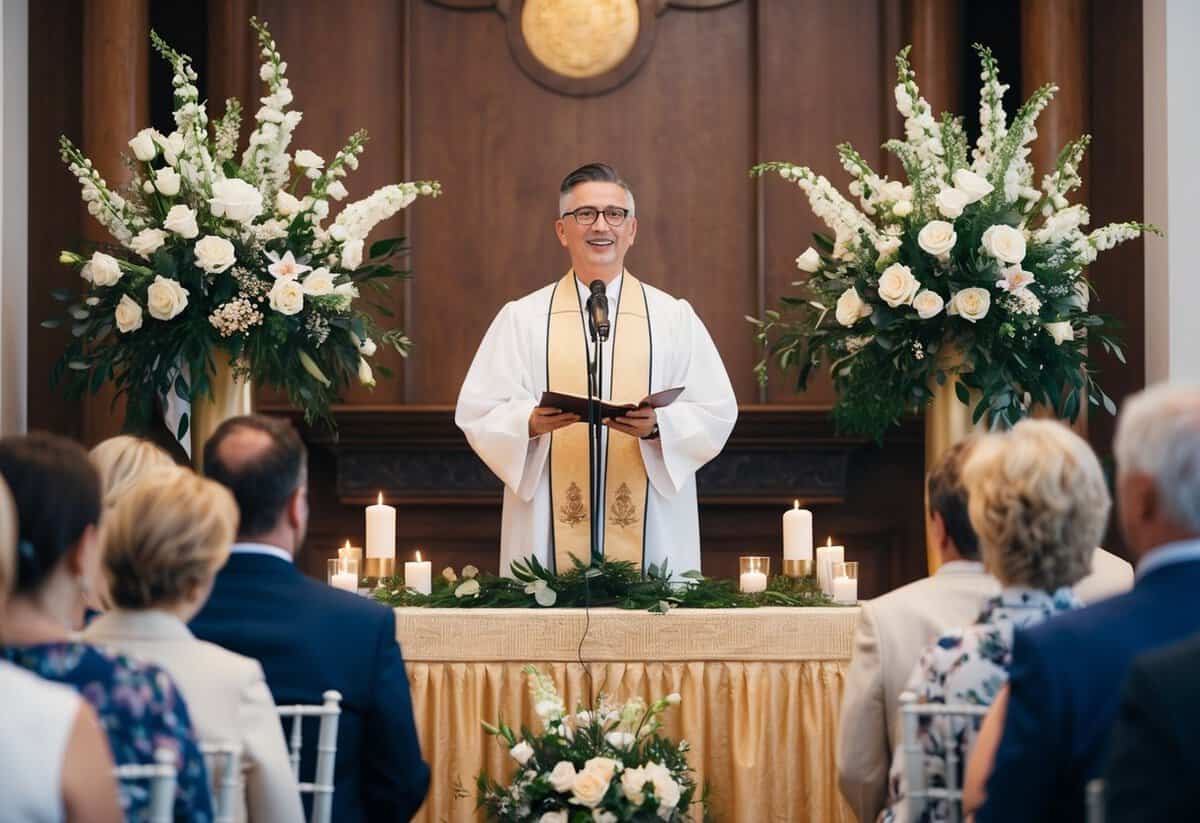
As you explore this path, you’ll find that the flexibility of being a celebrant makes it possible to fit this role around other commitments. Whether you’re already working full-time or just starting out, you can create a balance that suits your lifestyle.
With the growing popularity of personalized ceremonies, the demand for celebrants is stronger than ever. This trend offers exciting opportunities for you to engage fully in this meaningful profession while potentially earning a sustainable income.
Exploring Celebrancy as a Career
Celebrancy can be a fulfilling and meaningful career choice. You have the chance to be part of life’s most important moments and help people celebrate special occasions. This section explores what a celebrant does, the types of celebrants you can become, and why there is a growing demand for them.
What Does a Celebrant Do?
As a celebrant, your main role is to create and lead ceremonies that mark significant events in people’s lives. These can include weddings, funerals, naming ceremonies, and various other celebrations.
You’ll meet with clients to understand their needs, preferences, and values.
It’s important to personalize each ceremony, making it unique to the people involved. Celebrants often write speeches or scripts and help with planning the ceremony’s details, ensuring everything runs smoothly.
Types of Celebrants
There are different types of celebrants, each specializing in specific ceremonies.
- Wedding Celebrants help couples plan and officiate their wedding. They find ways to reflect the couple’s story and values in their vows.
- Funeral Celebrants provide support and guidance during difficult times, creating ceremonies that honor the deceased’s life and fulfill the family’s wishes.
- Naming Ceremony Celebrants hold events to celebrate a child’s emergence into the world, often involving symbolic rituals or readings.
- Humanist Celebrants emphasize non-religious ceremonies, focusing on personal beliefs and values.
Each type of celebrant has its unique approach and requirements, giving you the opportunity to choose what aligns with your passion.
The Rise in Demand for Celebrants
The need for celebrants has increased in recent years. Many people seek personalized, unique celebrations that reflect their individuality. With a growing trend of moving away from traditional religious ceremonies, more couples and families are turning to celebrants for their events.
This shift allows for more creativity in how ceremonies are designed and conducted.
As a result, the market is opening up, creating more opportunities for you. Being a celebrant can be a full-time career, with those who specialize in popular areas earning a solid income. This trend shows no sign of slowing down, making now a great time to consider this path.
Becoming a Celebrant
Becoming a celebrant involves training, understanding legal requirements, and committing to continuous professional development. These steps ensure that you are well-prepared to lead ceremonies, including weddings and other life events.
Training and Qualifications
To start your journey as a celebrant, you will need to complete a training course. Many community colleges and online platforms offer programs, such as a Certificate IV in Celebrancy. Such certifications usually cover essential skills like public speaking, crafting ceremonies, and understanding the needs of clients.
Training costs can vary, typically ranging from $1,500 to $3,000 depending on the provider. Consider researching different training providers to find a course that fits your budget and schedule. Online celebrant training is also available, allowing you to learn at your own pace.
Legal Requirements
Understanding the legal requirements is crucial for becoming a celebrant. In many places, you must be authorized to perform marriages. This usually involves registering with a government body, which may require proof of your qualifications.
You will also need to familiarize yourself with local laws about marriage and ceremonies. For example, the ability to legally marry couples typically requires adherence to specific guidelines and paperwork. Make sure you know what is needed in your area to avoid any legal issues.
Continuous Professional Development
Once you begin your career as a celebrant, continuous professional development is key to your success. Regularly participating in workshops and refresher courses helps you stay updated on industry trends and legal changes.
Engaging in development activities can enhance your skills and expand your network. Many established celebrants recommend joining professional associations that provide resources and support. Investing time in ongoing learning will benefit your career and improve the service you offer to clients.
The Business of Being a Celebrant
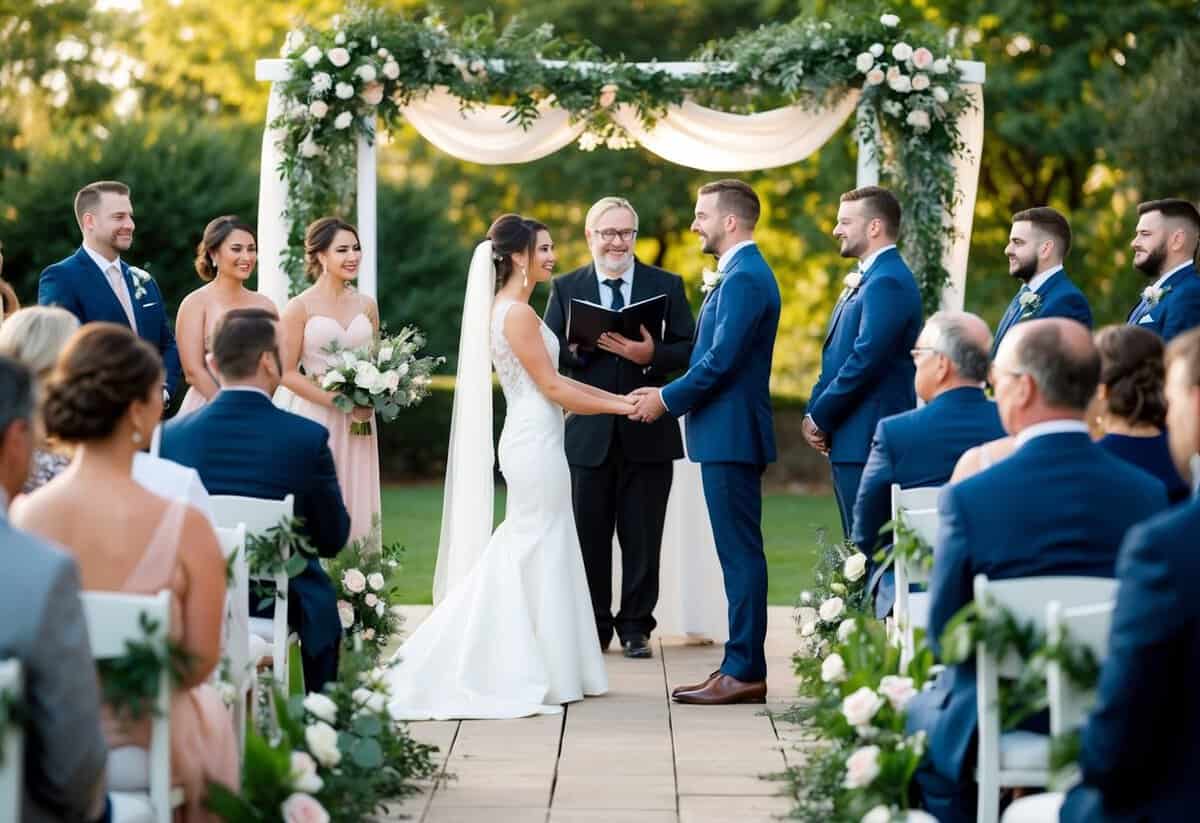
Being a celebrant allows for flexibility and autonomy in your work life. The success of your celebrant business depends on effective marketing, setting up a solid foundation, and understanding pricing and competition in your area.
Marketing Your Services
Marketing is vital for attracting clients to your celebrant business. Start by creating a professional website that showcases your services and testimonials. Utilize social media platforms like Facebook and Instagram to share beautiful moments from the ceremonies you conduct. Join local community groups to network and build relationships.
Consider attending wedding fairs and local events to connect directly with potential clients. Offer free workshops or informational sessions about what a celebrant does. This not only educates your audience but also builds trust. Remember, successful celebrants often emphasize community over competition, so collaborate with other vendors to cross-promote services.
Setting Up Your Celebrant Business
Starting your celebrant business involves several key steps. First, obtain the necessary certification or training to perform ceremonies legally. This will establish your credibility. Next, create a clear business plan to outline your goals and target market.
Choose a business structure such as sole proprietorship or registered company. This can impact your taxes and personal liability. Ensure you have required permissions and licenses to operate in your area. Setting up a complete branding strategy (logo, business cards, etc.) helps you stand out.
Pricing and Competition
Understanding how to price your services is crucial in the celebrant business. Research the average prices for various ceremonies, such as weddings or naming ceremonies, in your area. Prices may vary significantly based on location, experience, and the complexity of the ceremonies.
Consider offering different packages to appeal to various budgets. For example, a simple naming ceremony may have a lower price point than a full wedding service. Be transparent about what each package includes.
Keep an eye on your competition, but focus on your unique offerings. Highlight your specific style and experiences, which can differentiate you in the market. Remember, many successful celebrants find a balance between competitive pricing and providing high-quality, personalized services to their clients.
Work-Life Balance and Job Satisfaction
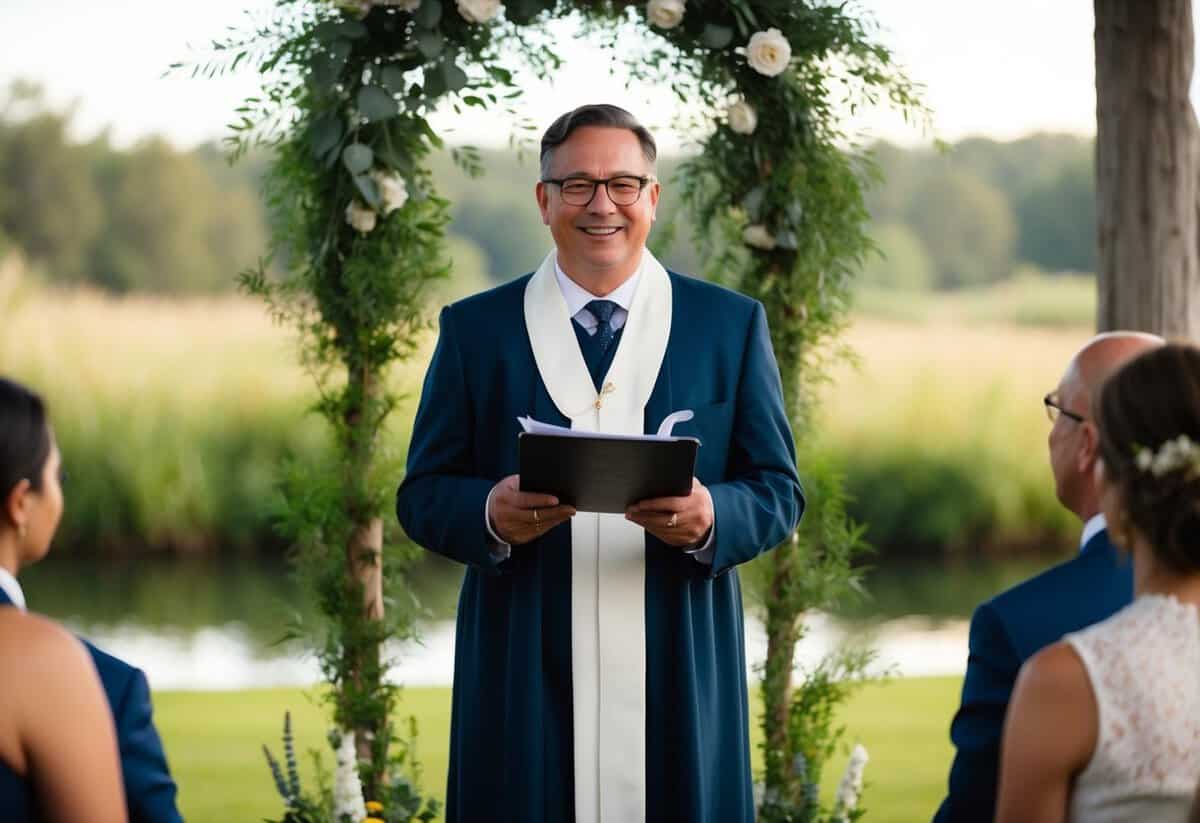
Finding the right balance between work and personal life is essential in any profession. As a celebrant, you can enjoy job satisfaction while using your creativity and storytelling skills. Here’s what you need to know about being a celebrant and how it fits into your life.
The Full-Time Question
Becoming a celebrant is not always a full-time job. Many people choose to take it on part-time while maintaining other careers. This allows for flexibility in scheduling ceremonies and events.
You can enjoy a good career where you are in control of your hours. Celebrants often find that this role brings a satisfying blend of work and personal life. Skills like public speaking and active listening are important. They help you connect with clients and create meaningful ceremonies.
Being a master celebrant can enhance your job satisfaction, allowing you to express empathy and creativity.
Career Fulfillment and Challenges
In celebrancy, you fulfill roles in people’s lives. You participate in significant events, which can be emotionally rewarding.
But managing a celebrant business can be challenging. You may experience periods of high demand followed by quieter times. Finding that balance is crucial for your mental health.
Using transferable skills from other jobs can be advantageous. Your ability to adapt and communicate effectively matters. Celebrating life’s moments provides rewards but comes with the responsibility for movement and preparation.
Embrace the creativity and storytelling aspects as part of your journey, making your work-life balance thrive.