
Is First Dance Before Cake Cutting? A Guide to Wedding Traditions
Your wedding day is filled with special moments. Knowing when to have your first dance and cut the cake can help keep the celebration flowing smoothly. Typically, the cake cutting occurs before the first dance, allowing for a natural transition from dinner to dancing. This order not only builds excitement but also ensures that guests are gathered around to enjoy these memorable moments.
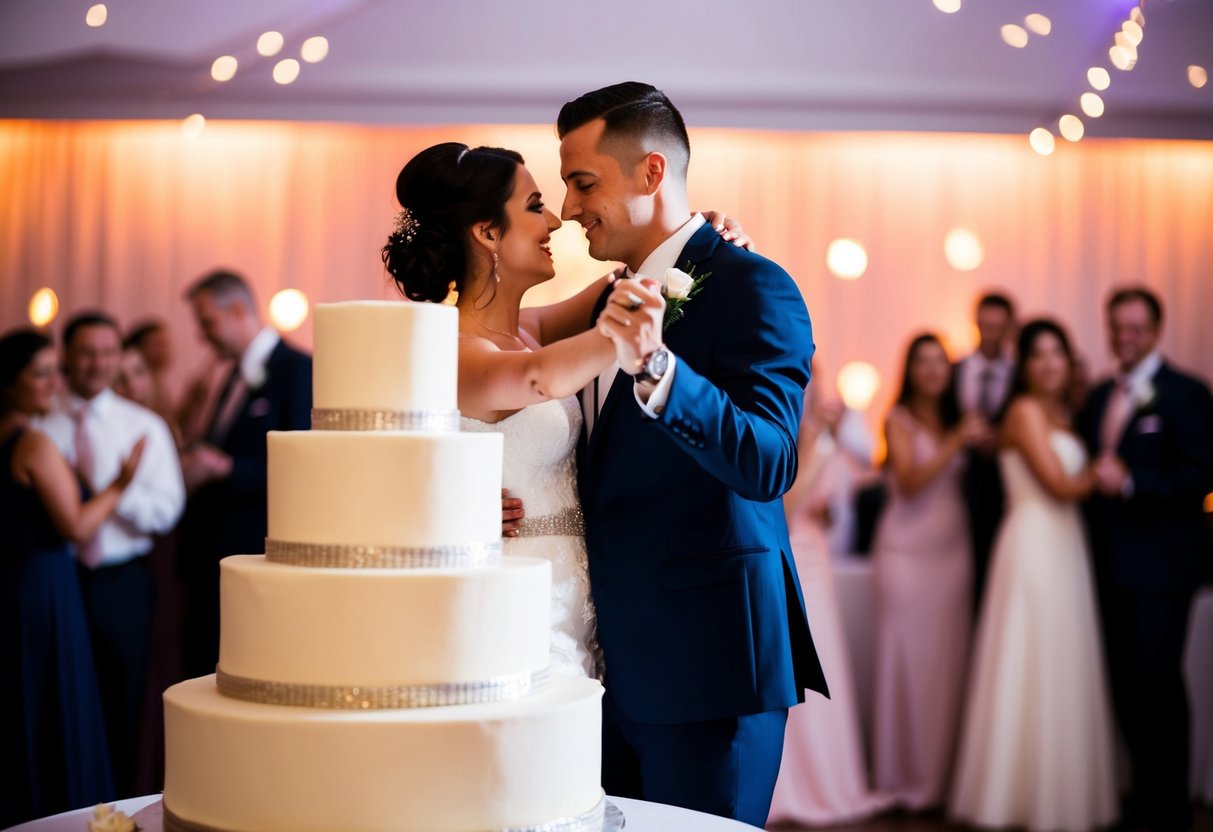
While every wedding is unique, understanding the traditional timeline can aid in your wedding planning. A good wedding reception schedule allows you to enjoy each part of the celebration without feeling rushed.
You can also set the vibe for your big day by choosing the right moments for these events, which can enhance your overall experience.
As you plan your wedding day timeline, consider what will feel right for you and your partner. Whether you follow tradition or create your own path, make sure these cherished moments reflect your style and love story.
The Wedding Reception Timeline
Planning your wedding reception timeline is essential for a smooth flow of events. Knowing when each moment takes place can help you make the most of your special day. Here’s a look at how to organize the key moments to create a memorable experience for you and your guests.
Navigating Through the Main Events
Your wedding reception typically begins with the grand entrance. This is when you, along with your wedding party, make your first appearance after the ceremony. It’s a joyful moment that sets the tone for the evening.
After the grand entrance, you can move into the cocktail hour. This is a great time for guests to mingle while enjoying drinks and appetizers. It allows you some time to take photos before the main events begin.
Next comes dinner service. Meals are usually served after guests are seated. Following dinner, the toasts from family members and the wedding party can happen. These moments are heartfelt and add a personal touch to your celebration, engaging your guests in the joy of your union.
Optimal Timing for Key Moments
Timing is everything during a wedding reception. Ideally, you should plan to have your first dance right after dinner. This moment often signals the start of dancing for everyone.
Next, consider when to cut the cake. Traditionally, the cake cutting occurs after the first dance. This creates a nice rhythm to the evening, keeping guests engaged.
Be mindful of your timeline as the night progresses. Each event should flow smoothly to keep the energy up. Coordinate with your wedding planner or DJ to ensure that everything goes off without a hitch. Balancing these elements will create a joyful atmosphere for you and your guests.
Traditions and the Order of Events
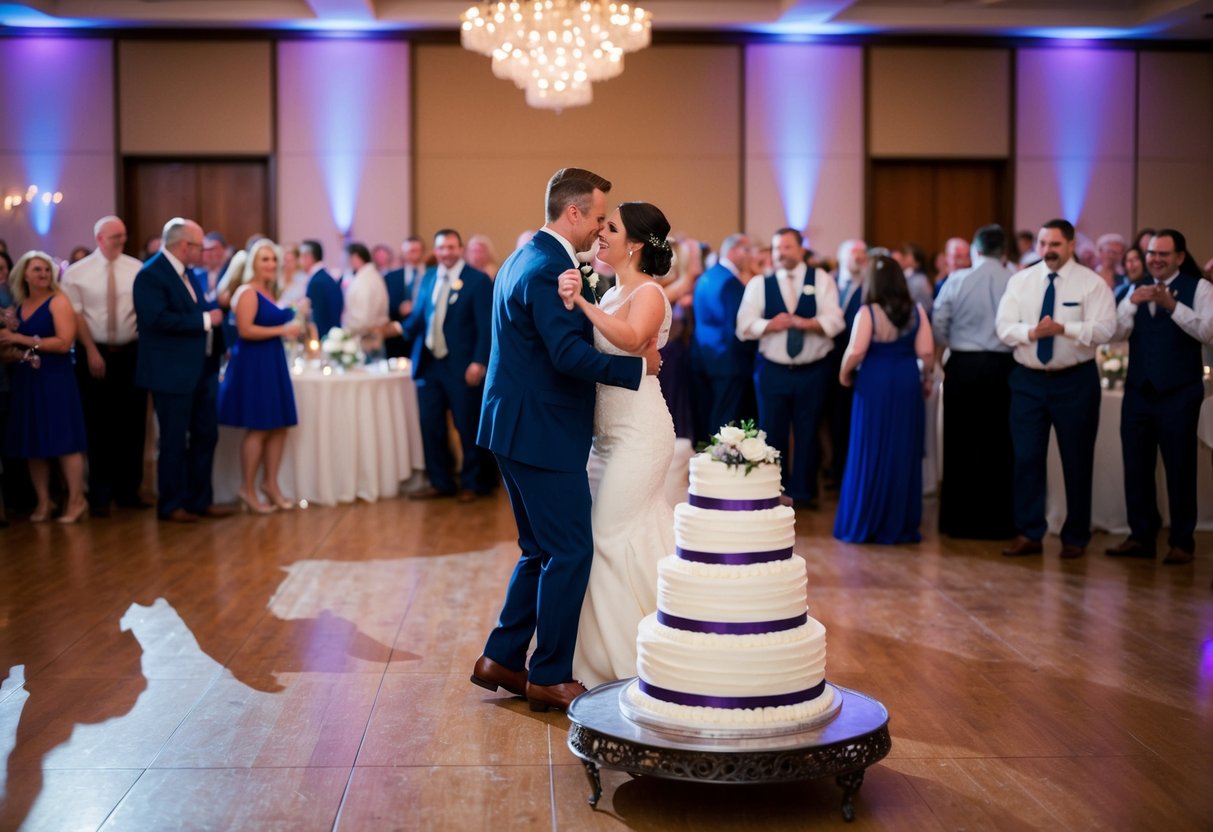
When planning your wedding, you may wonder about the traditional order of events. Specifically, the placement of the first dance and the cake cutting can impact the flow of your celebration. Here’s a closer look at these cherished wedding traditions.
Significance of the First Dance
The first dance is a significant moment for any couple. It marks the start of your new journey together as you share a special moment in front of your guests. This tradition usually comes after the wedding breakfast or dinner.
The first dance is often a romantic song chosen by the couple, reflecting their relationship. It’s not just about the dance; it symbolizes your commitment to each other. Friends and family gather around to support you, making it a heartfelt experience.
Some couples also choose dances with their parents right after their dance, adding more emotion to the moment. This transition sets the tone for the rest of the evening, inviting guests to join in the celebration.
Cake Cutting: A Sweet Interlude
The cake cutting is another important tradition during your wedding reception. Typically, this event takes place after your first dance, allowing guests to enjoy the moment without interruptions. Cutting the cake represents the couple’s unity and sharing their lives together.
As you slice the cake, you’ll likely feed each other a piece, which is a fun and memorable activity. This moment can bring laughter and joy, making it a highlight of the evening.
Guests often look forward to the cake cutting, as it signals the start of dessert and often offers a delicious variety of flavors. The time between your first dance and the cake cutting is a chance to keep the celebration going and engage your guests.
Creating Memorable Moments
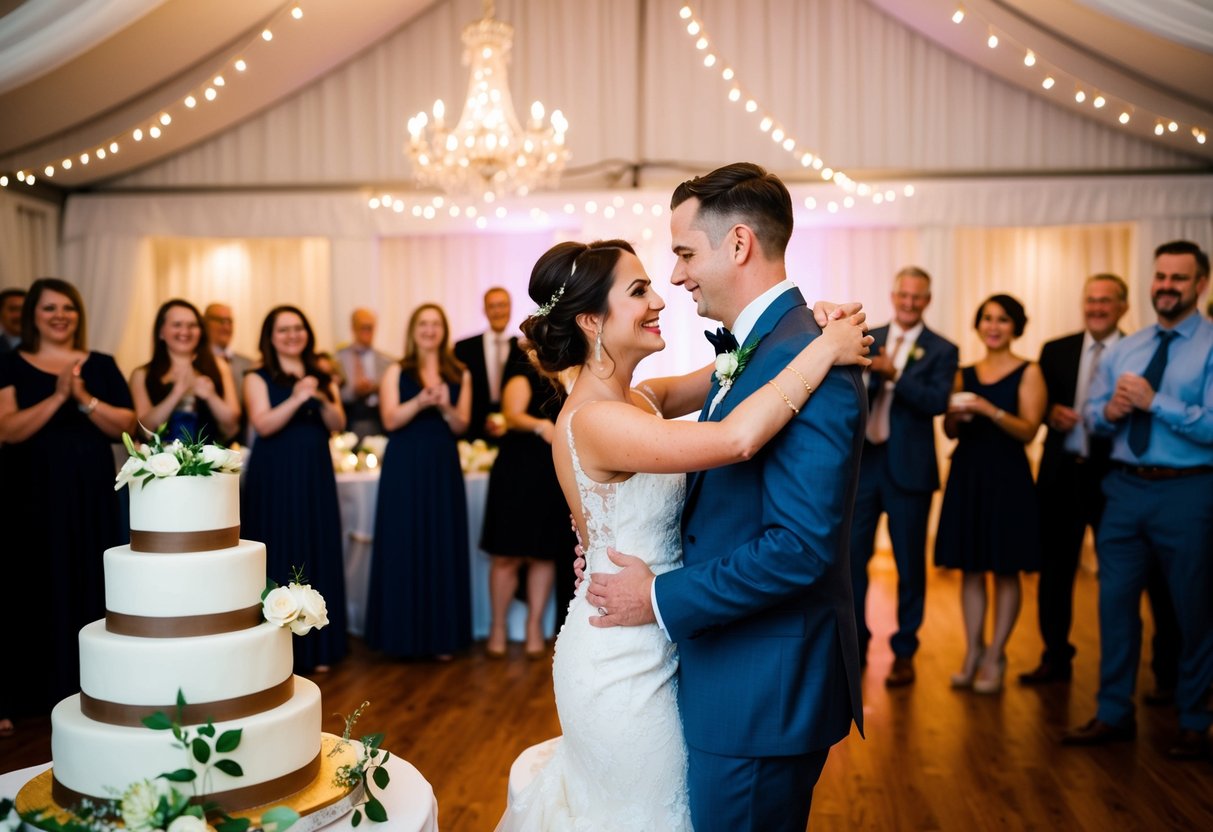
Your wedding day is filled with special moments that you will cherish forever. The dances and interactions with your guests create a joyful atmosphere that makes the day even more memorable.
Cherishing the Dances
The first dance is a highlight of your reception. It marks the beginning of your celebration as a married couple. Choosing a meaningful song can make this moment even more special. Consider picking a tune that has significance to both of you.
Following the first dance, traditional dances like the father-daughter and mother-son dances add emotional depth. These moments bring families together and often lead to heartfelt reactions from everyone present. You might even want to include surprises, like inviting other family members to join in.
As the dance floor opens up, invite guests to join you. This creates an energetic and inclusive vibe. It’s an opportunity for everyone to celebrate and make joyful memories together.
Engaging with the Guests
Engaging with your guests during the dances enhances their experience. Encourage them to join you on the dance floor after your special dances. This helps build excitement and a sense of community.
Consider incorporating fun elements like a bouquet toss or garter toss. These traditions add a playful touch to your reception. You can also create group dances or select popular songs that encourage everyone to participate.
Don’t forget to take a moment to interact with your guests between dances. Thank them for being part of your special day. Small gestures like this create a warm atmosphere and show that you appreciate their presence. Engaging moments like these make your wedding unforgettable for everyone involved.
The Final Touches for the Evening
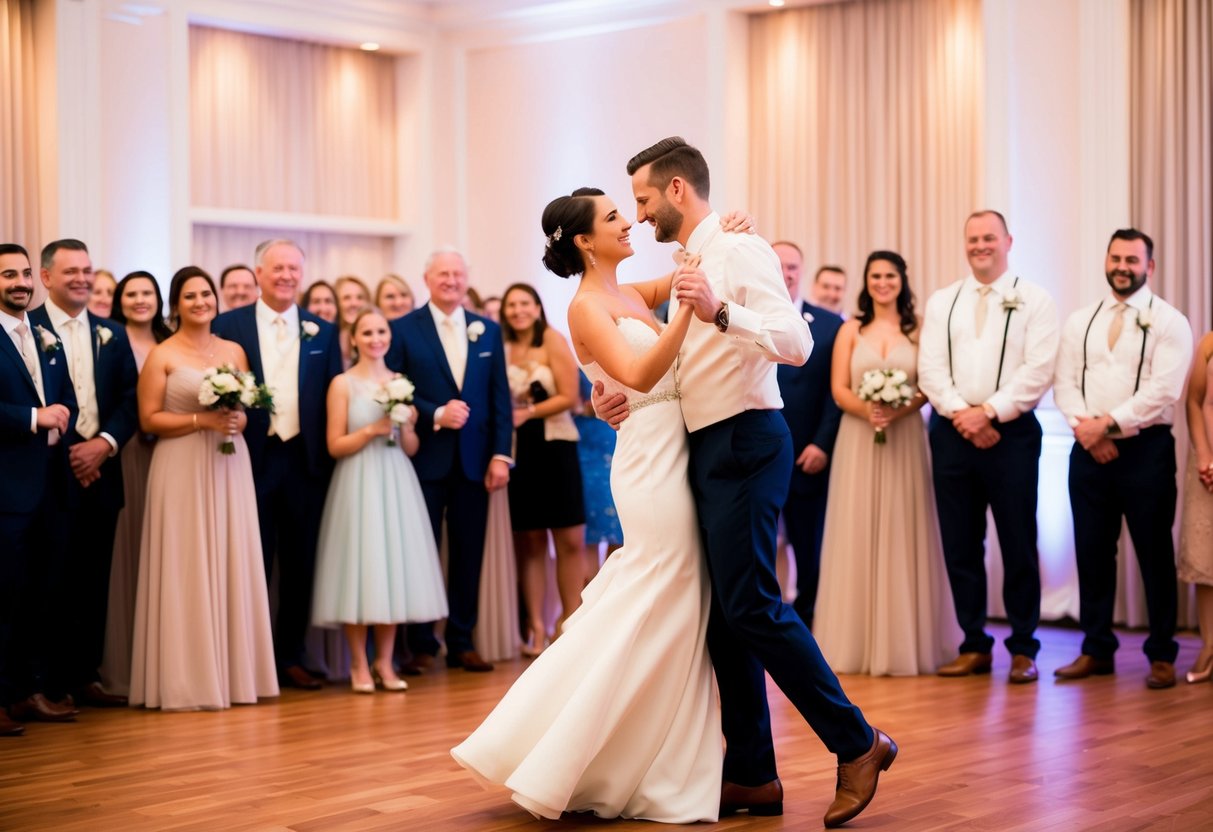
As your wedding day unfolds, the final touches set the mood for the rest of the evening. You are about to enjoy delicious treats and create special moments with your evening guests. Here are two important elements to consider.
Indulgence After the Feast
After the meal, it’s time for the dessert course to shine. You can use this moment to serve the wedding cake, which often serves as a centerpiece for the celebration. Cutting the cake is a beloved tradition that brings guests together.
You might consider presenting the cake right after the main meal, ensuring everyone is excited to indulge.
It’s also a good idea to coordinate with your caterer about the timing. This way, the cake-cutting ceremony flows nicely into the next part of your evening. Guests will enjoy a sweet treat as they prepare to dance. Placing the cake in a well-lit area makes it more inviting and adds to the décor of your venue.
Welcoming Evening Guests
As your evening wedding reception begins, make sure to warmly welcome any guests who arrive later. A designated area for them is helpful. This can include drinks and snacks to enjoy while they settle in.
It’s also a great time for you and your partner to mingle. A friendly atmosphere encourages your guests to have fun. Additionally, ensuring that your wedding order flows smoothly keeps the energy up, especially as you transition into dancing and other festivities.
Each part of your reception plays a vital role in creating memorable moments for everyone present.