
Is Food Important at a Wedding? Discovering Its Role in Celebrations
When planning your wedding, it’s easy to get caught up in details like the dress, the venue, and the music. Yet, the food is one of the most important parts of your wedding reception. It not only satisfies your guests’ hunger but also creates lasting memories and adds to the overall atmosphere of your special day.
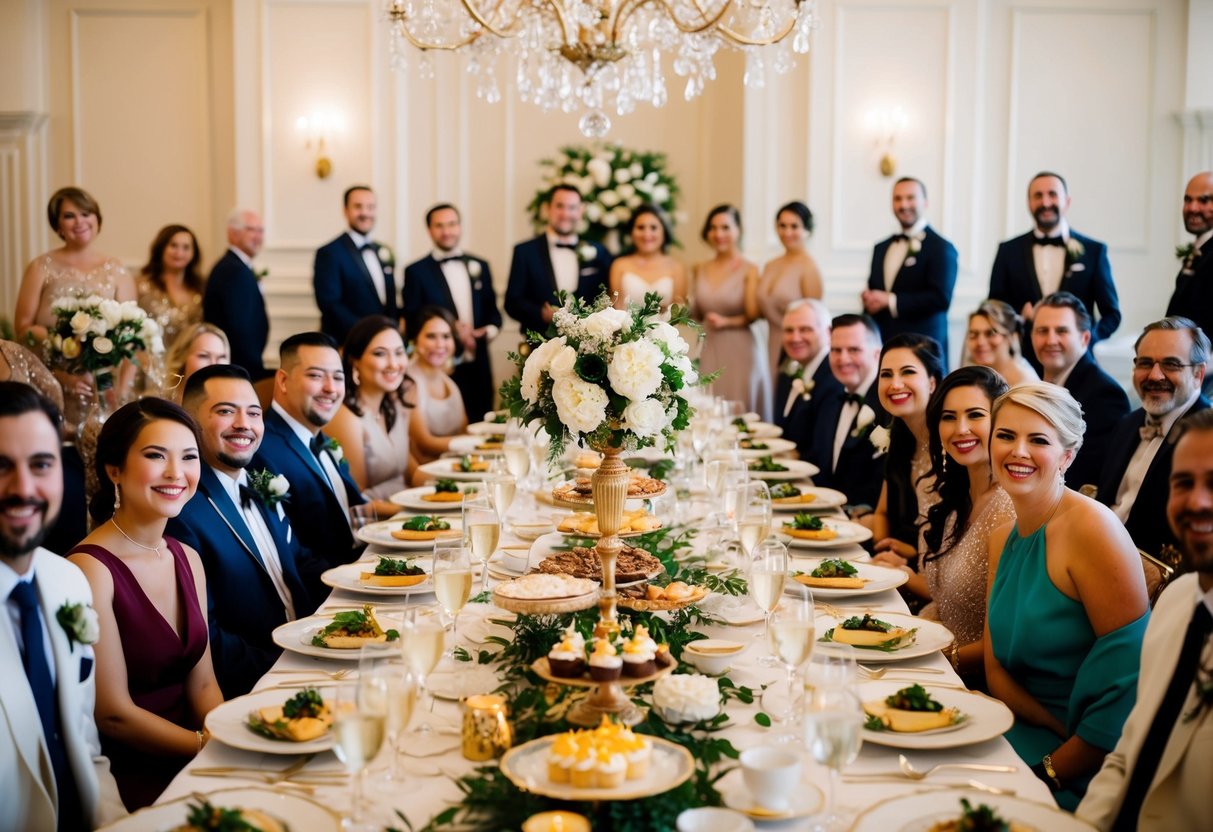
Think about it: a delicious meal can spark joy and conversation among guests, making the event more enjoyable for everyone. When people leave a wedding, they’ll often remember the food just as much as the couple getting married. Choosing the right food for your wedding can help you create the celebration you’ve always dreamed of, one that your friends and family will talk about for years to come.
The Role of Food in Wedding Celebrations
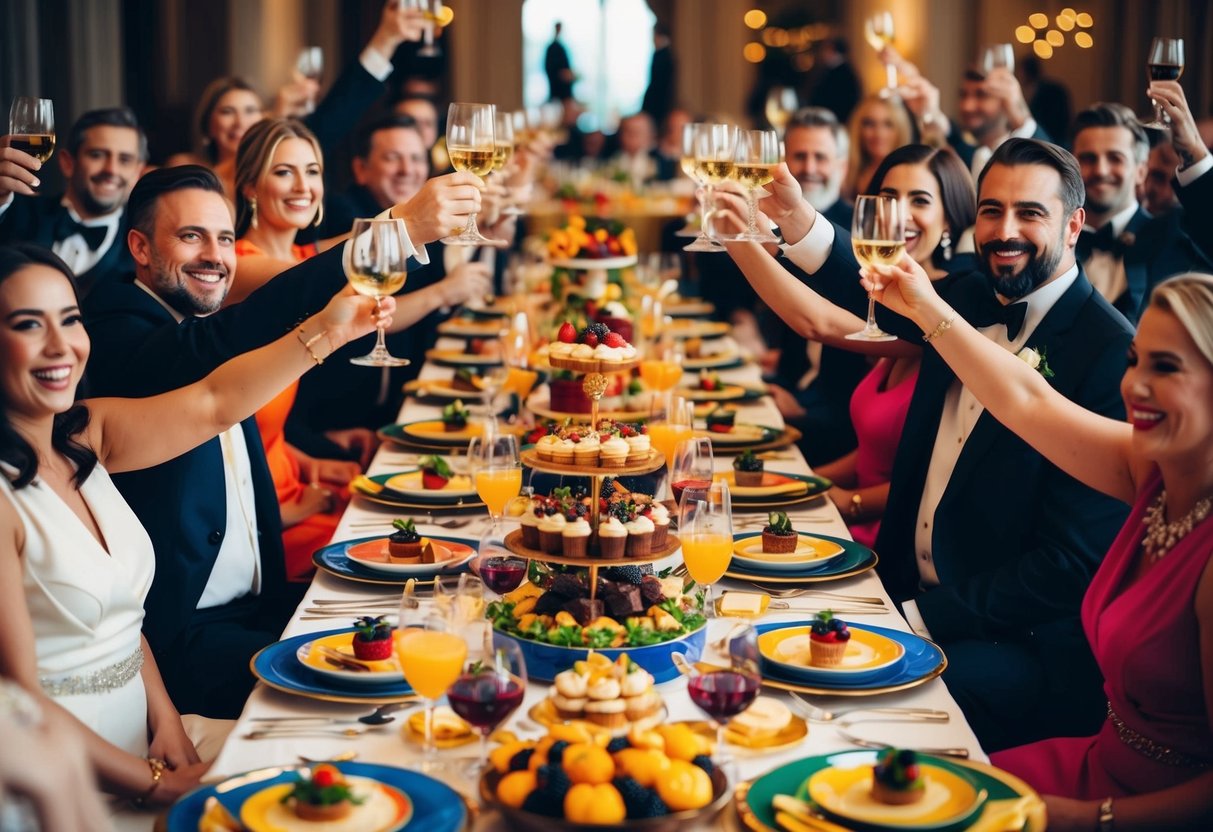
Food plays a vital role in wedding celebrations, shaping not only the event’s atmosphere but also the guests’ experiences. Delicious food and drink can create lasting memories while accommodating various dietary needs ensures all guests feel welcome and included.
Creating a Memorable Experience
Choosing the right food can make your wedding unforgettable. Think about how the meals reflect your personality as a couple. You can incorporate favorite dishes, cultural foods, or even family recipes.
Consider a buffet, plated meals, or food stations to keep the vibe lively. Each option can create a different atmosphere. For example, a buffet allows guests to mingle, while plated meals offer elegance.
Don’t forget about drinks! Signature cocktails or a well-curated wine selection can enhance the celebration. Serving delicious food alongside refreshing drinks allows your guests to relax and enjoy the moment.
Accommodating Dietary Restrictions
Today, guests may require various dietary accommodations. Food allergies, vegetarian options, and other restrictions are common. It’s essential to ask about these needs on your RSVP cards.
Make a list of guests with specific dietary requirements. Offer a variety of options such as vegetarian entrées and gluten-free dishes. This way, everyone will find something to enjoy.
Clearly label all dishes at the reception. Use signs for common allergens like nuts, dairy, and gluten. This proactive approach can help prevent any mishaps and show your care for all guests.
Choosing the Right Wedding Menu
Selecting your wedding menu can be exciting but may feel overwhelming. Start by considering the overall theme and setting of your wedding.
Would a classic sit-down dinner suit your style, or would a casual barbecue feel more like you? Think about the season, too. Seasonal ingredients can make dishes taste fresher and more delicious.
Don’t be afraid to mix and match! Choose a few courses that reflect your taste as a couple. You can include a variety of cuisines or styles. Offering options like meat, fish, and vegetarian choices keeps everyone happy.
Planning a menu that excites you and your guests will enhance the celebration and create fond memories for everyone involved.
Selecting the Perfect Catering Style
Choosing the right catering style can shape your wedding experience. It impacts not just the meal but the overall atmosphere of your celebration. Different options suit different preferences and themes, making it essential to explore your choices.
Sit-Down Dinner versus Buffet
A sit-down dinner is a classic choice for weddings. Guests are served plated meals at their tables, creating an elegant atmosphere. This option allows for a personal touch with a tailored menu that reflects your tastes.
On the other hand, a buffet offers more variety. Guests can choose what they’d like to eat and serve themselves. This style encourages mingling and can be more relaxed. It’s also a great way to cater to various dietary preferences.
Both styles have their benefits, so consider your guest list and wedding theme to decide what fits best.
Innovative Wedding Trends
Current wedding catering trends lean towards creativity and personalization. Many couples are opting for unique themes, such as food trucks or elaborate dessert bars. These choices can add a fun and memorable twist to your celebration.
Additionally, seasonal and locally sourced ingredients are becoming popular. They can enhance flavors and support local businesses. Consider incorporating interactive food stations, like live cooking or custom cocktail bars, to engage guests in an enjoyable way.
Each trend can enhance the dining experience and reflect your personality as a couple.
Grazing Tables and Hors D’oeuvres
Grazing tables are a stylish and inviting way to present food. These tables are filled with an assortment of cheeses, meats, fruits, and breads. They encourage guests to snack and socialize throughout the event, making them perfect for a relaxed atmosphere.
Hors d’oeuvres are another great option for cocktail hours or as appetizers. These small bites can be elegantly presented and passed around. This choice keeps guests satisfied as they await the main meal.
Both grazing tables and hors d’oeuvres allow for flexibility. You can select a variety of items to suit your and your guests’ tastes.
Planning Your Wedding Catering
Planning your wedding catering is an exciting part of your big day. You want to make sure every detail is considered, from food tastings to venue logistics and even specialty cocktails. Getting this right will enhance your guests’ experience.
Conducting a Thorough Food Tasting
A food tasting is one of the most enjoyable steps in your catering planning. This is your chance to try different dishes and see what resonates with you and your partner. Schedule tastings with your chosen wedding caterer well in advance.
Focus on flavors, presentation, and portion sizes. Take notes on what you love and what might need tweaking. Don’t hesitate to ask for adjustments based on your preferences. Remember, the tasting is also a great time to discuss dietary restrictions, ensuring all guests feel included.
Considering the Venue and Logistics
When planning your catering, consider the unique aspects of your wedding venue. Some venues come with preferred caterers or have in-house services available. Understanding this can help narrow down your options.
Think about the layout and how the food will be served. Will it be a buffet, plated dinner, or food stations? Each style has its own logistics, including serving times and guest flow. Make sure to discuss these details with your caterer to ensure everything runs smoothly on your big day.
Opting for Specialty Items and Cocktails
Specialty items and cocktails can add a personal touch to your wedding. Think about incorporating dishes that are meaningful to you and your partner. This could be a family recipe or a favorite travel dish.
Don’t forget about cocktails! Offering signature drinks can enhance your theme and guest experience. Work with your caterer to create unique options that match your wedding vibe. You can even discuss fun garnishes and presentations to make those drinks memorable.
Ensuring Guest Comfort and Satisfaction
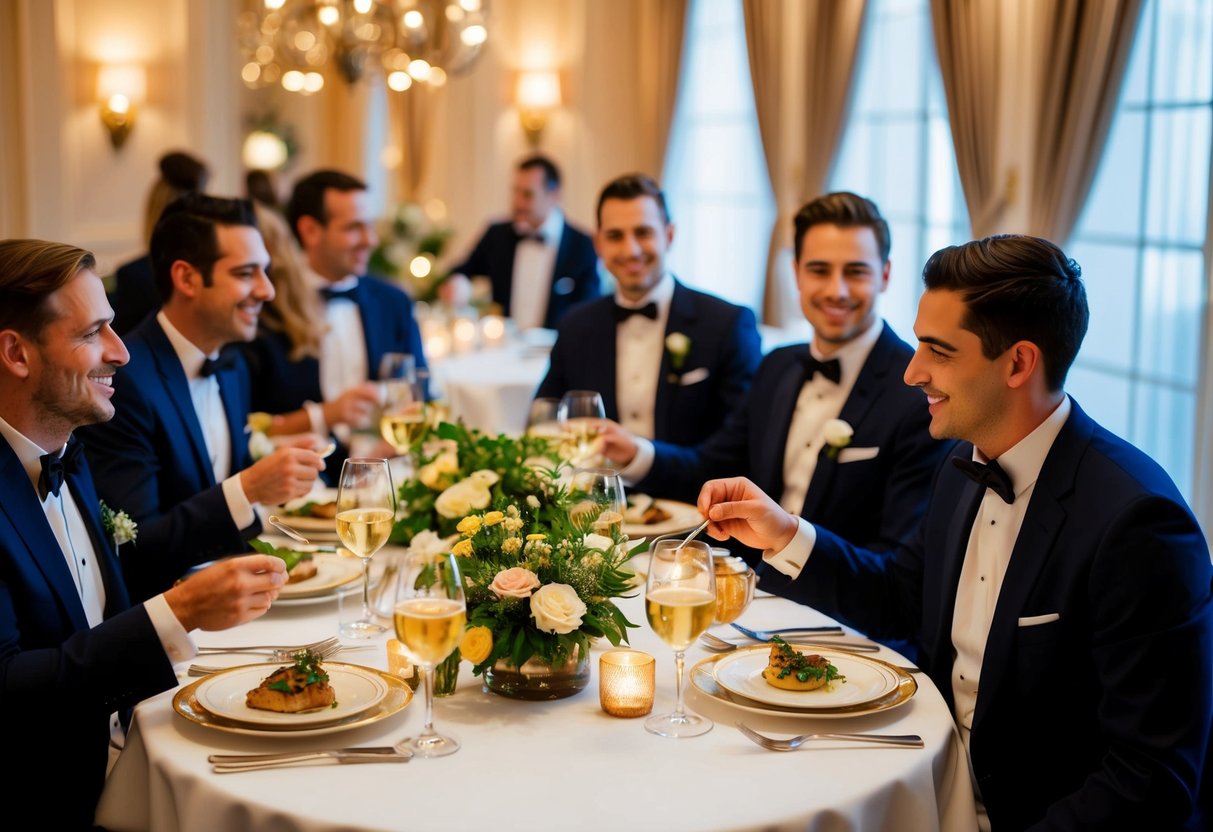
Food plays a key role in keeping your guests happy at your wedding. It’s important to think about their needs, from meal options to managing expectations. When you focus on comfort and satisfaction, everyone will enjoy the day much more.
Managing Guest Expectations
Understanding what your guests expect can help create a great experience. You might want to send out a menu preview with your invitations. This allows guests to know what to expect and helps them manage their cravings.
Also, consider sharing info about the cocktail hour. Letting guests know there will be appetizers to enjoy while waiting for the main meal can keep spirits high. A well-planned timeline can prevent confusion and excitement over when food will be served.
Providing for All, from Kids to Elders
Remember that guests come in all ages. Make sure to offer meals that cater to everyone, including kids and elders. A designated kids’ meal can help little ones enjoy their dining experience. Think chicken tenders or pasta with sauce; these are usually big hits.
For older guests, consider including softer food options that are easy to chew. If your wedding aims to please a wide age range, it’s best to offer a balanced mix. Providing choices means everyone will find something they love.
Avoiding the Perils of an Empty Stomach
An empty stomach can lead to grumpy guests. This is why it’s essential to keep your guests satisfied throughout the day.
Start with a filling cocktail hour featuring tasty appetizers. Items like sliders or charcuterie boards can keep energy levels up before the main meal.
During the reception, ensure that your main meal is substantial. Avoid small portions that leave guests feeling hungry. A full meal will help prevent any crankiness later in the event.
Keeping your guests’ stomachs full will lead to happier faces on your big day!