
Is Having a Wedding Worth It? A Practical Cost-Benefit Guide
A wedding is worth the cost when the celebration reflects your shared priorities and fits your finances without derailing your plans. You can mark your commitment with a large gathering, a small ceremony, or a simple legal wedding; the meaningful choice is the one that suits you both.

If you’re weighing the celebration against the commitment, take time to talk about what marriage means to you as a couple. Set aside a little time together to name your priorities and agree on a comfortable spending limit before you begin booking.
What Makes a Wedding Meaningful?
A wedding feels meaningful when its ceremony and celebration reflect the promises you want to make and the people you want beside you. The details can be formal or relaxed, as long as the day feels right to you.
How Can a Wedding Create Lasting Memories?
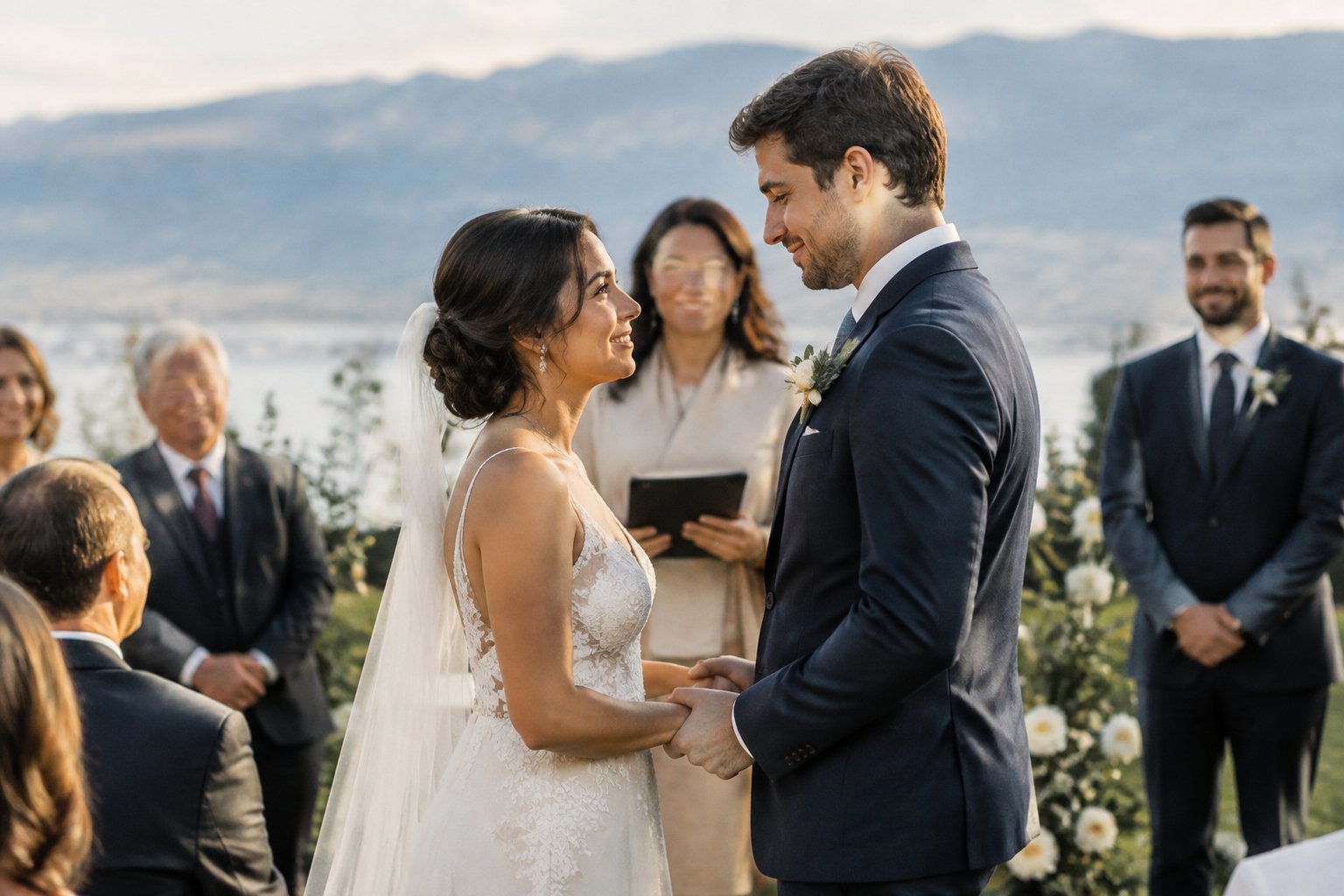
Your wedding can give you a shared milestone to remember through the vows, the ceremony, and the time you spend celebrating. Personal details, such as choosing a meaningful location or writing your own vows, help make the day feel connected to your relationship. If you want words that express your promises, explore ideas for deep, meaningful wedding vows.
A wedding celebration also brings your story into the room with the people who have supported you. You might remember a quiet moment during the ceremony, a favorite song at the reception, or a conversation with someone you rarely see. To decide which elements could make the day memorable for you, consider what makes a wedding special.
Does Celebrating With Family and Friends Matter to You?
Celebrating with loved ones can make your wedding feel like a shared family milestone. If having everyone together is important to you, a reception or group meal gives guests time to offer their support and enjoy the occasion with you.
Think about the guest experience you want. A large gathering lets you invite a wider circle, while a small celebration can leave more time for personal conversations. Your choice can reflect how you like to connect with people, as well as the relationships you most want to honor.
How Much Does a Wedding Really Cost?
Your wedding cost depends on your guest count, location, date, and chosen services, so you can shape the total to fit your finances. A clear wedding budget helps you decide which expenses support the experience you want.
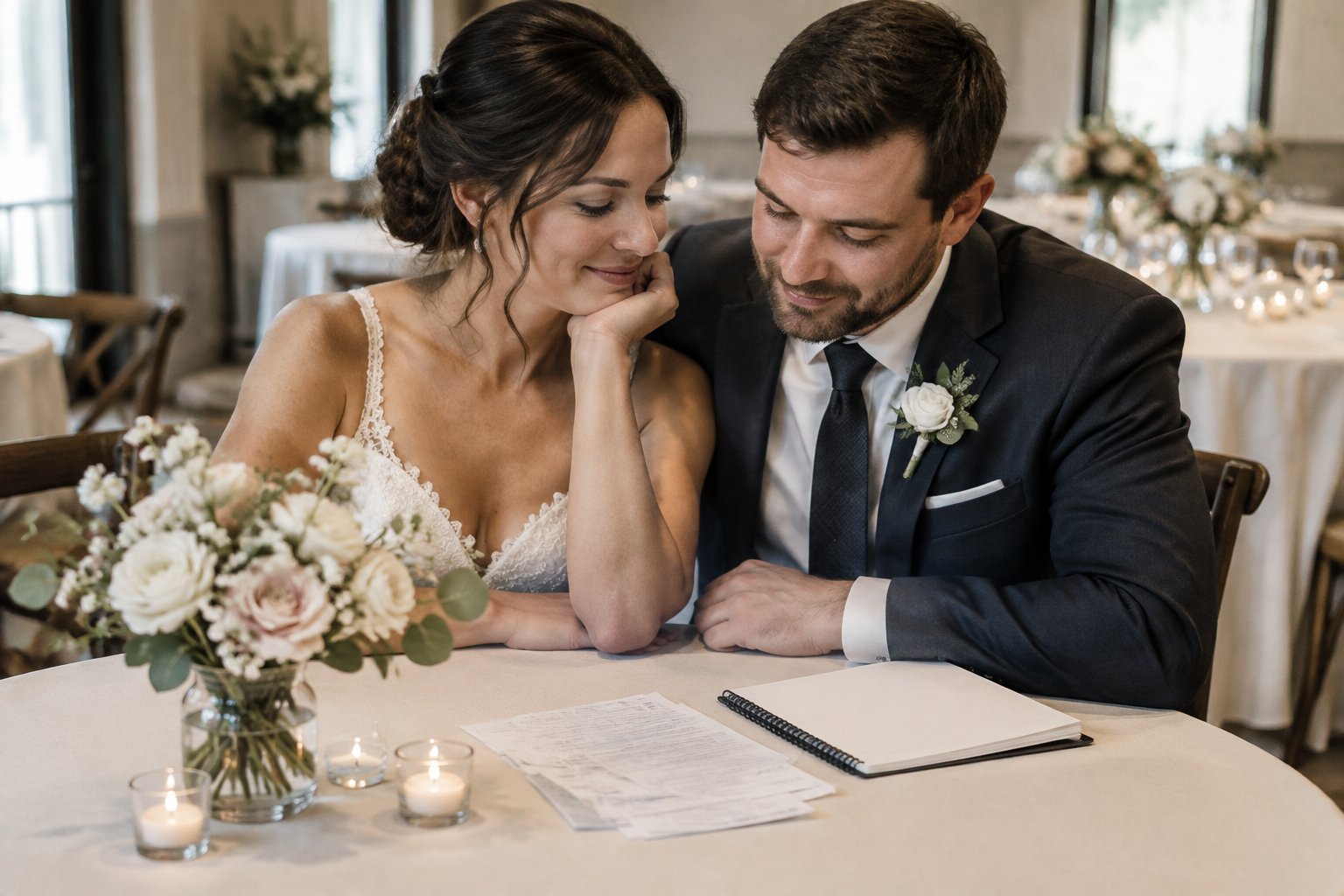
Recent national estimates put the average cost of a wedding in the United States at around $36,000. That figure offers a point of comparison, not a spending target: a small local ceremony may cost far less, while a large event in a high-cost area may run much higher.
What Is the Average Cost of a Wedding?
An average can help you start planning, but it won’t predict your own total. Venue prices, food and drink, and guest count can shift the cost of a wedding quickly. For a closer look at the expenses behind a traditional wedding cost, consider the size and style of the event you have in mind.
Your local quotes give you a more useful planning figure than a national average. Compare costs for your preferred dates and guest count, then set a total you can pay without borrowing or using money reserved for other needs. A realistic wedding budget can help you assign limits to each category before you sign contracts.
Which Expenses Have the Biggest Impact?
The guest list has a strong effect on the total because each guest can add costs for meals, drinks, seating, and space. Venue and catering packages can also take up a large share of your budget. Photography, music, attire, flowers, and decor add to the total according to your choices and local rates.
Ask vendors for complete quotes that show fees, taxes, deposits, and payment dates. Then compare packages by what they include, so you can spot costs that are easy to overlook. If photography is one of your priorities, weigh the price against the keepsakes and coverage you want from the day.
Can You Celebrate Without Taking on Debt?
Yes, you can plan a meaningful wedding at a spending level you can afford. Set your limit before booking, then build the celebration around it. A smaller guest list, a weekday date, a casual meal, or a community space can help lower costs while keeping the parts you care about.
You can also choose a simple ceremony and save for a gathering later. If you want to explore a lower-cost format, review the cheapest wedding options and compare them with your own priorities. Keep a small reserve for unexpected costs, and avoid signing agreements that require spending beyond your limit.
Which Wedding Option Fits Your Priorities?
The best format for you is the one that matches your desired guest experience, travel plans, and budget. Traditional weddings, elopements, courthouse ceremonies, and destination weddings each offer a different balance of scale and planning.

| Format | Guest size | Travel needs | Planning load | Cost range |
|---|---|---|---|---|
| Traditional wedding | Medium to large | Low to moderate | High | Wide |
| Elopement or courthouse wedding | Couple or small group | Low to high | Low to moderate | Low to moderate |
| Destination wedding | Small to medium | High | High | Wide |
What Do Traditional Weddings Offer?
Traditional weddings give you room to include a ceremony, reception, and a broad guest list in one event. You can bring together different parts of your life and include customs that are important to you. A larger event also calls for more coordination, and the guest count can raise venue, food, and drink costs.
You can shape the format around your taste. A backyard meal, a restaurant reception, or a smaller guest list can keep the gathering personal while easing planning and expense.
Is an Elopement or Courthouse Wedding a Better Fit?
An elopement or courthouse wedding suits you if you want a private or low-key ceremony with limited planning. A courthouse ceremony can make the legal part simple; an elopement can add a location or small group of guests that feels special to you. Check local marriage license rules, fees, and witness requirements as you plan.
You can still celebrate with loved ones later. A dinner, picnic, or casual party gives family and friends a chance to mark the occasion without requiring a full wedding-day program.
What Should You Know About Destination Weddings?
A destination wedding combines the ceremony with travel, which can turn the occasion into a longer shared experience. You’ll need to think about travel costs, lodging, local marriage rules, and how easily guests can attend. Be clear with guests about expected expenses and travel dates so they can decide whether the trip works for them.
Your total budget should include the costs you take on as a couple, such as travel and lodging, as well as the event itself. If you’re considering a ceremony outside the United States, weigh the added travel and legal planning involved in getting married abroad.
How Can You Decide What’s Worth Paying For?
You can decide what’s worth paying for by choosing the parts of the day you value and setting spending limits around them. A focused wedding planning process helps you protect those priorities while keeping the full cost within reach.

Which Moments Matter Most to You as a Couple?
Each of you can name a few wedding moments or details you care about most, then compare your lists. You might value a personal ceremony, photos with family, a lively dance floor, or a meal everyone can enjoy. Agree on which items to protect in your budget and where you’re comfortable making simpler choices.
If your lists differ, look for ways to include both people’s priorities. For example, you could keep the ceremony small and host a relaxed gathering later. A written list of wedding planning priorities can help guide choices when plans or prices change.
How Can You Set a Comfortable Spending Limit?
Start with the amount you can pay from savings or planned contributions while keeping your other financial goals on track. List expected income sources, deposits, and due dates, then set category limits for the venue, food, attire, and other major costs. Keep a reserve for expenses you haven’t accounted for yet.
Discuss who will contribute and whether those contributions come with expectations about the event. Put agreements in writing so everyone understands the budget and payment plan. This gives you a clear reference when a vendor offers an upgrade or you consider adding another expense.
Are Social Expectations Influencing Your Plans?
Family traditions and social media can shape your ideas, so check whether each choice feels right for you both. You can appreciate someone else’s wedding style without copying it. Ask yourselves whether you would still want an element if nobody else saw it or expected it.
If family members are contributing money, talk through any guest-list or planning requests before accepting. Clear, kind conversations help you make choices together and avoid surprise obligations.
When Might a Wedding Not Be Worth the Cost?
A wedding may not feel worth the cost when the spending conflicts with your financial needs or the event feels out of step with your preferences. You can honor your commitment with a smaller gathering or a private ceremony while protecting goals you share.
Could the Expense Delay More Important Goals?
Compare your wedding spending with near-term goals such as paying down debt, saving for a home, building an emergency fund, or returning to school. If the event would require borrowing or use money you’ve set aside for an important goal, consider reducing the guest count or choosing a lower-cost format.
You can agree on a maximum amount and revisit it before each major booking. That keeps the choice grounded in your finances and makes it easier to adjust plans as quotes come in.
Would a Smaller Celebration Feel More Like You?
A smaller celebration may fit you better if you prefer time with a close circle or feel uncomfortable with a large event. A courthouse ceremony followed by dinner, an elopement with a few guests, or a private ceremony with a later party can all mark the occasion.
Talk about the parts you want to remember and what you would like to spend your time and money on after the wedding. Then choose a format and budget that feel comfortable to both of you, and share the plan with your guests.