
Is It Bad If the Groom Doesn’t Cry? Understanding Emotional Responses on the Big Day
Many people expect tears of joy as the groom sees his bride walk down the aisle. However, if your groom doesn’t cry, it’s not a bad sign; it doesn’t mean he loves you any less. Emotions show up in different ways, and many grooms express their feelings without shedding tears.
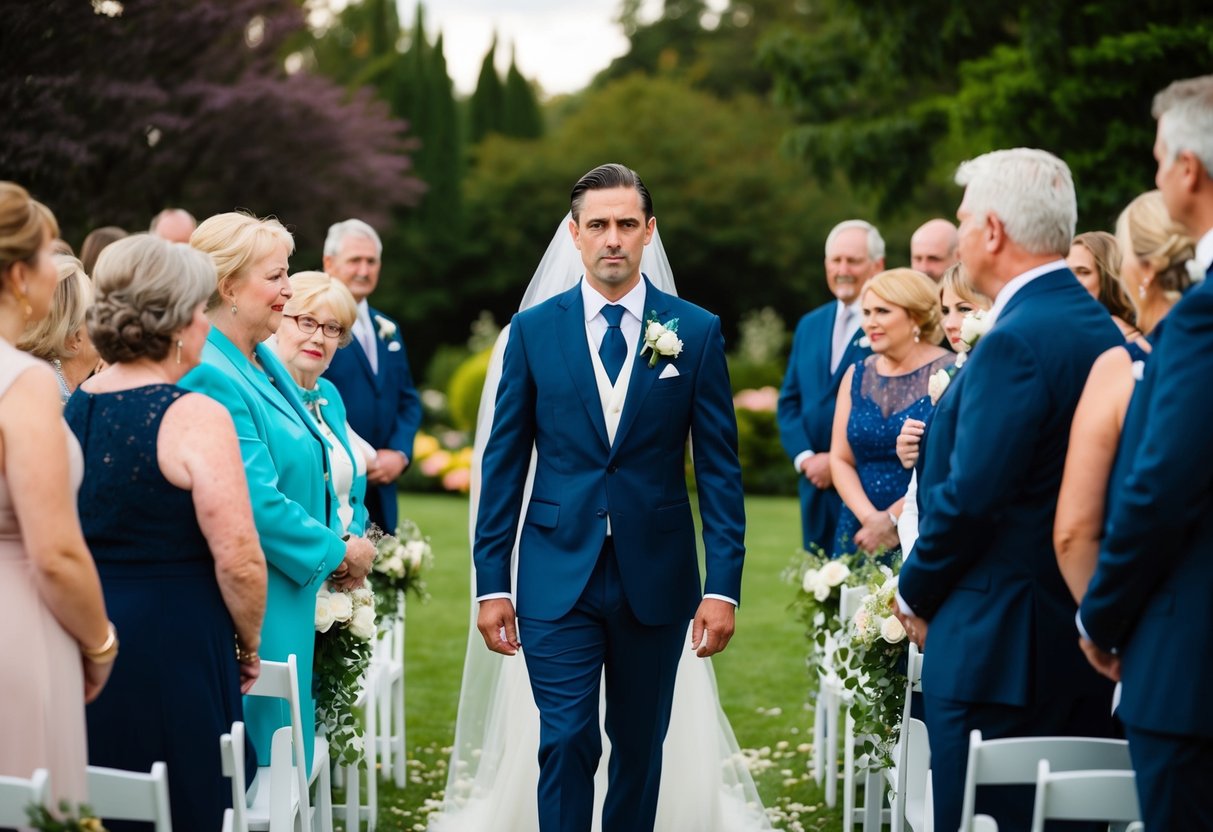
On your wedding day, both partners are under a lot of pressure. The moment can be intense, filled with love and excitement, and a big smile might be just as meaningful as tears. Embracing the variety of emotional responses can help you appreciate the day as it unfolds.
Remember, a wedding is about celebrating your love, and each reaction is unique. Whether your groom sheds tears or beams with joy, the focus should remain on the bond you share. The day is about you both, and finding joy in each other’s expressions makes it special.
Understanding Groom’s Emotions
Grooms experience a wide range of emotions on their wedding day, which can affect how they express their feelings. It’s important to recognize cultural influences and the different ways people show their emotions during such significant moments.
Cultural Expectations and Expression
Different cultures have unique expectations about how grooms should express their feelings, especially emotional moments like weddings. In some cultures, men are expected to show their vulnerability, which may include shedding tears. In others, men might feel pressure to remain composed. This can lead to disappointment if they don’t cry, as many believe this shows deep affection.
Your groom may also struggle with societal norms that discourage emotional expression. Remember that not crying doesn’t mean he isn’t feeling deep love or joy. It might just be his way of handling the moment. Despite cultural views, understanding that emotional responses differ for everyone can help you appreciate his feelings more.
Varieties of Emotional Responses
It’s essential to recognize that emotional responses vary greatly among individuals. Some grooms may cry easily, while others might feel overwhelmed but not shed tears. Factors like personality, background, and even stress levels play a vital role.
Your groom’s emotional state can be influenced by the atmosphere and the song playing during the ceremony. Certain triggers might bring on tears, but others may simply watch with a big smile. Regardless of whether he cries, it’s important to focus on the shared love and joy of the day. Embracing this variety of responses helps create a deeper connection.
Moments of High Emotion
Weddings are filled with powerful emotions, especially for the groom. Specific moments during the ceremony often bring out feelings of joy, love, and happiness that can lead to tears.
First Look and Walking Down the Aisle
The moment you see your bride during the first look can be electrifying. This is often the first time you see her in her wedding dress, and the emotions can hit hard. You might feel overwhelmed by joy or even nervousness as you take in her beauty.
As she walks down the aisle, tears of joy might well up. The sight of her coming towards you, radiant and smiling, emphasizes the love you share. This moment marks the beginning of your lives together, and it’s perfectly normal to feel moved.
Exchanging Vows and Rings
Exchanging vows is another deeply emotional moment. As you express your love and commitment, the significance of your words can make you feel vulnerable yet powerful. You’re declaring your promises in front of friends and family, reminding yourself of the bond you share.
When you place the ring on her finger, that act symbolizes your love and devotion. These moments filled with love and sincerity can cause emotional reactions, whether tears or smiles. Embrace whatever feelings arise during this beautiful ceremony.
The Significance of Tears
Tears on a wedding day can carry deep meaning. They may express a range of emotions, from joy to empathy. Understanding their significance can help you appreciate these moments more fully.
Tears as a Symbol of Connection
When a groom sheds tears during the ceremony, it often shows a strong emotional bond with his bride. These tears reflect the depth of their commitment to each other.
This emotional moment can signify joy, love, and the weight of the journey they’ve taken together. It’s a physical reaction to a meaningful experience, highlighting the connection between the couple and their families.
While not every groom cries, those who do may feel a surge of gratitude for their partner and the support from their loved ones. Such tears can also reinforce the importance of their shared promise.
Comfort and Support from Loved Ones
Weddings are significant events not only for the couple but also for their families. When tears are present, they can foster comfort and support among family members.
You might notice that guests share this emotional moment, feeling connected to the love story unfolding before them. This shared experience can strengthen family bonds, bringing everyone closer together.
For some, it may feel joyful and comforting to witness these tears. It reminds everyone of the love that surrounds the bride and groom. While tears may not come from everyone, their presence can enhance the atmosphere and deepen the emotional resonance of the day.
Navigating Pre-Wedding Emotions
Experiencing a range of emotions before your wedding day is normal. Managing these feelings can help ensure a smooth lead-up to the ceremony, allowing you to focus on the excitement of marrying your partner.
Dealing with Wedding Day Jitters
On the wedding day, feeling nervous is common for grooms. These wedding day jitters often arise from the pressure of the big moment and the expectations surrounding it.
To cope with these feelings, consider practicing mindfulness techniques. Deep breathing exercises can help calm those nerves. It may also be helpful to engage in light activities, like a walk or a workout, to release some tension.
Communicate with your partner the night before the wedding. You might say something encouraging or share your excitement. Simple gestures, like holding hands at the altar, can also ground you and help ease those jitters.
Remember, genuine emotion is part of the day. If you don’t cry, it doesn’t mean you don’t feel deeply about the moment. Simply being present can be just as meaningful.
The Role of Groomsmen and Family
Your groomsmen and family members play an important role in helping you navigate pre-wedding emotions. Surrounding yourself with a supportive crew can make a big difference. They can provide encouragement and help keep spirits high.
Consider discussing your feelings with them. Sharing your worries can help relieve some of the stress. They might offer insights or simply be there to lend a supportive ear.
On the wedding day, having your friends around can help you focus on the joy of the occasion. Plan activities like a friendly meal or a toast to build excitement. Your guests will appreciate your openness and connection.