
Is It Bad Luck to Sleep with the Bride Before the Wedding? Exploring Superstitions and Traditions
As your wedding day approaches, you might wonder about the traditions and beliefs that surround this special occasion. One common superstition suggests that sleeping with the bride before the wedding could bring bad luck. In many cultures, people believe that couples should spend the night apart to avoid tempting fate and ensure a smooth start to their married life.
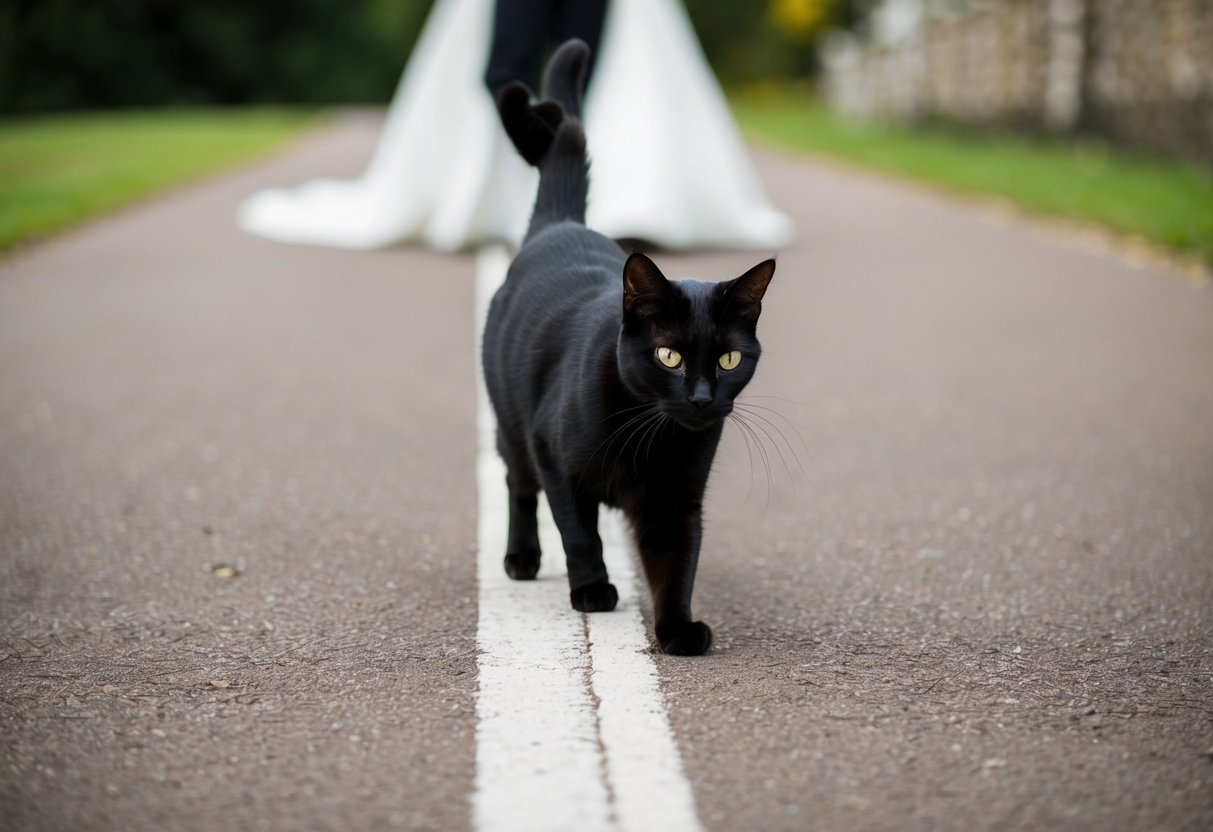
These customs often have deep historical roots and reflect cultural attitudes towards marriage, commitment, and luck. While some may dismiss these superstitions as outdated, they can still influence modern couples’ decisions. Understanding the origins of these beliefs can help you decide what feels right for you and your partner as you prepare for the big day.
Ultimately, whether you choose to follow this tradition is up to you. What matters most is that both you and your partner feel comfortable and happy with your choices on your wedding day.
Origins of the Tradition
The tradition around sleeping with the bride before the wedding stems from historical superstitions and cultural beliefs. These ideas have roots in ancient practices and the norms surrounding arranged marriages. Understanding these origins can help clarify why many still adhere to this custom today.
Historical Superstitions and Beliefs
Throughout history, many cultures held strong beliefs about pre-marital interactions. The night before the wedding was often seen as a time for the bride and groom to remain apart. This separation was thought to protect the couple from bad luck.
People believed that if the groom saw or slept with the bride before the ceremony, it could disrupt the positive energies needed for a successful marriage. This superstition aimed to ensure a happy life together, so couples respected the tradition out of fear of misfortune.
Cultural Beliefs and Arranged Marriages
In many societies, arranged marriages were common. Families wanted to ensure that their children married well, which often meant controlling romantic interactions before the wedding.
By keeping the bride and groom apart until the ceremony, families aimed to maintain the excitement and mystery of the union. This also helped avoid any strong emotional bonds before the official joining, which could complicate family decisions.
These cultural beliefs contributed to the idea that sleeping with the bride before marriage was taboo, linking it to bad luck and the need to honor family expectations.
Modern Perspectives on Pre-Wedding Separation
Deciding whether to sleep apart or together the night before your wedding can depend on personal preferences and the emotional support you and your partner need.
Personal Preferences and Decisions
For many modern couples, the choice about spending the night apart is highly personal. Some believe in the traditional practice that says sleeping separately brings good luck. Others feel that breaking this tradition can symbolize the bond they share.
Discussing this decision together helps you both understand each other’s feelings. Do you want to calm your nerves together, or do you value a moment of solitude? Your relationship’s dynamics play a big role in this choice.
Many couples tailor their wedding experience to fit their unique style. In the end, it’s about what feels right for you.
Comfort and Emotional Support
The night before your wedding can be filled with emotions. If you’re anxious, spending it together might provide the comfort you need. Being close to your partner can help ease tension and create a feeling of safety.
On the flip side, some couples find that a little space allows them to reflect and gather their thoughts. This can be just as beneficial for emotional clarity. It’s important to communicate openly about what you both want.
Implications for the Wedding Day

Deciding whether to sleep together the night before your wedding can affect the wedding day in various ways. You may want to consider how it impacts your first look and the emotional build-up to the ceremony as well as your sleeping arrangements to manage any wedding jitters.
First Look and Anticipation
The first look is a special moment where you see your partner before the ceremony. If you spend the night apart, this moment can be filled with heightened anticipation. It may help both of you feel excited and nervous in a fun way.
While some couples choose to connect the evening before, that distance can create a sense of longing. The emotions tied to seeing each other can make the moment even more magical. Think about what feels right for both of you. Planning this can enhance the joy of your special day.
Sleeping Arrangements and Wedding Jitters
Your sleeping arrangements the night before can significantly influence how you feel on your wedding day. If you sleep separately, you might manage wedding jitters more effectively. This choice can give you both space to relax and get a good night’s rest.
On the other hand, some might find comfort in being together. It can help ease nerves and allow for more intimate moments as you prepare for the big event. Either way, focusing on your comfort and peace of mind can set the right mood for your wedding details and celebrations.
Post-Wedding Considerations
After the wedding, many couples think about their preferences for sleeping arrangements and traditions. You might also consider how these choices affect your honeymoon and future together.
Honeymoon and New Traditions
Your honeymoon is a special time to create new memories together. Many couples choose to start their honeymoon with a romantic getaway. This is where you can relax and enjoy each other’s company. This time away is often a chance to explore different traditions or create your own.
You may prefer to sleep together during your honeymoon. This can symbolize unity and good fortune for your marriage. On the other hand, some couples choose to maintain certain traditions, like sleeping apart for a night. They see this as a fun way to keep the spirit of their wedding customs alive. Whatever you decide, the key is to focus on what feels right for you both.