
Is It Better to Size Up or Down in Wedding Dress? A Guide to Finding Your Perfect Fit
Finding the perfect wedding dress can feel overwhelming, especially when deciding whether to size up or down. Seamstresses can easily take in a dress, so sizing up is usually smarter. Making a dress larger is more challenging.
When you visit a bridal boutique, trying on sample gowns can help you understand how different sizes and styles look on your body.
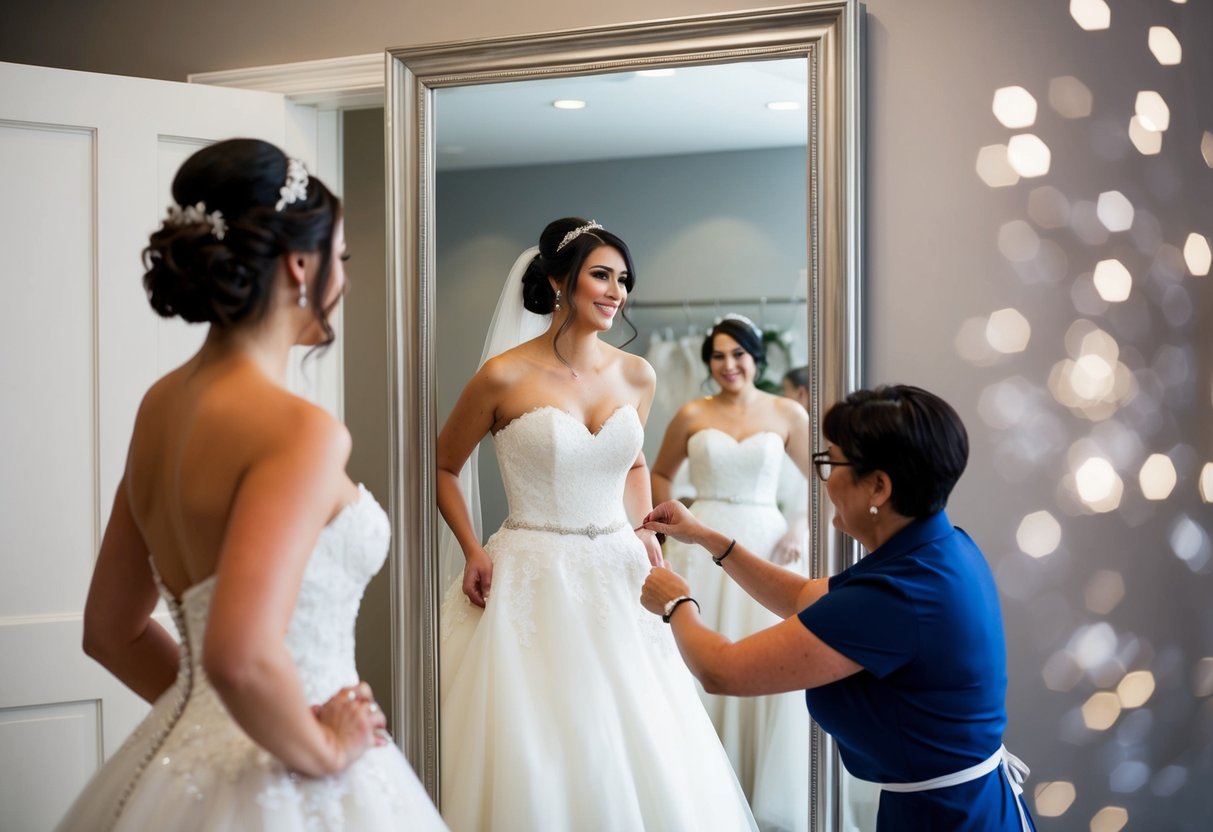
It’s important to think about your body shape and comfort when choosing dress sizes. If a dress fits snugly in certain areas, sizing up may allow more room for adjustments later. Remember, your wedding day is about feeling confident and beautiful, and the right fit plays a key role in that.
As you explore options, don’t hesitate to ask questions at your bridal boutique. The staff can provide insights into how much alteration can be done, helping you make a choice that works best for your unique style and shape.
Understanding Wedding Dress Sizing
Finding the right fit for your wedding dress can be tricky. Understanding how sizing works and the importance of fitting can make the process smoother for you.
The Role of Seam Allowance and Alterations
Seam allowance is the extra fabric at the edges of your dress that can be adjusted. This means when you try on a wedding dress, there is room for alterations to make it fit just right.
When a designer creates a dress, they often include extra fabric in case changes are needed. This is crucial because your body shape might not match standard sizes exactly.
Knowing about seam allowances helps you realize that sizing down can make it harder to alter if the dress is too small. It’s better to have fabric to work with. Ask your consultant about the seam allowance before deciding to size up or down.
Importance of Wedding Dress Fittings
Wedding dress fittings are essential because they ensure that your dress complements your body shape perfectly. During fittings, you can assess how the dress fits and what adjustments are needed.
Early fittings allow you to address any issues, like a too-tight bodice or uneven hem. You may find you need to size up or adjust your choice based on how it feels during the fitting process.
It’s a smart idea to schedule multiple fittings, especially as your wedding day approaches. This allows for any weight changes or shifts in your body shape. Each fitting brings you closer to achieving that flawless look you want on your big day.
Choosing the Right Dress Size
Finding the right wedding dress size is essential for your comfort and confidence. You’ll want to weigh the pros and cons of sizing up or down, depending on your body shape and any planned alterations.
Pros and Cons of Sizing Up
When considering whether to size up, there are some benefits. Going larger can give you a more comfortable fit, especially if you have a larger bust or hips. A looser gown allows for easier alterations, which can create the perfect gown that complements your figure.
On the downside, choosing a larger size might mean more significant adjustments are needed. This may increase alteration costs. If the dress is too big, it could change the overall shape and silhouette, possibly making it less flattering than the original design. Make sure to account for any anticipated wedding weight changes when deciding.
When To Consider Sizing Down
Sizing down might be the right choice for you if you are confident about your current size. A smaller dress can create a sleek silhouette, enhancing your natural shape. It’s important to remember that wedding dresses often run larger than street sizes, so don’t let the numbers discourage you.
However, choosing a smaller size can lead to discomfort. Too tight a fit can restrict movement and affect your confidence on your big day. If you want to wear specific undergarments, consider if they’ll fit under a snug dress. Always consult with your bridal consultant, who can offer tailored advice based on the gown’s design and your body type.
Navigating Alterations and Customizations
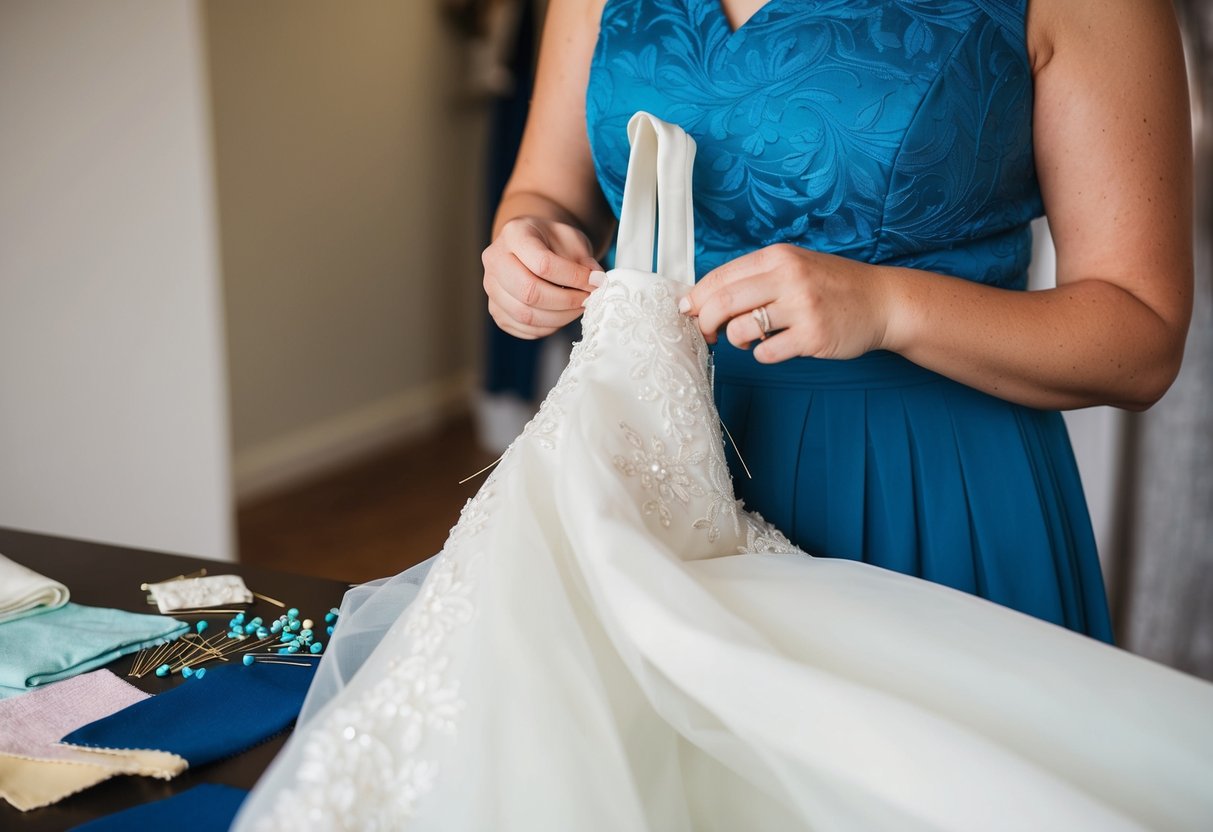
Getting your wedding dress to fit perfectly involves working closely with professional seamstresses and thinking about possible design changes. Understanding these points can help you make informed decisions about your dress alterations.
Working with Professional Seamstresses
When seeking alterations, it’s vital to collaborate with experienced seamstresses who specialize in bridal alterations. These professionals have the knowledge to assess your dress’s fit and identify what changes are necessary.
Make sure to schedule your fittings well in advance. Ideally, you should have your dress ready at least six weeks before your wedding day. This allows enough time for adjustments.
During your fittings, communicate openly about any concerns you have. Whether it’s about the straps, bodice, or overall style, your seamstress can offer valuable insights. Trust their expertise—they understand how to make your gown not just fit, but also look stunning.
Considering Design Changes and Basic Hemming
Beyond basic alterations, you might want to explore some design changes. Adding elements like lace or beading can enhance the look of your dress.
If you are considering these customizations, discuss them during your initial consultation. Some changes may influence the overall cost and timeline.
Basic hemming is another crucial aspect of alterations. This ensures your dress falls perfectly at your desired length. A well-hemmed formal gown should skim the floor without dragging.
Just remember, whether you are modifying the neckline or adjusting the train, working collaboratively with your seamstress will help you achieve a beautiful result tailored to your style.
Final Touches Before the Big Day
As your wedding day approaches, focusing on the final touches for your dress is essential. This includes selecting the right undergarments and accessories to enhance your gown, as well as deciding how to add a bustle for convenience and style.
Selecting Undergarments and Accessories
Choosing the right undergarments can significantly affect how your wedding dress fits and looks. Consider a seamless bra that offers support without showing under the straps.
- Shapewear: If your dress is fitted, invest in quality shapewear to provide a smooth silhouette.
- Lace details: If your gown features lace, opt for undergarments that complement it without visible lines.
When it comes to accessories, don’t forget the importance of adding a veil, jewelry, or a belt that matches your gown’s style. These elements will complete your overall look and make you feel stunning on your big day.
Adding a Bustle to Your Gown
Adding a bustle is a practical yet stylish choice for your wedding dress. It allows you to hook up the train after the ceremony, making it easier to move and dance.
- Types of bustles: Various bustle styles, like the French or American bustle, are available. Choose based on the style of your dress and the train length.
- Consult your seamstress: Discuss how best to add a bustle with your seamstress during your fittings.
A well-executed bustle not only simplifies your movement but can enhance the beauty of your gown, allowing the lace and details to shine even brighter as you celebrate.