
Is It Cheaper to Buy Fake Flowers or Real Flowers for Your Wedding? A Cost Comparison Guide
When planning your wedding, one of the key choices you’ll face involves your floral arrangements. Choosing between real flowers and fake flowers often comes down to your budget and personal preference.
Real flowers can bring a lovely scent and natural beauty, but they typically come with a higher price tag, especially during peak wedding seasons. In contrast, fake flowers can be more affordable options, allowing you to save money while still achieving a beautiful look.
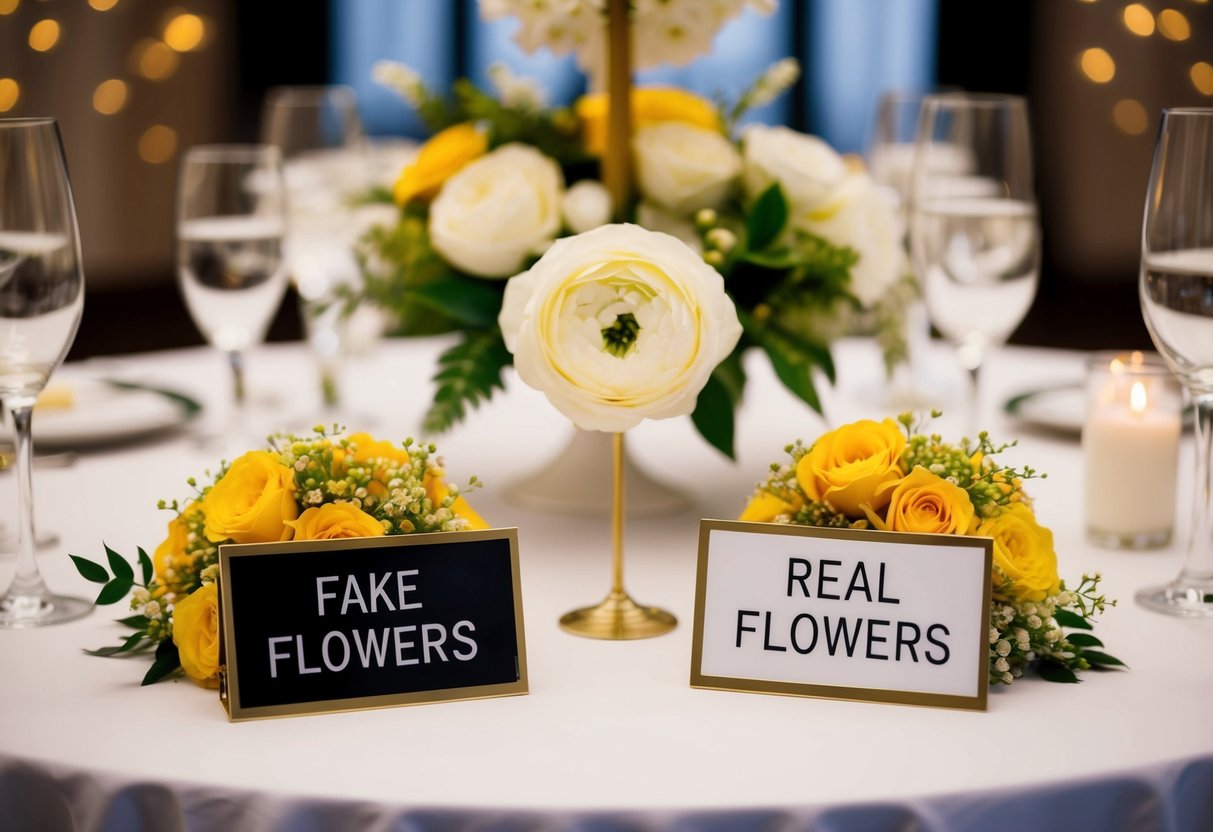
You might feel unsure about the quality or appearance of fake flowers. Many modern fake flowers can look surprisingly realistic and cost much less than their real counterparts. However, consider how each option aligns with your vision for your special day. With the right approach, you can find a solution that suits your budget and taste, whether that means using real or fake wedding flowers.
As you explore your options, keep in mind the benefits and drawbacks of both types. From cost-effectiveness to personal sentiment, your choice will shape the overall feel of your wedding.
Comparing Costs of Real vs. Fake Wedding Flowers
When planning your wedding, costs can add up quickly. Understanding the differences in price between real and fake flowers is essential for keeping your budget in check. Let’s break down the costs associated with each option.
Initial Purchase Price
The initial purchase price is a significant factor when choosing between real and fake wedding flowers.
Real wedding flowers can be pricey, averaging between $700 and $2500. The price often depends on the type of flowers and their seasonal availability. For example, peonies and orchids may cost more than daisies or roses. According to experts, most couples spend about $2,400 on fresh flowers for their big day.
On the other hand, fake wedding flowers usually range from $500 to $1000. This lower price tag makes artificial flowers a tempting choice for budget-conscious couples. Additionally, they can be customized to fit your theme perfectly, offering a unique element you might not find in fresh blooms.
Long-Term Savings
Considering long-term savings is also essential in your decision-making process.
Real flowers are beautiful but perish quickly. Once the wedding is over, they have little to no resale value. You’ll need to buy flowers again for any future occasion, adding to your costs.
In contrast, fake flowers can be reused. After your wedding, you might enjoy them as home decor or even present them as gifts. You can also find dried flower decor options that are long-lasting and equally stunning.
Additionally, renting bouquets and centerpieces is growing in popularity. This option can set you back a few hundred dollars but allows you to use beautiful arrangements without the commitment. Overall, fake flowers can offer a cost-effective option when considering future expenses.
Aesthetics and Quality Considerations
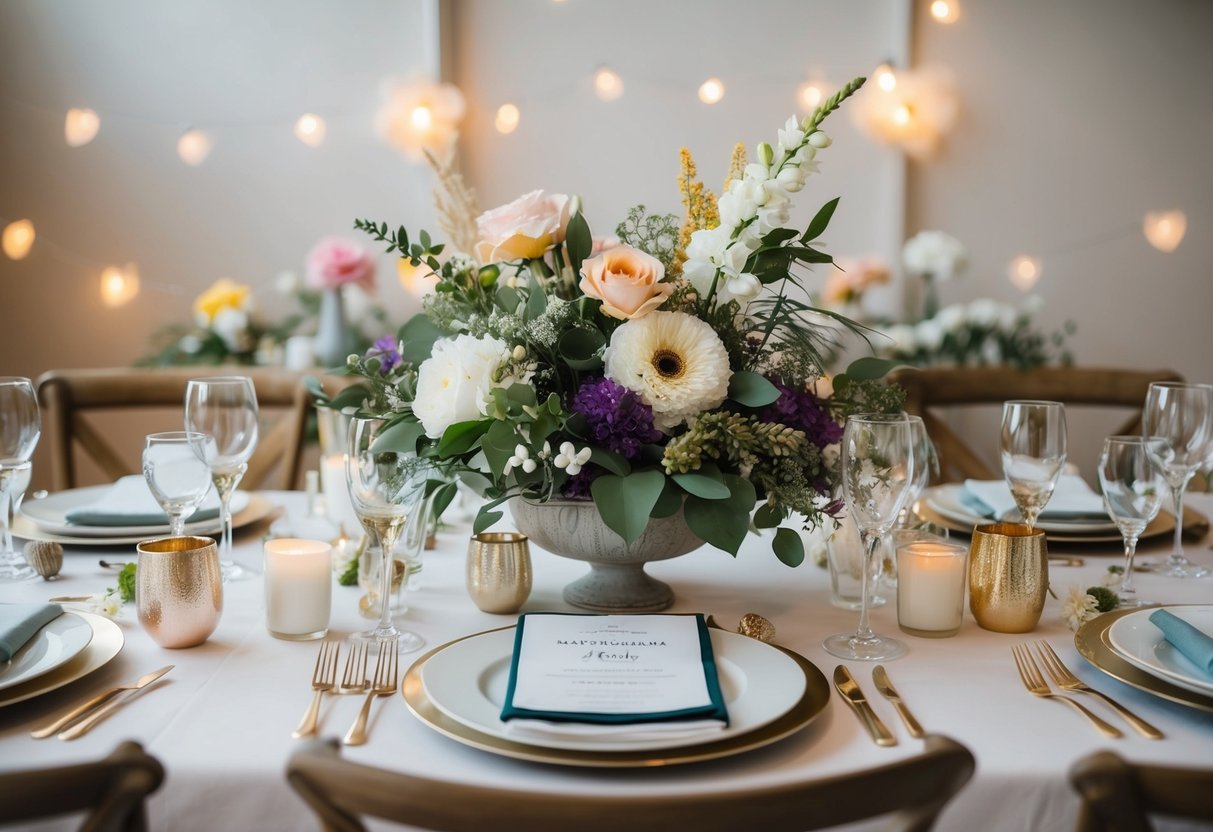
When choosing between fake flowers and real flowers for your wedding, aesthetics and quality are key factors. You want arrangements that complement your theme while also fitting your budget. This section will explore how visual appeal and tactile experience can influence your decision.
Visual Appeal
The visual impact of your floral arrangements is crucial. Real flowers offer stunning, natural beauty that can enhance any setting. Their colors are vibrant, and their shapes are unique. However, high-quality fake flowers can also look impressive, especially if you choose options like silk flowers or wax-coated flowers. These types can mimic the look of real blooms quite well.
Keep in mind that cheaper artificial options might not achieve the same visual quality and can even look plastic. Selecting high-quality fake flowers ensures a more realistic appearance. When arranged thoughtfully, they can be just as beautiful as fresh flowers without wilting or needing water.
Tactile Experience
When it comes to the tactile experience, real flowers can’t be beaten. The soft petals and fresh scent create an immersive experience that fake flowers cannot fully replicate. Touching fresh blooms offers a sensory pleasure that adds to the wedding’s atmosphere.
On the other hand, high-quality artificial wedding flowers can feel surprisingly real. Options like silk flowers often have a soft touch, while some high-end faux flowers are made with materials designed to mimic the texture of natural petals. However, cheap silk or plastic flowers may feel less appealing and cheapen the experience. Ultimately, your choice impacts not just how the flowers look, but how they feel as part of your special day.
Environmental and Health Aspects
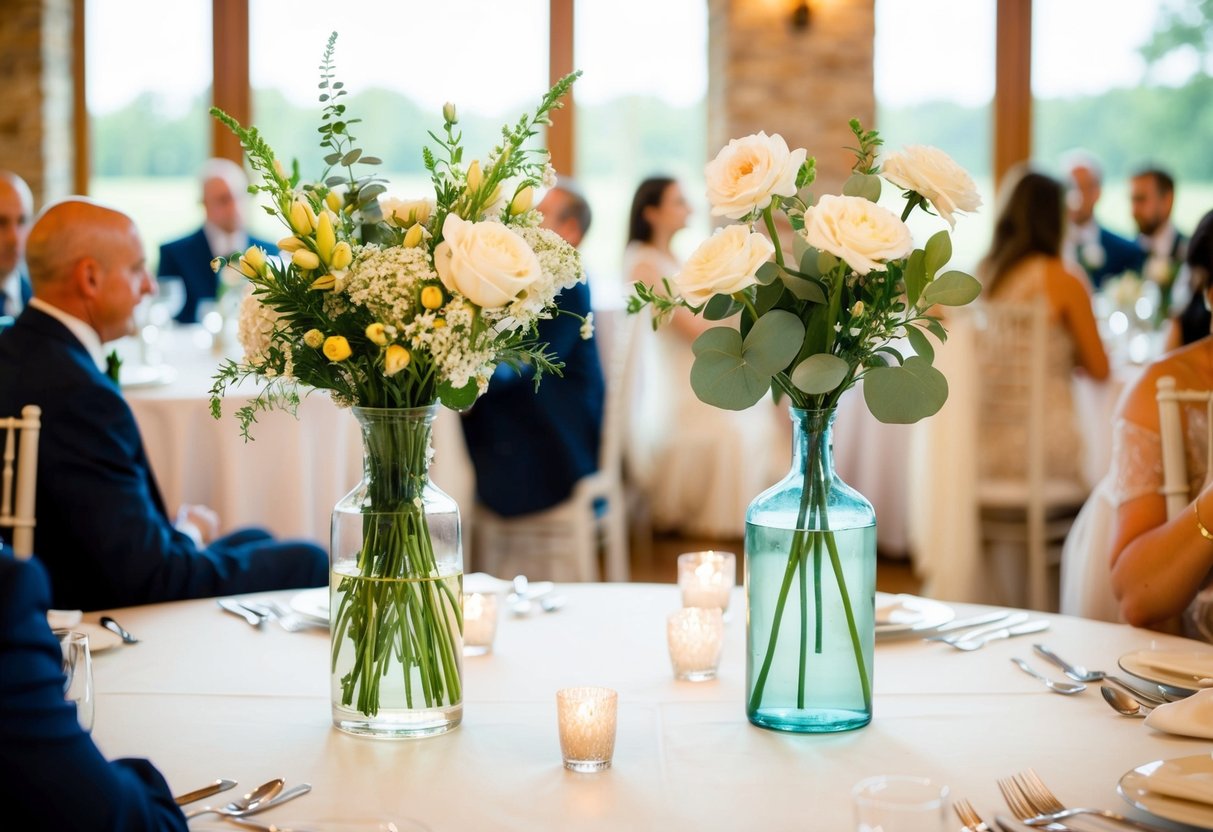
When choosing between real and faux flowers for weddings, it’s important to consider their effects on the environment and your health. Each type has unique attributes that can influence your decision.
Eco-Friendliness
Real flowers are often seen as a natural choice, but their environmental impact can be higher than you think. Growing, transporting, and caring for real flowers requires water, pesticides, and fuel. For example, transporting fresh flowers can generate a significant amount of carbon emissions due to fuel consumption.
On the other hand, faux flowers, often made from silk or plastic, can last for many events, reducing the need for constant replacements. You may also find eco-friendly options made from biodegradable materials, which can lessen their environmental footprint. While they may be less “green” in terms of initial production, the longevity of artificial flowers can make them a more sustainable choice over time.
Allergy Considerations
If you or your guests have allergies, keeping this in mind is crucial. Real flowers can release pollen, which can trigger allergic reactions in some people. Common reactions include sneezing, itchy eyes, and breathing difficulties.
Faux flowers, however, typically do not produce allergens. This makes them a safer choice for individuals with allergies. They’re also easier to clean and maintain since they don’t wilt or decay. If you’re worried about allergies, opt for artificial flowers to create a beautiful display without the sneeze factor.
Wedding Theme and Decor Coordination
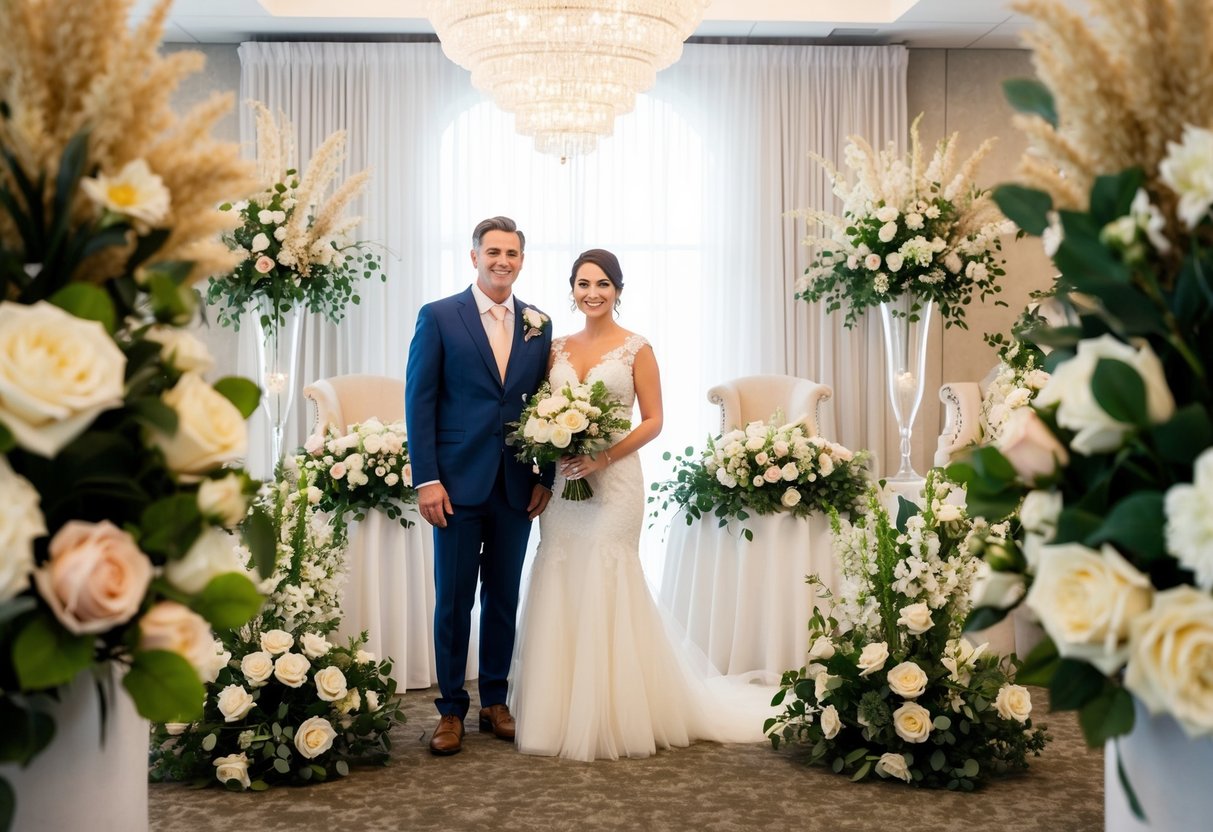
When planning your wedding, it’s key to ensure that your flowers match your theme and decor. This connection enhances the overall look and feel of your wedding. You’ll want to consider how your floral choices blend with your wedding decor to create a harmonious atmosphere.
Matching Your Theme
To begin, think about your wedding theme. Whether it’s rustic, elegant, or whimsical, your flowers should reflect that vision.
For a rustic theme, consider flowers like sunflowers or wildflowers. They can be arranged in mason jars to accentuate your decor. If you lean towards an elegant style, roses and peonies work well. These flowers are classic choices for bridal bouquets and centerpieces.
You should also think about color. Choose blossoms that match your wedding colors. This can create stunning visual appeal. For instance, if your color scheme includes blush and gold, soft pink flowers can beautifully complement your decor.
Decor and Flower Accessories
Accessories play a big role in addition to your main floral arrangements. Think about including corsages and boutonnieres for your wedding party. These small touches tie your floral choices into the overall decor.
Centerpiece arrangements are crucial for your reception tables. You might want to use flowers that echo your bouquet for a cohesive look. If your tables feature rustic wood elements, consider using burlap wraps around centerpieces.
Don’t forget about the additional details that can bring it all together. Adding greenery or candles can enhance the beauty of your flower arrangements. These considerations will create a well-coordinated environment for your special day.