
Is It Cheaper to Make Your Own Flower Bouquet? A Cost Comparison Guide
Making your own flower bouquet can be a fun and rewarding experience. Many couples find that crafting their own arrangements can cut costs by 50 to 60% compared to hiring a professional florist. With a little creativity and the right resources, you can create beautiful floral pieces that suit your style and vision.
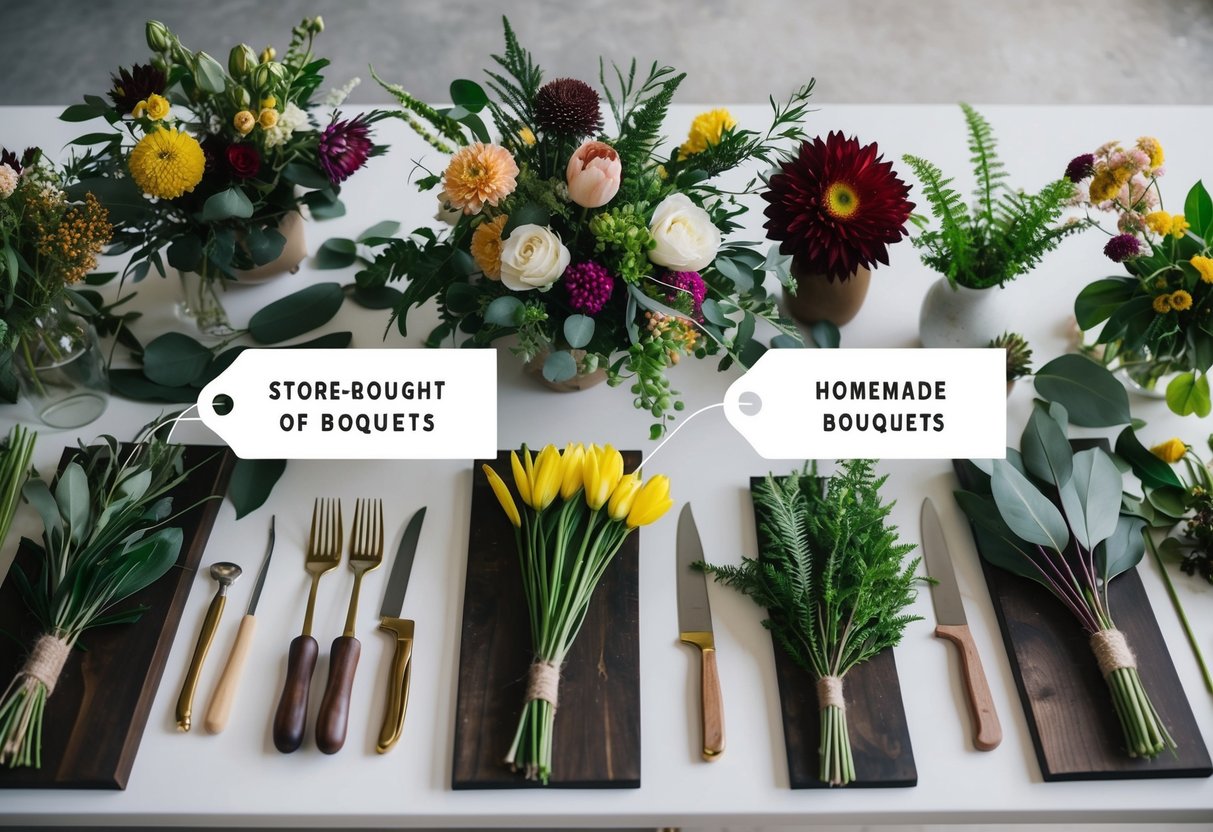
Choosing DIY wedding flowers allows you to personalize your arrangements and have a hands-on role in your special day. You can experiment with different flower combinations and create centerpieces that reflect your taste. Plus, you will have great stories to share about the process with your family and friends.
Assessing the Costs: DIY vs Professional Floristry
When deciding between making your own flower bouquet or hiring a professional florist, it’s important to consider several key factors. You’ll want to look at the average costs, where to buy your flowers, and how much time and effort you’ll need to invest in the DIY approach.
Understanding the Average Cost of Wedding Flowers
The average cost of wedding flowers can range significantly. Typically, couples spend between $1,500 to $5,000 on floral arrangements. This includes bouquets, centerpieces, and ceremony decorations.
If you choose to create your own arrangements, you might spend significantly less. Many find that they can save anywhere from 50% to 60% by opting for DIY. Understanding these costs can help you decide how to allocate your wedding budget effectively.
Cost Comparison: Wholesale and Retail Pricing
Buying flowers at wholesale prices can be a great way to save money. Wholesale flowers are usually sold to businesses, which means they’re cheaper than retail. Stores like Costco or local flower markets often offer bulk flowers for DIY projects.
To give you a clearer picture, here’s a quick comparison of typical costs:
| Item | Wholesale Price | Retail Price |
|---|---|---|
| Roses (per dozen) | $10 – $20 | $30 – $60 |
| Hydrangeas (per bunch) | $15 – $25 | $30 – $50 |
| Greenery (per bunch) | $5 – $15 | $20 – $35 |
By purchasing wholesale, you can control costs better and choose exactly what you want for your floral design.
Investment of Time and Resources for DIY
Creating your own bouquets is not just about saving money. It also requires a significant investment of time and resources. You’ll need to plan your designs, gather supplies like flower food and floral tape, and spend hours arranging flowers.
Arranging flowers can be time-consuming, especially for a wedding. It’s essential to factor in the time spent shopping, preparing, and designing each bouquet. If you feel rushed or overwhelmed, hiring a florist might be the better option. Assess your comfort level with floral design before committing to a DIY project.
The Elements of a Bouquet
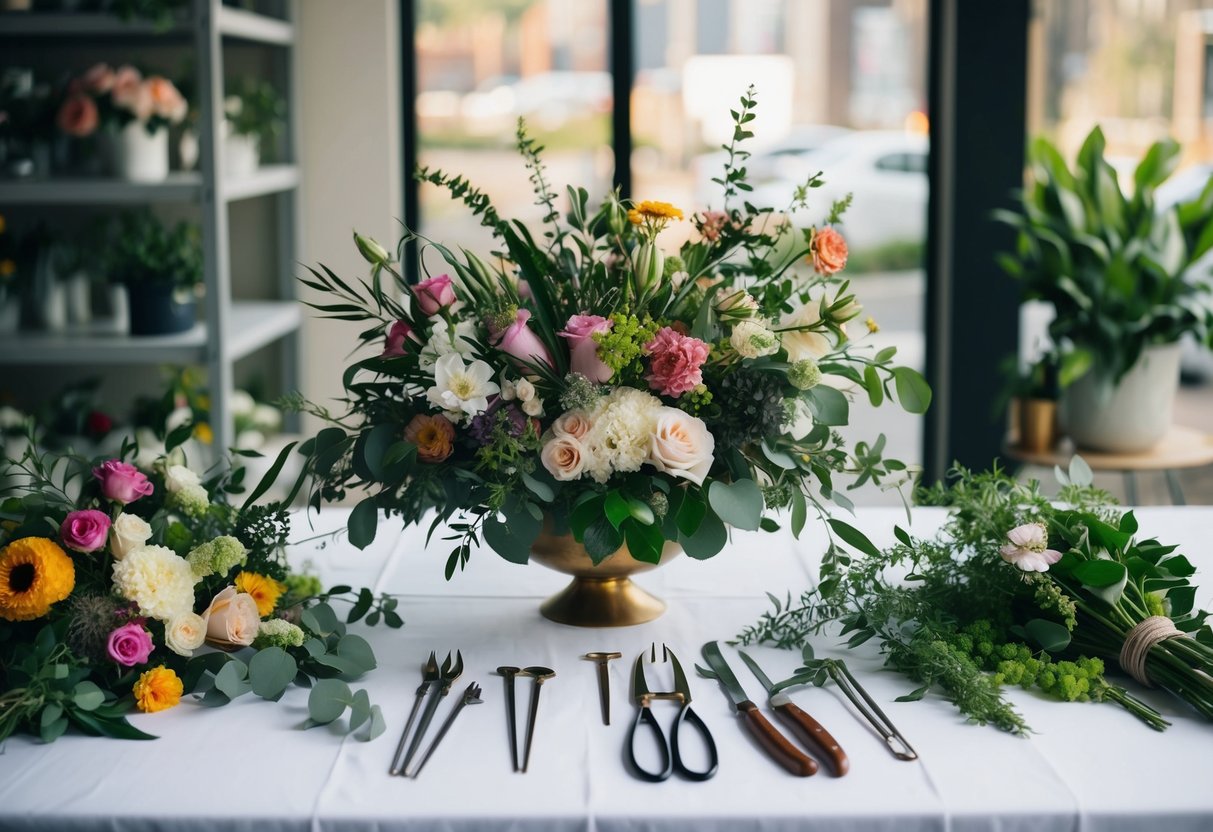
Creating the Perfect Bouquet
Creating the perfect bouquet involves careful selection of flowers, greenery, and design principles. Each element contributes to the beauty and joy of your floral arrangement, making your bouquet a unique reflection of your style.
Choosing the Right Flowers
When selecting flowers for your bouquet, think about focal flowers that catch the eye. Popular choices include roses, peonies, and dahlias.
Consider using seasonal flowers as they tend to be less expensive and more vibrant. You can often find beautiful blooms at local markets or shops that offer wholesale prices.
Also, mix in some inexpensive flowers, like daisies or carnations, to balance costs while adding depth. Thinking about your color scheme will help you pull everything together harmoniously.
Utilizing Greenery and Foliage
Adding greenery and foliage enhances your bouquet’s texture and adds a fresh look. You can use eucalyptus, ferns, or ivy to create a lush foundation.
Greenery fills out the bouquet and gives it a natural feel. Plus, they are often more affordable than flowers.
Incorporating different shades of green will add dimension. Don’t hesitate to experiment with varying leaf shapes to create a visually interesting arrangement.
Incorporating Floral Design Principles
Understanding basic floral design principles will elevate your bouquet. Start with balance, ensuring that your design feels even and stable.
Asymmetrical or symmetrical arrangements can change the bouquet’s overall impact. Keep in mind the scale, making sure your bouquet complements your wedding attire and style.
Lastly, consider the rhythm and flow of your flowers. You can achieve this by strategically placing your focal flowers with smaller blooms and greenery to create movement in your bouquet.
Step-by-Step Guide to Crafting Your Bouquet
Creating your own bouquet can be a rewarding experience. With the right steps, you can select fresh flowers and arrange them beautifully. Here’s how you can craft a stunning DIY bridal bouquet.
Selecting and Conditioning Flowers
Start by choosing fresh flowers. Visit a local florist or farmers’ market for the best selection. Look for blooms that are vibrant and free from bruises.
Once you’ve selected your flowers, it’s important to prepare them. Trim the stems at an angle under running water to allow for better water absorption. Remove any leaves that will sit below the waterline to prevent bacteria growth.
After trimming, place the flowers in water and let them hydrate for at least an hour. This step is key for a longer-lasting bouquet. Consider mixing flower types for variety, but keep a harmonious color scheme to enhance your overall design.
Arranging Techniques and Floral Tape Use
When it’s time to arrange, gather your prepared flowers. Start by grouping larger flowers in the center and adding smaller blooms around them. This provides depth and creates visual interest.
As you work, frequently step back and assess your arrangement. This helps you ensure the bouquet looks balanced. Use floral tape to secure the stems together, which will keep them stable as you wrap the bouquet.
Wrap the stems tightly and trim them to your desired length. Make sure the finish looks neat and is easy to hold. Once secured, the floral tape allows you to add embellishments like ribbons or lace easily.
Adding Personal Touches to Your Bridal Bouquet
Personalizing your bouquet can make it truly special. Consider incorporating elements that reflect your style. For instance, add charms or small family heirlooms to the ribbon for a sentimental touch.
You might also include dried flowers or greenery to create texture. If you love a certain color, think about adding seasonal flowers or even berries to enhance your bouquet’s appearance.
Remember, it’s your creation! Experiment with different styles until you find the perfect fit for your wedding day. Embrace your creativity and have fun while crafting your DIY wedding bouquet.
Integrating Your Bouquet with the Wedding Theme
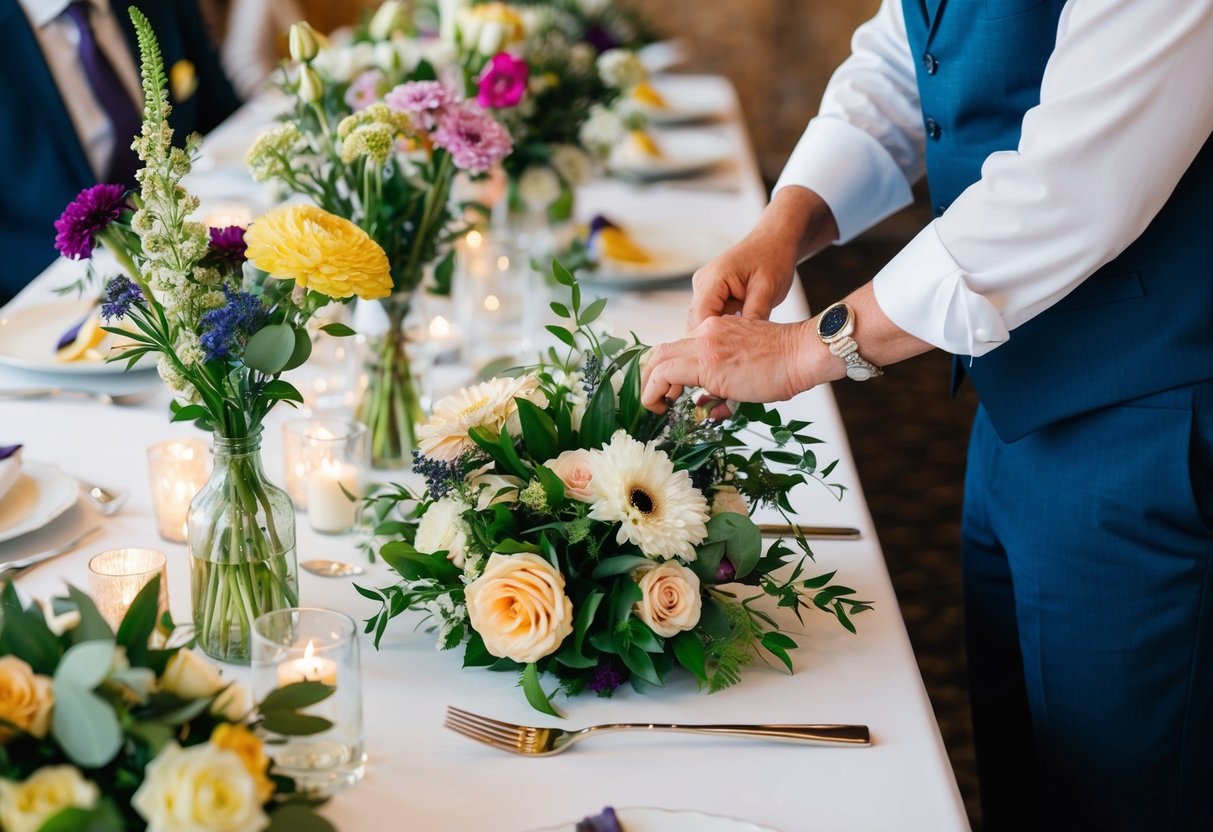
Your wedding bouquet should reflect your unique style and blend seamlessly with your wedding theme. Choosing the right flowers and colors can make a significant impact on the overall look of your special day.
Matching Flowers to Your Wedding Decor
When selecting flowers for your bouquet, consider the colors and style present in your wedding decor. Look at your centerpieces, table settings, and other floral arrangements. It’s helpful to create a color palette that ties everything together.
Choose flowers that match these colors. For instance, if your decor features soft pastels, select blooms in similar shades. If your theme is more vibrant, opt for bold flowers. Using a mix of flowers can add depth and variety.
Also, think about the types of flowers that fit your theme. For a rustic wedding, wildflowers may be ideal. A classic theme could benefit from roses or peonies. This connection enhances the beauty of your bouquet and keeps your wedding planning budget-friendly.
Creating Cohesive Aesthetic and Atmosphere
Your wedding bouquet should contribute to the overall atmosphere you want to create. Whether you want a romantic, whimsical, or formal look, the bouquet should reflect that mood.
For a romantic look, delicate blooms like gardenias or baby’s breath can be incorporated. Meanwhile, colorful flowers with interesting shapes can bring joy to your arrangements if you want something playful.
Think about the shape and size of your bouquet, too. A lush, cascading bouquet can evoke a more dramatic feel, while a simple, round bouquet creates a more minimalist look.
Remember, your bouquet should complement not only your dress but also the venue and overall vibe of your wedding. This thoughtfulness will unify your wedding’s aesthetic and enhance the experience for you and your guests.