
Is it Common to Say No Kids at a Wedding? Understanding This Growing Trend
Planning your wedding can be a thrilling yet challenging time. One question you might be asking yourself is whether it’s common to say no kids at a wedding. In recent years, many couples have chosen to host adults-only weddings to create a more relaxed atmosphere for their guests. This decision often stems from the desire for a more sophisticated event where adult conversations and celebrations can flourish.
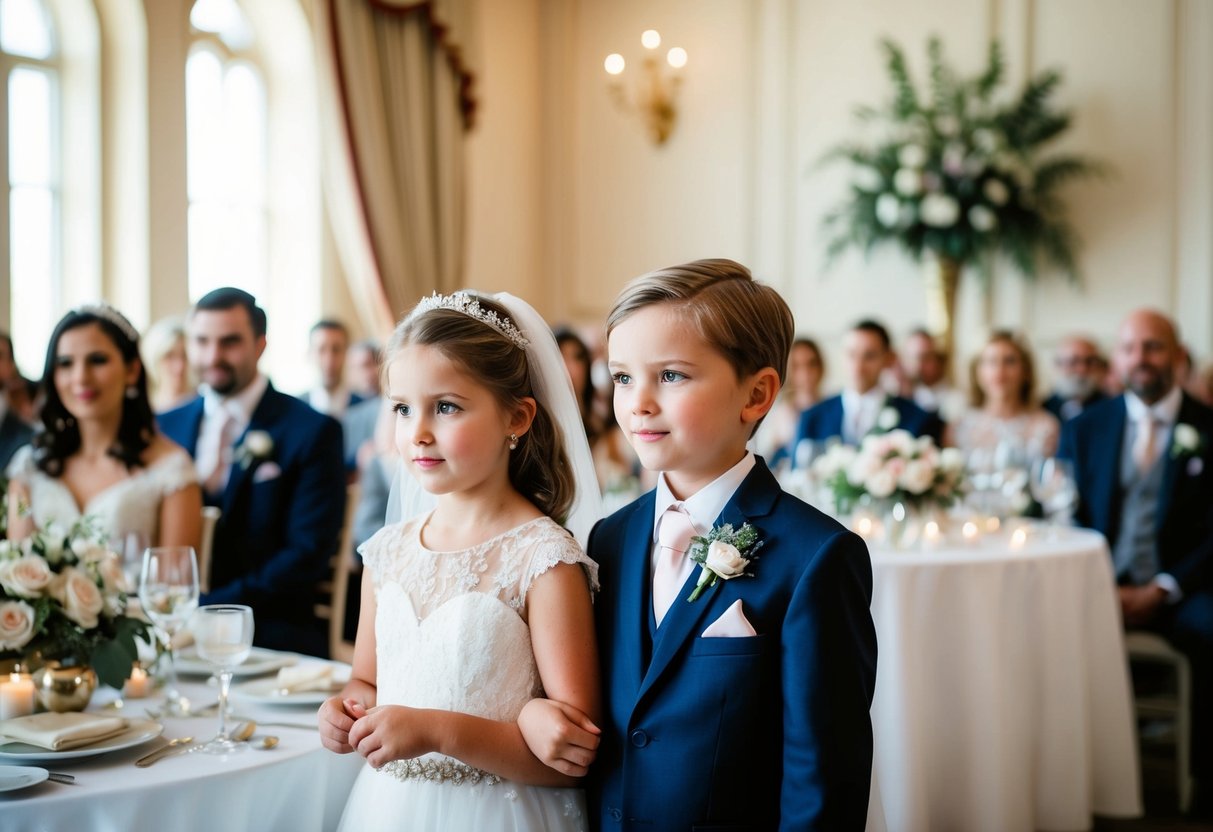
If you’re considering an adults-only wedding, you’re not alone. Many couples believe this choice allows them to focus on their celebration without the distractions that can come with children. While it might lead to some mixed reactions from guests, it can also ensure a night of enjoyment and freedom for everyone involved.
Navigating the no-kids wedding topic can feel daunting, but with the right approach, you can communicate your wishes politely and effectively.
Read on to explore how to make this decision work for you and your special day.
Understanding Adults-Only Weddings

Choosing an adults-only wedding can be a big decision. It affects your guest list and can change the feel of your celebration. Here’s a closer look at why more couples are opting for this style and what factors might be influencing their choice.
The Rise of Child-Free Celebrations
In recent years, child-free weddings have become increasingly popular. Many couples desire a stress-free environment without the distractions that come when kids are present.
This trend allows for a more relaxed atmosphere where guests can enjoy themselves fully. You might find that your friends and family appreciate the chance to let loose without worrying about their little ones.
More couples today value the chance to celebrate fully with adult friends and family. This shift is changing how many view weddings, making them spaces for adult connection and fun.
Reasons for a No-Kids Wedding
There are several reasons you might decide on a no-kids wedding. One common reason is to create a certain atmosphere. Adults can engage in conversations and enjoy the celebration without interruptions.
You may also want to keep the focus on the couple during the event. Having a child-free environment can lead to a more intimate experience. Families can still celebrate, just in a different setting.
Some couples also face challenges with logistics. Finding childcare can be tough when many guests travel for weddings. Consider your guests’ circumstances, especially those coming from out of town.
Venue Restrictions and Budget Concerns
When planning an adults-only wedding, venue restrictions often play a role. Some locations simply cannot accommodate children, while others may charge extra fees for additional guests.
You might also have budget constraints to consider. Weddings can be expensive, and each additional guest adds to the cost. An adults-only celebration can help you stick to your budget by keeping the guest list smaller.
Having fewer guests can allow you to invest more in other areas, like catering or decor. This way, you can create a memorable experience while managing costs effectively.
Communication and Etiquette

When planning a child-free wedding, clear and considerate communication is essential. You want your guests to understand your choices while feeling respected and valued. Here are key points to consider when sharing your preference for no kids at your celebration.
Invitation Wording and Clarity
Your wedding invitations are the perfect place to communicate your wishes about children. Use direct but polite wording. Phrases like “We kindly request no children” or “Adult guests only” set the right tone.
Be sure to include this information on your RSVP card so guests are reminded as they respond. If you’re inviting guests with children, mention it gently during your conversations or in a separate note. Clear communication helps avoid any confusion.
Handling Sensitive Conversations
Telling someone you prefer a child-free wedding can be a sensitive issue. When addressing this with guests, approach the conversation with kindness. Allow them to express their feelings and show that you truly appreciate their understanding.
If a close friend or family member raises concerns, calmly explain your reasoning. You can say, “We love your kids, but we want to create a different atmosphere for our day.” This shows respect and keeps the conversation positive.
Etiquette Tips for the Couple and Guests
Practice good wedding etiquette by being respectful in your communication. As a couple, remember to provide advance notice about your decision. Ideally, share this information at least 6-8 weeks before the wedding.
Guests should reply promptly to RSVPs, respecting your choice. If they still decide to bring children despite your request, handle it with grace. Consider how the situation could affect your day and communicate any concerns to them privately.
Planning and Logistics

When planning your wedding, especially if you choose to say no kids, you’ll need to consider various logistics. This includes how to manage your wedding party, potential childcare options, and being prepared for last-minute changes. Each element plays a key role in ensuring your day goes smoothly.
Coordinating Wedding Party Roles
Involve your wedding party members early in the planning process. Assign specific roles that will help manage guests, especially if kids are not invited. For instance, designate responsible individuals to communicate your no-kids policy clearly to attendees.
Consider adding tasks for your flower girls and ring bearers if you have them in the ceremony. They can help pass out programs or assist with seating guests. Keep the lines of communication open among your wedding party members to ensure everyone knows their responsibilities.
Providing Childcare Options
If you’re concerned about guests with children, think about offering childcare services. This could include hiring professional babysitters or partnering with local childcare agencies.
You could also set up a separate space for kids with games and activities planned. Inform your guests about these options in advance. This way, parents feel more comfortable attending your adult-only celebration while their children are entertained and supervised.
Adjusting to Last-Minute Changes
Weddings can be unpredictable. Be prepared for any last-minute changes related to your no-kids policy. For example, guests may arrive with uninvited children or ask for exceptions.
Have a clear plan on how to address these situations. You might want to designate a trusted wedding party member to handle any unexpected issues. Keeping your cool and sticking to your plans will help ensure everything runs smoothly, even when things don’t go as expected.
Incorporating No-Children Policies in Wedding Celebrations
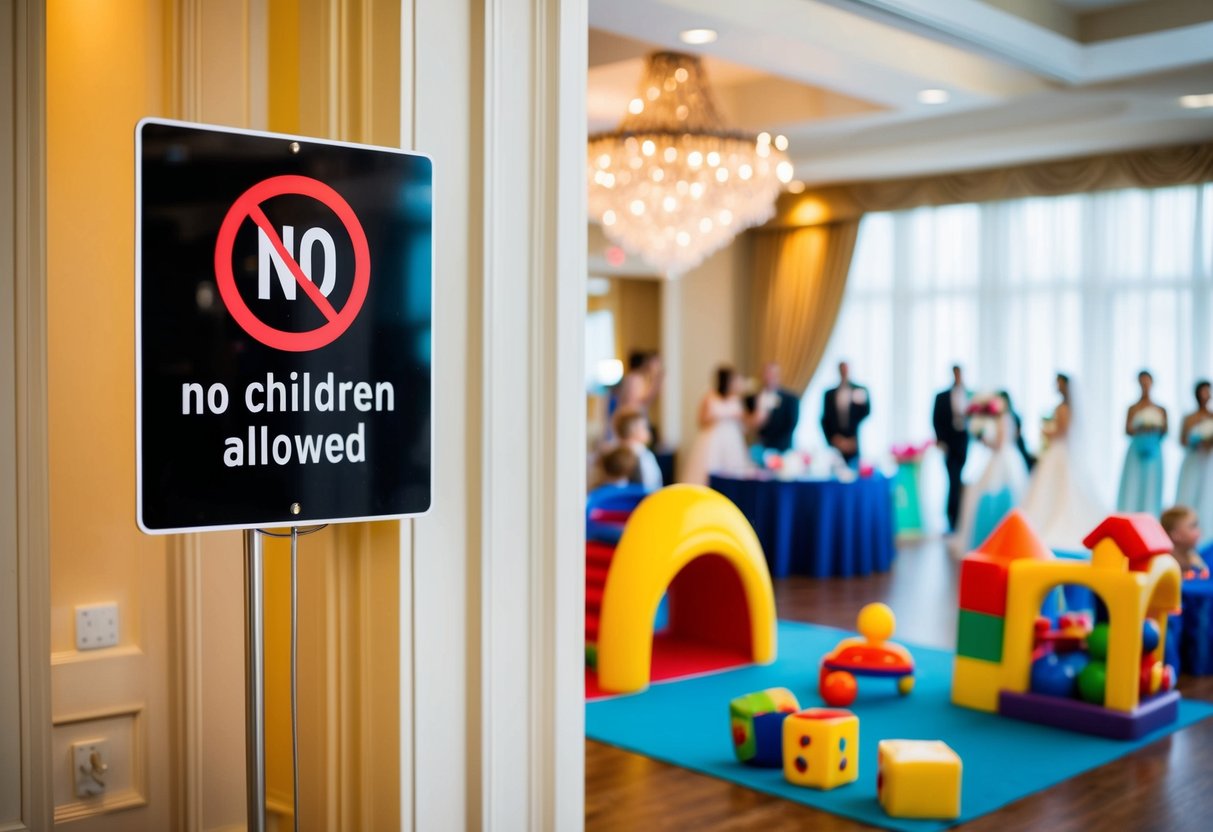
Setting a no-children policy for your wedding can help create a more relaxed atmosphere. Here are two key areas to focus on: how to create the right atmosphere and customizing your reception details.
Creating the Right Atmosphere
An adults-only event can significantly change the vibe of your wedding celebration. It allows you and your guests to enjoy a more sophisticated and relaxed environment.
To communicate this, think about how you word your invitations. Phrasing like, “We’re excited to celebrate with our friends and family!” can hint that the event is for adults only.
Using a wedding website is also a great way to provide additional information. Make sure to mention the no-children policy clearly. This will help set expectations and prevent any misunderstandings early on.
Customizing Reception Details
When planning your wedding reception, customize details to reinforce the adults-only theme. Consider unique entertainment options that cater to an adult audience. You could choose a cocktail hour with craft cocktails or a live band playing music for dancing.
At the same time, make sure your decor reflects a lively atmosphere. Think about elegant floral arrangements and ambient lighting to enhance the mood.
Avoid kid-friendly elements like a children’s play area or activities tailored for younger guests. Instead, focus on experiences that your adult guests will love, ensuring a joyous and memorable celebration.