
Is It Easy to Be a Wedding Photographer? A Friendly Guide to the Realities of the Profession
Many people wonder if becoming a wedding photographer is easy. The truth is that while a rewarding career, it also comes with its own set of challenges. Becoming successful in wedding photography requires both skill and hard work. But with passion and dedication, it can be an enjoyable way to earn a living.
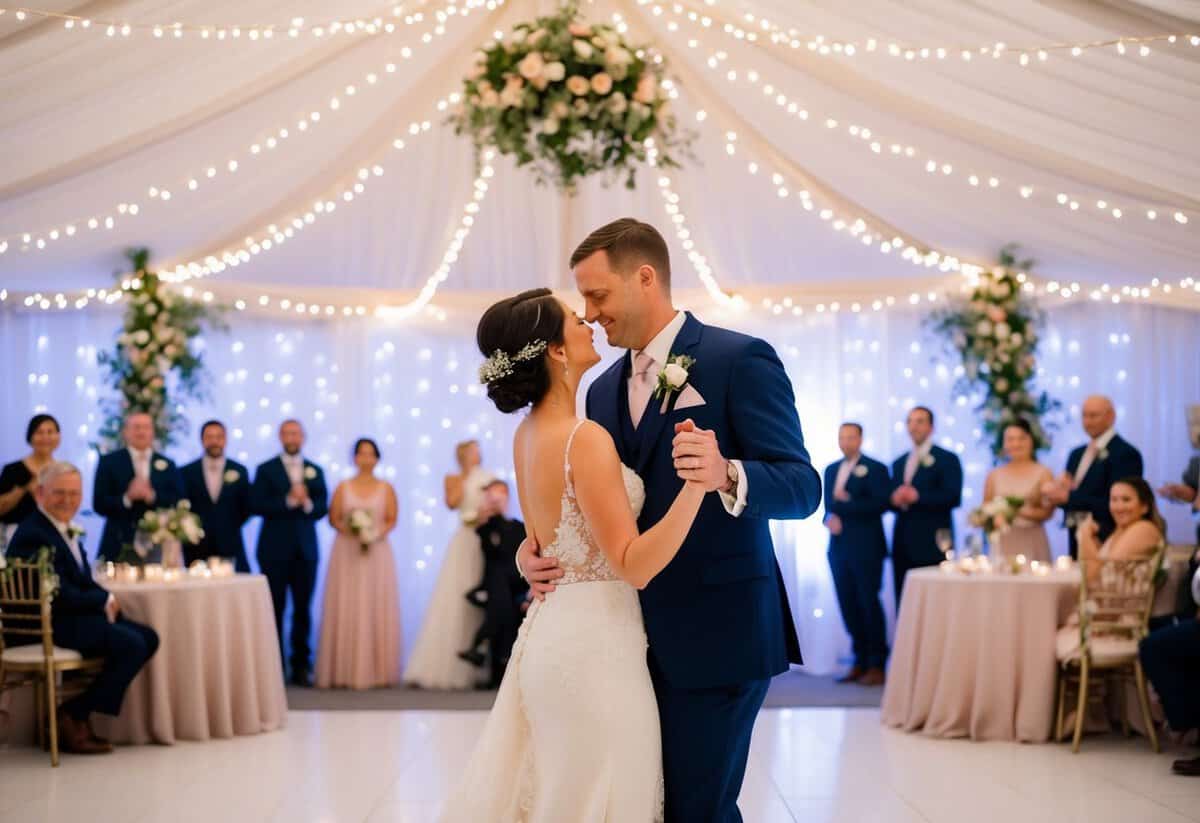
As a wedding photographer, you will play a vital role in capturing one of the most important days in people’s lives. You will be responsible for preserving memories through your lens. This means you need to be prepared for varying conditions and unexpected moments. Understanding the technical aspects of photography is crucial, as well as developing a good eye for composition and detail.
Pursuing a career as a wedding photographer can be thrilling, especially if you love working with people and have a passion for photography. With the right approach and a willingness to learn, you can build a successful photography career that not only pays the bills but also allows you to express your creativity.
Starting Out as a Wedding Photographer
Getting started as a wedding photographer requires a mix of skill development, practical experience, and building a solid portfolio. Each of these steps is important to succeed in capturing special moments for couples.
Developing Your Photography Skills
First, focus on developing your photography skills. Think about what makes a great wedding photographer: creativity, storytelling, and attention to detail. You can enhance these abilities through practice and study.
Start by learning about different photography styles and how to capture various emotions during a wedding. Working with natural light is crucial, so experiment with different lighting techniques. Attend workshops or online courses to gain knowledge and receive feedback from professionals.
Hands-on experience is key. Consider assisting an established wedding photographer to learn on the job. This provides insight into the flow of a wedding day and helps you become comfortable working with clients.
Building Your Portfolio
Your portfolio is essential for showcasing your best work. Begin by capturing styled shoots or volunteering to shoot friends’ weddings. This will give you material to build your wedding photography portfolio.
Aim to include diverse examples that highlight your creativity and technical skills. Quality is more important than quantity. Select only your best images that tell a story.
Ensure your online portfolio is easy to navigate and visually appealing. Include details about your photography style and what you offer. Regularly refine your portfolio by updating it with new work. This keeps it fresh and shows your growth as a photographer.
The Technical Essentials
Investing in the right photography equipment makes a significant difference. Start with basic gear: a reliable camera and a versatile lens. Look for models that offer fast autofocus and good low-light performance, which are critical for wedding settings.
A telephoto lens can be beneficial for capturing candid moments from a distance without intruding. Don’t forget about editing software, as post-processing is essential for achieving the final look of your images.
Make sure you are comfortable with your equipment. Familiarize yourself with camera settings, and practice different techniques in various environments to prepare for the wedding day. This technical knowledge will support your creative vision and help you capture stunning photos.
Marketing Your Wedding Photography Business
To succeed in the wedding photography business, you need effective marketing strategies. Building an online presence and networking can help you connect with potential clients and stand out in the wedding industry.
Establishing an Online Presence
Start by creating a professional website for your photography business. This site should showcase your best work, provide contact information, and include a blog to share tips and stories related to weddings.
Utilize social media platforms like Instagram, Facebook, and Pinterest to reach your audience. Post high-quality images and engage with your followers. Use relevant hashtags to increase your visibility, like #WeddingPhotography or #Bride and #Groom.
Consider creating a business profile on platforms like WeddingWire or The Knot. These sites can help you connect with couples searching for photographers.
Lastly, don’t forget to include your website link and contact info on your business cards. This way, potential clients have an easy way to reach you.
Networking and Building Relationships
Networking is key in the wedding industry. Attend bridal shows and local wedding fairs to meet potential clients and other wedding vendors. Bring plenty of business cards to share with couples and other professionals.
Building relationships with wedding planners, florists, and venues can lead to referrals. These partners can recommend you to their clients, helping to grow your business.
Strong interpersonal skills are essential. Be friendly, approachable, and willing to listen to clients’ needs. Excellent customer service helps build trust, leading to positive reviews and more referrals.
Don’t underestimate the power of local connections. Join community groups or online forums focused on wedding planning. Engaging with these communities can boost your visibility and credibility as a wedding photographer.
Working the Wedding Day
On the wedding day, you will focus on capturing beautiful moments. This requires a blend of creativity and strong organizational skills. You need to adapt to various lighting conditions and coordinate with the bridal party and other vendors.
Capturing the Perfect Shots
As a wedding photographer, your main job is to tell the couple’s story through images. Start by planning the shots you want, but be ready for spontaneous moments.
Consider the lighting conditions carefully. Adjust your aperture and shutter speed to ensure you capture clear, stunning wedding pictures.
Focus on key moments during the day, like the exchange of vows and the first dance. You also want to get candid shots of guests enjoying themselves. Make sure to capture the details, like the decorations and the couple’s attire. Each image should reflect the love shared on this special day.
The Role of a Second Shooter
Having a second shooter can greatly enhance your work. They can help you cover more ground and capture different angles. This teamwork is vital for ensuring you don’t miss important moments.
Your second shooter can focus on the bridal party while you capture the couple during their first look. This allows for a richer storytelling experience. Discuss your plan with them beforehand so that both of you know your roles.
A second shooter can also assist with gear management, allowing you to focus entirely on taking photos. Their presence helps alleviate the pressure and can result in more creative wedding pictures.
Growing and Maintaining Your Business
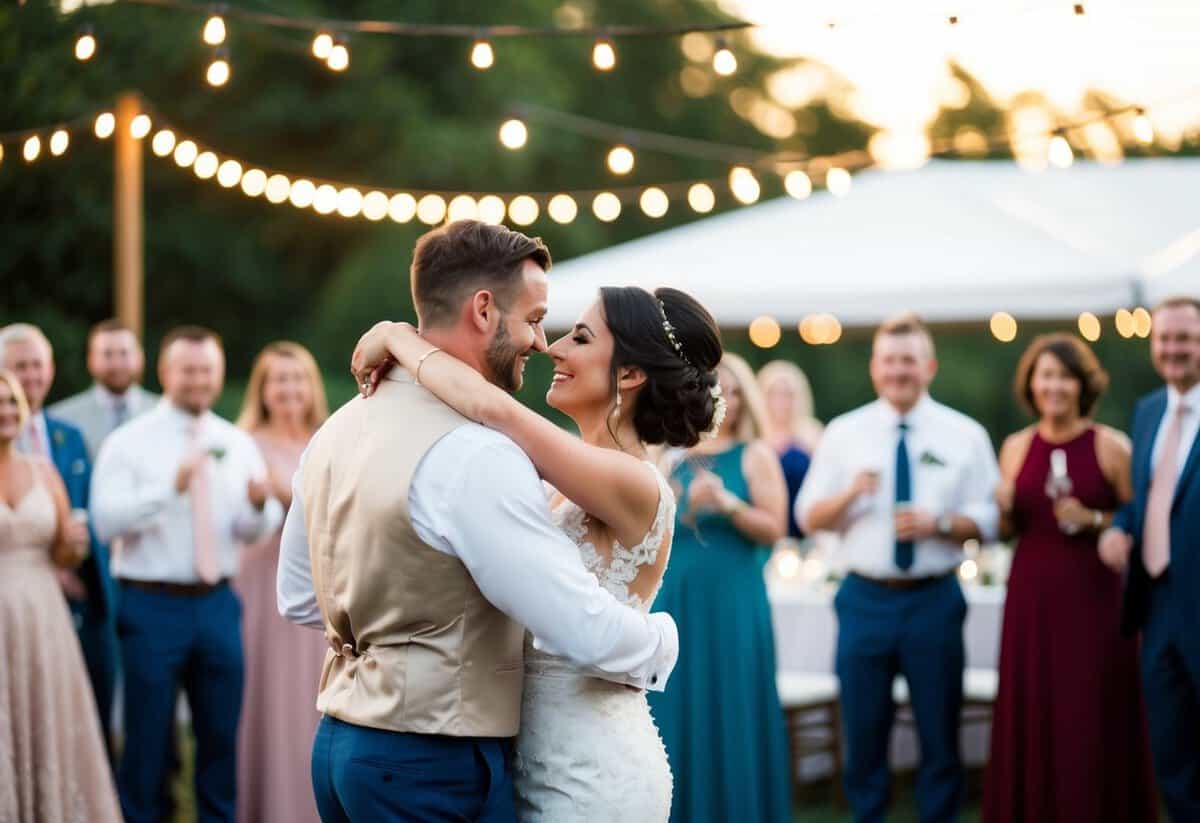
To thrive in the wedding photography industry, you must focus on building a solid reputation and investing in your professional development. These elements are key to attracting clients and ensuring long-term success.
Building a Reputation
Your reputation as a wedding photographer can significantly affect your client base and earnings. Start by delivering high-quality work that captures love stories beautifully. Ask your clients for testimonials; positive reviews can lead to more bookings.
Networking is also essential. Collaborate with wedding planners, venues, and other vendors in the wedding industry to strengthen relationships. This can help you gain referrals. Attend local bridal shows and participate in community events to get your name out there.
Consider creating a stunning online portfolio showcasing your best work. Your website should reflect your style and approach. Utilize social media to share your photos and connect with potential clients. Engaging content can set you apart and help you establish a trusted brand.
Professional Development
Investing in professional development can sharpen your skills and enhance your service offerings.
Take photography workshops that focus on wedding-specific techniques. Learning from experienced photographers can provide valuable insights and tips to improve your craft.
Stay updated with the latest trends in the wedding industry. This can include new styles of photography, editing techniques, or equipment. Continuous learning will keep your work fresh and appealing.
Additionally, consider joining professional organizations. These groups often offer resources, networking opportunities, and access to industry events. Enhancing your knowledge can lead to better job opportunities and potentially higher salaries as you grow in your career.