
Is It Illegal to Have an Unofficial Wedding? Understanding the Legal Implications
If you’re thinking about having a wedding that isn’t legally recognized, you might be wondering about the legal side of things. Many couples choose to celebrate their love with a ceremony that doesn’t involve a marriage license, often called a commitment ceremony.
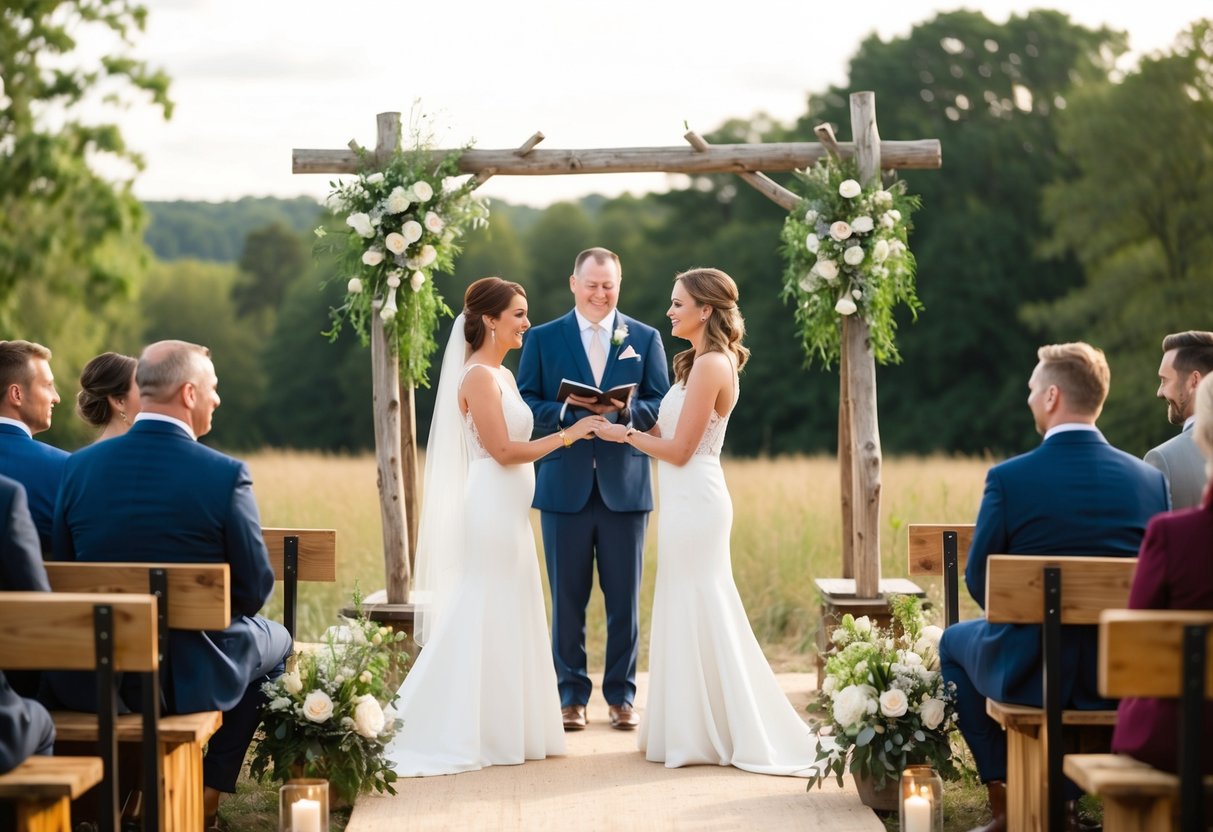
These unofficial weddings allow you to personalize your celebration without the legal requirements. You can exchange vows and rings while focusing on the meaning behind your relationship. However, without the legal paperwork, you won’t have certain rights that come with a legal marriage. Exploring your options can help you decide what’s best for you and your partner.
Understanding the Legalities of Marriage
When considering the question of unofficial weddings, it’s essential to understand what makes a marriage legal. Key factors include the requirements for a marriage license and the role of officiants or clergy.
What Constitutes a Legal Marriage?
To be legally married, you must meet specific requirements under your jurisdiction’s marriage laws. First, obtaining a marriage license is crucial. This license is a legal document that gives you permission to marry.
Next, a legal marriage typically requires a ceremony conducted by an authorized officiant or clergy. The officiant must be recognized by law, which can include judges, priests, or other designated individuals. After the ceremony, you receive a marriage certificate, which serves as official proof of your marriage.
Without these elements, a marriage may not be recognized legally. For example, having a ceremony without a license can lead to issues if you ever need a divorce or legal recognition of your union.
The Role of Officiants and Clergy
Officiants play a vital role in the marriage process. They are responsible for conducting the ceremony and ensuring that it meets local regulations.
Different states have various laws about who can officiate. Some allow civil marriages conducted by judges or government officials, while others require a religious leader. It’s essential to check the rules where you live.
Moreover, your officiant may also guide you through the necessary paperwork. They can help ensure that your marriage license is signed and submitted correctly, avoiding potential legal troubles later on.
Different Types of Unofficial Weddings
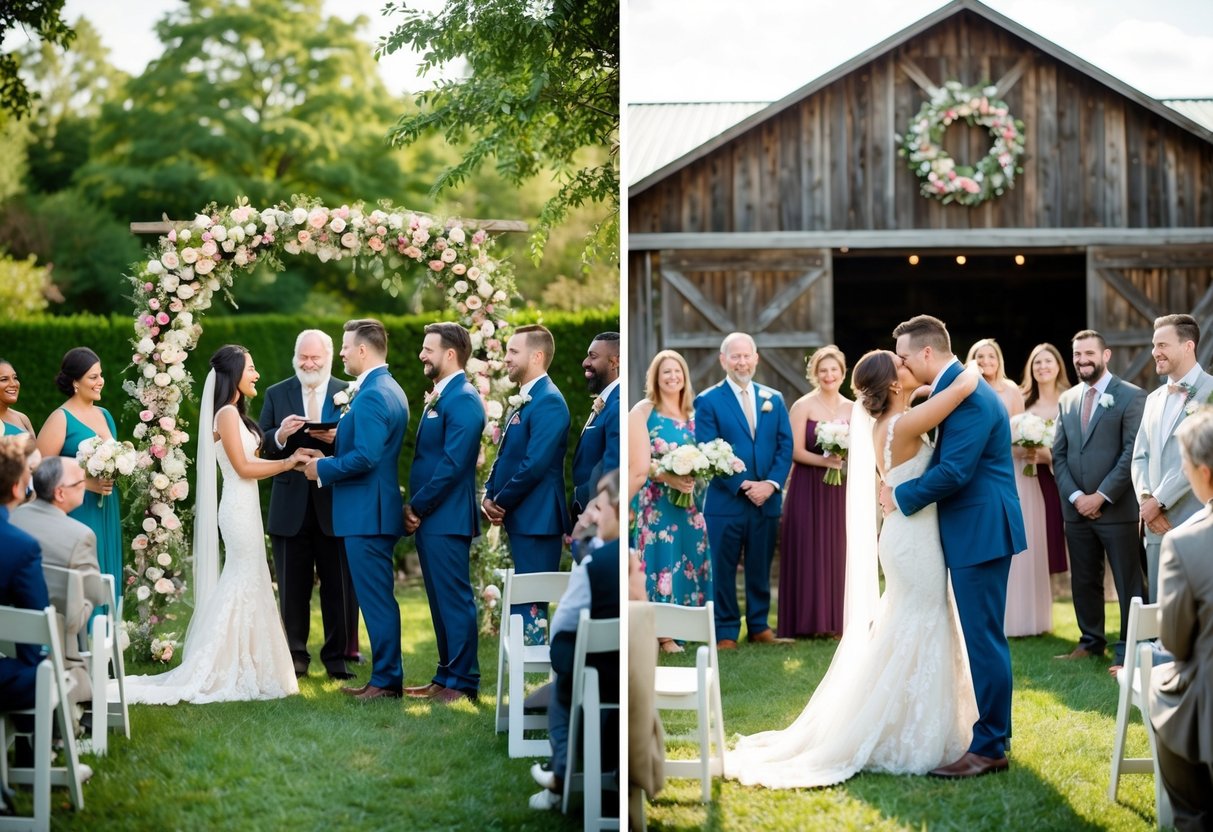
Unofficial weddings come in various forms, each offering unique ways to celebrate your love without the need for legal recognition. Understanding these options can help you choose the best fit for your relationship and personal style.
Commitment Ceremonies Explained
A commitment ceremony is a meaningful way to celebrate your relationship. This type of event allows you to express your love and commitment to each other, often in front of friends and family.
You can personalize the ceremony with special vows, readings, or symbolic gestures. Unlike traditional weddings, commitment ceremonies do not require a marriage license, giving you more freedom in planning.
Couples often choose unique venues or themes that reflect their personalities. This flexibility makes commitment ceremonies a popular choice for those seeking a non-legal wedding experience.
The Significance of Handfasting Ceremonies
Handfasting ceremonies have deep roots in various cultures and traditions. This ritual symbolizes the binding of two people in a commitment to one another, often using a cord or ribbon to tie their hands together.
You can customize the ceremony to include rituals, such as lighting candles or sharing readings. Handfasting can be an intimate way to express love without the constraints of legal requirements.
Many couples appreciate this ceremony for its historical significance and spiritual aspects. It can be especially meaningful for those who want a traditional yet non-legal approach to their union.
Elopements and Civil Unions
Elopements have become popular for couples wanting a private and spontaneous wedding. Typically, you and your partner escape to a romantic location to celebrate your love without the fuss of planning a large event.
Civil unions, on the other hand, offer a legal option for couples who may not want traditional marriage but still seek legal recognition. This path provides some legal benefits without the complete setup of a wedding.
Both elopements and civil unions allow couples to focus on their connection rather than the formalities of a traditional wedding. These options are great if you value intimacy and personal choice in your celebration.
Implications of Non-Legal Weddings
Having an unofficial wedding can come with important implications for your rights and protections. You should be aware of how it impacts many aspects of your relationship, including legal considerations and the need for education on different types of marriages.
Considerations for Rights and Protections
When you choose a non-legal wedding, it’s vital to understand that you might not automatically gain rights similar to those of legally married couples. For example, without a marriage license, you won’t have access to certain benefits like health insurance or tax breaks.
In some places, being in a long-term relationship can lead to common law marriage status, which grants some legal rights. However, common law marriage rules vary by state or country, and many people mistake their unofficial wedding for this status.
This can create confusion if you ever decide to separate. Without legal marriage, traditional divorce laws won’t apply, which may affect asset division and spousal support.
The Importance of Education on Marriage Types
Understanding different types of marriages is crucial for making an informed decision. Many people are unaware of the implications of commitment ceremonies versus legal marriages.
Taking the time to learn about these subjects can help you navigate your relationship better. This education can address concerns about rights related to health care, inheritance, and even parental rights.
You should explore what a commitment ceremony offers. A ceremony can celebrate your love, but knowing it is not legally binding is important. Being educated on these differences can help you discuss your future and relationship goals with your partner more openly and clearly.